



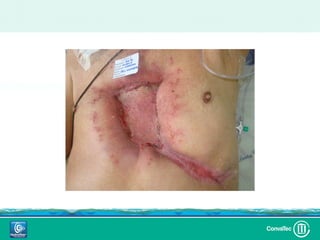





HERIDAS DE DIFICIL CICATRIZACIÓN…
          Cuanto hemos avanzado?


Carlos H Rojas D
Medicina Interna, Epidemiología
Instructor del American College of Clinical Wound Specialist

                        Junio 9 de 2012
Conflicto de interés
Objetivos


1. Conocer de cerca el impacto de la Tecnología en
   el campo de las heridas agudas y cró nicas
2. Mejor Evidencia Actual
3. Casos clínicos
4. Reflexiones a futuro
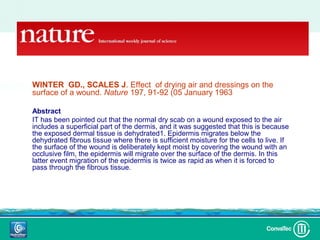
WINTER GD., SCALES J. Effect of drying air and dressings ondrying air
                                      WINTER GD., SCALES J. Effect of
                                                                          the
surface of a wound. Nature 197, 91-92 (05dressings on the surface of a wound. Nature
                                      and January 1963))
                                                    197, 91-92 (05 January 1963)

Abstract
                                               Abstract
IT has been pointed out that the normal dry scab on a wound exposed to the air
includes a superficial part of the dermis, andIT has been exposedout the airthis is because
                                                 it was suggested thatthe normal a scab
                                               on a wound
                                                            pointed
                                                                       to
                                                                          that
                                                                                includes
                                                                                           dry
the exposed dermal tissue is dehydrated1. Epidermis migrates below the
                                               superficial part of the dermis, and it was
dehydrated fibrous tissue where there is sufficient moistureis becausecells to live. If
                                               suggested that this for the the exposed
the surface of the wound is deliberately keptdermalthe dehydrated fibrous tissue where there
                                                moisttissue is dehydrated1. wound with an
                                               below
                                                        by covering the Epidermis migrates
occlusive film, the epidermis will migrate over sufficient moisture for the cells to live. If the
                                               is the surface of the dermis. In this
latter event migration of the epidermis is twice as rapid wound is deliberately kept moist by
                                               surface of the as when it is forced to
pass through the fibrous tissue.               covering the wound with an occlusive film, the
                                               epidermis will migrate over the surfacof the
                                                    dermis. In this latter event migration of the
                                                    epidermis is twice as rapid as when it is forced to
                                                    pass through the fibrous tissue.
Cochrane Wounds Group
Welcome
Welcome to the Cochrane Wounds Group
Modelo de Progresión


• Velar por el paciente

• Tratar la causa

• Apoyar el proceso de cicatrización
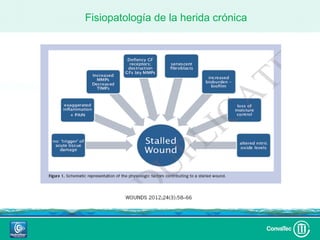
Fisiopatología de la herida crónica
Terapia Básica Avanzada


Desbridamiento de mantenimiento: Hidrogeles
desbridantes autolíticos
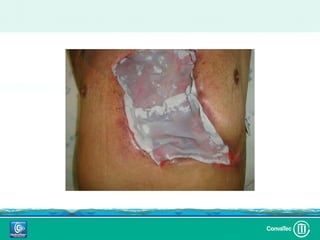
Control inflamación/infección: Hydrofiber
Balance de la humedad: Hidrocoloides, Hydrofiber y
combinaciones…
Re- epitelización temprana: hidrogeles epitelizantes
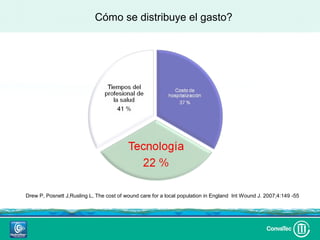
Cómo se distribuye el gasto?


Drew P, Posnett J,Rusling L, The cost of wound care for a local population in England Int Wound J. 2007;4:149 -55
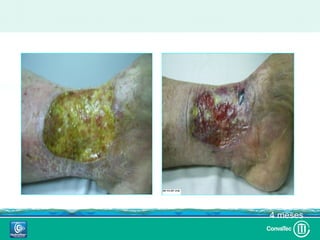
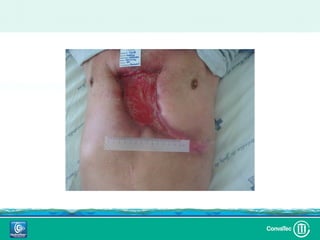
Día 0

        Día 20

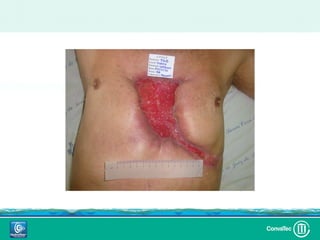
                 2 meses

                           4 meses
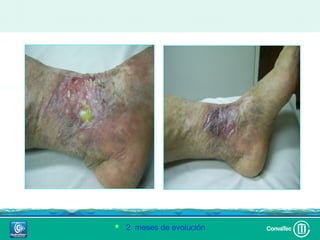
Día 0

        Día 20

                        2 meses


         2 meses de evolución
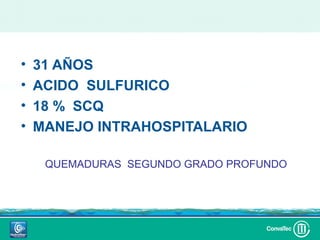
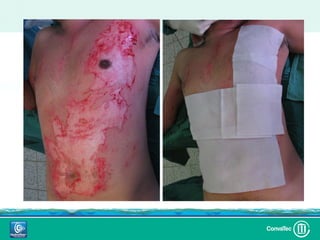
•   31 AÑOS
•   ACIDO SULFURICO
•   18 % SCQ
•   MANEJO INTRAHOSPITALARIO

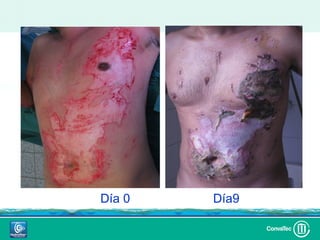
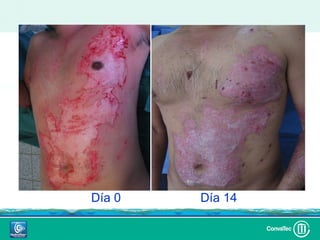
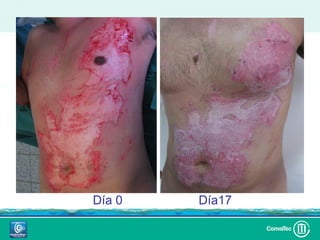
     QUEMADURAS SEGUNDO GRADO PROFUNDO
DERMOABRASION
Día 0   Día9
Día 0   Día 14
Día 0   Día17
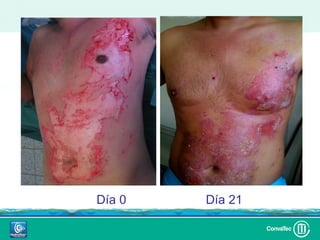
Día 0   Día 21
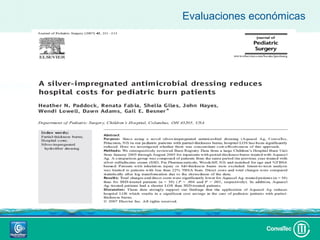
Evaluaciones económicas
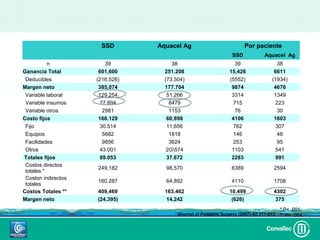
SSD        Aquacel Ag                             Por paciente
                                                                 SSD             Aquacel Ag
           n             39           38                          39                  38
Ganancia Total        601,600      251.208                      15,426               6611
 Deducibles          (216.526)     (73.504)                     (5552)              (1934)
Margen neto           385,074      177.704                       9874                4676
 Variable laboral     129.254       51.266                       3314                1349
 Variable insumos      27.894        8479                        715                  223
 Variable otros         2981         1153                         76                  30
Costo fijos           160.129       60;898                       4106                1603
 Fijo                  30.514       11,656                       782                  307
 Equipos                5682         1818                        146                  48
 Facilidades            9856         3624                        253                  95
 Otros                 43.001       2G574                       1103                 541
Totales fijos          89.053       37.672                       2283                 991
 Costos directos
                     249,182       98,570                        6389                2594
 totales *
 Coston indirectos
                     160.287       64,892                        4110                1708
 totales
Costos Totales **    409,469       163.462                      10.499               4302
Margen neto          (24.395)       14,242                       (626)                375
                                                                                         * P< .001.
                                        Journal of Pediatric Surgery (2007);42:211-213   ** P= .004.
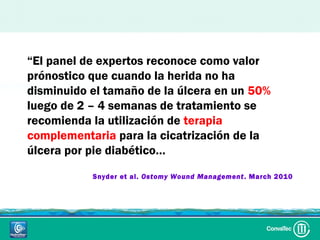
“El panel de expertos reconoce como valor
prónostico que cuando la herida no ha
disminuido el tamaño de la úlcera en un 50%
luego de 2 – 4 semanas de tratamiento se
recomienda la utilización de terapia
complementaria para la cicatrización de la
úlcera por pie diabético…
           Snyder et al. Ostomy Wound Management . March 2010
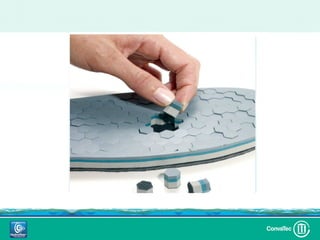
Bio- Modulador de Tejido
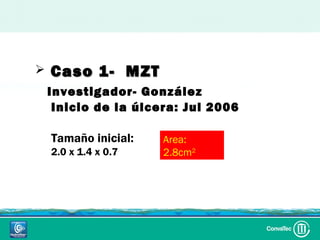
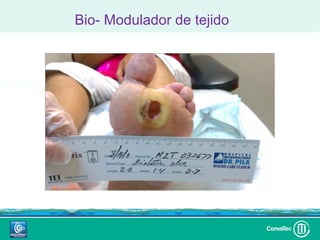
   Caso 1- MZT
    Investigador- González
     Inicio de la úlcera: Jul 2006

    Tamaño inicial:   Area:
    2.0 x 1.4 x 0.7   2.8cm2
Bio- Modulador de tejido
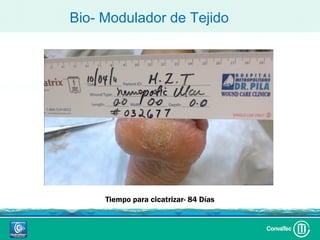
Bio- Modulador de Tejido


     Tiempo para cicatrizar- 84 Días
Bio- Modulador de Tejido

             Caso Clínico
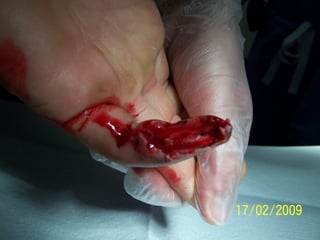
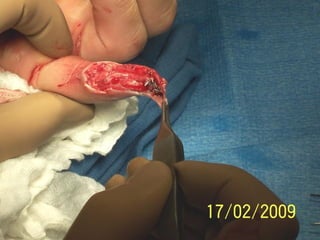
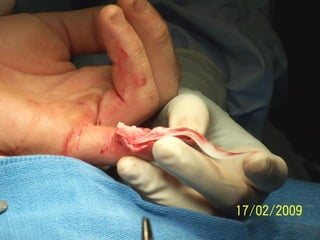
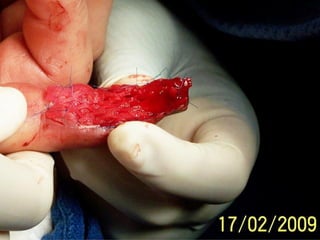
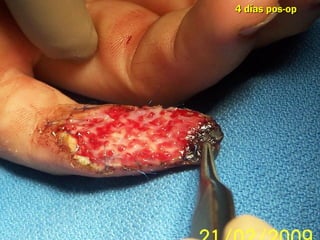
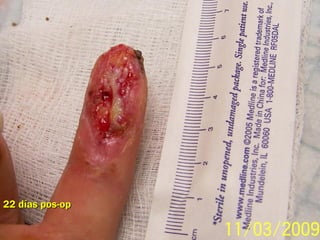
Reparación del 5to dedo izquierdo
  con PriMatrixTM luego de una
    lesión por aplastamiento
  Clinician:
          • William R. Higgs, MD, FACS
            Vascular and Thoracic Surgeon
            Mobile, Alabama
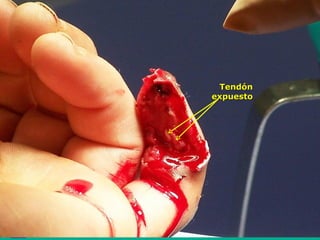
Tendón
expuesto
4 días pos-op
22 días pos-op
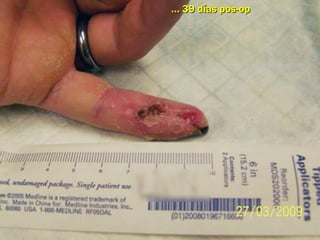
… 39 días pos-op
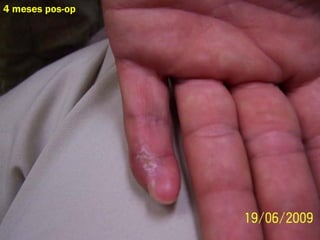
4 meses pos-op
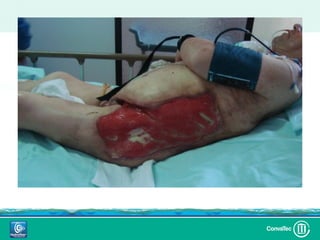
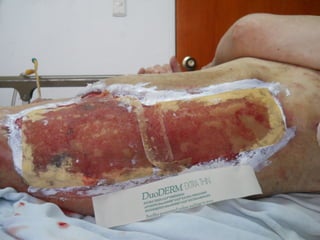
Terapia complementaria


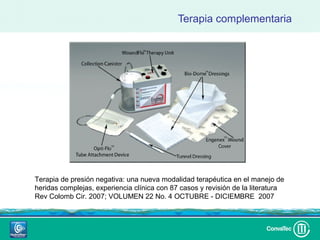
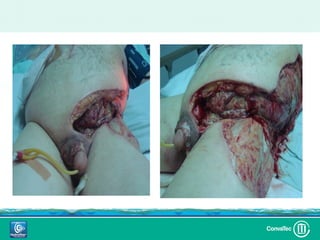
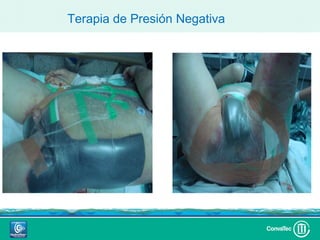
Terapia de presión negativa: una nueva modalidad terapéutica en el manejo de
heridas complejas, experiencia clínica con 87 casos y revisión de la literatura
Rev Colomb Cir. 2007; VOLUMEN 22 No. 4 OCTUBRE - DICIEMBRE 2007
Terapia de Presión Negativa
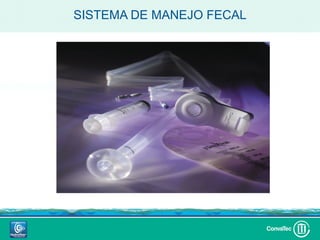
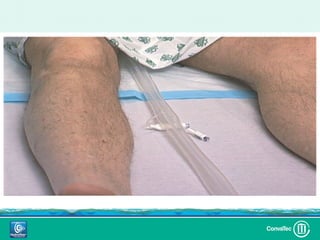
SISTEMA DE MANEJO FECAL
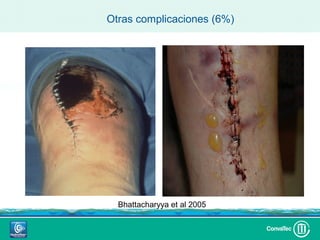
Otras complicaciones (6%)


  Bhattacharyya et al 2005
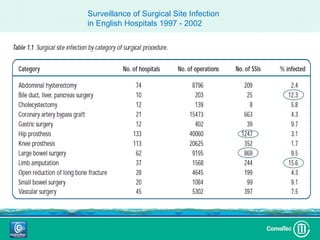
Surveillance of Surgical Site Infection
in English Hospitals 1997 - 2002
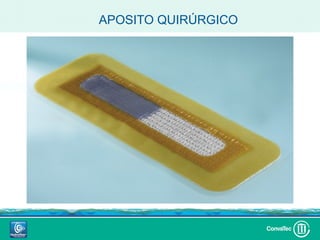
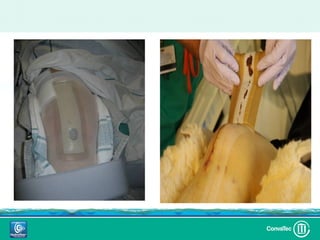
APOSITO QUIRÚRGICO
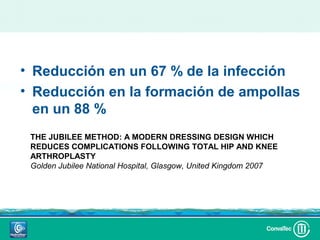
• Reducción en un 67 % de la infección
• Reducción en la formación de ampollas
  en un 88 %
 THE JUBILEE METHOD: A MODERN DRESSING DESIGN WHICH
 REDUCES COMPLICATIONS FOLLOWING TOTAL HIP AND KNEE
 ARTHROPLASTY
 Golden Jubilee National Hospital, Glasgow, United Kingdom 2007
“Heridas silenciosas” Cambio al día 7
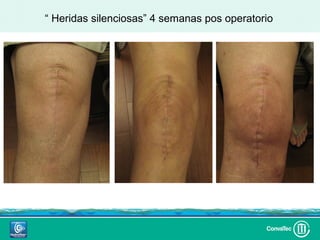
“ Heridas silenciosas” 4 semanas pos operatorio
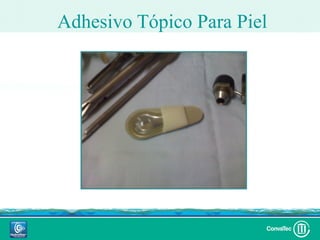
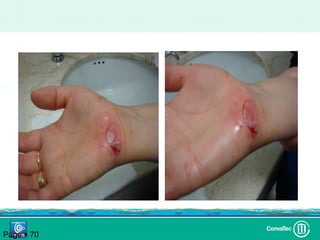
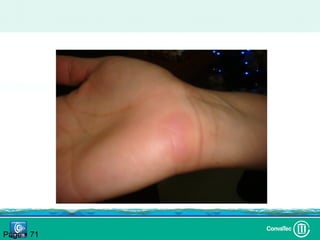
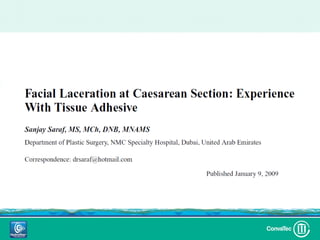
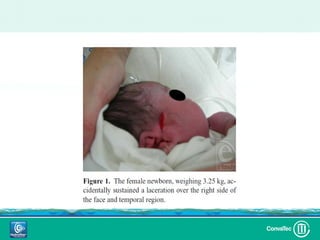
Adhesivo Tópico Para Piel
Page  70
Page  71
Mejorar el tratamiento de las heridas agudas y crónicas
Reducir la variación en el proceso de cicatrización
Transferir la evidencia a la práctica
Promover el conocimiento básico
Asistir la toma de decisiones clínicas
Identificar necesidades en investigación
Detener intervenciones que tienen poco efecto
o causan efectos secundarios
Reducir costos
Tu tranquilidad nos mueve


    Gracias!!!

Heridas de difícil cicatrización

  • 1.
    HERIDAS DE DIFICILCICATRIZACIÓN… Cuanto hemos avanzado? Carlos H Rojas D Medicina Interna, Epidemiología Instructor del American College of Clinical Wound Specialist Junio 9 de 2012
  • 2.
  • 3.
    Objetivos 1. Conocer decerca el impacto de la Tecnología en el campo de las heridas agudas y cró nicas 2. Mejor Evidencia Actual 3. Casos clínicos 4. Reflexiones a futuro
  • 5.
    WINTER GD., SCALESJ. Effect of drying air and dressings ondrying air WINTER GD., SCALES J. Effect of the surface of a wound. Nature 197, 91-92 (05dressings on the surface of a wound. Nature and January 1963)) 197, 91-92 (05 January 1963) Abstract Abstract IT has been pointed out that the normal dry scab on a wound exposed to the air includes a superficial part of the dermis, andIT has been exposedout the airthis is because it was suggested thatthe normal a scab on a wound pointed to that includes dry the exposed dermal tissue is dehydrated1. Epidermis migrates below the superficial part of the dermis, and it was dehydrated fibrous tissue where there is sufficient moistureis becausecells to live. If suggested that this for the the exposed the surface of the wound is deliberately keptdermalthe dehydrated fibrous tissue where there moisttissue is dehydrated1. wound with an below by covering the Epidermis migrates occlusive film, the epidermis will migrate over sufficient moisture for the cells to live. If the is the surface of the dermis. In this latter event migration of the epidermis is twice as rapid wound is deliberately kept moist by surface of the as when it is forced to pass through the fibrous tissue. covering the wound with an occlusive film, the epidermis will migrate over the surfacof the dermis. In this latter event migration of the epidermis is twice as rapid as when it is forced to pass through the fibrous tissue.
  • 6.
    Cochrane Wounds Group Welcome Welcometo the Cochrane Wounds Group
  • 9.
    Modelo de Progresión •Velar por el paciente • Tratar la causa • Apoyar el proceso de cicatrización
  • 11.
    Fisiopatología de laherida crónica
  • 12.
    Terapia Básica Avanzada Desbridamientode mantenimiento: Hidrogeles desbridantes autolíticos Control inflamación/infección: Hydrofiber Balance de la humedad: Hidrocoloides, Hydrofiber y combinaciones… Re- epitelización temprana: hidrogeles epitelizantes
  • 13.
    Cómo se distribuyeel gasto? Drew P, Posnett J,Rusling L, The cost of wound care for a local population in England Int Wound J. 2007;4:149 -55
  • 15.
    Día 0 Día 20 2 meses 4 meses
  • 16.
    Día 0 Día 20 2 meses  2 meses de evolución
  • 24.
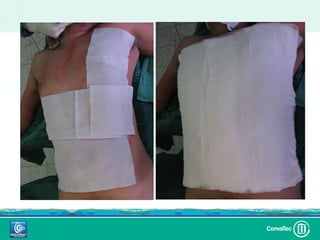
    31 AÑOS • ACIDO SULFURICO • 18 % SCQ • MANEJO INTRAHOSPITALARIO QUEMADURAS SEGUNDO GRADO PROFUNDO
  • 25.
  • 28.
    Día 0 Día9
  • 29.
    Día 0 Día 14
  • 30.
    Día 0 Día17
  • 31.
    Día 0 Día 21
  • 32.
  • 33.
    SSD Aquacel Ag Por paciente SSD Aquacel Ag n 39 38 39 38 Ganancia Total 601,600 251.208 15,426 6611 Deducibles (216.526) (73.504) (5552) (1934) Margen neto 385,074 177.704 9874 4676 Variable laboral 129.254 51.266 3314 1349 Variable insumos 27.894 8479 715 223 Variable otros 2981 1153 76 30 Costo fijos 160.129 60;898 4106 1603 Fijo 30.514 11,656 782 307 Equipos 5682 1818 146 48 Facilidades 9856 3624 253 95 Otros 43.001 2G574 1103 541 Totales fijos 89.053 37.672 2283 991 Costos directos 249,182 98,570 6389 2594 totales * Coston indirectos 160.287 64,892 4110 1708 totales Costos Totales ** 409,469 163.462 10.499 4302 Margen neto (24.395) 14,242 (626) 375 * P< .001. Journal of Pediatric Surgery (2007);42:211-213 ** P= .004.
  • 35.
    “El panel deexpertos reconoce como valor prónostico que cuando la herida no ha disminuido el tamaño de la úlcera en un 50% luego de 2 – 4 semanas de tratamiento se recomienda la utilización de terapia complementaria para la cicatrización de la úlcera por pie diabético… Snyder et al. Ostomy Wound Management . March 2010
  • 36.
  • 37.
    Caso 1- MZT Investigador- González Inicio de la úlcera: Jul 2006 Tamaño inicial: Area: 2.0 x 1.4 x 0.7 2.8cm2
  • 38.
  • 40.
    Bio- Modulador deTejido Tiempo para cicatrizar- 84 Días
  • 41.
    Bio- Modulador deTejido Caso Clínico Reparación del 5to dedo izquierdo con PriMatrixTM luego de una lesión por aplastamiento Clinician: • William R. Higgs, MD, FACS Vascular and Thoracic Surgeon Mobile, Alabama
  • 43.
  • 47.
  • 48.
  • 49.
  • 50.
  • 51.
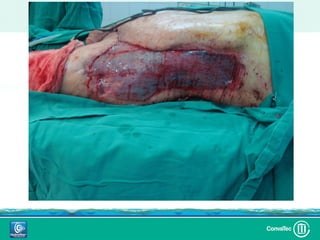
    Terapia complementaria Terapia depresión negativa: una nueva modalidad terapéutica en el manejo de heridas complejas, experiencia clínica con 87 casos y revisión de la literatura Rev Colomb Cir. 2007; VOLUMEN 22 No. 4 OCTUBRE - DICIEMBRE 2007
  • 54.
  • 60.
  • 62.
    Otras complicaciones (6%) Bhattacharyya et al 2005
  • 63.
    Surveillance of SurgicalSite Infection in English Hospitals 1997 - 2002
  • 64.
  • 65.
    • Reducción enun 67 % de la infección • Reducción en la formación de ampollas en un 88 % THE JUBILEE METHOD: A MODERN DRESSING DESIGN WHICH REDUCES COMPLICATIONS FOLLOWING TOTAL HIP AND KNEE ARTHROPLASTY Golden Jubilee National Hospital, Glasgow, United Kingdom 2007
  • 67.
  • 68.
    “ Heridas silenciosas”4 semanas pos operatorio
  • 69.
  • 70.
  • 71.
  • 76.
    Mejorar el tratamientode las heridas agudas y crónicas Reducir la variación en el proceso de cicatrización Transferir la evidencia a la práctica Promover el conocimiento básico Asistir la toma de decisiones clínicas Identificar necesidades en investigación Detener intervenciones que tienen poco efecto o causan efectos secundarios Reducir costos
  • 78.
    Tu tranquilidad nosmueve Gracias!!!