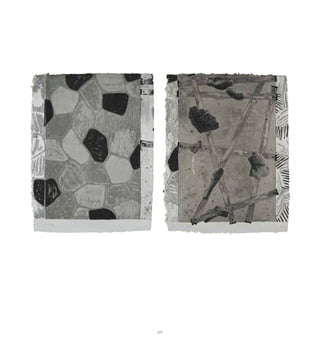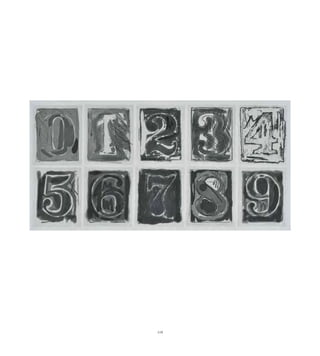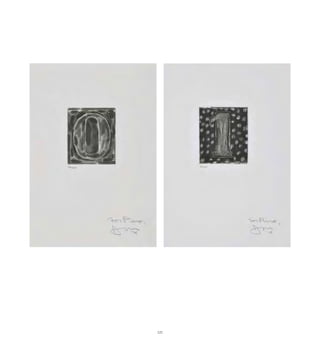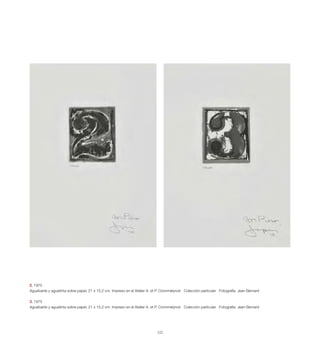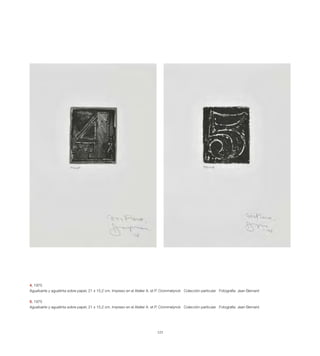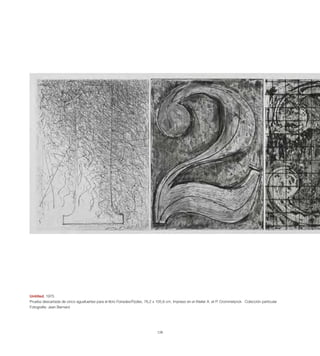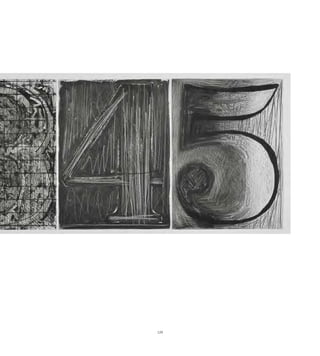
1(:7,9 16/5:
1(:7,9 16/5:
05:;0;<; =(3,5*0± +»(9; 46+,95  -,)9,96   ()903
EXPOSICIÓN                                                                                                                                 IVAM INSTITUT VALENCIÀ D’ART MODERN

Comisaria                                                                                                                                  Dirección
Martine Soria                                                                   CONSEJO RECTOR DEL IVAM                                    Consuelo Císcar Casabán

Coordinación                                                                                                                               Área Técnico-Artística
                                                                                Presidente de Honor                                        Raquel Gutiérrez
J. Ramon Escrivà                                                                Francisco Camps Ortiz
                                                                                Molt Honorable President de la Generalitat                 Comunicación y Desarrollo
                                                                                                                                           Encarna Jiménez
Patrocina                                                                       Presidenta
                                                                                Trinidad Miró Mira                                         Gestión interna
                                                                                Consellera de Cultura y Deporte de la Generalitat          Joan Bria
                                                                                Vicepresidenta                                             Económico-Administrativo
                                                                                Consuelo Císcar Casabán                                    Juan Carlos Lledó
BANCAJA                                                                         Directora Gerente del IVAM                                 Acción Exterior
Presidenta de Honor de la Fundación Bancaja                                     Secretario                                                 Raquel Gutiérrez
S.A.R. la Infanta Doña Cristina, Duquesa de Palma de Mallorca                   Carlos Alberto Precioso Estiguín                           Montaje Exterior
                                                                                Vocales                                                    Jorge García
Presidente de Bancaja                                                           Ricardo Bellveser                                          Registro
                                                                                Francisco Calvo Serraller                                  Cristina Mulinas
Molt Hble. Sr. José Luis Olivas Martínez                                        Felipe Garín Llombart
                                                                                Ángel Kalenberg                                            Restauración
                                                                                Tomàs Llorens Serra                                        Maite Martínez
Queremos agradecer la ayuda inestimable de Jasper Johns.
                                                                                Luis Lobón Martín                                          Conservación
Asimismo resaltar la colaboración del estudio del artista.                      José Mª Lozano Velasco                                     Marta Arroyo
                                                                                Rafael Jorge Miró Pascual                                  Irene Bonilla
Por último expresamos nuestra gratitud a Barbara Bertozzi y la galeria Leo      Paz Olmos Peris                                            Maita Cañamás
Casteli, NY; Sonnabend collection, The Sonnabend Gallery, NY, Antonio           Directores honorarios                                      J. Ramon Escrivà
                                                                                Tomàs Llorens Serra                                        Mª Jesús Folch
Homen, Director; Queenie Wong; Jacqueline Matisse-Monier;                                                                                  Teresa Millet
                                                                                Carmen Alborch Bataller
Matthew Marks, The Matthew Marks Gallery, NY, Adrian Rosenfeld,                 J. F. Yvars                                                Josep Vicent Monzó
Director; Kate Ganz; Larrissa Goldston, Joshua Wesoky y Universal Limited       Juan Manuel Bonet                                          Josep Salvador
                                                                                Kosme de Barañano                                          Departamento de Publicaciones
Art Editions, NY; Louisina Museum of Modern Art, Humlebaek; Ludwig
                                                                                                                                           Manuel Granell
Museum, Koblenz , Beate Reifenscheid, Directora; Milwaukee Art Musem;           PATROCINADORES DEL IVAM
                                                                                                                                           Fotografía
Jean-Christophe Castelli, Stefano Basilico; Musée National d’Art Moderne,
                                                                                Patrocinador Principal                                     Juan García Rosell
Centre Georges Pompidou, Paris, Alfred Paquement, Director, Brigitte
                                                                                Bancaja                                                    Montaje
Leal, Director-ADJ., Jonas Storsve, Director du Cabinet de dessins; The                                                                    Yolanda Montañés
                                                                                Patrocinadores
National Gallery of Art, Washington; Robert Rauschenberg Foundation;            Guillermo Caballero de Luján
Sylvio Perlstein; Tate; The Eli and Edithe L. Broad Collection; The Museum      La Imprenta Comunicación Gráfica S.L.
of Fine Arts, Houston; Walter Art Center, Minneapolis; Whitney Museum           Telefónica
                                                                                Instituto Valenciano de Finanzas IVF
of Modern Art, NY; Yolande Crommelynck; CFR Art Foundation, Pierre              Ediciones Cybermonde S.L.
Gattlen; Philippe Bouchet, Patricia Chiarena, David y Marcel Fleiss, Federica   Grupo Fomento Urbano
Fruttero , Claire Galiano, Dominique Haim-Chanin, Frank Pages, Mathilde         Pamesa Cerámica, S.L.
                                                                                Medi Valencia, S.L. - Casas de San José, S.L.
Simiam, Patrick Soria.                                                          Ausbanc Empresas
                                                                                Keraben, S.A.
CATÁLOGO

Producción
IVAM Institut Valencià d’Art Modern, Valencia 2011

Diseño
Manuel Granell

Coordinación
Vicky Menor                                                                     Cubierta y páginas 2 y 3
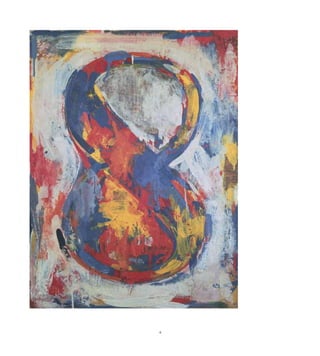
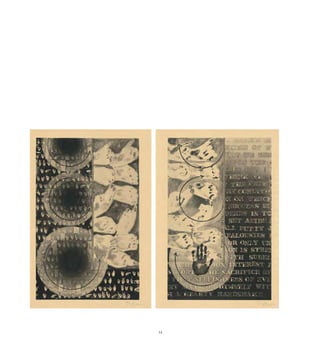
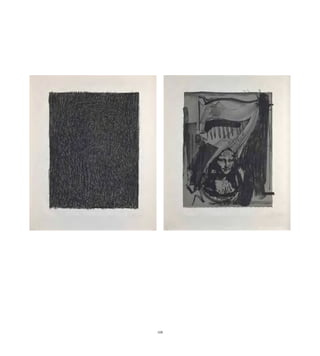
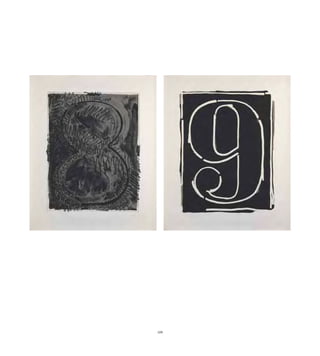
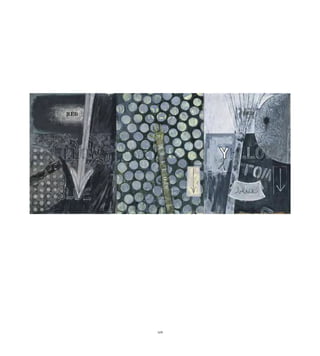
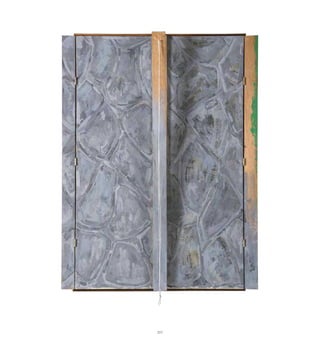
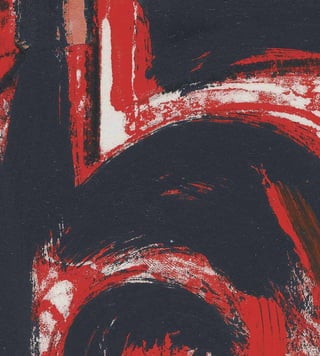
                                                                                Fragmento de Numbers (Five), 1960-1970
Traducción
Tomàs Belaire, Karel Clapshaw, Ricardo Lázaro, Anna Montero                     Centre Pompidou, París. Musée national d’art moderne/ Centre de création industrielle.
                                                                                Legado de la señora Tatyana Grosman (Long Island City-Estados Unidos)
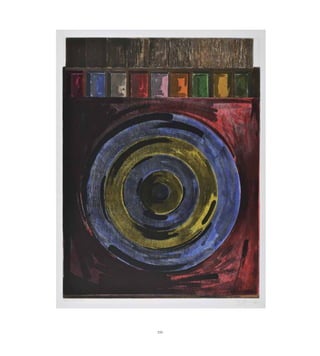
© IVAM Institut Valencià d’Art Modern, Valencia 2011                            En recuerdo de Larissa Grosman en 1983
© de los textos sus autores, Valencia 2011
© Jasper Johns, VEGAP, Valencia 2011

Realización                                                                     Está rigurosamente prohibido, bajo las sanciones establecidas por la ley, reproducir, registrar o trans-
LAIMPRENTA CG
                                                                                mitir esta publicación, íntegra o parcialmente, por cualquier sistema de recuperación y por cualquier
www.laimprentacg.com
                                                                                medio, sea mecánico, electrónico, magnético, electroóptico, por fotocopia o cualquier otro tipo de
ISBN: 978-84-482-5504-6                                                         soporte, sin la autorización expresa del IVAM Institut Valencià d’Art Modern y de los titulares del
DL: V-187-2011                                                                  copyright.
*VUZLSV *xZJHY *HZHImU     1(:7,9 16/5: 40;6 , 0*656 +, 3( *3;9( +, *65:46


    1VZt 3PZ 6SP]HZ 4HY[xULa   79,:,5;(*0Ô5


    4HY[PUL :VYPH               1(:7,9 16/5: 6 36: *(4056: +, 3( 7(9(+61(


     +HUPLS (IHKPL               1(:7,9 16/5: ,3 (9;, @ 3( 4(5,9(


     3JPHUV *HWYPSL             1(:7,9 16/5: :Ð4)636 @ ,:7,16 +, 5,:;96 ;0,476


                                *(;Í36.6


                               ,?76:0*065,: 05+0=0+(3,:


                               ;9(+**065,:
6
*VUZLSV *xZJHY *HZHImU
          +PYLJ[VYH KLS 0=(4                      1(:7,9 16/5:
                                                  40;6 , 0*656 +, 3( *3;9( +, *65:46


                                                         Utiliza las cosas que te rodean Raymond Carver, Domingo por la noche. Últimos poemas


En la sociedad norteamericana de la década de los cincuenta surge una generación de artistas con vocación de
expresarse bajo los elementos cotidianos de su experiencia con la vida para convertirlos en metáforas. Dentro de esta
nueva generación se encuentran grupos distintos como los poetas beat o los artistas de la corriente pop art. Al mismo
tiempo, fuera de las fronteras de Estados Unidos aparecen también corrientes plegadas a la realidad doméstica como
la nouvelle vague en Francia o el neorrealismo en Italia.
En esta etapa de triunfo estadounidense se produce la eclosión de la cultura de masas que alcanza su expansión en
los años 60. Esta época mediática y consumista nace en paralelo al nuevo orden mundial que impone la Guerra Fría.
Esta forma de gestionar la política abre uno de los episodios más oscuros de Estados Unidos: el macartismo y la
caza de brujas que pone bajo sospecha a todos los movimientos culturales que no sean fieles a la línea conservadora
que marca la política oficial. En ese intento de despolitizar los movimientos de masas, políticos e intelectuales, la
sociedad americana sufre grandes cambios ya que surgen movimientos sociales que reivindican los derechos civiles.
De este modo podemos decir que fueron años muy fértiles para la transformación política y artística.
El movimiento artístico imperante en los cincuenta era el expresionismo abstracto y el colour field. Para cuestionar
ese liderazgo aparecen en el panorama artístico dos artistas como Jasper Johns y Robert Rauschenberg que, por
su forma contestataria de irrumpir en el escenario, son equivalentes a los irreverentes poemas de Jack Kerouac,
William Burroughs y Allen Ginsberg de la Generación Beat. Podemos decir que ellos fueron el germen del cambio

-PNYL     ,UJmZ[PJH ZVIYL WHWLS  _  JT :VUUHILUK *VSSLJ[PVU -V[VNYHMxH! *VY[LZxH :VUUHILUK .HSSLY` 5L]H @VYR


                                                                              7
a través de introducir nuevas experiencias, una nueva visión o una nueva conciencia en el campo de las artes en
Estados Unidos. El poeta Allen Ginsberg confirmó el tono de protesta social y éxtasis visionario en Howl (Aullido).
A su vez Johns y Rauschenberg formalizan también un estilo artístico en el que propugnan una alternativa a la
generación anterior y proponen una nueva subjetividad que se fusiona con la cultura popular en la que el arte sea
una práctica social más. Usan la ironía, el humor, el distanciamiento para oponerse a la seriedad del expresionismo
abstracto. El inicio de lo que será el movimiento pop art estadounidense liderado por artistas como Warhol o
Liechtenstein se inaugura con un gesto de poder simbólico que llega de la mano de Jasper Johns con su obra Flag,
1955. Es su pieza, quizás, más polémica, realizada con encáustica, que sin duda preparó el camino hacia el pop art
estadounidense.
Pero la obra de Jasper Johns no se reduce exclusivamente a las premisas de este movimiento ya que su posición
en este escenario es sumamente ambigua por la complejidad de sus propuestas. Quizás, Jasper Johns sea uno de
los últimos pintores americanos que conservan en su equipaje esencias de la vieja Europa puesto que sus trabajos
recogen criterios estéticos tradicionales y del buen gusto.
A pesar de contribuir a los diversos procesos de apropiación de la realidad urbana cotidiana que caracterizó al pop
americano y a los nuevos realistas, Jasper Johns, tal como podemos ver en esta exposicion que ahora presentamos en
el IVAM, ha tenido la voluntad de hacer obras de arte sin trivializar la vivencia creativa. En ese sentido, su obra es un
ejemplo de fidelidad a un cierto apego estético en el espíritu y en el lenguaje que lo sitúa, no sin dificultad, entre el
neodadaísmo y el nuevo realismo que le reservará un espacio único para preservar su acento personal.


                                                               8
+V 0[ @VYZLSM ;HYNL[   ;tJUPJH TP_[H  _  JT
:VUUHILUK *VSSLJ[PVU -V[VNYHMxH! *VY[LZxH :VUUHILUK .HSSLY` 5L]H @VYR


La composición y el cromatismo de todas las ideas que ha ido investigando a lo largo de su extensa trayectoria, hasta
ofrecer una nueva poética, se consolidan mediante referentes antagónicos. Lo popular y lo culto, lo real y la ficción,
el presente y el pasado, se conectan en su homogeneidad plástica y conceptual dejando el resto para el espectador,
quien recibe estos impactos ambivalentes con complicidad. Todo ello, desde la cita y el collage, desde el recorte de
planos y tintas planas, hasta ofrecer un lenguaje cotidiano y accesible al público.
Desde sus primeras obras originales Jasper Johns decide desde un punto de partida cero, de un grado cero de la
escritura como diría Barthes, por lo que respecta al vocabulario formal, eligiendo formas abstractas, convencionales
y triviales, a las que el uso cotidiano otorga un significado concreto, que el artista encierra en un contexto diferente
para que pierdan su función socialmente convenida. En este sentido, el músico John Cage ejerce una influencia
gradual y tamizada en la obra de Jasper Johns.
Las obras que tenemos oportunidad de contemplar en esta exposicion nos llevan a lugares u objetos comunes que
Jasper Johns toma como referencia por su disponibilidad cotidiana y los somete a un tratamiento refinado que recrea
a partir de un vocabulario plástico desconocido, con una renovada carga de expresividad, manejando sutilmente
los pigmentos mezclados con cera y elaborando una amplia gama de grises. Su forma, casi artesanal, otorga unos
resultados extraordinarios de profundidad y transparencia.
Más tarde, y como vemos en esta muestra especialmente consagrada a una parte de su obra, introducirá de manera
recurrente signos, símbolos tipográficos, letras y números, bases de una comunicación no verbal, como protagonistas
de pinturas, esculturas y grabados. Cabe recordar que dadaístas como Kurt Schwitters ya habian incluído en sus obras


                                                                           9
3HUK»Z ,UK    3P[VNYHMxH ZVIYL WHWLS 2YV[HUP  _  JT 0=(4 0UZ[P[[ =HSLUJPn K»(Y[ 4VKLYU .LULYHSP[H[ -V[VNYHMxH! 1HU .HYJxH 9VZLSS


                                                                                             este tipo de caracteres pero, en el caso de Johns, una
                                                                                             vez más, desplaza arbitrariamente el significado de
                                                                                             estos elementos ofreciendo un tono diferenciador y
                                                                                             original a su obra. En esta forma de proceder también
                                                                                             vemos claras reminiscencias a los tableaux-objet que
                                                                                             trabajaran los artistas cubistas.
                                                                                             A través de esta disociación de lo cotidiano, el
                                                                                             artista oscila constantemente entre la figuración y
                                                                                             la abstracción. Su afán experimentador le llevará
                                                                                             en esta misma época a realizar esculturas y collages,
                                                                                             enriqueciendo de esta manera los temas que había
                                                                                             desarrollado hasta ese momento. También lo veremos
                                                                                             diseñando escenografías, importantes decorados para
                                                                                             el coreografo Merce Cunningham, difuminando de
                                                                                             esta manera las barreras que compartimentan las artes.
                                                                                             La inspiración de los maestros es otro componente
                                                                                             visible en el trabajo de Jasper Johns que se deja ver en
                                                                                             este recorrido expositivo que tenemos oportunidad
                                                                                             de visitar en el IVAM. En su calidad de buscador


                                                                                        10
incansable, alimenta sus fuentes en la misma historia del arte que le lleva del ready made de Duchamp, al retablo de
Grünewald, de Holbein a Picasso, para reinterpretarlos y crear así una obra intransferible.
La década de los años ochenta marca un punto de inflexión en su carrera cuando abandona su afán por mantener
separada su personalidad y su obra. A partir de este período va a volcar su técnica virtuosa en una serie de temas
nuevos que incorpora a su plástica. En ese momento desarrolla el tema del pintor y su estudio, como ya lo hicieran
Velázquez, Vermeer, Matisse o el mismo Picasso, otorgando un tono intimista, melancólico, incluso surreal a la obra
de este proteico artista. Este giro artístico lo introdujo exactamente en 1983 cuando pintó su importante lienzo
Ventriloquist (Ventrílocuo) y cuyo título lleva implícito el desdoblamiento que percibimos en todo el trabajo de
Jasper Johns.
Se trata, podríamos decir, de una pintura metapictórica, que sale del mundo de la imagen y que se construye en
torno a la naturaleza del lenguaje pictórico, de los géneros y de las distintas maneras de representar el mundo.
Trabaja con mitos e iconos que ha generado la sociedad de consumo, bien distribuidos por las nuevas formulaciones
mediáticas, publicitarías y la cultura del entretenimiento. Podemos decir que toma como referente estereotipos
bien reconocibles en el sistema para abordarlos y crear su discurso narrativo condensados de una carga irónica en
muchas ocasiones.
Con esta selección de obra que hemos reunido en esta iniciativa expositiva nos adentramos en un mundo de belleza
sorprendente y con una gran carga intelectual, extremadamente original que requiere una respuesta interpretativa
del espectador ya que Jasper Johns, después de más de cincuenta años de oficio, continúa planteándonos cuestiones
esenciales sobre los procesos y la función del arte.


                                                       11
;OL +[JO P]LZ  :LYPNYHMxH H JVSVY ZVIYL WHWLS QHWVUtZ OLJOV H THUV   _  JT 0=(4 0UZ[P[[ =HSLUJPn K»(Y[ 4VKLYU .LULYHSP[H[ -V[VNYHMxH! 1HU .HYJxH 9VZLSS


                                                                                        12
Como conclusión cabría apuntar que este universal artista concentra la diversidad de la vida, las cosas y el arte en
unos pocos motivos centrales que escoge subjetivamente y define individualmente, trasponiéndolos a su método
representativo que traduce las condiciones de la percepción.
En ese sentido y como afirma el propio Jonhs “El proceso artístico transcurre a partir de la percepción”. Por eso, la
percepción es el criterio central que rige la creación y el efecto de sus cuadros. Esta percepción tiene lugar a partir
de dos actos individuales fundamentales en el ser humano: ver y pensar. Por ello este recorrido expositivo que
ahora alumbramos en el IVAM nos ayudará como espectadores a ver y sentir no solo a través de las emociones sino
también mediante la reflexión.
Puede afirmarse, por tanto, que el pop art, gracias a la aportación iniciática, pionera y visionaria de Jasper Johns,
es el resultado de un estilo de vida y la manifestación plástica de una cultura caracterizada por la tecnología, la
democracia, la moda, el consumo, etc., donde los objetos nos reclaman en su compostura artística.


                                                       13
14
1VZt 3PZ 6SP]HZ 4HY[xULa
        7YLZPKLU[L KL )HUJHQH                        79,:,5;(*0Ô5

En el marco del convenio de colaboración entre Bancaja y el IVAM, se lleva ahora a cabo una nueva muestra, que
cabe considerar como una importante aportación de este gran centro artístico valenciano, entre las muchas que ya
lleva realizadas a lo largo de su trayectoria, al mejor conocimiento entre su público de una figura de referencia en las
vanguardias estadounidenses e internacionales de nuestro tiempo.
En efecto, el pintor norteamericano Jasper Johns ha desarrollado, a lo largo de las últimas décadas, una búsqueda
incansable y acompañada por el reconocimiento de la crítica y de los buenos conocedores del arte moderno, de
nuevas fórmulas expresivas, en un proceso que le ha llevado a situarse como un símbolo de la creatividad, vinculado,
sin perder su estilo personal, a movimientos como el Pop Art, pero también recogiendo parte de la herencia del
dadaísmo y del surrealismo gestado en Europa entre las dos guerras mundiales del siglo pasado.
La obra de Jasper Johns, que está presente en grandes museos y colecciones, que alcanza una altísima cotización en
los mercados y que se ha exhibido en grandes acontecimientos artísticos en diversos lugares del mundo, llega ahora
al IVAM, donde sin duda atraerá la atención de un gran número de visitantes.
Bancaja, con el patrocinio de esta exposición, hace posible ese encuentro, siempre trascendental y revelador, entre el trabajo
de un gran creador plástico y la mirada de quienes buscan en el arte nuevas formas de conocimiento y de disfrute estético.
De esa relación nace siempre una experiencia enriquecedora a partir de la cultura. En este caso, a través en una
de sus manifestaciones más vivas e innovadoras, tanto que Luciano Caprile, uno de los expertos que colaboran en
este catálogo, no duda en calificarla de “revolucionaria”, por la brillante capacidad de su autor para extraer sentidos
distintos de los habituales, a partir de objetos y símbolos convertidos en cotidianos.

-YHNTLU[ VM H SL[[LY 
 PU[HNSPVZ H  JVSVY ,KPJP}U KL  LQLTWSHYLZ 7ISPJHKV WVY UP]LYZHS 3PTP[LK (Y[ ,KP[PVUZ   _  JT *VY[LZxH UP]LYZHS 3PTP[LK (Y[ ,KP[PVUZ


                                                                                 15
16
4HY[PUL :VYPH                         1(:7,9+,16/5:
                                                  6 36: *(4056: 3( 7(9(+61(

                                             “¡Extraña cosa, la pintura, que nos gusta por su parecido con objetos que no podrían gustarnos!” Eugène Delacroix


Que una exposición de Jasper Johns en Europa no es cosa frecuente, es una evidencia que lamentamos.
Es cierto que organizarla resulta un desafío y un reto, pues los problemas de toda índole que surgen cuando la idea
se afirma y el momento se acerca, son múltiples.
No obstante, el entusiasmo del artista durante nuestro primer encuentro para informarle del proyecto del IVAM fue
un verdadero motor para enfrentarnos a las incomodidades administrativas del otro lado del Atlántico, a las diversas
reticencias de los museos y de los coleccionistas pusilánimes, y para sacar adelante dicho proyecto.
Además, el apoyo inquebrantable de la institución valenciana y de su dirección ha hecho olvidar los momentos
de incertidumbre.
Recuerdo que hice reír a Jasper Johns cuando me dijo que sería una aventura llevar adelante el proyecto y yo le
respondí que, ciertamente, la etapa más difícil había sido llegar hasta él, ¡hasta su estudio!
Su aceptación fue entonces el mejor de los bálsamos.
Hablar de la exposición, de su génesis, me lleva a hablar necesariamente del artista y de su obra y, a fortiori, del lugar
que ocupa en la historia del arte del siglo XX.
Un lugar en pole position, por decirlo así, que es y que perdura, que no obedece a un fenómeno de moda, sino
a unas investigaciones constantes y resultados que reposan sobre una pirámide de conocimientos, de referencias
perfectamente asimiladas, de dotes; un trabajo y un oficio excepcionales.

1HZWLY 1VOUZ [YHIHQHUKV LU LS [HSSLY *YVTTLS`UJR -V[VNYHMxH! 7PLYV *YVTTLS`UJR


                                                                              17
A esto se llama también respeto al arte conjugado con la experiencia.
Me parece indispensable, en primer lugar, resituar el arte americano en su historia y evocar la posición primordial
que le corresponde actualmente a escala planetaria.


                                                           1
Todas las transformaciones del lenguaje pictórico que se inician en el siglo diecinueve y que se profundizan en el veinte,
tanto las que afectan a la forma como las que se refieren al color, actúan finalmente en el mismo sentido: liberan a la
pintura de lo que hacía de ella un arte de imitación.
Para las nuevas generaciones el contenido anecdótico queda relegado al segundo plano y el cuadro se centra en sí mismo.
He aquí por qué, a menudo, en la práctica, la figuración choca con la abstracción sin que esta esté especialmente en el
punto de mira.                                                                                              Dora Vallier


Evocar el nacimiento del arte (moderno) americano, requiere deshacerse de la idea demasiado extendida de que
1945 fue el año de la conquista de la escena artística por parte de Nueva York; del nacimiento de un arte americano
emancipado de una tutela europea, cuando muchos artistas no tenían más referencia que la historia del arte ni más
ambición que mantenerse en la estela de sus predecesores.
Cuando en 1927, Henri Matisse, a su vuelta de Nueva York y en respuesta a un interlocutor escéptico a propósito del
arte americano, le respondió con unas palabras un tanto simplistas: “Comprenderá cuando vea América, que algún


                                                               18
día tendrán pintores, porque no es posible, en un país así, que ofrece espectáculos visuales tan deslumbrantes, que
no haya un pintor algún día”, quizá, durante su estancia, no había conocido a algunos actores del mundo de las artes
plásticas, que ya eran muy activos.
Efectivamente, hay que remontarse a las fuentes y recordar la importancia de Arthur Dove (1880-1946) que vivió de
1907 a 1908 en París, donde participó en los Salones de otoño y, practicando el collage, se vinculó a los más grandes
nombres parisinos del cubismo.
Algunos de sus compatriotas americanos viajaron de uno a otro continente y residieron en la capital francesa, hablo
de Charles Demuth (1883-1935), de John Marin (1870-1953), de Max Weber (1881-1961), el primero en asimilar la
lección del cubismo, de Alfred Maurer (1868-1932), de Arnold Ronnebeck (1885-1947), de Marsden Hartley (1877-
1943). Todos estos “modernistas americanos” conocieron la fama en 1910, gracias a Alfred Stieglitz ya que, bajo la
denominación de “Jóvenes pintores americanos”, los expuso en Nueva York, en su Gallery 291, así como a Georgia
O’Keeffe (1887-1986), que se convirtió en su esposa.
Galerista, pero ante todo fotógrafo, Stieglitz, que en 1908 había mostrado obras de Cézanne, Picasso, Braque y Matisse
al público de Nueva-York, defenderá a los artistas dadá. Todos aquellos artistas vinieron a Europa, esencialmente a
París, que en aquella época representaba un cierto tipo de cultura occidental moderna. Allí, junto a los más grandes
de nuestros “pintores revolucionarios”, aquellos herederos de Cézanne vivieron alrededor del Bateau-Lavoir o de La
Ruche, falansterios del arte nuevo. Después volvieron a cruzar el océano para fundar, al margen de toda tutela, las
bases de un arte americano independiente y emancipado.


                                                       19
Más tarde, otros hicieron lo mismo, por ejemplo, Alexander Calder, que atravesó el Atlántico para venir a trabajar a
Francia; en 1930 (año del nacimiento de Jasper Johns), mostraba sus primeras construcciones a Marcel Duchamp,
que las calificará de “móviles”, de “sublimación de un árbol en el viento”.
Otros artistas, tentados por el modernismo, hicieron elecciones diferentes, Marc Tobey (1890-1976) fue a Francia y
a Europa en 1925, volvió a Seattle y después se instaló en Inglaterra, donde se quedó hasta 1937, volvió a los Estados
Unidos y, finalmente, se estableció en Basilea, donde murió.
En 1940, se podía leer en el editorial del Shreveport Times: “Vivir en París era respirar por todas partes el mismo aire
de individualismo”.
“[…] Desde hace varios años, los artistas tentados por el modernismo se expatrian a Europa”, confirma Serge
Guilbaut, autor de un ensayo, publicado en 1983: How New York Stole the Idea of Modern Art.
En los años treinta, otras aportaciones culturales llegaron a los Estados Unidos, mientras el viejo continente atravesaba
un período de dictaduras, de movimientos nacionalistas, de persecuciones sociales. En Europa, la fulgurante ascensión
del nazismo será una amenaza constante para los medios intelectuales y artísticos. En Alemania, la ley del 7 de abril de
1933, que reformaba la función pública, permitirá despedir a los funcionarios no arios.
Artistas, universitarios, críticos, conservadores de museos, perdieron bruscamente sus empleos. Los oponentes a las
intenciones del partido nacional-socialista, las comunidades intelectuales, los antiguos miembros de la Bauhaus, los
surrealistas, y tantos otros, fueron directamente amenazados.
Esta presión permanente provocó la huida de muchos de ellos y de numerosas personas.


                                                              20
En España, después de la derrota de los republicanos, la toma del poder por Franco con su odio hacia los comunistas,
anarquistas, y todo lo que sonara a anticlericalismo, provocó un derramamiento de sangre, exactamente igual que en
Italia, donde la llegada de Mussolini y el auge del fascismo vaciaron el país de muchos de sus intelectuales.
Muchos de los perseguidos se exiliaron en cuanto pudieron.
Algunos buscaron un refugio precario en Francia, en París o en la costa mediterránea. Esto no carecía de riesgos
para algunos, ya que el artículo 19 de la convención de armisticio del 22 de junio de 1940 estipulaba: “El gobierno
francés está obligado a entregar, en caso de petición, a todos los súbditos alemanes designados por el Reich que se
encuentren en Francia, así como en todas las posesiones francesas, las colonias, los territorios bajo protectorado o
bajo mandato”. Para muchos, fue el final de un sueño de libertad y, a partir del 3 de septiembre, tras la declaración
de guerra como consecuencia de la invasión de Polonia por la Wehrmacht, muchos de estos refugiados, apátridas o
extranjeros, fueron considerados como “súbditos enemigos” y encerrados, en calidad de retenidos, en unos campos
de condiciones insalubres.
Así fue como, cerca de Aix-en-Provence, con el objetivo de identificarlos, el Camp des Milles albergó a alemanes,
austriacos, rusos, polacos y checos; y entre ellos fueron censadas todas las capas de la población y de todas las
confesiones: artistas, escritores, periodistas, políticos, seres privados de su nacionalidad o de origen étnico no
conforme con las leyes racistas, autores de obras degeneradas, hombres que ejercían actividades prohibidas. Allí,
estaban Lion Feuchtwanger, Alfred Kantorowicz, Max Ernst, Ferdinand Springer, Robert Liebknecht, Leo Marchütz,
a quienes muy pronto se unieron otros: Hans Bellmer, Wols, Max Lingner, Franz Meyer…


                                                       21
Durante los meses siguientes, esta parte de Francia todavía libre se veía aún más reducida ante el avance del ocupante
y a algunos kilómetros de allí, Marsella se convirtió en un refugio provisional para muchos exiliados.
Esta situación era conocida por las autoridades norteamericanas y, lógicamente, hay que evocar la misión de Varian
Fry, encargado por las autoridades de los Estados Unidos de preparar y organizar la partida de doscientas personas que
figuraban en diversas listas. En cuanto a la lista de Alfred H. Barr, el director del Museum of Modern Art de Nueva York,
sabemos que mencionaba a Picasso, Matisse, Chagall, Ernst, Arp… Dando pruebas de una intensa actividad y superando
no pocos obstáculos, en poco más de un año, el emisario neoyorquino permitió huir a unas dos mil personas. El 29
de agosto de 1941, cuando fue expulsado de Francia, si bien no había podido convencer a algunos de que escogieran
el exilio, podía enorgullecerse de haber salvado entre otros a André Breton, Marc Chagall, Marcel Duchamp, Max
Ernst, Wifredo Lam, Jacqueline Lamba, Jacques Lipchitz, André Masson, Roberto Matta, Remedios Varo, Ylla (Camilla
Koffler), Chaim Lipnitski, Charles Sterling, Bruno Strauss, Paul Westheim, Claude Levi-Strauss, Victor Serge…
Setenta años después, podemos interrogarnos sobre su acción y las consecuencias que tuvo sobre los creadores
americanos y preguntarnos si la libertad del gesto propio de Jackson Pollock no tendría su origen en la escritura
automática practicada por André Masson en su obra.
“¿Cuál hubiera sido el rostro de la pintura americana, hoy tan admirada, sin aquellos decisivos encuentros?”, se
preguntaba Dina Vierny, doblemente sensibilizada por este problema. La antigua modelo de Aristide Maillol, que
estuvo toda la vida implicada en el terreno del arte, tuvo en aquella época una participación activa ayudando a los
refugiados a pasar al otro lado de los Pirineos.


                                                              22
En esta época, algunos se encontraban ya en los Estados Unidos, como por ejemplo John Graham, pintor y galerista
(1886-1961); Joseph Albers (1888-1976), desde 1933; Hans Hofmann (1880-1966), que impartió clases en Provinceton
a partir de 1934; Yves Tanguy (1900-1955), que se había instalado allí desde 1939; Fernand Léger (1881-1955), que
llegó el año siguiente y no regresó a Francia hasta 1945…
En un artículo de 1941, John Peale Bishop, editor y poeta, señalaba en este sentido: “La presencia entre nosotros
de los europeos es un hecho. Son escritores, eruditos, artistas, compositores. Es un hecho que puede resultar tan
determinante para nosotros como el flujo de eruditos bizantinos a Italia, cuando las hordas turcas tomaron por
asalto la antigua capital de su civilización. Vale la pena examinar la comparación. Por lo que yo sé, la aportación
personal de los exiliados bizantinos tras su llegada a Italia fue mínima. Pero su presencia y el saber que llevaban
consigo tuvieron un impacto extremadamente productivo sobre los italianos.”
Cuatro años más tarde, el historiador de arte Lester Longman insistía: “Los artistas de hoy interpretan el entorno
americano sin temer la influencia extranjera. Con honestidad y una buena confianza en sí mismos, intentan encontrar
nuevas formas que puedan encarnar nuestras preocupaciones espirituales. La pintura americana nunca había sido
tan vigorosa, tan prolífica o tan impresionante.”
Toda una generación como Jackson Pollock, Arshile Gorky, Robert Motherwell o Mark Rothko, que fundarían la
Escuela de Nueva York, tuvieron así contacto con los artistas procedentes de Europa.
Para Leo Castelli, el papel en esta época de Robert Motherwell (1915-1991) fue absolutamente primordial. Apasionado
por su arte, pero también por el surrealismo, la filosofía y la literatura, el pintor estableció el vínculo entre aquellos
“recién llegados” y los artistas indígenas.


                                                        23
Otros tendrían también una gran responsabilidad en las relaciones entre ambos grupos, críticos, galeristas:
Clem Greenberg, Tom Hess, Betty Parsons, Peggy Guggenheim, así como Samuel Kootz, Sidney Janis,
Alfred Barr, …
El surrealismo, por su parte, marcará profundamente la pintura americana y ejercerá una influencia decisiva en
su destino: “En 1943, los surrealistas estaban en Nueva York desde hacía dos años y se puede decir que habían
acostumbrado al público a sus extravagancias, que llegaban hasta la calle, siguiendo el ejemplo de las exposiciones
de Salvador Dalí en los escaparates de los grandes almacenes neoyorquinos. Max Ernst era el ‘mimado’ de las damas
y de los museos, Matta, el joven excéntrico que los artistas se tomaban en serio, mientras que Masson hacía dibujos
automáticos. El inconsciente se encontraba en todos los espíritus”, confirma Serge Guilbaut quien, en su obra, se
basa en gran parte en una Escuela de París, víctima de los años de guerra, de la asfixia, de las tradiciones, del abuso
de academicismo y de la falta de audacia. También subraya que numerosos artistas, como anestesiados, se hundieron
en un impasse y que “la guerra había descongelado y diversificado la escena artística, hasta el punto de que el arte
moderno era entonces producido por artistas neoyorquinos”.
El expresionismo abstracto de Pollock, de Kline, de Kooning, de Motherwell, de Rothko o de Newman encarnaba
entonces la libertad creadora y la vanguardia del arte en general.
Este largo preámbulo, si bien tiene la voluntad de mantener un deber con la memoria, tiene asimismo la preocupación
de armonizar algunos argumentos, ya que, en este caso, no es posible hablar de robo sino del paso del testigo muy
legítimo en el terreno de la creación. No se puede negar la evidencia de que los Estados Unidos –considerable


                                                             24
crisol humano de poderosos medios en el terreno de la información, de la enseñanza y de la comunicación,
dotados de innumerables museos de políticas ambiciosas y construidos sobre riquísimas colecciones de generosas
donaciones– fueron mucho antes de la Segunda Guerra Mundial lugares de creación. No hay que ocultar los medios
de comunicación que no dejaron de desarrollarse, de amplificarse, un conocimiento simultáneo de diferentes
escuelas, de creadores, en todas las partes del mundo, la desaparición de las fronteras del conocimiento. Todos estos
ingredientes permitieron a los artistas americanos crear en buenas condiciones, quedándose donde habían nacido,
concebir su papel de manera diferente, inventar formas de arte, pero también hacer frecuentes peregrinaciones al
viejo continente.
El mercado del arte es otro problema, este se ha convertido en un valor refugio y si, desgraciadamente, algunos
especuladores invierten con avidez y ya no sienten tal vez esa pasión por el arte, otros muchos, sin embargo, siguen
siendo coleccionistas solícitos. A semejanza de los rusos Ivan Morozov y Sergei Shchukin, que fueron en su época
ejemplos incontestables, a ambos lados del Atlántico existen auténticos amantes del arte. La ayuda a la creación es
un elemento indispensable y, si dedicarse a la asistencia de artistas es de cretinos, permitirles que vivan de su trabajo
es una condición indispensable.
¡Habría no pocas enseñanzas que retener en este lado del Atlántico, pero conviene zanjar el debate antes de que empiece!
Ciertamente, fue necesario un tiempo para que en Europa, en Francia, nuestros ojos se acostumbraran a los
productos visuales procedentes de Nueva York, con las miradas a menudo sorprendidas e inquietas, como subraya
Pierre Restany en 1959: “El público francés tiene miedo de los neoyorquinos y aún más de sus regalos.”


                                                        25
Unos veinte años más tarde, refiriéndose a este comentario, Georges Gaillard, con motivo de una exposición de Jasper
Johns en 1978 en Beaubourg, apostillaba: “Estas banderas estrelladas ya no se izan, ante nuestra mirada chauvinista,
ante nuestra angustia crispada en la Escuela de París, como el signo demasiado manifiesto de que la historia de la
pintura, así como la historia simple y llanamente, se escribe actualmente en los Estados Unidos de América”.
La posguerra permitirá fructíferos intercambios entre los dos continentes en todas las formas del arte, de la cultura,
al margen de las discrepancias, de las capillas que a menudo encerraban la creación.
Algunos se acuerdan de Merce Cunningham y de su concepción coreográfica que lo aproximaba a los artistas
plásticos. Cuando actuaba, con John Cage, en París en 1964, los días 12, 13 y 14 de junio, en la sala se encontraban
Joan Miró, Marcel Duchamp, Max Ernst; después continuaron su gira por Italia, en La Fenice de Venecia, donde el
18 del mismo mes, Rauschenberg recibía el gran premio de la Bienal…


                                                           2
En las artes en particular, se necesita un sentimiento muy profundo para mantener la originalidad del pensamiento, a
pesar de las costumbres a las que el talento mismo tiende a abandonarse. Después de haber pasado una gran parte de la
vida acostumbrando al público a su genio, es muy difícil para el artista no repetirse, renovar en cierto modo su talento,
a fin de no caer a su vez en el mismo inconveniente de la banalidad y del lugar común que es el de los hombres y de las
escuelas que envejecen.                                                                               Eugène Delacroix


                                                               26
Nuestro propósito es Jasper Johns y esta exposición que pretende mostrar el abanico más amplio posible de una obra

abierta a diferentes técnicas.

Ante todo conviene situar al pintor y definir el lugar que ocupa en la historia del arte en general y en el arte americano

del siglo XX:

“Jasper Johns, nacido en 1930 en Allendale, en los Estados Unidos, es indiscutiblemente uno de los artistas de

primerísimo plano del arte contemporáneo del siglo XX.

Pintor, escultor, dibujante y grabador, desde 1958, fecha de su participación en la Biennale di Venezia, no ha cesado

su actividad expositiva hasta el momento.

Investigador incansable que desde sus inicios, y en reacción contra la abstracción lírica y el expresionismo abstracto,

se mantiene fiel a un cierto esteticismo, buscando la inspiración en la historia del arte”.

Este es, muy somero, el resumen tipo de las biografías que muestran los diccionarios y otras enciclopedias de

nuestro tiempo.

Más generosa, más exhaustiva, la que presenta este catálogo, aporta una luz más completa y mi modesta contribución

tiene el objetivo de permitir una mejor comprensión del hombre y del artista.

Sabemos que siendo niño, en Carolina del Sur, Johns manifestó un deseo precoz de ser artista y ello a pesar de un

cierto aislamiento: “Donde yo vivía cuando era niño, no había ningún artista y no había ningún arte, así que no tenía

ni idea de qué se trataba”.


                                                        27
Veamos sus años de universidad en Carolina del Sur, sobre los consejos de sus profesores de arte y su instalación en
Nueva York, en 1948, donde aprende dibujo publicitario en la Parsons School of Design, y después su alistamiento
en el ejército americano que le llevó a Sendai, en Japón, durante la guerra de Corea.
En Nueva York, licenciado tras dos años de servicio militar, tuvo que realizar para vivir trabajos alimenticios y
después, gracias a una beca, estudió provisionalmente en el City College.
Frecuentó los medios artísticos, visitó múltiples exposiciones como, por ejemplo, la de Paul Cézanne en el MoMA,
en 1952, a quien el crítico inglés Clive Bell, cuarenta años antes había calificado como el “Cristóbal Colón de un
nuevo continente de la forma”.
Entonces Johns afirmaba su ambición artística y veía su sueño hacerse realidad...
Realizando ensamblajes, creando composiciones que más tarde destruirá, se negó a ser en cierto modo un epígono de
sus mayores en unas creaciones en las que Kurt Schwitters (1887-1948) y Joseph Cornell (1903-1972) sobresalieron,
creando poesía a partir de desechos de diarios o de objetos banales recuperados.
Para comprender mejor al hombre, así como al artista, tenemos que retener algunas etapas esenciales que jalonan la
vida y la obra de uno de los personajes más míticos de nuestra época.
Cada tiempo tiene sus héroes, y ello en las diversas categorías de la creación, de la escritura, de la ciencia y, hay que
reconocerlo, Jasper Johns se ha convertido en un mito que traspasa las fronteras americanas.
Si el mismo fenómeno existe en los mundos más mediáticos, del cine o de la música, en los que algunas estrellas
provocan entusiasmos, en este caso, los orígenes de su reconocimiento popular son muy diferentes.


                                                              28
Efectivamente, Jasper Johns es un hombre austero que lleva una vida reservada y relativamente recluida, incluso
oculta, pero ello no impide un reconocimiento popular debido únicamente a sus investigaciones plásticas. Un
reconocimiento, por otra parte, en absoluto elitista, muy sorprendente ya que, más allá del círculo íntimo de los
profesionales del arte, afecta a todos los medios.
En este sentido, recuerdo una anécdota reciente. Cuando me dirigía a la oficina de correos cercana a mi casa para
enviar una carta a Jasper Johns, la pesé para franquearla cuando el empleado levantó la cabeza sorprendido y me
preguntó: “¿Escribe al pintor?”
Omnipresente en los más grandes museos, así como en las obras dedicadas al arte de nuestro tiempo, el hombre es
poco propenso a las declaraciones y se dedica de manera casi monacal a la investigación, creando una obra madura
y profundamente personal.
Desde 1952, Jasper Johns tendrá una serie de encuentros excepcionales, hitos que, desde hace casi sesenta años,
marcan tanto su vida como los caminos de su creación.
En 1954 conoce a Robert Rauschenberg (1925-2008), diez años mayor que él, que en esa época expone series de
cuadros monocromos. Con él compartió el mismo estudio en el barrio de Front Street, practicando una especie de
surrealismo con el Junk art, que llevaría al Pop Art, tomando como motivos objetos muy conocidos: fueron las series
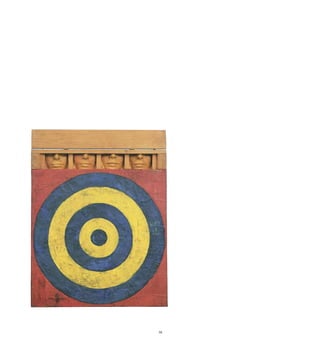
de Flags (Banderas) y Targets (Dianas).
En la misma época conoce a Cy Twombly (nacido en 1929), a Frank Stella (nacido en 1936) y a muchos otros artistas
neoyorquinos como John Cage (1912-1992), compositor y poeta, y Merce Cunningham (1919-2009), coreógrafo,
para quien más tarde realizará un decorado, y de quienes durante toda su vida seguirá siendo un amigo incondicional.


                                                      29
Paralelamente, Johns dibuja mucho, realiza sus primeras litografías y, a partir de 1955, decide partir de “un punto
cero del vocabulario formal”. De este año data Tango, un cuadro de un azul intenso, con sutiles matices de colores, en
el que los collages mezclados con el encausto dan origen a una multitud de letras dominadas por el título de la obra.
En 1957, conoce a Leo Castelli (1907-1999), verdadero apóstol del arte en el microcosmos neoyorquino, y a su
primera esposa Ileana Sonnabend (1914-2007), que lo expondrá en 1965 en París.
El marchante, que entonces trabajaba con Sidney Janis (1896-1990), organizó su primera exposición individual para
inaugurar la galería que abrió en enero del año siguiente en Nueva York.
Este acontecimiento marcaba, al mismo tiempo, los inicios de dos impresionantes carreras y de una muy fiel
colaboración. El marchante triestino, que había tenido que abandonar su galería de la Place Vendôme de París,
emigró en 1941 y se instaló en Nueva York. Allí reinará durante más de cuarenta años en el arte contemporáneo,
hasta el punto de cambiar las reglas. Adelantándose a las vanguardias, haciendo descubrir y apreciar el arte a muchos
americanos y formando generaciones de coleccionistas, legitimó a los artistas transformando su estatus y aseguró de
esta manera una cierta hegemonía del arte del nuevo continente en la escena internacional.
Entonces, Jasper Johns expuso en Castelli sus primeros cuadros a la cera que representaban banderas, dianas, cifras y
letras que surgen a partir de 1955 en su vocabulario plástico, elementos de la cultura popular, tanto abstractos como
figurativos, que se convierten, mediante su transposición y su expresión gestual, en una especie de ready-made.
Al utilizar el encausto, retomando así un antiguo procedimiento que, a pesar de tener el defecto de que seca muy rápidamente
permite arrepentimientos, el pintor, al jugar con las transparencias del material, da profundidad a unas imágenes planas.


                                                                30
Con ocasión de la inauguración de la exposición, Alfred Barr, el director del MoMA, adquiere Green Target (Diana
verde) y Target with Plaster Casts (Diana con moldes de yeso) para el museo neoyorquino. La originalidad de la obra,
en la que se interroga sobre la función propia de la pintura, recibe la crítica “de unas formas abstractas, a las que el
uso ha otorgado un sentido pero que hoy, desplazadas a un nuevo contexto, pierden su función social”, señalaba el
historiador de arte Max Kozloff.
Unas imágenes convencionales y procedentes de lugares comunes, “cosas que el espíritu ya conoce”, que Laurence
Lehoux calificaba de “despersonalizadas, devaluadas, de manera que no arrastran tras de sí el cadáver paterno de
ninguna cultura, reproduciendo, con gran cuidado, el objeto realizado a mano”. En la nota que dedicó al artista para el
Dictionnaire Bénézit, precisaba: “Impone a esos lugares comunes de la visión, escogidos en tanto que constituyen una
‘plena disponibilidad de la visión’, un tratamiento refinado que recrea, a partir de un vocabulario plástico inexistente,
las posibilidades mismas de la expresividad, manejando sutilmente los colores a la cera, buscando suntuosos mosaicos
de los grises más finos”.
A los 28 años, Johns aparece en la portada de Art News y su obra, diferente de la producción artística de la época,
obtiene rápidamente un reconocimiento internacional.
También en 1957, conocerá a Tatyana Auguschewitsch-Grosman (1904-1982) quien, después de haber tomado el
camino del exilio, se instaló en Nueva York donde creará, tras muchas vicisitudes, la ULAE (Universal Limited Art
Edition). En ella editará a los artistas más importantes de los años sesenta, asociándolos a menudo con escritores
y poetas. Gracias a las técnicas del grabado, democratizará a toda una generación de pintores, como Larry Rivers


                                                        31
(1923-2002), Sam Francis (1923-1994), Rauschenberg o Johns, y contribuirá a la reputación internacional del arte
americano y especialmente a su tercera generación de creadores.
En 1958, y después en 1959, Cage y Cunnigham hacen que se encuentre con Marcel Duchamp (1887-1968), de quien
André Breton decía: “Nuestro amigo Marcel Duchamp, es con toda seguridad, el hombre más inteligente y (con
mucho) el más molesto de la primera mitad del siglo veinte”.
Hay que precisar que Duchamp, al firmar objetos manufacturados, había revolucionado los códigos de la creación y
de la comercialización del arte. El artista francés ejercía una verdadera fascinación sobre el joven pintor americano,
lo cual le llevará a hacer también ready-made.
Así nacerán, a partir de entonces, bronces pintados, procedentes de formas vulgarizadas, brutalmente mostrados, series
de esculturas que ponen en situación objetos ordinarios, bombillas eléctricas o latas de cerveza, realidades infinitamente
reproducibles: “Son cosas que nuestro espíritu ya conoce. Esto me da la libertad de trabajar a otros niveles”.
El año 1958 marcará también un reconocimiento oficial, ya que recibe el premio Carnegie de la Pittsburg International.
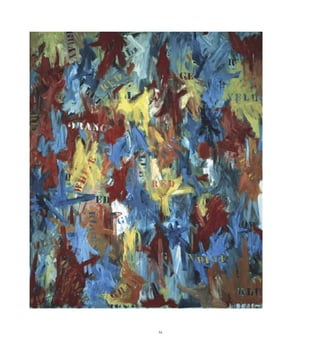
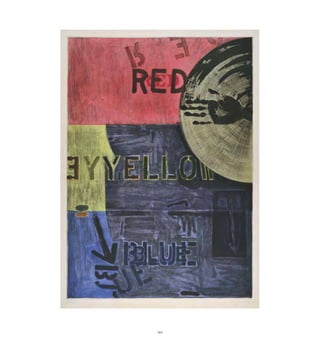
A partir de 1959, pinta una serie de cuadros abstractos en los que integra letras trazadas con plantilla, como en
False Start (Falsa salida), Highway (Autopista), o Shade (Somabra). Letras que se imponen en el espacio del cuadro,
colores primarios, azul, amarillo y rojo –“el color, ese himno complicado”, decía Baudelaire– que aparecen, con su
denominación en caracteres de imprenta y adquieren una importancia mayor, asociados a zonas lisas abstractas. “La
idea es diseminar los nombres de los colores sobre el lienzo más o menos a la misma escala; así pues, el lienzo reunirá
todos los colores, pero por sus nombres, más que en el nivel de las sensaciones visuales”.


                                                              32
A partir de 1961, aparecen los primeros Map (Mapa) cartas geográficas de los Estados Unidos, una especie de mosaicos
monocromos en los que las divisiones políticas están indicadas en abreviaturas mediante letras hechas con plantilla.
Como reacción contra la abstracción lírica y el expresionismo abstracto, que entonces conoce un eclipse progresivo, de
Mark Rothko (1903-1970), de Willem de Kooning (1904-1997) o de Jackson Pollock (1912-1956), la obra se impone
inmediatamente y le otorga un lugar aparte en el arte contemporáneo. Investigador infatigable, Johns encuentra su
inspiración en la historia del arte y se ha podido escribir de él que “mira hacia atrás sin dejar de avanzar”; pragmático
hasta el más alto grado, registra el pasado y persigue el presente, sin detenerse en las elecciones superadas. Algunas de
sus obras, oscilando entre figuración y abstracción, deben ser consideradas como recuerdos, una especie de inventarios
de una producción anterior. Recuerdos iconográficos en los que los temas se entrecruzan lógicamente, pero también
reminiscencias –una especie de impresiones fugitivas– que sugieren pasajes autobiográficos, composiciones a
partir de imágenes de antaño. Trabajos que desencadenan recuerdos, el pintor ataca entonces sus contradicciones y,
registrando el pasado, persigue el presente: “mi obra se alimenta de sí misma”.
Es entonces cuando en sus pinturas abstractas integra imágenes, objetos bidimensionales y familiares que pertenecen
al mundo real, en un proceso de apropiación de la realidad cotidiana. Este será el caso de Device (Dispositivo) o de
Thermometer (Termómetro), cuando ponga como encabezamiento y dé una significación a viejos objetos pertenecientes
a la vida doméstica: plato, taza, cubiertos; instrumentos de iluminación, linterna o bombillas; instumentos de limpieza
como la escoba o el simple grifo; de almacenamiento, la percha, así como otros objetos que rigen la vida pictórica, es
decir, todo el instrumental del pintor: lienzos, bastidores y marcos, regla, pinceles y bote de pintura…


                                                        33
“Mi utilización de los objetos surge de la idea de que una pintura es un objeto y del hecho de que he tenido en cuenta el
carácter materialista de la pintura: viendo que la pintura es color sobre un lienzo y considerando a continuación, por
extensión, que ocupa un espacio y que está colgada en una pared, y preguntándome, finalmente, si estos elementos
parecían necesarios para lo que estaba haciendo”.
Establece así nuevas relaciones entre la cotidianidad de la sociedad de consumo y el espacio ficticio de la pintura.
Johns utiliza la tercera dimensión jugando con el papier mâché, el yeso, el vidrio, el bronce, y realiza series de objetos
ordinarios que están en el origen de las bombillas y de las lámparas eléctricas o de los embalajes de la cerveza Ballantine,
con el fin de poner de manifiesto su banalidad en nuestro entorno. En su producción, utiliza una imaginería surgida
de los lugares comunes, “de cosas que el espíritu ya conoce”.
La elección de los objetos, que forman parte de “todos los días” y reflejan un mundo humano sin gran relieve, así
como la disociación efectuada entre pintura y expresión personal, anunciaron el advenimiento del pop art al mismo
tiempo que el eclipse progresivo del expresionismo abstracto.
En su pintura, Johns reintroduce la figuración mediante signos y símbolos: banderas, mapas, dianas, aparecen y
ponen en evidencia las ambigüedades, las paradojas de la pintura en general y del autor en particular. Las cifras y las
banderas se convertían en símbolos universales, liberados de todo contexto personal.
A lo largo del tiempo, la obra se enriquecerá con descubrimientos y experiencias frecuentemente inesperados, declina el
procedimiento del collage, hace intervenir objetos sorprendentes, modela momentos del cuerpo y utiliza huellas corporales,
jugando con las formas, con los trazos y con las incisiones y, olvidando voluntariamente el tema, nos interroga.


                                                                34
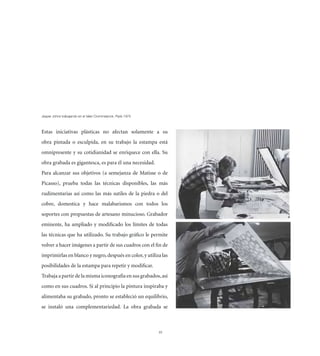
1HZWLY 1VOUZ [YHIHQHUKV LU LS [HSSLY *YVTTLS`UJR 7HYxZ  


Estas iniciativas plásticas no afectan solamente a su
obra pintada o esculpida, en su trabajo la estampa está
omnipresente y su cotidianidad se enriquece con ella. Su
obra grabada es gigantesca, es para él una necesidad.
Para alcanzar sus objetivos (a semejanza de Matisse o de
Picasso), prueba todas las técnicas disponibles, las más
rudimentarias así como las más sutiles de la piedra o del
cobre, domestica y hace malabarismos con todos los
soportes con propuestas de artesano minucioso. Grabador
eminente, ha ampliado y modificado los límites de todas
las técnicas que ha utilizado. Su trabajo gráfico le permite
volver a hacer imágenes a partir de sus cuadros con el fin de
imprimirlas en blanco y negro, después en color, y utiliza las
posibilidades de la estampa para repetir y modificar.
Trabaja a partir de la misma iconografía en sus grabados, así
como en sus cuadros. Si al principio la pintura inspiraba y
alimentaba su grabado, pronto se estableció un equilibrio,
se instaló una complementariedad. La obra grabada se


                                                               35
nutrió de la pintura, retomando temas familiares, pero a veces llegamos a preguntarnos si no ocurre lo contrario.
“La estampa permite satisfacer toda la curiosidad del artista. Y ello nutre la pintura: los elementos necesarios en la
estampa se vuelven interesantes en sí y son después utilizados en la pintura como ideas. En este sentido, mi trabajo
de estampa ha influenciado ampliamente a mi pintura”.
Los grabados de Jasper Johns no se limitan a seguir la evolución de sus pinturas, amplifican sus imágenes, elaboran
metáforas, y aportan incluso significaciones.
Johns crea una nueva manera de pintar cuando juega, en la serigrafía, con superposiciones, collages de periódicos
recortados y cuando sobreimpresiona sobre las pantallas de seda, imprimiendo y manteniéndose fiel a una lógica
rigurosa en sus composiciones.
En cambio, sus pinturas, al reflejar las imágenes de espejos, al incorporar repeticiones apenas discernibles, muestran
la influencia de las estampas.
En 1988 recibe el gran premio de la Biennale di Venezia, donde presentaba los cuatro paneles dedicados a las estaciones.
Artista completo por la heterogeneidad de sus medios de expresión, Johns lo es por la misma razón que algunos de
sus predecesores, muchos de los cuales son para él referencias, de Cézanne a Picasso, de Matisse a Duchamp. Posee
intuición y técnica, creatividad y cultura. Auténtico, vive el presente, sin renegar del pasado. En este sentido, se parece
al retrato robot que trazaba Pierre-Joseph Proudhon, otro autodidacta, anarquista y sociólogo en su época, quien
escribía hace más de siglo y medio: “el artista completo[…] no puede ser actualmente un clásico ni un romántico ni
un hombre de Grecia, del Renacimiento o de la Edad Media. Es aquel que, sabiendo combinar todos los elementos,


                                                               36
todos los datos del arte, todas las concepciones del ideal, superior a la tradición, sabrá mejor que nadie ser de su
tiempo y de su país”.
Es evidente que la obra de Jasper Johns ha representado un papel determinante en el nacimiento del pop art, pero
teniendo en cuenta la complejidad de su obra, también está en el origen de otras innovaciones artísticas, y numerosos
artistas saben cuánto le deben…
Siempre será uno de los principales actores de la explosión artística de los años sesenta y setenta.
A los ochenta años, el pintor continúa siguiendo su camino. Trabajador infatigable, cada día se cuestiona y podría
hacer suya esta reflexión de Eugène Delacroix en su diario, escrita el 1 de marzo de 1859: “Ser atrevido, cuando se
tiene un pasado que comprometer, es el mayor signo de la fuerza”.


                                                             3
Para hablar de una obra que ha mostrado tan bien que pintar era escribir con colores o con valores, tintas, había que
mostrar que escribir, es dibujar con palabras.                                                            Michel Butor


Esta exposición dedicada a Jasper Johns, si bien muestra obras diversas que van de 1954 hasta hoy, utilizando técnicas
diferentes, no obstante, tiene la intención de poner particularmente de relieve esos signos, cifras y letras, que, en la
base de una comunicación no verbal, aparecen de manera muy regular en su obra, tanto en la pintura como en el


                                                        37
grabado y en la escultura. Y, si consideramos que esto perdura desde hace unos cincuenta años, esta presentación
tiene por ello obligatoriamente un carácter retrospectivo.
Si el principio de incorporar signos de lectura en una realización plástica no le pertenece exclusivamente, es innegable
que en Jasper Johns esta simbología no tiene, como en otros artistas, un carácter ocasional. Hay que recordar que
el alfabeto existe desde el siglo XI a.C.: la escritura alfabética se constituyó en Mesopotamia entre los siglos XVIII y XIV
a.C. Los fenicios disponían entonces de 22 letras que estaban en la base de una comunicación escrita y este conjunto
de grafismos, dispuestos en un orden convencional, servía así para traducir los sonidos de una lengua.
Por no citar más que algunas referencias, hace un siglo, Georges Braque, Pablo Picasso, Juan Gris, y más tarde,
Fernand Léger, entre otros, integraron letras, palabras, cifras, en sus collages, en sus pinturas. El sistema de la plantilla
es practicado por los cubistas desde 1912 y, a partir de 1916, con los collages y los ensamblajes (fotomontajes) es
constante en la producción dadaísta. Permitía a quienes lo utilizaban pintar un elemento preciso, que eventualmente
podía ser repetitivo.
En esta época, aparecían tipografías, palabras, en los trabajos de Hannah Höch (1889-1978), de Raoul Hausmann
(1886-1971), de Schwitters, de László Moholy-Nagy (1895-1946), por citar solamente algunos casos.
Poco después, en los años veinte, los rusos, fueran pintores o poetas –a menudo las dos cosas al mismo tiempo–
futuristas, constructivistas, suprematistas, pienso en Olga Vladimirovna Rozanova (1886-1918), Nikolai Suetin
(1897-1954), El Lissitzky (1890-1941), Vladimir Maiakovsky (1893-1930) o Varvara Stepanova (1894-1958), así
como los futuristas italianos, entre 1904 y 1920, Angelo Rognoni (1896-1957), etc., utilizan el mismo procedimiento.


                                                                38
En Francia, en París, Robert Delaunay (1885-1941) utiliza los signos del alfabeto, así como su esposa Sonia (1885-
1979) y realizaron trabajos en común, en 1913, con el escritor Blaise Cendrars o con el poeta chileno Vicente Huidobro
(1893-1943), en los años veinte.
En Alemania, Max Beckmann (1884-1950), así como otros artistas que a menudo se expresaron ante el auge del
fascismo, mezclaron pintura y texto.
Los Surrealistas no serán menos, a imagen de Georges Hugnet (1906-1974), en La septième face du dé, en 1936, obra
cuya portada fue creada por Marcel Duchamp.
Desde estas épocas, las huellas de la escritura proliferan en las obras pintadas, son incontables los artistas que integran
signos legibles figurativos en sus trabajos: en los Estados Unidos, el conceptual John Baldessari (nacido en 1931);
Robert Barry (nacido en 1936) en sus instalaciones; en Italia, Guido Biasi (1933-1984); el superviviente Pop, Robert
Indiana (nacido en 1928), que produce y amontona bloques de alfabeto como otros legos, también explotaron los
grafismos de comunicación.
Estos no son más que algunos ejemplos, pero en la mayor parte de estos creadores la presencia de símbolos tipográficos
fue como mínimo efímera.
No es el caso de Johns que, puntualmente desde hace más de medio siglo, utiliza cifras y letras de imprenta en un
método de trabajo basado en la repetición. Temas de trabajo que se repiten en sus diferentes medios de expresión
confirman en él la importancia del desarrollo continuo de los registros temáticos. El artista decide interesarse
únicamente por las cifras (en series repetitivas) que se convierten en el tema del cuadro (como en el caso de Gray


                                                         39
Numbers [Números grises], de 1958) o solamente por letras aisladas, como la R y la Y de Watchman, de 1964, o en las
litografías realizadas en 1968. Así, retoma periódicamente desde 1955 la utilización de números.
El uso de la plantilla aporta otra lectura cuando se trata de marcar diferencias (Highway, de 1959) o de poner en
evidencia unas líneas de partición, como en el caso de las pinturas tituladas Map, de los años 1962-63 y de 1967-71;
aporta una referencia a una clasificación y encierra la obra en un proceso de comunicación.
Es el caso de Montez Singing (Montez cantando), de 1989, o cuando Jasper Johns la utiliza para firmar su obra, como
por ejemplo en Untitled (Sin título), de 1990, o en Untitled, de 1992-95.
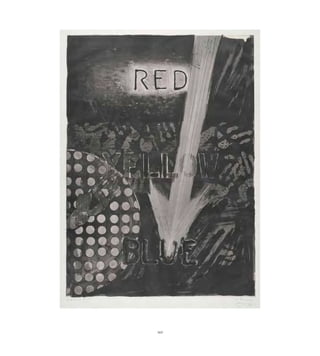
La letra, cuando está dibujada con mano sensual por el pintor, es más libre y se incorpora plenamente en la gestación
de la obra. Es el caso de Passage II (Pasillo II), de 1966; de Untitled (Red, Yellow, Blue) (Sin título [Rojo, amarillo,
azul]), de 1984, así como de Decoy (Señuelo), de 1971.
Un título que el pintor utilizará en diversas ocasiones con técnicas diferentes y que es el de un poema de John
Ashbery, escrito en 1975. Su autor, nacido en 1927, considerado como el principal representante de la poesía de la
Escuela de Nueva York, obtuvo el premio Pulitzer por Self-Portrait in a Convex Mirror.
Otras veces, en las pinturas de Johns, así como en sus grabados, surgen evocaciones literarias y atribuye entonces a
sus trabajos los de los poemas que el gran público reconoce. Este es el caso de Francis Russell O’Hara (1926-1966), a
quien sus amigos de la Escuela de Nueva York calificaban como el “Guillaume Apollinaire americano”. Frank O’Hara,
que fue conservador del museo de arte moderno de Nueva York, dejó tras de sí una obra poética de lenguaje nuevo,
lleno de energía, al mismo tiempo ligero y grave, divertido y melancólico.


                                                              40
De Hart Crane (1899-1932), el pintor tomará el título de Periscope; en otro lugar, hace referencia a Melville y a Moby Dick.
Su obra menciona también referencias precisas e intencionales a obras plásticas, en algunos casos, evidentes. Si las
imágenes de La Gioconda aparecen como un guiño a Marcel Duchamp, son signos de complicidad pero también de
una especie de reconocimiento hacia un respetado predecesor.
Otras referencias encuentran su origen en las imágenes extraídas de Matthias Grünewald (1475-1528). En este
sentido, hay que resaltar la atracción extraordinaria que el retablo de Isenheim ejerció sobre numerosos pintores,
desde los realistas alemanes como Beckmann u Otto Dix, y más tarde sobre Max Ernst, así como sobre el español
Picasso o el inglés Francis Bacon.
Todos fueron “sacudidos” por esta dramaturgia infernal y sorprendente al mismo tiempo. También Johns sintió la
fascinación hacia el famoso tríptico del Musée d’Unterlinden. El pintor americano, impresionado por ese realismo
llevado al extremo, hizo en dos ocasiones la “peregrinación de Colmar”; la primera vez fue en 1975, después volvió,
en 1979, en compañía de Teeny Duchamp.
En su trabajo se encuentran también alusiones a Cézanne (Tête de mort), a Munch (el autorretrato), así como la
más sorprendente a las cerámicas del excéntrico George Ohr (1857-1918). Hijo de inmigrantes alemanes y que, en
su tiempo, revolucionó el arte del fuego.
En la exposición que le dedica el IVAM, la mayor parte de las obras presentadas están relacionadas con la aportación de
estos grafismos evocados. “Las letras bailan, se superponen, rivalizan con los objetos, pero los objetos mismos entran
en el baile, empezando por los objetos de letras: carteles, diarios y libros”, escribía Michel Butor en su introducción
a la exposición del Centre Pompidou.


                                                          41
Si se establece una lista cronológica de las piezas expuestas en este homenaje, la más antigua se remonta a 1954 y
procede de la colección Sonnabend.
Es bien sabido cómo se apasionaron Ileana y Leo Castelli, en su tiempo, por el trabajo de Jasper Johns.
Por su parte, el artista, con sus préstamos, nos permite descubrir una escultura muy reciente, la mayor de sus
realizaciones en tres dimensiones; en ella, sobre el metal, retoma una vez más las escrituras que le son tan apreciadas.
En los aguafuertes que se grabaron en el año 1975 en el estudio Crommelynck, en París, así como en las litografías
recientes producidas por la ULAE de Nueva York, treinta años más tarde, se advierte la perennidad de sus
investigaciones.
A través de esta exposición se podrá descubrir una nota sentimental, que se explica por la presencia de pinturas,
dibujos, grabados, de préstamos facilitados por coleccionistas, autorizados por las instituciones. Piezas que tienen
un gran valor para Jasper Johns y que representan momentos de su memoria.
Las obras procedentes de la sucesión de Leo Castelli –por su hijo Jean-Christophe y su viuda Barbara Bertozzi–; de la
colección Sonnabend; de la Robert Rauschenberg Foundation; de Jacqueline Monnier-Matisse, que se acuerda con
emoción de Jasper Johns cuando colgó la tinta sobre plástico que aquí se presenta, en el techo de la habitación donde
Teeny, su madre (esposa de Duchamp), permanecía postrada en el lecho; las estampas puestas a nuestra disposición
por la hija de Tatyana Grosman, así como las que proceden del fondo Piero Crommelynck, son también, estoy
convencida de ello, piezas muy queridas por el pintor, pues dan fe del pasado y de la amistad, referencias obligadas
en una obra tan rica y densa. Ciertamente, este debe también ser el caso de las piezas prestadas para este homenaje


                                                              42
por coleccionistas íntimos del pintor y que se muestran junto a otras obras procedentes de museos o de instituciones
de ambos lados del Atlántico.
Una vitrina permite descubrir el libro Foirades/Fizzles, nacido de la complicidad del pintor con Samuel Beckett.
“Obra magnífica en la que la dislocación de los cuerpos acompañaba admirablemente a la del texto y su lamento”,
diría la crítica cuando se publicó el libro. En él, con 33 grabados, el pintor americano “musica” vigorosamente
unos textos breves del premio Nobel, escritos en un lenguaje depurado, que va más allá de las palabras. Para ello, el
grabador utiliza toda su sensibilidad y se expresa con una gran riqueza de grises, utilizando los recursos del ácido y
del cobre para traducir sus emociones.


                                                            4
Quien mira el cuadro rehace el mismo camino que el pintor                                            Georges Braque


Georges Raillard volvía a plantear la pregunta una vez más, en 1978: “Pero ¿qué hacer hoy con esas banderas, con
esas dianas, con esas latas de cerveza y con esas bombillas vaciadas en bronce, con esos alfabetos y con esos espacios
de cifras, con esos decímetros y esas escobas, con esos fragmentos de miembros modelados en cera, con esas palabras
escritas sobre el lienzo, en resumen, qué hacer con la obra de Jasper Johns? Dos recursos fáciles, opuestos solamente
en apariencia: mirar muy de lejos o muy de cerca. De lejos, significa adoptar sobre la obra el punto de vista de la


                                                       43
:HTLS )LJRL[[ ` 1HZWLY 1VOUZ   -V[VNYHMxH! 9VILY[ +VPZULH  9VILY[ +VPZULH9HWOV.HTTH 9HWOV


                                                                                 44
historia, recordar las disputas de denominación: neo-dadaísmo, nuevo realismo… evaluar, con la ayuda de golpes
de memoria cuando ya no se tienen veinte años, cómo, hace ya veinte años, fue retomado, difractado, retrabajado, el
legado desdeñado a medias de Duchamp o de Schwitters. De cerca, significa omitir el objeto hace tiempo provocador,
pero actualmente clasificado, y notar los signos de aciertos de pintar como se habla de aciertos de escritura: lo cual
significa, paradójicamente, reintegrar la obra en el campo tranquilizador de la ‘pintura pura’ sobre la cual Duchamp
–a quien Johns conoce en 1959– hizo pesar una sospecha bien conocida”.
Rechazando los límites del arte, pone en su obra sus raíces, las de la humanidad, sus conocimientos y su gusto por
el pasado. Retomando la reflexión de un historiador del arte, hay “entre los últimos pintores americanos quien
conserva un perfume de vieja Europa”.
Hoy cubierto de gloria y de honores, Jasper Johns es reconocido como una incontestable y emblemática figura del arte.
Ocupará en la historia del arte un lugar inamovible, no solo por la riqueza de su obra, que ha representado un papel
determinante para el nacimiento del pop art y sus consecuencias, sino también por su riqueza y su contenido, que
están en el origen de otras numerosas innovaciones del terreno de las artes plásticas. Una obra que ha desarticulado
todo un sistema pictórico y cuya herencia perdurará.
Si consideramos que la aparición de Johns en el terreno artístico significó, de manera incontestable un hito en el
arte americano, es asimismo evidente que la riqueza de sus investigaciones tuvo un efecto catalizador sobre muchos.
Su marchante, Castelli, consideraba que el pintor, heredero del expresionismo abstracto, había acabado con este
movimiento.


                                                       45
1HZWLY 1VOUZ ` 4HY[PUL :VYPH LU LS LZ[KPV KLS HY[PZ[H LU *VUULJ[PJ[   -V[VNYHMxH! (KYPHU 9VZLUMLSK


Después, dejando a otros el frío rigor del pop art, muy pronto y muy joven, se dio cuenta de que para ser un artista
completo hay que saber combinar todos los elementos, todos los datos del arte, todas las concepciones del ideal, ser
superior a la tradición, además de ser de su tiempo y de un país que no conoce fronteras.
Considerado el promotor del neo-dadaísmo es, no obstante, inclasificable. Por su propia creatividad y por esa especie
de perfeccionismo que hace de él un extraordinario artesano, Jasper Johns no deja de interrogarse sobre la función de
la pintura, el papel intermediario de un producto que cuestiona y afecta a la sensibilidad del espectador. Podría hacer
suya esta reflexión de Delacroix, que escribía con fecha de 25 de enero de 1857: “La fuente principal del interés procede
del alma y conduce al alma del espectador de una manera irresistible: no es que toda obra interesante impresione
igualmente a todos los espectadores, porque se supone que cada cual tiene su alma; ¿no se puede conmover más que
a un sujeto dotado de sensibilidad y de imaginación? Ambas facultades son tan indispensables para el espectador
como para el artista, si bien en una medida diferente…”
Y señalemos además, otra expresión del pintor romántico: “Hay en la aurora del talento algo de ingenuo y atrevido
al mismo tiempo que recuerda las gracias de la infancia, así como su feliz despreocupación por las convenciones que
rigen a los hombres adultos. Es lo que hace más sorprendente la audacia que despliegan en una época avanzada de
su carrera los maestros ilustres…”
Para penetrar convenientemente en la obra de Johns y tratar de comprenderla, es inútil buscar un hilo de Ariadna,
todos los ingredientes que la componen están retenidos en una misma red o, si se quiere, en una especie de
inmensa tela de araña que recoge sus angustias y sus cuestionamientos, sus problemas existenciales, sus alegrías


                                                                    46
y sus éxitos, sus recuerdos, las huellas de los amigos desaparecidos, las heridas del alma, sus gritos contra las
injusticias y su posición contestataria, los arcanos de la creación, sus etapas y sus paradojas. Y podemos afirmar,
sin temor a equivocarnos, que en su proceso de creación, el artista, como un arácnido, busca en este fondo las
herramientas de su PERPETUO RENACIMIENTO.


Referencias bibliográficas:
DORLÉAC, L.; GRANJONC, J.: Des peintres au Camp des Milles – septembre 1939-été 1941. Actes Sud, Aix-en-Provence 1997.
BÉPOIX, M.: Varian Fry. Marseille 1940-1941 et les candidats à l’exil. Actes Sud, Aix-en-Provence 1999 (Galerie du Conseil général des Bouches du Rhône. 12 enero-11
abril)
Varian Fry. Marseille 1940-1941 et les candidats à l’exil. Actes Sud, 2000 (Mona Bismarck Foundation, París. 14 abril-3 junio)
DELACROIX, E.: Journal. 1822-1863. Le Monde en 10/18. Union Générale d’éditions, 1963.
FRY, V.: Surrender on Demand, Random House, 1945.
GOLD, M.J.: Marseille, année 40. Phébus éditeur. París 2001.
GUILBAUT, S.: Comment New York vola l’idée d’art moderne. Jacqueline Chambon, Nimes 1983.
LÉVI-STRAUSS, C.: Tristes tropiques. Plon, París 1955.
PROUDHON, P.J.: Du principe de l’art et de sa destination sociale.
VALLIER, D.: L’art abstrait. 1964-1966. Hachette, París.


                                                                               47
48
+HUPLS (IHKPL                          1(:7,9 16/5:
                                                ,3 (9;, @ 3( 4(5,9(


Existen palabras devastadoras. La de pop’art, que Laurence Alloway inventó en 1958, es una de ellas. Porque anunciaba
el retorno de lo real en un mundo del arte entonces sumergido en lo Sublime de los expresionistas abstractos, porque
en 1962 –mientras tanto se había vuelto familiar-- convenía tan perfectamente a la aparición de nuevos artistas como
Andy Warhol o Roy Lichtenstein, cuyo trabajo partía de una realidad cotidiana mediatizada –cómics o etiquetas
de conservas del supermercado—que no tardaron en reunir bajo esta palabra todo cuanto proponía una imagen
inmediatamente reconocible, poniendo en el mismo saco los indigestos pasteles de Wayne Thiebaud, las notas
amorosas de Robert Indiana o las banderas americanas de Jaspers Johns.
Si bien Lawrene Alloway calibró inmediatamente la magnitud de la confusión, subrayando que el término “pop’art”
se aplicaba “al uso que excelentes artistas hacían de las fuentes populares del arte”, incluyendo entre otras a los
medios de comunicación del gran público y no, tras la palabra “popular”, a ninguna tentativa de arte naif, tanto la
crítica como el público no tardaron en considerar que la imagen hacía el cuadro, cuando el más influyente pensador
de la época no dejaba de recordar que “The medium is the message, the message is the massage.”
Esta primera ambigüedad marca la lectura de la obra de Jasper Johns. La adquisición por parte de Alfred Barr en
1958 para The Museum of Modern Art del cuadro Flag (1954-1955) con motivo de la primera exposición del pintor
en la Leo Castelli Gallery así lo demuestra. Los coleccionistas, la prensa, el gran público no dejaron de ver en esta
pintura un icono de la American way of life cuando el sutil fundador del MoMA había percibido inmediatamente

-SHN HIV]L OP[L ^P[O *VSSHNL    ,UJmZ[PJH ` JVSSHNL ZVIYL SPLUaV  _  JT kMMLU[SPJOL 2UZ[ZHTTSUN )HZLS 2UZ[TZLT
+VUHJP}U KLS HY[PZ[H LU TLTVYPH KL *OYPZ[PHU .LLSOHHY -V[VNYHMxH! 4HY[PU )OSLY 2UZ[TZLT )HZLS *VY[LZxH ,Z[KPV 1HZWLY 1VOUZ


                                                                              49
su doble dimensión: la crítica respecto a la abstracción que defendía entonces Clement Greenberg y la invención
pictórica que recuperaba el antiguo y lento procedimiento de la pintura a la cera para ofrecer la imagen inédita y
desfasada del objeto más inmediatamente reconocible para cualquier americano.
Esta distancia que impone, desde su origen, la obra de Jasper Johns entre pintura y representación no dejará de
habitar el trabajo del pintor. Así, dianas y banderas desarrollarán paralelamente reflexiones comunes. Realizadas
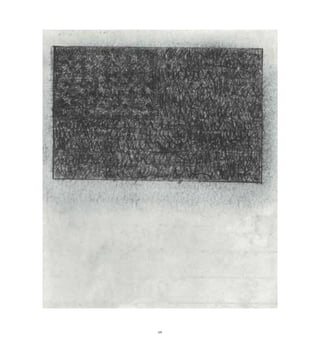
en las dimensiones exactas de una clásica bandera de tela, la obra (1954-1955) de Johns puede también describirse
como la alternancia de trece bandas rojas y blancas con un rectángulo azul provisto de las 48 estrellas blancas
entonces en vigor en el ángulo superior izquierdo. Asimismo, reconocemos las dianas por su superposición de discos
concéntricos y ni la imagen ni el título dejan ninguna duda al respecto.
Sin embargo, la bandera no flota al viento y la diana no responde a las expectativas de un tirador. Hay en los primeros
trabajos de Johns una imperfección fundadora voluntaria que, por diferentes medios, permite medir las distancias
entre el objeto, lo que lo nombra, los medios de su representación y la imagen mental a la que se refiere. En este
campo semiótico explorado en parte por Magritte – desde las diferentes versiones del célebre Ceci n’est pas une pipe
(Esto no es una pipa) a La clé des songes (La llave de los sueños, que pertenece a Jasper Johns y en el cual las palabras
que figuran bajo la imagen no se corresponden con esta: The door bajo un caballo; The wind bajo un reloj; The bird
bajo una jarra. Solo la imagen de una maleta está subtitulada: The valise)—lo que retiene Jasper Johns es encontrar
un límite, el instante crítico en que la significación persiste cuando ya nada la justifica. Como Dalí cuando buscaba
esta Persistencia de la memoria que nos permite ver relojes cuando estos dejan de cumplir su función primera –


                                                              50
objeto metálico que gracias a un movimiento continuo muestra la hora—y se transforman en formas blandas y
chorreantes, Johns busca las situaciones sucesivas en que la imagen, mientras pierde su integridad, continua siendo
percibida como tal. La extraordinaria invención que demuestran los cuadros pintados en los años 1950 sobre el tema
de las banderas y las dianas es su más perfecta demostración y prefigura las investigaciones de artistas conceptuales
como Joseph Kosuth.
Aun cuando el primero de estos cuadros de banderas, pintado en 1954-1955, coincidía en su forma, sus dimensiones,
su dibujo y sus colores con el estandarte que cualquier norteamericano podía comprar en una tienda, nada en su
textura recordaba el tejido brillante, sedoso y liso o el color uniforme que son de recibo en las oriflamas. Lejos de
la intemporalidad y de la universalidad del emblema, muy al contrario, la pintura al encausto –técnica antigua
que se supone que remonta a la antigüedad griega y que los pintores de iconos privilegiaban– con sus empastes,
sus transparencias que permiten ver el soporte de papel de diario, puesto en capas sobre el lienzo, recordaba
simultáneamente la cotidianidad de las noticias impresas perceptibles en algunos lugares, la mano del pintor
extendiendo la cera con el pincel y la inscripción de una obra de un espíritu y un género nuevos en el más antinguo
continuum de la historia de la pintura.
Lo que era implícito –y que Alfred Barr había visto tan bien– en Flag (1954-1955) encontraría desarrollos,
continuaciones y renovaciones en los cuadros que retomaban la misma temática. En 1955, Johns pinta, en una
versión más pequeña, una nueva imagen de bandera. Pero bajo la decimotercera banda, prolonga el cuadro pintando
un largo rectángulo blanco crema, que transforma así la imagen horizontal en un cuadro vertical y pone fin, al


                                                      51
mismo tiempo, a la ambigüedad que había asegurado el éxito de Flag entre el objeto y su representación. Como para
subrayar mejor que la imagen no es más que el soporte del cuadro y no su fin, introduce al borde del cuadro, bajo
las líneas rojas y blancas, una película de fotomatón en la que su rostro repetido afirma la preeminencia del trabajo
del artista.
Del mismo modo que Marcel Duchamp cuando repartía a la entrada de su exposición de Nueva York en Cordier
 Ekstrom una reproducción de la Gioconda bajo la que había escrito “afeitada”, Johns, con Flag above White with
Collage, muestra que la bandera americana es ahora menos un símbolo intocable que un elemento de su vocabulario
pictórico propio. El pintor llevará adelante este cuestionamiento en 1957 al aislar la imagen de la bandera sobre
un amplio fondo de color naranja, disociando definitivamente una posible identificación del objeto pintado y de
su soporte. Pero el punto extremo de este análisis del poder de la imagen será alcanzado en 1955 con White Flag, el
mayor de los cuadros de esta serie (198 x 306 cm.) en el que un mosaico de blancos hace surgir la imagen fantasmal
de una bandera estrellada desposeída de sus colores emblemáticos.
¿En qué momento, aunque desnaturalizado, impone un signo de reconocimiento? Las Dianas, realizadas paralelamente
a las Banderas, plantean también esta cuestión pero con un referente tanto menos evidente cuanto que una parte de
la pintura abstracta de la época, empezando por Kenneth Noland, utiliza precisamente a finales de los años 1950 un
vocabulario de discos concéntricos. Si las Banderas respetaban una parte de los códigos de representación –al menos
los que le valieron con sus trece bandas y sus 48 estrellas el nombre de Stars and Stripes– las Dianas no obedecen a
ninguna regla evidente: las de Johns se componen de cinco bandas circulares y no, como en el caso más frecuente, de


                                                            52
seis, los tres colores primarios (que hacen aquí su aparición y no tardarán en jugar un papel esencial en su trabajo)
no pertenecen a las normas de las dianas de tiro, por no hablar de las versiones monocromas que realiza el pintor
(Green Target, 1955 y White Target, 1958). Aun cuando, con sus plaquetas de maderas móviles, algunas de ellas
evoquen una caseta de tiro de feria, las figuras de Target with Four Faces o los moldes de fragmentos de cuerpos de
Target with Plaster Casts (1955) no están ahí más que para recordar que aquello a lo que apunta Jasper Johns no es
otra cosa que una nueva definición de la pintura y de la escultura.
Así, probablemente por la misma razón, nacieron las cifras y alfabetos. En unas casillas regulares, producto de la
metódica división de la superficie del cuadro, Johns inscribe letras o cifras con plantilla (27 divisiones a lo ancho y a
lo alto para albergar las letras de A a Z, 11 divisiones para las cifras de 0 a 9; la primera casilla de arriba a la izquierda
queda sistemáticamente vacía para permitir, gracias al desfase provocado, una lectura continua del cuadro tanto
en sentido horizontal como vertical) según un desarrollo que es el del alfabeto y el de la progresión aritmética. La
utilización de plantillas industriales de aluminio, habitualmente utilizadas para marcar cajas, suprime toda búsqueda
en la grafía del mismo modo que el desfile alfabético o numérico desafía cualquier noción de discurso y forma otra
suerte de neutralidad visual, un cliché, diferente en la forma pero no en la evidencia de la representación, del que
proponía la imagen del cuadro.
Podría resultar sorprendente que Johns escoja precisamente los elementos del lenguaje, los mismos que permiten
la enunciación del mundo, para subrayar mejor que sus cuadros rechazan todo mensaje manifiesto. Es porque su
evidencia misma, su cotidiana banalidad hace de ellos, como la imagen de la bandera, en el sentido primero del


                                                           53
54
-HSZL :[HY[    ÔSLV ZVIYL SPLUaV  _  JT *VSLJJP}U WHY[PJSHY -V[VNYHMxH! 1HTPL :[RLUILYN 0SSPUVPZ *VY[LZxH ,Z[KPV 1HZWLY 1VOUZ


término, lugares comunes: nada en ellos del ego del artista, de la preocupación por transmitir e imponer al público, en
el menor trazo del pincel, su mundo interior y sus emociones, como habían hecho en la década anterior los artistas
expresionistas abstractos. En vista de sus lugares comunes, por el contrario, Johns podría recoger la declaración de
Karlheinz Stockhausen a propósito de Hymnen: “Cuanto más evidente es el qué, más atento se estará al cómo.”
Efectivamente, el cómo es el objeto de todas las reflexiones del pintor. Si no es sorprendente descubrir, como en el
caso de Flag, versiones fantasmas de las dos series también pintadas en un mosaico de blancos, lo que determina
el trabajo del pintor en los años siguientes la introducción del color, ya no por zonas, como en las Targets, sino en
capas libres de rojo, de azul y de amarillo, como hubiera podido pintarlas la generación precedente. Esta aparente
libertad de la mano, tan antitética con la técnica de la pintura a la cera, es para Johns una nueva manera de jugar con
las trampas: una técnica lenta, exigente, produce una impresión de espontaneidad; en cuanto a la representación de
las cifras con plantilla, su neutralidad formal parece contradicha por un alegre abigarramiento de colores primarios.
El pintor llega incluso a renunciar a aislar cada número en una casilla del casillero inicialmente utilizado: de 0 a 9
pueden yuxtaponerse, superponerse, disolverse hasta la ilegibilidad en el color, cuando este, a su vez, pareciendo
responder a las leyes fundamentales de la mezcla óptica, de pronto puede renunciar al abigarramiento para fundirse
en un juego de grises solo diferenciado por los valores.
Es imposible no ver en este juego de falsas apariencias, de trampas sucesivas gracias a las cuales Johns manifiesta, a
mediados de los años 1950, la distancia entre el pintor y el tema del cuadro (o lo que pasa por tal) cuan próxima está
esta actitud a las posiciones de los escritores del Nouveau Roman y, en particular, de Alain Robbe-Grillet: “Parece


                                                                                 55
que nos encaminamos cada vez más hacia una época de la ficción en la que los problemas de la escritura serán
concebidos lúcidamente por el novelista y en la que las preocupaciones críticas, lejos de esterilizar la creación, por
el contrario, podrán servirle de motor. (…) El libro crea por sí mismo sus propias reglas. Incluso el movimiento
de la escritura debe conducir a menudo a ponerlas en peligro, hacerlas fracasar quizá, y a hacerlas estallar. Lejos de
respetar las reglas inmutables, cada nuevo libro tiende a constituir sus leyes de funcionamiento al mismo tiempo
que a producir su destrucción.”
En forma de díptico, Jasper Johns demuestra magistralmente, en 1959, lo que esto quiere decir: False Start y
Jubilee son dos cuadros cuyas características son semejantes y que ponen en práctica los mismos datos. El primero
pintado con pinceladas nerviosas con tres colores primarios –combinados con algunos acentos de no-colores (como
los denominaba Mondrian) que son el negro, el blanco y el gris y algunas manchas complementarias nacidas de
transparencias y de recubrimientos– emprende, en letras realizadas con plantilla, como una lista de ingredientes,
la enumeración de sus componentes: red, yellow, blue, grey, orange, white, green… Pero lo que podría parecer un
método experimental, la distancia del científico, no tarda en revelarse como una trampa fatal: ¿debemos considerar
que la palabra yellow trazada en azul designa la mancha amarilla sobre la que se inscribe? Pero, qué pensar entonces
de la palabra blue, escrita en letras azules y que destaca sobre un fondo anaranjado: ¿estaría su justificación en el
color de que se compone? La paradoja de red, que se recorta en amarillo sobre un fondo gris prueba que no es así,
hecho que confirma la palabra green que se perfila en azul a caballo en primer lugar sobre un trazo blanco en el que
se afirma y, después, sobre una capa azul en la que se pierde… False Start (Falsa partida), titula simplemente Johns


                                                             56
1IPSLL    ÔSLV ` JVSSHNL ZVIYL SPLUaV  _  JT *VSLJJP}U 4PJOHLS ` 1K` 6]P[a 3VZ ÍUNLSLZ
-V[VNYHMxH! 1HTPL :[RLUILYN 0SSPUVPZ *VY[LZxH ,Z[KPV 1HZWLY 1VOUZ


dando así una ilustración espectacular de las cuestiones planteadas por la lingüística. Como para subrayar que no
hay nada fortuito en su propósito, Jubilee retoma todos los principios de composición de False Start pero esta vez en
un mosaico del gris producido por la mezcla de los tres colores primarios. En lo que parece la paradoja del no-color,
cada término que designa los colores se vuelve justo ya que cada gris, bien esté libremente aplicado como fondo en
el lienzo, o bien superpuesto en letras trazadas con plantilla, contiene una parte de la palabra representada y en el
momento en que la pintura parece más extraña es cuando vemos que resulta la más justa.
Es esta misma capacidad de análisis, esta misma teoría de la distancia lo que a partir de entonces ha permitido a la
obra de Jasper Johns abordar hoy el contenido de la historia del arte –desde Duchamp a Picasso, de De Chirico a
Delaunay– del mismo modo que había estudiado, en los años 1970, los medios de la pintura con obras como Corpse
and Mirror en que la imagen misma, simétricamente reflejada, resultaba diferente según que estuviera pintada a la
cera o al óleo. Enfoques todos que apuntan, como para relativizar también en esto el poder del contenido, a recordar
en primer lugar que la pintura, a imagen de lo que había propuesto McLuhan, constituye lo esencial del mensaje y
que es en su práctica, para todo pintor, donde se sitúa en primer lugar el trabajo y se encuentra finalmente lo real.


                                                                               57
58
3JPHUV *HWYPSL                         1(:7,9 16/5:
                                                   :Ð4)636 @ ,:7,16 +, 5,:;96 ;0,476


En los años cincuenta Robert Rauschenberg y Jasper Johns dan vida en Nueva York al New Dada, un movimiento

que hace revivir, en cierto modo, el espíritu de aquella vanguardia histórica surgida en 1916 en el Cabaret Voltaire de

Zúrich, mérito sobre todo de Tristan Tzara y de Hans Arp.

Pero desde entonces ya han transcurrido treinta y cinco años, el mundo ha sufrido numerosos cambios sociales,

por lo que, si bien la intención de recuperar objetos de desecho para transformarlos en obras de arte –gracias

también al gesto revolucionario de Marcel Duchamp– puede alcanzar el mismo objetivo disonante e incisivo de un

Kurt Schwitters, los resultados documentan una aceleración consumista y, a veces, también un malestar perceptivo

difundido por la nueva realidad puesta en crítica evidencia. En particular Rauschenberg, fiel a esa especie de lema

personal según el cual una obra de arte asemeja principalmente al mundo real si está realizada con los elementos del

mundo real, se sirve de los instrumentos más dispares y provocativos para sus combine paintings: provocativos por

la elección de los objetos y por su colocación en el relato de la obra.

Johns sigue esta línea de manera menos agresiva desde el punto de vista conceptual y compositivo. Él toma “distancia

en relación con el objeto para tratar de captar todas sus ambigüedades y sentidos implícitos. Mientras que los trabajos

de Rauschenberg hablan, son extrovertidos, lanzan continuamente señales, los de Johns son cerrados, concisos,

todos ellos dirigidos hacia el interior, a la exploración de todas las valencias semánticas de cada uno de los objetos y

;HYNL[ ^P[O -VY -HJLZ   ,UJmZ[PJH ZVIYL WHWLS KL WLYP}KPJV ` [LQPKH ZVIYL [LSH JVU  JHILaHZ KL `LZV WPU[HKV KLU[YV KL JHQH KL THKLYH  _  _  JT
5L^ @VYR 4ZLT VM 4VKLYU (Y[ 4V4( +VUV KLP :PNUVYP 9VILY[ * :JSSH 0U]!    +PNP[HS PTHNL ;OL 4ZLT VM 4VKLYU (Y[ 5L^ @VYR:JHSH -SVYLUJL


                                                                              59
7HYTLZHUP 3VYLKHUH! 3»HY[L KLS ZLJVSV 4V]PTLU[P [LVYPL ZJVSL L [LUKLUaL   :RPYH 4PSmU           W 
 *HWYPSL 3JPHUV! ¸0S NHSSLYPZ[H WPƒ MHTVZV KP 5L^ @VYR¹ (Y[L 4VUKHKVYP U¢  HIYPS   4PSmU W 
 3HZ KVZ SH[HZ KL JLY]LaH MLYVU YLHSPaHKHZ WVY 1VOUZ WHYH YLZWVUKLY JVUJYL[HTLU[L H SH WYV]VJHJP}U KL )PSS KL 2VVUPUN ZLN‚U SH JHS 3LV *HZ[LSSP ZLYxH
JHWHa KL ]LUKLY JHSXPLY JVZH
 7VSP -HIYPaPV! (Y[L *VU[LTWVYHULH (UUP *PUXHU[H ,SLJ[H 4PSmU  W 


de las imágenes que nos circundan”.1 En él parece, pues, prevalecer un entendimiento didácticamente más plausible.
Como si quisiera afirmar: éste es nuestro mundo a través de sus símbolos utilizados cotidianamente, si bien de un
modo menos clamoroso.
Su posición podría parecer una postura anti consumista de la imagen de conjunto construida, por ejemplo, por
una escoba, una toalla y una taza que emergen de Fool’s House, de 1962, un trabajo perteneciente a la colección
de Leo Castelli, su descubridor y mentor. En este sentido, el gran galerista de origen triestino que había conocido
casualmente a Jasper algunos meses antes, con ocasión de una visita al estudio de Rauschenberg, recordaba: “Johns
debe ser considerado como el primer artista verdaderamente americano. Ha inventado un nuevo espacio que ha sido
confirmado y desarrollado a continuación por Stella”.2
Castelli había quedado fulgurado por los Targets, los Flag y los Numbers que expondrá en un pase previo el año
1958. Estas pruebas, junto con las esculturas que proponen de nuevo fielmente lo verdadero (es el caso de las latas
de cerveza “Ballatine Ale”, fundidas en el bronce y pintadas al óleo3) y que no se ofrecen como simples ready-made,
influirán –al menos desde el punto de vista de la evidencia expresiva de las imágenes– en los promotores del pop art
que en la articulación de sus composiciones se servirán precisamente de la imagen exaltada de las cosas y de su fuerza
declarativa. En cualquier caso, es necesario subrayar en nuestro autor una peculiaridad importante en relación con
los seguidores del pop: “Johns se identifica con trozos de realidad, los extrapola de su contexto y los congela fuera
del tiempo proponiéndonoslos en toda su inmediatez”.4 Por tanto, a él no le interesa documentar la exaltación del
consumo del tiempo que le concierne de cerca. Y lo declara con decisión: “¡No soy un artista pop! Una vez acuñado


                                                                                  60
:^LUZVU. 9! ¸0U[LY]PZ[H H 1HZWLY 1VOUZ¹ (Y[ 5L^Z U¢  MLIYLYV   5L]H @VYR
 *HZ[LSSP 3LV! 1HZWLY 1VOUZ iKP[PVUZ (ZZVSPUL 7HYxZ     W 
 *YPJO[VU 4PJOHLS! 1HZWLY 1VOUZ /HYY` 5 (KHTZ 5L]H @VYR           W  


un término, se intenta incluir en éste al mayor número posible de pintores, porque existen muy pocos términos en
el mundo del arte. Poner etiquetas es un modo muy común de tratar las cosas…”5
Para obtener sus resultados, hasta de forma táctilmente significativa, el maestro americano se sirve de la técnica
del encausto, utilizada desde la antigüedad y que consiste en extender sobre la superficie de la tela una capa de cera
fundida sobre la que se interviene con el color. Una forma de expresión que había impresionado al mismo Castelli
con motivo de una exposición instalada por Meyer Shapiro algunos meses antes en el Jewish Museum y en donde
aparecía uno de sus cuadros: “Una composición verde, adornada por un curioso dibujo circular y concéntrico,
constituida por una materia que parecía insólita. Más tarde, cuando ya conocía mejor la obra de Johns, supe que se
trataba del encausto, que él utilizaba de un modo que los pintores habían abandonado desde hacía siglos”.6
Pero, ¿cómo llega Johns a formular esa pintura tan revolucionaria? Con un gesto así mismo revolucionario, madurado
en otoño de 1954: destruye todo lo que había hecho hasta ese momento. ¿Y por qué motivo? “He decidido hacer
únicamente lo que yo quería hacer, y no lo que hacían los demás. […] Mi trabajo se convirtió entonces en una
negación constante de lo que sucedía”.7
A esta decisión se añade algo que tiene la semblanza del destino: una noche Johns sueña pintar una gran bandera
americana. Al despertarse, se pone de inmediato a trabajar. De este modo nace de repente la primera Flag, que
emerge a golpes de pincel, amplios, gestuales, como les sucedía a sus colegas dedicados al expresionismo abstracto.
Y la técnica del encausto es, así, enriquecida a continuación por el uso repetido de papel de periódico o de trozos
de tejido para acrecentar una idea palpable de sustancia. La bandera americana se convierte, pues, en un objeto


                                                                            61
)LYUZ[LPU 9VILY[H! ¸:LLPUN H ;OPUN *HU :VTL[PTLZ ;YPNNLY ;OL 4PUK [V 4HRL (UV[OLY ;OPUN¹ LU =HYULKVL 2PYR! 1HZWLY 1VOUZ ( YL[YVZWLJ[P]L ;OL
4ZLT VM 4VKLYU (Y[ 5L]H @VYR   W 
  *YHM[ *H[OLYPUL! 1HZWLY 1VOUZ 7HYRZ[VUL 0U[LYUH[PVUHS 5L]H @VYR   W 


mental, no representativo de algo bien definido: forma y pensamiento se encuentran, se sobreponen no elidiéndose
sino dotando a la imagen de significados sugestivos e inesperados. La bandera se comporta, en definitiva, del mismo
modo que el resto de objetos que, por lo general, son de extracción casual (y en apariencia no conformes con esa
representación), que él y Rauschenberg introducen en sus composiciones. Por dicho motivo, como hemos señalado
al comienzo de nuestra argumentación, “a principios de 1957, la crítica puso de relieve una relación entre los ready-
made de Duchamp y los trabajos de Jasper Johns, que fueron etiquetados como New-Dada. Él se documentó sobre
el dadaísmo y sobre Duchamp en el Museo de Arte de Filadelfia. A principios de 1959, el crítico Nicolas Calas llevó
a Duchamp a ver los trabajos de Johns y de Rauschenberg en sus talleres de Front Street”.8 Así llegó para él y para su
amigo Bob la consagración definitiva por parte de uno de los máximos revolucionarios del arte del siglo XX.
El razonamiento que hemos hecho para las “banderas”, sirve también para los “números” y para las “dianas”, que
constituyen el principal núcleo expresivo y conceptual de este período. “Optando por una diana como sujeto, Johns
se concentra en un motivo que tiene muchos puntos en común con la bandera. En primer lugar, es una imagen
extremadamente familiar y cotidiana que todos conocen. Además, se compone de algunos elementos geométricos
sencillos que permiten a Johns no prestar una atención considerable a la aplicación de la pintura sin comprometer su
legibilidad. Finalmente, es una imagen plana, lo cual elimina el conflicto habitual entre abstracción y representación:
la diferencia concreta entre una diana que se mira y una que está pintada es sutil”.9 Por lo que concierne a las “cifras” (y
también a las “letras”), su presencia gráfica es anulada por el empaste de los colores: se traducen, por tanto, en un signo
que debe repetirse en continuidad, según un creciente orden mnemónico y escolar del “0” al “9” (o de la “a” a la “z”).


                                                                               62
-VVS»Z /VZL   ÔSLV ZVIYL SPLUaV JVU VIQL[VZ  _  JT
*VSLJJP}U 1LHU *OYPZ[VWOL *HZ[LSSP -V[V! HSRLY (Y[ *LU[LY 4PUULHWVSPZ


Pero entonces, ¿cómo hay que entender estos simples elementos
iconográficos (la “bandera”, la “diana”, los “números”) de referencia?
Johns responde afirmando haber comenzado a querer un objeto para
ser liberado del modo de verlo. De tal manera él se sitúa en una posición
duchampiana que, por un lado, provoca distancia de la lectura obvia
de aquello que se observa, y por otro, acrecienta y cambia su valor
perceptivo que hace vanos e inadecuados los términos de figuración
y de abstracción. Cuando las respuestas son demandadas a la esfera
íntima de la sensibilidad individual, las trampas cognitivas son más
frecuentes e insidiosas que las presuntas certezas.
Hacia finales de los años cincuenta, su pintura se hace más libre
y gestual, y parece abandonar ese orden conceptual y de estructura
constructiva que había caracterizado los ciclos a los que acabamos de
hacer alusión. Ahora la superficie de la tela es acompañada por anchas
pinceladas de colores primarios, vivos y agresivos. Pero no se trata de
que, de repente, Johns se haya abandonado por completo al gesto que
anticipa el pensamiento; por otro lado, no se debía entender su anterior
comportamiento como una reacción al expresionismo abstracto.


                                                                           63
)VYKPUP :PS]PH! ¸5L^ +HKH L 5V]LH 9tHSPZTL¹ LU 3»HY[L KLS ?? ZLJVSV 3H UHZJP[H KLSS»HY[L JVU[LTWVYHULH    :RPYH 4PSmU  W  


El suyo es, sencillamente un comportamiento atípico en el panorama artístico estadounidense de su tiempo. En
efecto, incluso ahora “entre el objeto y su nombre, así como entre el objeto y su imagen, existe un descarte, y la
correspondencia entre los dos es sólo una de tantas mentiras”.10 En ese período, su atención se dirige a los mapas
geográficos de los Estados Unidos; llegará, pues, el momento de los Skin Drawings, que albergan las huellas de su
cuerpo. Los objetos y los fragmentos de vida vuelven así a invadir la escena y a proporcionar una base más misteriosa
y frecuentada de coloquio con el observador.
El sentido de teatralidad que permea su gesto debe ser vinculado también a la relación que Johns mantiene con
Merce Cunnigham y sus ballets, y con la música de John Cage, que tendrá cierta influencia sobre la vanguardia
artística neoyorquina. Esta pintura suya de impacto más emocional le permite activar juegos visuales y verbales de
extraordinaria intensidad expresiva, donde la superposición libremente gestual de los colores engloba, absorbe y
hace brotar números y letras del alfabeto, palabras y construcciones mentales.
En los años sesenta, los objetos pegados sobre la tela asumen a veces la evidencia de un malestar visual. Así sucede
con una taza, un tenedor, una silla o una escoba, que emergen de un empaste informal que juega con la monocromía.
Por otra parte, Johns siempre ha afirmado que es más interesante utilizar un verdadero tenedor como elemento
pictórico que querer representar pictóricamente dicho tenedor. O bien, los objetos se disponen según un orden
compositivo apto para complacer el equilibrio formal de la obra. Como ejemplo del primer caso, recordamos el ya
mencionado Fool’s House, de 1962; en cambio, Field Painting, de 1963-64, nos parece un significativo documento de
la segunda opción.


                                                                              64
*YHM[ *H[OLYPUL! 6W JP[ W 


A finales de los años sesenta, tiene lugar un cambio interesante: los objetos comienzan a tener un impacto menor en
beneficio del elemento pictórico. Nuestro artista retoma en consideración “la naturaleza de la pintura, particularmente
la relación entre la visión y el lenguaje, que anteriormente era tan importante a sus ojos. Johns continúa interesándose
por la relación entre lo que nosotros vemos y lo que nosotros sabemos, pero imagina nuevos modos de explorar este
argumento y en especial se interesa por la función del espacio en su trabajo”.11 En dicho período asume una relevante
importancia su empeño colateral en el campo gráfico, que desde ese momento se desarrollará de forma paralela,
recuperando y revisitando también los temas tratados con anterioridad, como los “números” y las “dianas”. La rica
colección de litografías y aguafuertes presentes en esta exposición son un testimonio concreto de su tarea en dicho
sector creativo.
La nueva realidad, que decididamente toma cuerpo en los años setenta llegando incluso hasta nuestros días, está
caracterizada por la introducción de trazos densos, truncados en diversas tonalidades que se entrecruzan produciendo
una trama; otra solución es la que representan rombos variados: ambas formulaciones se encuentran a veces en
paneles que son aproximados unos a otros con el concurso de algún otro elemento de equipamiento. En tales
circunstancias, más que dirigir una mirada a Pollock, parece prevalecer en nuestro artista el deseo de un refinado
homenaje a Matisse, junto con los que dirige a Munch, Duchamp, Picasso y, yendo atrás en los siglos, a Grünewald.
Por otra parte, Johns ama contemplar con curiosa atención el pasado para construir el presente y le gusta, sobre todo,
mirarse a sí mismo, vuelve siempre sobre sus propios pasos, recorre de nuevo el sentido de las experiencias vividas.
De tal modo, el arte, su arte se regenera a cada instante por sí mismo.


                                                        65
En un cierto punto del recorrido explorado, él incluso recupera, en su viaje a lo largo de los años, la parte más
secreta de sí mismo, exhibiendo ciertas obras “infantiles” que lo conducen de nuevo a los recuerdos de la primera
edad: Untitled, de 1991, un óleo sobre tela, perteneciente a su colección personal, que refleja emblemáticamente, en
su lírica y en su construcción caligráfica dicho momento particular. La mirada dirigida al pasado, aunque mínima
(y sin embargo cargada de un valor perceptivo inconmensurable) y el deseo de elegir y sellar vez por vez las cosas
sin tener por fuerza que interpretarlas, sino acogiéndolas sobre la tela como lo que son, constituyen la medida de
la precariedad, de la esperanza, de la nostalgia que nos compete, más allá de toda apariencia risible, edulcorada o
dramática. También por dicho motivo, Jasper Johns se convierte en un testigo insustituible y un intérprete exquisito
de todos nosotros, inmersos en la fuga efímera del tiempo que nos acompaña y con nosotros se consuma.


                                                            66
*(;Í36.6
-SHN  
3mWPa ZVIYL WHWLS  _  JT :VUUHILUK *VSSLJ[PVU -V[VNYHMxH! *VY[LZxH :VUUHILUK .HSSLY`


                                                                         68
69
5TILYZ  
ÔSLV ZVIYL WHWLS  _  JT :VUUHILUK *VSSLJ[PVU -V[VNYHMxH! )YJL 4 OP[L


                                                                        70
71
/VVR  
3mWPa JHYIVUJPSSV ` [PaH ZVIYL WHWLS  _  JT :VUUHILUK *VSSLJ[PVU -V[VNYHMxH! *VY[LZxH :VUUHILUK .HSSLY`


                                                                            72
73
.YLLU ;HYNL[  
,UJmZ[PJH ` WHWLS KL WLYP}KPJV ZVIYL SPLUaV  _  JT 3VPZPHUH 4ZLT VM 4VKLYU (Y[ /TSLIHLR +PUHTHYJH +VUHJP}U ,SLUH VN 5PJVSHZ *HSHZ
-V[VNYHMxH! *VY[LZxH KLS 3VPZPHUH 4ZLT VM 4VKLYU (Y[ /TSLIHLR +PUHTHYJH


                                                                          74
75
-PNYL   
,UJmZ[PJH ` JVSSHNL ZVIYL SPLUaV  _  JT 3K^PN *VSSLJ[PVU 2VISLUa -V[VNYHMxH! /HUZ4HY[PU (ZO PLZIHKLU


                                                                           76
77
4HW  
,UJmZ[PJH ZVIYL WHWLS PTWYLZV TVU[HKV ZVIYL SPLUaV  _  JT 9VILY[ 9HZJOLUILYN -VUKH[PVU *VSSLJ[PVU 5L]H @VYR
-V[VNYHMxH! *VY[LZxH 9VILY[ 9HZJOLUILYN -VUKH[PVU 5L]H @VYR


                                                                         78
79
;LU 5TILYZ  
 SP[VNYHMxHZ YLJVY[HKHZ WLNHKHZ ` [YHIHQHKHZ JVU KP]LYZHZ [tJUPJHZ
*LU[YL 7VTWPKV 7HYxZ 4ZtL UH[PVUHS K»HY[ TVKLYUL  *LU[YL KL JYtH[PVU PUKZ[YPLSSL 3LNHKV KL SH ZL|VYH ;H[`HUH .YVZTHU 3VUN 0ZSHUK *P[`,Z[HKVZ
UPKVZ ,U YLJLYKV KL 3HYPZZH .YVZTHU LU   -V[VNYHMxH! *VSLJJP}U *LU[YL 7VTWPKV +PZ[ 945.LVYNLZ 4LNLYKP[JOPHU


                                                                             80
ALYV   
3P[VNYHMxH YLJVY[HKH JVU[YHWLNHKH ZVIYL WHWLS [YHIHQHKH H SH WPU[YH HJYxSPJH ` HS }SLV JVSSHNL KL ÄIYHZ ` KL WHWLS QHWVUtZ YHZNHKV  _  JT
*LU[YL 7VTWPKV 7HYxZ 4ZtL UH[PVUHS K»HY[ TVKLYUL  *LU[YL KL JYtH[PVU PUKZ[YPLSSL
3LNHKV KL SH ZL|VYH ;H[`HUH .YVZTHU 3VUN 0ZSHUK *P[`,Z[HKVZ UPKVZ ,U YLJLYKV KL 3HYPZZH .YVZTHU LU  

6UL   
3P[VNYHMxH YLJVY[HKH JVU[YHWLNHKH ZVIYL WHWLS [YHIHQHKH H SH WPU[YH HJYxSPJH JVU JVSSHNL KL ÄIYHZ KL WHWLS QHWVUtZ WPU[YH HS }SLV ` SmWPa SP[VNYmÄJV  _  JT
*LU[YL 7VTWPKV 7HYxZ 4ZtL UH[PVUHS K»HY[ TVKLYUL *LU[YL KL JYtH[PVU PUKZ[YPLSSL
3LNHKV KL SH ZL|VYH ;H[`HUH .YVZTHU 3VUN 0ZSHUK *P[`,Z[HKVZ UPKVZ ,U YLJLYKV KL 3HYPZZH .YVZTHU LU  


                                                                                    81
;^V  
3P[VNYHMxH YLJVY[HKH JVU[YHWLNHKH ZVIYL WHWLS [YHIHQHKH H SH WPU[YH HJYxSPJH ` HS SmWPa SP[VNYmÄJV JVSSHNL KL ÄIYHZ KLS WHWLS QHWVUtZ  _  JT
*LU[YL 7VTWPKV 7HYxZ 4ZtL UH[PVUHS K»HY[ TVKLYUL *LU[YL KL JYtH[PVU PUKZ[YPLSSL
3LNHKV KL SH ZL|VYH ;H[`HUH .YVZTHU 3VUN 0ZSHUK *P[`,Z[HKVZ UPKVZ ,U YLJLYKV KL 3HYPZZH .YVZTHU LU  

;OYLL  
3P[VNYHMxH [YHIHQHKH H SH WPU[YH HJYxSPJH JVSSHNL KL ÄIYHZ L[ KL WHWLS QHWVUtZ ` KL WHWLS KL KPHYPV YHZNHKV  _  JT
*LU[YL 7VTWPKV 7HYxZ 4ZtL UH[PVUHS K»HY[ TVKLYUL *LU[YL KL JYtH[PVU PUKZ[YPLSSL
3LNHKV KL SH ZL|VYH ;H[`HUH .YVZTHU 3VUN 0ZSHUK *P[`,Z[HKVZ UPKVZ ,U YLJLYKV KL 3HYPZZH .YVZTHU LU  


                                                                                 82
-VY  
3P[VNYHMxH YLJVY[HKH ` WLNHKH ZVIYL WHWLS [YHIHQHKH H SH WPU[YH HS }SLV ` H SH [PU[H NYHZH JVSSHNL KL ÄIYHZ KLS WHWLS QHWVUtZ  _  JT
*LU[YL 7VTWPKV 7HYxZ 4ZtL UH[PVUHS K»HY[ TVKLYUL *LU[YL KL JYtH[PVU PUKZ[YPLSSL 
3LNHKV KL SH ZL|VYH ;H[`HUH .YVZTHU 3VUN 0ZSHUK *P[`,Z[HKVZ UPKVZ ,U YLJLYKV KL 3HYPZZH .YVZTHU LU  

-P]L  
3P[VNYHMxH YLJVY[HKH ` WLNHKH ZVIYL WHWLS [YHIHQHKH H SH WPU[YH HJYxSPJH JVSSHNL KL WHWLS KL KPHYPV YHZNHKV ` KL ÄIYHZ KL WHWLS QHWVUtZ   _  JT
*LU[YL 7VTWPKV 7HYxZ 4ZtL UH[PVUHS K»HY[ TVKLYUL *LU[YL KL JYtH[PVU PUKZ[YPLSSL
3LNHKV KL SH ZL|VYH ;H[`HUH .YVZTHU 3VUN 0ZSHUK *P[`,Z[HKVZ UPKVZ ,U YLJLYKV KL 3HYPZZH .YVZTHU LU  


                                                                                 83
:P_  
3P[VNYHMxH YLJVY[HKH ` WLNHKH ZVIYL WHWLS [YHIHQHKH H SH WPU[YH HJYxSPJH JVSSHNL KL WHWLS KL KPHYPV YHZNHKV  _   JT
*LU[YL 7VTWPKV 7HYxZ 4ZtL UH[PVUHS K»HY[ TVKLYUL *LU[YL KL JYtH[PVU PUKZ[YPLSSL
3LNHKV KL SH ZL|VYH ;H[`HUH .YVZTHU 3VUN 0ZSHUK *P[`,Z[HKVZ UPKVZ ,U YLJLYKV KL 3HYPZZH .YVZTHU LU  

:L]LU  
3P[VNYHMxH [YHIHQHKH H SH WPU[YH HJYxSPJH HS }SLV ` HS YV[SHKVY JVSSHNL KL SP[VNYHMxH YLJVY[HKH ` KL MYHNTLU[VZ KL YL]PZ[H YHZNHKH  _  JT
*LU[YL 7VTWPKV 7HYxZ 4ZtL UH[PVUHS K»HY[ TVKLYUL *LU[YL KL JYtH[PVU PUKZ[YPLSSL
3LNHKV KL SH ZL|VYH ;H[`HUH .YVZTHU 3VUN 0ZSHUK *P[`,Z[HKVZ UPKVZ ,U YLJLYKV KL 3HYPZZH .YVZTHU LU  


                                                                                   84
,PNO[  
3P[VNYHMxH [YHIHQHKH H SH WPU[YH HJYxSPJH JVSSHNL KL [LSH KL WHWLS ` KL ÄIYHZ KL WHWLS QHWVUtZ  _  JT
*LU[YL 7VTWPKV 7HYxZ 4ZtL UH[PVUHS K»HY[ TVKLYUL *LU[YL KL JYtH[PVU PUKZ[YPLSSL
3LNHKV KL SH ZL|VYH ;H[`HUH .YVZTHU 3VUN 0ZSHUK *P[`,Z[HKVZ UPKVZ ,U YLJLYKV KL 3HYPZZH .YVZTHU LU  

5PUL  
3P[VNYHMxH YLJVY[HKH JVU[YHWLNHKH ZVIYL WHWLS [YHIHQHKH H SH WPU[YH HJYxSPJH  _  JT
*LU[YL 7VTWPKV 7HYxZ 4ZtL UH[PVUHS K»HY[ TVKLYUL  *LU[YL KL JYtH[PVU PUKZ[YPLSSL
3LNHKV KL SH ZL|VYH ;H[`HUH .YVZTHU 3VUN 0ZSHUK *P[`,Z[HKVZ UPKVZ ,U YLJLYKV KL 3HYPZZH .YVZTHU LU  


                                                                           85
[OYVNO   
ÔSLV ZVIYL SPLUaV  _  JT OP[UL` 4ZLT VM (TLYPJHU (Y[ 5L^ @VYR +VUHJP}U KL ;OL (TLYPJHU *VU[LTWVYHY` (Y[ -VUKH[PVU 0UJ
3LVUHYK ( 3HKLY -V[VNYHMxH! 1LYY` 3 ;OVTWZVU


                                                                         86
87
+PZHWWLHYHUJL 00  
;PU[H ZVIYL WSmZ[PJV  _  JT *VSLJJP}U 2H[L .HUa -V[VNYHMxH! 1VZOH 5LMZR`


                                                                          88
89
;HYNL[ 0  
0U[HNSPV ZVIYL WHWLS 1LMM .VVKTHU  _  JT *VSLJJP}U 2H[L .HUa -V[VNYHMxH! 1VZOH 5LMZR`


                                                                         90
91
:[K` MVY ¸9LJLU[ :[PSS 3PML¹  
.VHJOL ` SmWPa ZVIYL WHWLS  _  JT *VSLJJP}U :`S]PV 7LYSZ[LPU (U[^LYW


                                                                          92
93
H[JOTHU  
3P[VNYHMxH LU JVSVY ZVIYL WHWLS OLJOV H THUV ` [L|PKV LU NYPZ  _  JT 5H[PVUHS .HSSLY` VM (Y[ HZOPUN[VU 7LWP[H 4PSTVYL 4LTVYPHS -UK 
-V[VNYHMxH! *VY[LZxH 5H[PVUHS .HSSLY` VM (Y[ HZOPUN[VU


                                                                             94
95
7HZZHNL 000  
3P[VNYHMxH ,KPJP}U KL  LQLTWSHYLZ 7ISPJHKV WVY UP]LYZHS 3PTP[LK (Y[ ,KP[PVUZ  _  JT *VY[LZxH UP]LYZHS 3PTP[LK (Y[ ,KP[PVUZ
-V[VNYHMxH! *VY[LZxH UP]LYZHS 3PTP[LK (Y[ ,KP[PVUZ


                                                                               96
97
;OL *YP[PJ :LLZ KLS T‚S[PWSL ;LU MYVT 3LV *HZ[LSSP  
:LYPNYHMxH HJL[H[V ZLYPNYHÄHKV LZ[HTWHJP}U LU YLSPL]L ` JVSSHNL ZVIYL WHWLS 9P]LZ OLJOV H THUV  _  JT ,K 
0=(4 0UZ[P[[ =HSLUJPn K»(Y[ 4VKLYU .LULYHSP[H[ -V[VNYHMxH! 1HU .HYJxH 9VZLSS


                                                                             98
99
.YH` (SWOHIL[Z  
3P[VNYHMxH ZVIYL WHWLS  _  JT *VSSLJ[PVU HSRLY (Y[ *LU[LY 4PUULHWVSPZ +VUHJP}U 2LUUL[O , ;`SLY   -V[VNYHMxH! HSRLY (Y[ *LU[LY


                                                                            100
101
;HYNL[ ^P[O -VY -HJLZ  
7HZ[LS NYHÄ[V JHYIVUJPSSV ` ZLYPNYHMxH ZVIYL WHWLS  _  JT *VSLJJP}U 1LHU *OYPZ[VWOL *HZ[LSSP
-V[VNYHMxH! 2H[`H 2HSSZLU /HY]HYK (Y[ 4ZLTZ -VNN (Y[ 4ZLT


                                                                              102
103
)SHJR HUK OP[L 5TLYHSZ -PNYLZ MYVT    
3P[VNYHMxH ZVIYL WHWLS  _  JT 7ISPJHKV WVY .LTPUP .,3 0=(4 0UZ[P[[ =HSLUJPn K»(Y[ 4VKLYU .LULYHSP[H[ -V[VNYHMxH! 1HU .HYJxH 9VZLSS


                                                                            104
105
106
107
108
109
;OYVNO   
7SVTV YLWQHKV  _  JT ,KP[H .LTPUP .,3 ,K  *VSLJJP}U )HYIHYH )LY[VaaP *HZ[LSSP 5L]H @VYR
-V[VNYHMxH! *VY[LZxH UP]LYZHS 3PTP[LK (Y[ ,KP[PVUZ


                                                                           110
111
:JYLLU 7PLJL  
:LYPNYHMxH LU JVSVY ZVIYL WHWLS 9P]LZ )-2  _  JT 5H[PVUHS .HSSLY` VM (Y[ HZOPUN[VU 7LWP[H 4PSTVYL 4LTVYPHS -UK 
-V[VNYHMxH! *VY[LZxH 5H[PVUHS .HSSLY` VM (Y[ HZOPUN[VU


                                                                            112
113
+LJV` 00  
3P[VNYHMxH H JVSVY ZVIYL WHWLS  _  JT ,KP[HKV WVY UP]LYZHS 3PTP[LK (Y[ ,KP[PVUZ *VSLJJP}U 2H[L .HUa -V[VNYHMxH! 1VZOH 5LMZR`


                                                                            114
115
-VY 7HULSZ MYVT U[P[SLK  
3P[VNYHMxH ZVIYL WHWLS  _  JT ,KP[HKV WVY UP]LYZHS 3PTP[LK (Y[ ,KP[PVUZ *VSLJJP}U 2H[L .HUa -V[VNYHMxH! 1VZOH 5LMZR`


                                                                            116
117
(NHMLY[L ` HNH[PU[H ZVIYL WHWLS  _  JT 0TWYLZV LU LS ([LSPLY ( L[ 7 *YVTTLS`UJR *VSLJJP}U WHY[PJSHY -V[VNYHMxH! 1LHU )LYUHYK


                                                                            118
119
(NHMLY[L ` HNH[PU[H ZVIYL WHWLS  _  JT 0TWYLZV LU LS ([LSPLY ( L[ 7 *YVTTLS`UJR *VSLJJP}U WHY[PJSHY -V[VNYHMxH! 1LHU )LYUHYK

  
(NHMLY[L ` HNH[PU[H ZVIYL WHWLS  _  JT 0TWYLZV LU LS ([LSPLY ( L[ 7 *YVTTLS`UJR *VSLJJP}U WHY[PJSHY -V[VNYHMxH! 1LHU )LYUHYK


                                                                            120
121
(NHMLY[L ` HNH[PU[H ZVIYL WHWLS  _  JT 0TWYLZV LU LS ([LSPLY ( L[ 7 *YVTTLS`UJR *VSLJJP}U WHY[PJSHY -V[VNYHMxH! 1LHU )LYUHYK

  
(NHMLY[L ` HNH[PU[H ZVIYL WHWLS  _  JT 0TWYLZV LU LS ([LSPLY ( L[ 7 *YVTTLS`UJR *VSLJJP}U WHY[PJSHY -V[VNYHMxH! 1LHU )LYUHYK


                                                                            122
(NHMLY[L ` HNH[PU[H ZVIYL WHWLS  _  JT 0TWYLZV LU LS ([LSPLY ( L[ 7 *YVTTLS`UJR *VSLJJP}U WHY[PJSHY -V[VNYHMxH! 1LHU )LYUHYK

  
(NHMLY[L ` HNH[PU[H ZVIYL WHWLS  _  JT 0TWYLZV LU LS ([LSPLY ( L[ 7 *YVTTLS`UJR *VSLJJP}U WHY[PJSHY -V[VNYHMxH! 1LHU )LYUHYK


                                                                            123
(NHMLY[L ` HNH[PU[H ZVIYL WHWLS  _  JT 0TWYLZV LU LS ([LSPLY ( L[ 7 *YVTTLS`UJR *VSLJJP}U WHY[PJSHY -V[VNYHMxH! 1LHU )LYUHYK

  
(NHMLY[L ` HNH[PU[H ZVIYL WHWLS  _  JT 0TWYLZV LU LS ([LSPLY ( L[ 7 *YVTTLS`UJR *VSLJJP}U WHY[PJSHY -V[VNYHMxH! 1LHU )LYUHYK


                                                                            124
(NHMLY[L ` HNH[PU[H ZVIYL WHWLS  _  JT 0TWYLZV LU LS ([LSPLY ( L[ 7 *YVTTLS`UJR *VSLJJP}U WHY[PJSHY -V[VNYHMxH! 1LHU )LYUHYK

   
(NHMLY[L ` HNH[PU[H ZVIYL WHWLS  _  JT 0TWYLZV LU LS ([LSPLY ( L[ 7 *YVTTLS`UJR *VSLJJP}U WHY[PJSHY -V[VNYHMxH! 1LHU )LYUHYK


                                                                            125
U[P[SLK  
7YLIH KL KVZ HNHMLY[LZ WHYH LS SPIYV KL :HTLS )LJRL[[ -VPYHKLZ-PaaSLZ PSZ[YHKVZ JVU  NYHIHKVZ KL 1HZWLY 1VOUZ PTWYLZVZ LU LS ([LSPLY ( L[ 7
*YVTTLS`UJR ` WISPJHKVZ WVY 7L[LYZIYN 7YLZZ LU    _  JT  LQLTWSHYLZ UTLYHKVZ KL  H  `  LQLTWSHYLZ UTLYHKVZ KL 0 H ???
*VSLJJP}U WHY[PJSHY -V[VNYHMxH! 1LHU )LYUHYK


                                                                            126
127
U[P[SLK  
7YLIH KLZJHY[HKH KL JPUJV HNHMLY[LZ WHYH LS SPIYV -VPYHKLZ-PaaSLZ  _  JT 0TWYLZV LU LS ([LSPLY ( L[ 7 *YVTTLS`UJR *VSLJJP}U WHY[PJSHY
-V[VNYHMxH! 1LHU )LYUHYK


                                                                              128
129
U[P[SLK  
7YLIH KLZJHY[HKH KL VJOV HNHMLY[LZ WHYH LS SPIYV -VPYHKLZ-PaaSLZ  _  JT 0TWYLZVZ LU LS ([LSPLY ( L[ 7 *YVTTLS`UJR *VSLJJP}U WHY[PJSHY
-V[VNYHMxH! 1LHU )LYUHYK


                                                                             130
131
U[P[SLK  
7YLIH KLZJHY[HKH KL SHZ [YLZ WSHUJOHZ XL JVTWYLUKLU SHZ NHYKHZ KLS SPIYV -VPYHKLZ-PaaSLZ  _  JT 0TWYLZV LU LS ([LSPLY ( L[ 7 *YVTTLS`UJR
*VSLJJP}U WHY[PJSHY -V[VNYHMxH! 1LHU )LYUHYK


                                                                             132
133
U[P[SLK  
(NHMLY[L ` HNH[PU[H ZVIYL WHWLS  _  JT 0TWYLZV LU LS ([LSPLY ( L[ 7 *YVTTLS`UJR *VSLJJP}U WHY[PJSHY -V[VNYHMxH! 1LHU )LYUHYK


                                                                            134
135
U[P[SLK  
;PU[H ZVIYL WSmZ[PJV  JT KPmTL[YV  _  JT *VSLJJP}U WHY[PJSHY -V[VNYHMxH! 9VILY[ 4VUUPLY


                                                                             136
137
*VYWZL HUK 4PYYVY  
(NHMLY[L ` HNH[PU[H ZVIYL WHWLS  _  JT 0TWYLZV LU LS ([LSPLY ( L[ 7 *YVTTLS`UJR *VSLJJP}U WHY[PJSHY -V[VNYHMxH! 1LHU )LYUHYK


                                                                            138
139
*VYWZL HUK 4PYYVY  
7YLIH KLZJHY[HKH KL SHZ ZLPZ WSHUJOHZ XL JVTWYLUKLU LZ[L HNHMLY[L  _  JT 0TWYLZV LU LS ([LSPLY ( L[ 7 *YVTTLS`UJR *VSLJJP}U WHY[PJSHY
-V[VNYHMxH! 1LHU )LYUHYK


                                                                           140
141
U[P[SLK  
(NHMLY[L ` HNH[PU[H ZVIYL WHWLS  _  JT 0TWYLZV LU LS ([LSPLY ( L[ 7 *YVTTLS`UJR *VSLJJP}U WHY[PJSHY -V[VNYHMxH! 1LHU )LYUHYK


                                                                            142
143
U[P[SLK 00  
(NHMLY[L ` HNH[PU[H ZVIYL WHWLS  _  JT 0TWYLZV LU LS ([LSPLY ( L[ 7 *YVTTLS`UJR *VSLJJP}U WHY[PJSHY -V[VNYHMxH! 1LHU )LYUHYK


                                                                            144
145
3HUK»Z ,UK  
(NHMLY[L ` HNH[PU[H ZVIYL WHWLS  _  JT 0TWYLZV LU LS ([LSPLY ( L[ 7 *YVTTLS`UJR *VSLJJP}U WHY[PJSHY -V[VNYHMxH! 1LHU )LYUHYK


                                                                            146
147
3HUK»Z ,UK  
7HZ[LS ZVIYL PU[HNSPV ZVIYL WHWLS  _  JT *VSLJJP}U KLS HY[PZ[H -V[VNYHMxH! +VYV[O` ALPKTHU


                                                                            148
149
;HYNL[ ^P[O -VY -HJLZ  
(NHMLY[L ` HNH[PU[H ZVIYL WHWLS  _  JT 0TWYLZV LU LS ([LSPLY ( L[ 7 *YVTTLS`UJR *VSLJJP}U WHY[PJSHY -V[VNYHMxH! 1LHU )LYUHYK


                                                                            150
151
+HUJLYZ VU H 7SHUL  
ÔSLV ZVIYL SPLUaV JVU THYJV KL IYVUJL  _  JT ;H[L 3VUKYLZ -V[VNYHMxH! ;H[L 3VUKVU 


                                                                        152
153
;HYNL[ ^P[O 7SHZ[LY *HZ[Z  
(NHMLY[L ` HNH[PU[H ZVIYL WHWLS  _  JT 0TWYLZV LU LS ([LSPLY ( L[ 7 *YVTTLS`UJR *VSLJJP}U WHY[PJSHY -V[VNYHMxH! 1LHU )LYUHYK


                                                                            154
155
:H]HYPU  
3P[VNYHMxH  _  JT ,KPJP}U  LQLTWSHYLZ 7ISPJHKH WVY UP]LYZHS 3PTP[LK (Y[ ,KP[PVUZ *VY[LZxH UP]LYZHS 3PTP[LK (Y[ ,KP[PVUZ
-V[VNYHMxH! *VY[LZxH UP]LYZHS 3PTP[LK (Y[ ,KP[PVUZ


                                                                              156
157
Z`RP  
;PU[H ZVIYL WSmZ[PJV  _  JT *VSLJJP}U KLS HY[PZ[H -V[VNYHMxH! APUKTHU-YLTVU[


                                                                           158
159
7LYPZJVWL  
(NHMLY[L ` HNH[PU[H ZVIYL WHWLS  _  JT 0TWYLZV LU LS ([LSPLY ( L[ 7 *YVTTLS`UJR *VSLJJP}U WHY[PJSHY -V[VNYHMxH! 1LHU )LYUHYK


                                                                            160
161
U[P[SLK 9LK  
(NHMLY[L ` HNH[PU[H ZVIYL WHWLS  _  JT 0TWYLZV LU LS ([LSPLY ( L[ 7 *YVTTLS`UJR *VSLJJP}U WHY[PJSHY -V[VNYHMxH! 1LHU )LYUHYK


                                                                            162
163
=VPJL   
3P[VNYHMxH ,KPJP}U KL  LQLTWSHYLZ 7ISPJHKV WVY UP]LYZHS 3PTP[LK (Y[ ,KP[PVUZ  _  JT *VY[LZxH UP]LYZHS 3PTP[LK (Y[ ,KP[PVUZ
-V[VNYHMxH! *VY[LZxH UP]LYZHS 3PTP[LK (Y[ ,KP[PVUZ


                                                                              164
165
U[P[SLK  
,UJmZ[PJH ZVIYL SPLUaV +VZ WHULSLZ  _  JT *VSLJJP}U KLS HY[PZ[H -V[VNYHMxH! +VYV[O` ALPKTHU


                                                                           166
167
U[P[SLK 9LK @LSSV^ )SL  
,UJmZ[PJH ZVIYL [YLZ WHULSLZ KL SPLUaV  _  JT ;OL 4ZLT VM -PUL (Y[Z /VZ[VU +VUHKH WVY ;OL )YV^U -VUKH[PVU 0UJ
-V[VNYHMxH! ;OL 4ZLT VM -PUL (Y[Z /VZ[VU


                                                                          168
169
U[P[SLK  
,UJmZ[PJH ZVIYL SPLUaV  _  JT *VSLJJP}U KLS HY[PZ[H -V[VNYHMxH! APUKTHU-YLTVU[


                                                                          170
171
U[P[SLK  
,UJmZ[PJH ZVIYL SPLUaV  _  JT *VSLJJP}U KLS HY[PZ[H -V[VNYHMxH! +VYV[O` ALPKTHU


                                                                           172
173
U[P[SLK  
ÔSLV ZVIYL SPLUaV   _  JT 4PS^HRLL (Y[ 4ZLT HKXPYPKV WVY -YPLUKZ VM (Y[ *VU[LTWVYHY` (Y[ :VJPL[` ` =PYNPUPH )VV[O =VNLS (JXPZP[PVU -UK
-V[VNYHMxH! ,MYHPT 3L]LY


                                                                            174
175
*VYWZL HUK 4PYYVY  
ÔSLV ` LUJmZ[PJH ZVIYL WPLS TVU[HKH ZVIYL SPLUaV  _  JT *VSLJJP}U KLS HY[PZ[H -V[VNYHMxH! 4PJOHLS -YLKLYPJRZ


                                                                            176
177
:WYPUN  
7HZ[LS ` JHYIVUJPSSV ZVIYL WHWLS  _  JT *VSLJJP}U KLS HY[PZ[H -V[VNYHMxH! +VYV[O` ALPKTHU


                                                                           178
179
-SHNZ  
,UJmZ[PJH ` JVSSHNL ZVIYL SPLUaV  _  JT *VSLJJP}U KLS HY[PZ[H -V[VNYHMxH! +VYV[O` ALPKTHU


                                                                            180
181
.YLLU (UNLS  
,UJmZ[PJH ` HYLUH ZVIYL SPLUaV   _  JT *VSSLJ[PVU HSRLY (Y[ *LU[LY 4PUULHWVSPZ +VUHJP}U HU}UPTH LU OVUVY KL 4HY[PU ` 4PSKYLK -YPLKTHU    
-V[VNYHMxH! HSRLY (Y[ *LU[LY


                                                                           182
183
U[P[SLK 9LK @LSSV^ )SL  
0U[HNSPV ,KPJP}U KL  7ISPJHKV WVY UP]LYZHS 3PTP[LK (Y[ ,KP[PVUZ  _   JT *VY[LZxH UP]LYZHS 3PTP[LK (Y[ ,KP[PVUZ
-V[VNYHMxH! *VY[LZxH UP]LYZHS 3PTP[LK (Y[ ,KP[PVUZ


                                                                               184
185
U[P[SLK  
ÔSLV ZVIYL SPLUaV  _  JT *VSLJJP}U KLS HY[PZ[H -V[VNYHMxH! +VYV[O` ALPKTHU


                                                                           186
187
U[P[SLK  
ÔSLV ZVIYL SPLUaV  _  JT :VUUHILUK *VSSLJ[PVU -V[VNYHMxH! 3H^YLUJL )LJR


                                                                        188
189
U[P[SLK  
ÔSLV ZVIYL SPLUaV  _  JT *VSLJJP}U )HYIHYH )LY[VaaP *HZ[LSSP 5L]H @VYR


                                                                            190
191
U[P[SLK   
,UJmZ[PJH ZVIYL SPLUaV   _     JT ;OL ,SP HUK ,K`[OL 3 )YVHK *VSSLJ[PVU 3VZ ÍUNLSLZ -V[VNYHMxH! ;OL ,SP HUK ,K`[OL 3 )YVHK *VSSLJ[PVU 3VZ ÍUNLSLZ


                                                                               192
193
U[P[SLK  
*HYIVUJPSSV ZVIYL WHWLS  _  JT *VSLJJP}U KLS HY[PZ[H -V[VNYHMxH! +VYV[O` ALPKTHU


                                                                           194
195
U[P[SLK  
ÔSLV ZVIYL SPLUaV  _  JT *VSLJJP}U )HYIHYH )LY[VaaP *HZ[LSSP 5L]H @VYR


                                                                            196
197
U[P[SLK  
ÔSLV ` SmWPa ZVIYL WHWLS  _  JT *-9 (Y[ -VUKH[PVU -V[VNYHMxH! 4HYPJPV 3LVU


                                                                          198
199
U[P[SLK  
;PU[H ZVIYL WHWLS  _  JT *VSLJJP}U KLS HY[PZ[H -V[VNYHMxH! 4PJOHLS -YLKLYPJRZ


                                                                            200
201
U[P[SLK  
;PU[H ZVIYL WHWLS  _  JT *VSLJJP}U KLS HY[PZ[H -V[VNYHMxH! +VYV[O` ALPKTHU


                                                                           202
203
U[P[SLK  
;PU[H ` SmWPa KL NYHÄ[V ZVIYL WHWLS  _  JT *VSLJJP}U KLS HY[PZ[H -V[VNYHMxH! +VYV[O` ALPKTHU


                                                                            204
205
U[P[SLK 
;PU[H ZVIYL WSmZ[PJV  _  JT *VSLJJP}U 2H[L .HUa -V[VNYHMxH! 1VZOH 5LMZR`


                                                                         206
207
7`YL  HUK  
0U[HNSPV H  JVSVYLZ ,KPJP}U KL  LQLTWSHYLZ 7ISPJHKV WVY UP]LYZHS 3PTP[LK (Y[ ,KP[PVUZ  _   JT *VY[LZxH UP]LYZHS 3PTP[LK (Y[ ,KP[PVUZ
-V[VOYHMxH! *VY[LZxH UP]LYZHS 3PTP[LK (Y[ ,KP[PVUZ


                                                                               208
209
U[P[SLK 
;PU[H ZVIYL WSmZ[PJV  _  JT *VSLJJP}U KLS HY[PZ[H -V[VNYHMxH! 4PJOHLS -YLKLYPJRZ


                                                                             210
211
U[P[SLK 
,UJmZ[PJH ZVIYL SPLUaV  _  JT *VSLJJP}U KLS HY[PZ[H -V[VNYHMxH! 4PJOHLS -YLKLYPJRZ


                                                                            212
213
U[P[SLK 
,UJmZ[PJH ZVIYL SPLUaV ` THKLYH JVU VIQL[VZ  _   _  JT *VSLJJP}U KLS HY[PZ[H -V[VNYHMxH! 4PJOHLS -YLKLYPJRZ


                                                                           214
215
U[P[SLK 
,UJmZ[PJH ` JVSSHNL ZVIYL SPLUaV ` THKLYH JVU VIQL[VZ   _  JT *VSLJJP}U KLS HY[PZ[H -V[VNYHMxH! 4PJOHLS -YLKLYPJRZ


                                                                            216
217
U[P[SLK 
,UJmZ[PJH ZVIYL SPLUaV ` THKLYH JVU VIQL[VZ   _  JT *VSLJJP}U KLS HY[PZ[H -V[VNYHMxH! 4PJOHLS -YLKLYPJRZ


                                                                           218
219
5TILYZ 
(STPUPV  _  _  JT *VSLJJP}U WHY[PJSHY -V[VNYHMxH! 1LYY` ;OVTWZVU


                                                                          220
221
,?76:0*065,: 05+0=0+(3,:


1958                                                                         1963
Jasper Johns Paintings, Leo Castelli Gallery, Nueva York, 20 enero -         Jasper Johns, Leo Castelli Gallery, Nueva York, 12 enero - 7 febrero
8 febrero
                                                                             1964
1959                                                                         Jasper Johns, The Jewish Museum, Nueva York, 16 febrero - 12 abril.
Jasper Johns, Galerie Rive Droite, París. 16 enero - marzo                   Cat.
Jasper Johns: 287a Mostra del Naviglio, Galleria d’Arte del Naviglio,        Jasper Johns: Paintings, Drawings and Sculpture 1954-1964,
Milán, 21 - 30 marzo                                                         Whitechapel Gallery, Londres, diciembre. Cat.


1960                                                                         1965
                                                                             Jasper Johns, Retrospective, Pasadena Art Museum, CA, 26 enero - 28
Jasper Johns, Leo Castelli Gallery, Nueva York, 15 febrero - 5 marzo
                                                                             febrero. Cat.
Recent Paintings by Jasper Johns, University Gallery, University of
                                                                             Jasper Johns: Lithographs, The American Embassy, Londres; Morton
Minneapolis, MN, 3 mayo - 15 junio
                                                                             House, Edinburgo, Escocia; Newcastle upon Tyne; Ashmolean
Jasper Johns 1955 - 1960, Columbia Museum of Art, SC, 7 - 29
                                                                             Museum, Oxford, Inglaterra
diciembre. Cat.
                                                                             Jasper Johns, Minami Gallery, Tokyo, 1-25 junio. Cat

1961
                                                                             1966
Jasper Johns: Drawings, Sculptures and Lithographs, Leo Castelli
                                                                             Jasper Johns, Leo Castelli Gallery, Nueva York, 8 enero - 2 febrero
Gallery, Nueva York, 31 enero - 18 febrero                                   The Drawings of Jasper Johns, National Collection of Fine Arts
Jasper Johns: Peintures et Sculptures et Dessins et Lithos, Galerie          at the Smithsonian Institution, Washington, D.C., 6 octubre - 13
Rive Droite, París, 13 junio - 12 julio                                      noviembre. Cat.

1962                                                                         1967
Jasper Johns, Galerie Ileana Sonnabend, París, noviembre –                   Jasper Johns 0-9, Minami Gallery, Tokyo, 26 junio - 22 julio
diciembre
Jasper Johns Retrospective Exhibition, Everett Ellin Gallery, Los            1968
Ángeles, 19 noviembre - 15 diciembre; Richmond Art Center,                   Jasper Johns, Leo Castelli Gallery, Nueva York, 24 febrero - 16 marzo
Richmond, CA, 19 febrero- 19 marzo, 1963. Cat.                               Jasper Johns: Figures 0-9, Gemini G.E.L, Los Ángeles, mayo. Cat.


                                                                       223
Galerie Buren, Stockholm.                                              20 septiembre - 31 octubre; The San Francisco Museum of Art,
Jasper Johns: Lithographer, Documenta IV, Kassel, 17 junio             November 22 - January 2, 1972; The Baltimore Museum of Art,
- 6 octubre; Louisiana Museum, Humlebaek, Dinamarca, 20                24 enero - 5 marzo; Virginia Museum of Fine Arts, Richmond, 7
noviembre - 12 enero, 1969; Kunstmuseum, Basilea, 1 febrero - 9        marzo - April 16; The Museum of Fine Arts, Houston, 15 mayo - 25
marzo; Moderna Galerija (8th International Exhibition of Graphic       junio, 1972. Cat.
Art), Ljubljana, 6 junio - 31 agosto; Museum of Modern Art,
Belgrado, 5 - 28 septiembre; National Gallery of Prague, 23 octubre    1971
- 23 diciembre; Museum Sztuki w Lodzi, Lodz, Polonia, 28 febrero       Museum of Contemporary Art, Chicago.
- 31 marzo, 1970; Romanian Athenaeum, Bucarest, 26 agosto - 15         Installation of Map (Based on Buckminster Fuller’s Dymaxion
septiembre, 1970.                                                      Airocean World), 1967-71, Minneapolis Institute of the Arts, marzo;
                                                                       Marion Koogler McNay Art Institute, San Antonio, TX; The
1969                                                                   Museum of Modern Art, Nueva York.
Jasper Johns: Lead Reliefs, Gemini G.E.L., Los Ángeles, Abril. Cat;    Jasper Johns: Lithographs and Etchings Executed at Universal
Leo Castelli Gallery, Nueva York, 10 – 29 mayo.                        Limited Art Editions from 1960 through 1970, Dayton’s Gallery 12,
Jasper Johns: The Graphic Work, Marion Koogler McNay Art               Minneapolis, 9 - 27 marzo. Cat.
Institute, San Antonio, 6 julio - 6 agosto; Pollock Galleries,         Jasper Johns: 1st Etchings, 2nd State, Betty Gold Fine Modern Prints,
Southern Methodist University, Dallas, 14 septiembre - 12 octubre;     Los Ángeles, 23 marzo - 23 abril. Cat.
University Art Museum, University of New Mexico, Albuquerque,          Die Graphik Jasper Johns, Kunsthalle Bern, 17 abril - 29
27 octubre- 23 noviembre; Des Moines Art Center, 6 diciembre - 4       mayo; Kunstverein Hannover, Hannover, Germany; Stedelijk
enero, 1970. Cat.                                                      Museum, Amsterdam, The Netherlands; Stadtisches Museum,
Recent Prints from Gemini G.E.L., Los Angeles County Museum of         Monchengladbach, Alemania; Castello Sforzesco, Milán, Italia. Cat.
Art, 7 octubre - 4 enero, 1970.                                        Jasper Johns: Fragments -- According to What/Six Lithographs,
Castelli Whitney Graphics, Nueva York.                                 Gemini G.E.L., Los Ángeles, April. Cat.
David Whitney Gallery, Nueva York.                                     An Exhibit of Graphics by Jasper Johns, Museum of the Sea, Harbour
                                                                       Town Museum, Sea Pines Plantation, Hilton Head, SC, 27 mayo - 5
1970                                                                   junio. Cat.
Jasper Johns Drawings, Leo Castelli Gallery, Nueva York, 10 - 31       Castelli Graphics, New York.
enero.
Jasper Johns: 44 Lithographs and 2 Silkscreen Prints, Gibbes Art       1972
Gallery, Charleston, SC, 10 febrero - 1 marzo.                         Museum of Fine Arts, Houston
Jasper Johns: Prints 1960 - 1970, Philadelphia Museum of Art, 15       Jasper Johns: Print Exhibition, Miniami Gallery, Tokyo, 21 febrero –
abril - 14 junio. Cat.                                                 11 marzo.
Jasper Johns Drawings and Graphics, Irving Blum Gallery, Los           Jasper Johns, Castelli Graphics, Nueva York, 6 - 20 mayo.
Ángeles, 21 abril.
                                                                       Jasper Johns Decoy: The Print  The Painting, The Emily Lowe
Jasper Johns’ Recent Prints, Fendrick Gallery, Chevy Chase, MD,
                                                                       Gallery, Hofstra University, Hempstead, NY, 14 septiembre - 15
mayo.
                                                                       octubre. Cat.
Jasper Johns, Heath Gallery, Atlanta, GA, J17- 30 junio.
                                                                       Jasper Johns: From the Robert Scull Collection, Castelli Graphics,
Jasper Johns: Prints, John Berggruen Gallery, San Francisco, 8
                                                                       Nueva York, 28 octubre - 25 noviembre. Galerie Buren, Estocolmo.
octubre - 16 noviembre. Cat.
Jasper Johns: The Graphic Work, The University of Iowa Museum of       Heath Gallery, Atlanta.
Art, Iowa City, 5 noviembre- 27 diciembre.                             Fendrick Gallery, Washington, D.C.
Castelli Graphics, Nueva York, 9 diciembre- 9 enero, 1971.             Jasper Johns: Print Exhibition, Minami Gallery, Tokyo.
Jasper Johns: Lithographs, The Museum of Modern Art, Nueva
York, 22 diciembre - 3 mayo, 1971; Albright-Knox Art Gallery,          1973
Buffalo, NY, 15 julio - 31 agosto; Tyler Museum of Art, Tyler, TX,     Gertrude Kasle Gallery, Detroit.


                                                                      224
1974                                                                       marzo; Musée National d’Arte Moderne, París, 18 abril - 4 junio;
Jasper Johns: Graphik, Galerie de Gestlo, Hamburgo, 7 enero - 2            Hayward Gallery, Londres, 21 junio - 30; julio The Seibu Museum
febrero.                                                                   of Art, Tokyo, August 19 - September 26; San Francisco Museum of
Jasper Johns: Prints, 1960-1972, Lucio Amelio, Modern Art Agency,          Modern Art, 20 octubre - 10 diciembre, 1978. Cat.
Nápoles, Italia, Febrero.                                                  Untitled After ‘Untitled, 1975’, Castelli Graphics, Nueva York, 12
Lo Spazio - Galleria d’Arte, Rome, Febrero.                                marzo - 2 abril.
New Series of Lithographs by Jasper Johns, Gemini G.E.L., Los              Jasper Johns Graphic Work, BlumHelman Gallery, New York, octubre.
Ángeles, marzo.                                                            Foirades/Fizzles, Whitney Museum of American Art, Nueva York, 11
Jasper Johns: Selected Graphics, Christ-Janer Art Gallery, New             octubre - 20 noviembre. Cat.
                                                                           Jasper Johns: Prints, Castelli Graphics, Nueva York, 15 octubre - 12
Canaan, CT, abril - mayo.
                                                                           noviembre.
Jasper Johns Drawings, organizada por the Arts Council of Great
                                                                           Jasper Johns: Prints, Getler/Pall, Nueva York, 22 octubre - 19 noviembre.
Britain: Museum of Modern Art, Oxford, 7 septiembre- 13 octubre;
                                                                           Jasper Johns: A Retrospective Exhibition of Prints, 1960-1976, Mary
Mappin Art Gallery, Sheffield, 19 octubre - 17 noviembre; Herbert
                                                                           Porter Sesnon Art Gallery, University of California, Santa Cruz, 2
Art Gallery, Coventry, 30 noviembre - 29 diciembre; Walker Art
                                                                           noviembre - 10 diciembre.
Gallery, Liverpool, 4 enero - 2 febrero, 1975; City Art Gallery, Leeds,
                                                                           Jasper Johns Screenprints, Brooke Alexander, Inc., Nueva York, 15
8 febrero - 9 marzo; Serpentine Gallery, Londres, 20 marzo- 20
                                                                           noviembre - 7 enero, 1978; Akron Art Museum, Ohio, 8 diciembre
abril, 1975. Cat.
                                                                           - 21 enero, 1979; Seattle Art Museum, 1 febrero - 18 marzo; Centre
Jasper Johns: Recent Four Panel Prints, Castelli Graphics, Nueva
                                                                           for the Arts, Simon Fraser Gallery, Burnaby, BC, 2 abril - 13 mayo;
York, 21 septiembre - 5 octubre.
                                                                           Phoenix Art Museum, 27 mayo- 8 julio; Portland Art Museum, OR,
Jasper Johns, Leo Castelli Gallery, Nueva York, octubre.
                                                                           23 julio - 16 septiembre; San José Museum of Art, CA, 1 octubre
Jasper Johns: 1st Etchings, 1st State and 1st Etchings, 2nd State,
                                                                           – 11 noviembre; Tucson Museum of Art, 8 diciembre - 13 enero,
Knoedler, Nueva York, 19 octubre - 29 noviembre.
                                                                           1980; Roswell Museum and Art Center, NM, 21 enero - 2 marzo;
Galerie Mikro, Berlín, Alemania.
                                                                           University Art Gallery, University of Texas, Arlington, 17 marzo - 27
Galerie Folker Skulima, Berlín, Alemania.
                                                                           abril; Arkansas Arts Center, Little Rock, 12 mayo- 22 junio; Tyler
                                                                           Museum of Art, Tyler, TX, 7 julio - 7 septiembre; Center for the
1975
                                                                           Visual Arts Gallery, Illinois State University, Normal, 22 septiembre
Jasper Johns Drawings, Minami Gallery, Tokyo; American Center,
                                                                           - 9 noviembre; The Toledo Museum of Art, Ohio, 24 noviembre - 4
Kyoto, 27 octubre - 15 noviembre. Cat.
                                                                           enero, 1981; J.B. Speed Art Museum, Louisville, 19 enero - 1 marzo;
Jasper Johns Lithographs 1973 - 1975, Gemini G.E.L., Los Ángeles. Cat.
                                                                           Springfield Art Museum, MO, 16 marzo - 26 abril, 1981. Cat.
Prints by Jasper Johns, Sumter Gallery of Art, Sumter SC; Greenville
Museum of Art, Greenville, SC.                                             Jasper Johns Prints: Three Themes, Whitney Museum of American
                                                                           Art (Downtown Branch), Nueva York, 14 diciembre - 17 enero, 1978.
1976
Jasper Johns Prints, Castelli Graphics, Nueva York, 24 enero - 14          1978
febrero.                                                                   Jasper Johns: First Etchings, Museum of Fine Arts, Boston, 14 enero
Jasper Johns: Prints 1960-1974, Janie C. Lee Gallery, Houston, febrero.    - 12 marzo.
Jasper Johns: Prints 1973-1976, Getler/Pall, Nueva York, 4 - 29 mayo.      Jasper Johns, After Untitled 1974-1977: The Development of Two
Jasper Johns: MATRIX 20, Wadsworth Atheneum, Hartford, 13                  Graphic Images, Margo Leavin Gallery, Los Ángeles, 8 marzo - 29
mayo - 6 julio. Cat.                                                       abril.
Jasper Johns: 6 Lithographs (after ‘Untitled 1975’) 1976, Gemini,          Jasper Johns: Prints 1970-1977, Center for the Arts, Wesleyan
G.E.L., Los Ángeles, diciembre.                                            University, Middletown, CT, 27 marzo - 5 abril; Springfield
                                                                           Museum of Fine Arts, MA, 10 mayo - 25 junio; Baltimore Museum
1977                                                                       of Art, 11 julio- 20 agosto; Dartmouth College Museum and
Jasper Johns, Whitney Museum of American Art, Nueva York, 17               Galleries, Hopkins Center, Hanover, NH, 8 septiembre - 15 octubre;
octubre - 22 enero, 1978; Museum Ludwig, Colonia, 10 febrero - 26          University Art Museum, University of California, Berkeley, 3


                                                                     225
noviembre - 15 diciembre; Cincinnati Art Museum, 5 enero - 16               1980
febrero, 1979; Georgia Museum of Art, University of Georgia,                Jasper Johns Copper Prints, Santani Gallery, Tokyo.
Atenas, 9 marzo- 20 abril; The St. Louis Art Museum, MO, 11                 Jasper Johns, Castelli Graphics, Nueva York, 19 enero - 9 febrero.
mayo - 22 junio; Newport Harbor Art Museum, CA, 13 julio- 9                 Jasper Johns: Major Graphics, Frumkin  Struve, Chicago, 13
septiembre; Rhode Island School of Design, Museum of Art,                   diciembre - 9 enero, 1981.
Providence, 3 octubre- 18 noviembre, 1979. Cat.
Jasper Johns: Stamps, 1967 - 1978, Galleries Nancy Gillespie-               1981
Elisabeth de Laage, París, 20 abril- 18 mayo.                               Jasper Johns Drawings 1970 - 1980, Leo Castelli Gallery, Nueva York,
Jasper Johns Prints from St. Louis Collections, Laumeir House, St.          10 enero - 7 febrero; Margo Leavin Gallery, Los Ángeles, 21 febrero
                                                                            - 28 marzo.
Louis, junio – 4 julio.
                                                                            Jasper Johns Prints, The Greenberg Gallery, St. Louis, febrero.
Jasper Johns, The Faith and Charity in Hope Gallery, Hope, ID,
                                                                            Jasper Johns: Estampes Récentes, Gillespie-Laage-Salomon, París, 19
julio. Cat.
                                                                            febrero - 25 marzo.
Jasper Johns: Lead Reliefs, Galerie Valeur, Nagoya, Japón, 1 - 29 julio.
Cat.
                                                                            1982
Jasper Johns Screenprints, Galerie Mukai, Tokyo, 21 agosto - 9
                                                                            Two Themes: Usuyuki  Cicada, Castelli Graphics, Nueva York, 9 -
septiembre.
                                                                            30 enero.
Samuel Beckett, Foirades/Fizzles, and Jasper Johns Gravures/Etchings,
                                                                            Jasper Johns, L.A. Louver Gallery, Venice, CA, 16 febrero - 13 marzo.
Minami Gallery, Tokyo.                                                      Jasper Johns...Public and Private, McKissick Museums, The
Prints and Drawings, John Berggruen Gallery, San Francisco, 20              University of South Carolina, Columbia, 20 agosto - 3 octubre. Cat.
octubre - 25 noviembre.                                                     Jasper Johns: Savarin Monotypes, Whitney Museum of American
                                                                            Art, Nueva York, 10 noviembre - 9 enero, 1983; Dallas Museum of
1979                                                                        Art, 31 marzo - 20 mayo, 1984; Moderna Galerija, Ljubljana, 1 - 30
Jasper Johns Prints 1965 - 1978, Colorado State University, Fort            junio; Kunstmuseum, Basilea, 14 septiembre- 10 noviembre, 1985;
Collins, 8 marzo - 6 abril.                                                 Sonja Henie and Niels Onstad Foundations, Oslo, deciembre -
Jasper Johns: Drawings  Prints 1975 - 1979, Janie C. Lee Gallery,          enero 1986; Heland Thorden Wetterling Galerie, Estocolmo, febrero
Houston, 21 abril - 26 mayo. Cat.                                           - marzo; Tate Gallery, Londre, 28 mayo - 31 agosto, 1986.
Jasper Johns: Working Proofs, Kunstmuseum, Basilea, 7 abril - 2
junio; Staatliche Graphische Sammlung, Múnich, 19 junio- 5                  1984
agosto; Stadtische Galerie, Stadelsches, Kunstinstitut, Frankfurt,          Jasper Johns Paintings, Leo Castelli Gallery, Nueva York, 28 enero -
13 septiembre - 11 noviembre; Kunstmuseum mit Sammlung                      25 febrero.
Sprengel, Hannover, 25 noviembre- 6 enero, 1980; Den Kongelige
                                                                            1985
Kobberstiksamling Statens Museum for Kunst, Copenhagen, 19
                                                                            Jasper Johns: Trial Proofs and Proofs with Editions, Brooke
enero - 16 marzo; Moderna Museet, Estocolmo, 29 marzo - 11
                                                                            Alexander, Inc., Nueva York, 5 abril - 3 mayo.
mayo; Centre Cultural de la Caixa de Pensions, Barcelona, 2
                                                                            Currents 30: Jasper Johns, The St. Louis Art Museum, 20 noviembre
octubre - 2 noviembre; Provinciaal Museum Begijnhof, Hasselt,
                                                                            - 5 enero, 1986. Cat.
Bélgica, 21 noviembre- 4 enero, 1981; Tate Gallery, Londres, 3
febrero - 22 marzo 1981.                                                    1986
Jasper Johns: Prints  Drawings, Galerie Valeur, Nagoya, Japón, 3 -         Jasper Johns: Selected Prints, Patricia Heesy Gallery, Nueva York, 13
29 septiembre . Cat.                                                        mayo - 14 junio.
Jasper Johns’ Graphics, Little Center Gallery, Clark University,            Jasper Johns: L’Oeuvre Graphique de 1960 à 1985, Fondation
Worcester, MA, 24 septiembre - 11 octubre.                                  Maeght, St. Paul de Vence, Francia, 17 mayo- 30 junio. Cat.
Jasper Johns: Lithographs, Getler/Pall, Nueva York, 6 noviembre - 15        Jasper Johns: A Print Retrospective, The Museum of Modern Art,
diciembre.                                                                  Nueva York, 20 mayo - 19 agosto; Schirn Kunsthalle, Frankfurt, 22


                                                                           226
noviembre - 25 enero, 1987; Centro Reina Sofia, Madrid, 9 febrero           1989
- 5 abril; Wiener Secession, Viena, 7 mayo - 6 junio; The Fort Worth       Jasper Johns: The Maps, Gagosian Gallery, Nueva York, 1 febrero -
Art Museum, 3 julio - 6 septiembre; Los Ángeles County Museum              25 marzo. Cat.
of Art, 1 octubre - 6 diciembre; Hara Museum, Gunma-Ken,                   Jasper Johns: Progressive Proofs for the Lithograph Voice 2 and Prints
Japón, 28 mayo - 17 julio, 1988; National Museum of Art, Osaka, 4          1960-1988, Kunstmuseum, Basilea, 25 febrero - 23 abril.
agosto – 6 septiembre; Kitakyushu City Museum, 12 septiembre - 4           Paintings by Jasper Johns, McKissick Museum, The University of
octubre, 1988. Cat                                                         South Carolina, Columbia, 1 mayo - 6 agosto.
Jasper Johns: Prints, Pence Gallery, Santa Monica, CA, 26 noviembre        Jasper Johns: Drawings  Prints from the Collection of Leo Castelli,
- 10 enero, 1987.                                                          The Butler Institute of American Art, Youngstown, OH, 10
                                                                           septiembre - 22 octubre.
1987                                                                       Jasper Johns Etchings 1967-1989, Lorence-Monk Gallery, Nueva
Jasper Johns: The Seasons, Leo Castelli Gallery, Nueva York, 31 enero      York, 21 octubre - 11 noviembre.
- 7 marzo. Cat.
Jasper Johns: 1960’s Prints, Satani Gallery, Tokyo, 12 - 28 febrero.       1990
Foirades/Fizzles: Echo and Allusion in the Art of Jasper Johns, Wight      Jasper Johns: Printed Symbols, Walker Art Center, Minneapolis, 18
Art Gallery, University of California, Los Ángeles, 20 septiembre          febrero - 13 mayo; The Museum of Fine Arts, Houston, 17 junio -
- 15 noviembre; Walker Art Center, Minneapolis, 6 diciembre                19 agosto; The Fine Arts Museums of San Francisco, 15 septiembre
- 31 enero, 1988; Archer M. Huntington Gallery, University of              - 18 noviembre; The Montreal Museum of Fine Arts, 14 diciembre
Texas, Austin, 15 febrero - 28 marzo; Yale University Art Gallery,         - 10 marzo, 1991; The St. Louis Art Museum, 7 abril- 27 mayo;
New Haven, 12 abril - 1 junio; High Museum of Art, Atlanta, 6              Center for the Fine Arts, Miami, 22 junio - 18 agosto; The Denver
septiembre - 27 noviembre, 1988. Cat.                                      Art Museum, 14 septiembre - 10 noviembre, 1991. Cat.
The Drawings of Jasper Johns from the Collection of Toiny Castelli,        Prints Exhibition 1960-1989, Jasper Johns, The Seibu Museum of
Galerie Daniel Templon, París, 23 octubre - 25 noviembre.                  Art, Tokyo, 29 marzo - 10 abril.
Jasper Johns: Numerals in Prints, Neuberger Museum, State                  The Jasper Johns Prints Exhibition, organizada por Japan Art 
University of New York, Purchase, 15 noviembre - 14 febrero, 1988.         Culture Association, Isetan Museum of Art, Tokyo, 26 abril - 15
Cat.                                                                       mayo; Isetan Department, Niigata, 7 - 19 junio; Isetan Department,
Jasper Johns: Lead Reliefs, Lorence-Monk Gallery, Nueva York, 12           Urawa, 18 - 24 julio; Isetan Department, Matsudo, 9 - 14 agosto;
diciembre - 9 enero, 1988. Cat.                                            Isetan Department, Shizuoka, 23 - 28 agosto.
                                                                           The Drawings of Jasper Johns, National Gallery of Art, Washington,
1988                                                                       D.C., 20 mayo - 29 julio; Kunstmuseum, Basilea, 19 agosto - 28
Jasper Johns: Lead Reliefs, Walker Art Center, Minneapolis, 1 - 31         octubre; Hayward Gallery, Londrees, 29 noviembre - 3 febrero,
enero.                                                                     1991; Whitney Museum of American Art, Nueva York, 20 febrero -
Jasper Johns: ‘The Seasons’ Etchings from U.L.A.E., Greg Kucera            7 abril, 1991. Cat.
Gallery, Seattle, 7 - 30 enero.                                            Jasper Johns: New Drawings and Watercolours, Anthony d’Offay
Foirades/Fizzles: Etchings by Jasper Johns and Prose Fragments by          Gallery, Londres, 27 noviembre - 11 enero, 1991. Cat.
Samuel Beckett, The French Institute/Alliance Francaise, Nueva
York, 22 enero- 27 febrero.                                                1991
The Drawings of Jasper Johns from the Collection of Toiny Castelli,        Jasper Johns Paintings  Drawings, Leo Castelli Gallery, Nueva
Museum of Contemporary Art, Los Ángeles, 16 febrero - 20 marzo.            York, 16 febrero - 9 marzo.
Jasper Johns: Work Since 1974, organizada por el Philadelphia              Retrospective of Jasper Johns Prints from the Leo Castelli Collection,
Museum of Art: Venice Biennale, Italia, 26 junio- 30 septiembre;           Brenau College, Gainsville, GA, 4 marzo - 14 abril; Tel Aviv
Philadelphia Museum of Art, 23 octubre - 8 enero, 1989. Cat.               Museum of Art, Helena Rubenstein Pavilion for Contemporary
Jasper Johns: A Selected View in Memory of Toiny Castelli, Seattle Art     Art, 3 octubre - 25 noviembre; Galerie Isy Brachot, Brussels, 4
Museum, WA, 23 noviembre - 15 enero, 1989.                                 diciembre - 1992 enero. Cat.


                                                                     227
Jasper Johns:Printed Symbols, The Saint Louis Art Museum, 13 abril         Collection, Houston, 16 febrero - 31 marzo; Leeds City Art Gallery,
- 27 mayo.                                                                 Inglaterra, 18 abril - 29 junio. Cat.
Jasper Johns: Recent Paintings and Drawings, Gana Art Gallery, Seúl,       Jasper Johns Flags 1955-1994, Anthony d’Offay Gallery, Londres, 21
Corea, 6 - 25 septiembre; Heland Wetterling Gallery, Estocolmo, 9          junio - 27 julio. Cat.
octubre - 24 noviembre. Cat.                                               Jasper Johns: Process and Printmaking, The Museum of Modern
Jasper Johns: The Seasons - Prints and Related Works, Brooke               Art, Nueva York, October 17 - January 21, 1997; Dallas Museum of
Alexander Editions, Nueva York, 9 noviembre - 4 enero, 1992;               Art, 25 enero - 29 marzo, 1998; Hood Museum of Art, Dartmouth
San Diego Museum of Art, 27 junio - 9 agosto; Galeria Weber,               College, Hanover, NH, 25 abril - July 5; The Cleveland Museum
Alexander y Cobo, Madrid, 17 septiembre - 14 noviembre;                    of Art, 10 agosto - 15 noviembre; Philadelphia Museum of Art, 23
Fundacion Municipal de Cultura, Gijón, January 1993; Fundación             enero- 4 abril, 1999.
Luis Cernuda, Sevilla, febrero; Casa de la Parra, Xunta, Santiago          Jasper Johns Prints: 1960 - 1996, Leo Castelli Gallery, New York, 19
de Compostela, marzo; Fundación Pilar y Joan Miró, Palma de                octubre - 14 diciembre, 1996. Cat.
Mallorca, mayo, 1993. Cat.                                                 Jasper Johns: The Screenprints, Fisher Landau Center, Long Island
                                                                           City, Nueva York, 19 octubre - 20 marzo, 1997.
1992                                                                       Jasper Johns: A Retrospective, The Museum of Modern Art, New
Jasper Johns - According to What  Watchman, Gagosian Gallery,
                                                                           York 20 octubre - 21 enero, 1997; Museum Ludwig, Colonia, 8
Nueva York, 21 enero - 14 marzo. Cat.
                                                                           marzo - 1 junio; Museum of Contemporary Art, Tokyo, 28 junio –
Jasper Johns: Prints and Multiples, Milwaukee Art Museum, 15
                                                                           17 agosto, 1997. Cat.
mayo - 23 agosto; Ackland Art Museum, University of North
Carolina at Chapel Hill, 19 septiembre - 15 noviembre; University
                                                                           1997
of Lethbridge Art Gallery, Alberta, Canadá, 13 diciembre - 31 enero,
                                                                           Jasper Johns: Loans From The Artist, Fondation Beyeler, Riehen/
1993; University Art Museum, University at Albany, State University
                                                                           Basilea, 21 octubre - 20 marzo, 1998. Cat.
of New York, 2 marzo - 23 abril, 1993.
Jasper Johns: Prints and Drawings from the Castelli Collection 1960-
                                                                           1999
1991, Fondation Vincent van Gogh, Arlés, Francia, J3 julio - 30
                                                                           Jasper Johns/Master Prints 1960-1997, Margo Leavin Gallery, Los
septiembre; Louisiana Museum of Modern Art, Humlebaek,
                                                                           Ángeles, 27 marzo - 1 mayo.
Dinamarca, 21 octubre - 17 enero, 1993. Cat.
                                                                           Jasper Johns Monotypes, Leo Castelli Gallery, Nueva York, 17 abril -
                                                                           29 mayo.
1993
Jasper Johns: 35 Years/Leo Castelli, Leo Castelli Gallery, Nueva York,     Jasper Johns: New Paintings and Works on Paper, San Francisco
9 enero - 6 febrero. Cat.                                                  Museum of Modern Art,16 septiembre - 4 enero, 2000; Yale
Jasper Johns: Love and Death, National Museum of American Art,             University Art Gallery, New Haven, 20 enero - 9 abril; Dallas
Smithsonian Institution, Washington, D.C., noviemre - 20 febrero, 1994.    Museum of Art, 5 mayo - 13 agosto, 2000. Cat.
Jasper Johns: Collecting Prints, University of Missouri-Kansas City
Gallery of Art, Kansas City, MO, 5 noviembre - 21 enero, 1994;             2001
Morris Museum of Art, Augusta, GA, 10 marzo - 8 mayo, 1994.                Jasper Johns: Prints from Four Decades, National Gallery of Art, 3
Jasper Johns’ Prints from the Private Collection of Leo Castelli, junto    junio – 7 octubre, 2001; Terra Museum of American Art, Chicago,
con The Prints of Jasper Johns, 1960-1993, Catalogue Raisonné,             16 febrero – 28 abril, 2001, e itinera.
editado por Universal Limited Art Editions, Inc., Castelli Graphics,
Nueva York, 21 mayo - 18 junio.                                            2003
                                                                           Jasper Johns: Drawings, The Menil Collection, Houston, 31 enero - 4
1996                                                                       mayo, 2003.
Jasper Johns: The Sculptures, organizada por The Centre for the            Past Things and Present: Jasper Johns since 1983, Walker Art Center
Study of Sculpture at The Henry Moore Institute, Leeds: The Menil          Minneapolis, 9 noviembre– 14 febrero, 2004; Greenville County


                                                                          228
Museum of Art, Greenville, South Carolina, 7 marzo– 30 mayo;                   2007
Scottish National Gallery of Modern Art, Edinburgh, Scotland, 10               States and Variations: Prints by Jasper Johns, National Gallery of Art,
julio – 19 septiembre; IVAM Institut Valencià d’Art Modern, Valencia,          Washington D.C., 11 marzo – 28 octubre, 2007
España, 7 octubre - 2 enero 2005; Irish Museum of Modern Art,                  Jasper Johns: Gray, The Art Institute of Chicago, Chicago, Illinois 23
Dublín, 8 febrero – 24 abril, 2005.                                            noviembre, 2007 – 6 enero, 2008
                                                                               Jasper Johns: An Allegory of Painting 1955-1965, National Gallery of Art,
2004                                                                           Washington D.C. 28 enero – 29 abril, 2007. Itinera a Kunstmuseum
                                                                               Basel 2 junio – 23 septiembre, 2007
Jasper Johns:Prints From The Low Road Studio, Leo Castelli Gallery, 18
East 77th Street, Nueva York, 18 septiembre – 30 octubre.
                                                                               2008
                                                                               Jasper Johns: The Prints, The Madison Museum of Contemporary Art,
2005
                                                                               Madison, Wisconsin, 2 febrero – 13 abril, 2008
Jasper Johns: Catenary, Matthew Marks Gallery, Nueva York, 1 mayo –
                                                                               Jasper Johns: Drawings 1997-2007, Matthew Marks Gallery, Nueva York,
25 junio, 2005                                                                 2 febrero – 12 abril, 2008
Jasper Johns: Prints, Amarillo Museum of Art, Amarillo, Texas, 29              Jasper Johns: Gray, The Metropolitan Museum of Art, Nueva York, 5
septiembre – 23 octubre, 2005                                                  febrero – 4 mayo, 2008

2006                                                                           2009
Jasper Johns: From Plate to Print, Yale University Art Gallery, New            Focus: Jasper Johns, The Museum of Modern Art, Nueva York, 5
Haven, Connecticut, 10 diciembre, 2006 – 1 abril, 2007                         diciembre – 14 febrero, 2009


                                                                         229
;9(+**065,:
A pesar de contribuir als diversos processos d’apropiació de la realitat
JASPER JOHNS                                                                                       urbana quotidiana que va caracteritzar el pop americà i els nous realistes,
Mite i icona de la cultura de consum                                                               Jasper Johns, tal com podem vore en esta exposició que ara presentem a
                                                                                                   l’IVAM, ha tingut la voluntat de fer obres d’art sense trivialitzar la vivència
CONSUELO CÍSCAR CASABÁN                                                                            creativa. En este sentit, la seua obra és un exemple de fidelitat a un cert gust
Directora de l‘IVAM                                                                                estètic en l’esperit i en el llenguatge que el situa, no sense dificultat, entre el
                                                                                                   neodadaisme i el nou realisme que li reservarà un espai únic per a preservar
                                                                                                   el seu accent personal.
                                                      “Utilitza les coses que t’envolten.”         La composició i el cromatisme de totes les idees que ha anat investigant
                                Raymond Carver, “Domingo por la noche”. Últimos poemas             al llarg de la seua extensa trajectòria, fins a oferir una nova poètica, es
                                                                                                   consoliden per mitjà d’uns referents antagònics. El popular i el culte, la
En la societat nord-americana de la dècada dels cinquanta sorgix una                               realitat i la ficció, el present i el passat, es connecten en la seua homogeneïtat
generació d’artistes amb vocació d’expressar-se amb els elements quotidians                        plàstica i conceptual i deixa la resta per a l’espectador, qui rep estos impactes
de la seua experiència amb la vida per a convertir-los en metàfores. Dins                          ambivalents amb complicitat. Tot això, des de la cita i el collage, des del retall
d’esta nova generació es troben grups distints com els poetes beat o els                           de plans i tintes planes, fins a oferir un llenguatge quotidià i accessible al
artistes del corrent pop art. Al mateix temps, fora de les fronteres dels                          públic.
Estats Units apareixen també corrents plegats a la realitat domèstica com la                       Des de les seues primeres obres originals, Jasper Johns decidix des d’un punt
nouvelle vague a França o el neorealisme a Itàlia.                                                 de partida zero, d’un grau zero de l’escriptura com diria Barthes, pel que fa
En esta etapa de triomf nord-americà es produïx l’eclosió de la cultura                            al vocabulari formal, triant formes abstractes, convencionals i trivials, a les
de masses que assolix la seua expansió en els anys seixanta. Esta època                            quals l’ús quotidià atorga un significat concret que l’artista enclou en un
mediàtica i consumista naix en paral·lel al nou orde mundial que imposa                            context diferent perquè perden la seua funció socialment convinguda. En
la Guerra Freda. Esta forma de gestionar la política obri un dels episodis                         este sentit, el músic John Cage exercix una influència gradual i tamisada en
més foscos dels Estats Units: el maccarthisme i la caça de bruixes que posa                        l’obra de Jasper Johns.
davall sospita tots els moviments culturals que no siguen fidels a la línia                         Les obres que tenim oportunitat de contemplar en esta exposició ens porten
conservadora que marca la política oficial. En este intent de despolititzar                         a llocs o objectes comuns que Jasper Johns pren com a referència per la seua
els moviments de masses, polítics i intel·lectuals, la societat americana patix                    disponibilitat quotidiana i els sotmet a un tractament refinat que recrea,
grans canvis, ja que sorgixen moviments socials que reivindiquen els drets                         a partir d’un vocabulari plàstic desconegut, amb una renovada càrrega
civils. D’esta manera, podem dir que van ser uns anys molt fèrtils per a la                        d’expressivitat, manejant subtilment els pigments barrejats amb cera i
transformació política i artística.                                                                elaborant una àmplia gamma de grisos. La seua forma, quasi artesanal,
El moviment artístic imperant en els cinquanta era l’expressionisme abstracte                      dóna uns resultats extraordinaris de profunditat i transparència.
i el colour field. Per a qüestionar este lideratge apareixen en el panorama                         Posteriorment, i com veiem en esta mostra especialment consagrada a
artístic dos artistes com Jasper Johns i Robert Rauschenberg que, per la seua                      una part de la seua obra, introduirà de manera recurrent signes, símbols
forma contestatària d’irrompre en l’escenari, són equivalents als irreverents                      tipogràfics, lletres i números, base d’una comunicació no verbal, com a
poemes de Jack Kerouac, William Burroughs i Allen Ginsberg de la generació                         protagonistes de pintures, escultures i gravats. Cal recordar que dadaistes
beat. Podem dir que ells van ser el germen del canvi a través d’introduir noves                    com Kurt Schwitters ja havien inclòs en les seues obres este tipus de
experiències, una nova visió o una nova consciència en el camp de les arts                         caràcters però, en el cas de Johns, una vegada més, desplaça arbitràriament
als Estats Units. El poeta Allen Ginsberg va confirmar el to de protesta social                     el significat d’estos elements i oferix un to diferenciador i original a la seua
i èxtasi visionari en Howl. Al seu torn, Johns i Rauschenberg formalitzen                          obra. En esta forma de procedir també veiem clares reminiscències als
també un estil artístic en què propugnen una alternativa a la generació                            tableaux-objet que treballaren els artistes cubistes.
anterior i proposen una nova subjectivitat que es fusiona amb la cultura                           A través d’esta dissociació de la quotidianitat, l’artista oscil·la constantment
popular en què l’art siga una pràctica social més. Utilitzen la ironia, l’humor,                   entre la figuració i l’abstracció. El seu afany experimentador el portarà en
el distanciament, per a oposar-se a la serietat de l’expressionisme abstracte.                     esta mateixa època a realitzar escultures i collages, enriquint d’esta manera
L’inici del que serà el moviment pop art nord-americà, liderat per artistes                        els temes que havia desenrotllat fins ara. També el vorem dissenyant
com Warhol o Liechtenstein, s’inaugura amb un gest de poder simbòlic que                           escenografies, importants decorats per al coreògraf Merce Cunningham, i
arriba de la mà de Jasper Johns amb la seua obra Flag (Bandera) de 1955. És                        amb això difumina les barreres que compartimenten les arts.
la seua peça, potser, més polèmica, realitzada amb encàustica, que sens dubte                      La inspiració dels mestres és un altre component visible en el treball de
va preparar el camí cap al pop art nord-americà.                                                   Jasper Johns que es deixa vore en este recorregut expositiu que tenim
Però l’obra de Jasper Johns no es reduïx exclusivament a les premisses d’este                      oportunitat de visitar a l’IVAM. En la seua qualitat de buscador incansable,
moviment, ja que la seua posició en este escenari és summament ambigua                             alimenta les seues fonts en la mateixa història de l’art que el porta del ready-
per la complexitat de les seues propostes. Potser Jasper Johns siga un dels                        made de Duchamp al retaule de Grünewald, de Holbein a Picasso, per a
últims pintors americans que conserven en el seu equipatge essències de la                         reinterpretar-los i crear així una obra intransferible.
vella Europa, ja que els seus treballs arrepleguen criteris estètics tradicionals                  La dècada dels anys huitanta marca un punt d’inflexió en la seua carrera
i del bon gust.                                                                                    quan abandona el seu afany per mantindre separada la seua personalitat


                                                                                             232
i la seua obra. A partir d’este període bolcarà la seua tècnica virtuosa en                En efecte, el pintor nord-americà Jasper Johns ha desenrotllat, al llarg de les
una sèrie de temes nous que incorpora a la seua plàstica. En este moment                   últimes dècades, una recerca incansable, i acompanyada pel reconeixement
desenrotlla el tema del pintor i el seu estudi, com ja ho van fer Velázquez,               de la crítica i dels bons coneixedors de l’art modern, de noves fórmules
Vermeer, Matisse o el mateix Picasso, atorgant un to intimista, melancòlic,                expressives, en un procés que l’ha portat a situar-se com un símbol de la
inclús surrealista, a l’obra d’este proteic artista. Este tomb artístic el va              creativitat, vinculat, sense perdre el seu estil personal, a moviments com el
introduir exactament l’any 1983, quan va pintar la seua important tela                     pop art, però també recollint part de l’herència del dadaisme i el surrealisme,
Ventriloquist (Ventríloc), el títol de la qual porta implícit el desdoblament              gestats a Europa entre les dos guerres mundials del segle passat.
que percebem en tot el treball de Jasper Johns.                                            L’obra de Jasper Johns, present en grans museus i col·leccions, que ha
Es tracta, podríem dir, d’una pintura metapictòrica que ix del món de la                   assolit una altíssima cotització en els mercats i que s’ha exhibit en grans
imatge i que es construïx al voltant de la naturalesa del llenguatge pictòric,             esdeveniments artístics en diversos llocs del món, arriba ara a l’IVAM, on
dels gèneres i de les distintes maneres de representar el món. Treballa                    sens dubte atraurà l’atenció d’un gran nombre de visitants.
amb mites i icones que ha generat la societat de consum, ben distribuïts                   Bancaixa, amb el patrocini d’esta exposició, fa possible esta trobada, sempre
per les noves formulacions mediàtiques, publicitàries i la cultura de                      transcendental i reveladora, entre el treball d’un gran creador plàstic i la
l’entreteniment. Podem dir que pren com a referent uns estereotips ben                     mirada d’aquells que busquen en l’art noves formes de coneixement i de
recognoscibles en el sistema per a abordar-los i crear el seu discurs narratiu,            gaudi estètic.
moltes vegades condensats d’una càrrega irònica.                                           D’esta relació naix sempre una experiència enriquidora a partir de la
Amb esta selecció d’obra que hem reunit en esta iniciativa expositiva                      cultura. En este cas, a través d’una de les seues manifestacions més vives
ens endinsem en un món de bellesa sorprenent i amb una gran càrrega                        i innovadores, tant que Luciano Caprile, un dels experts que col·laboren
intel·lectual, extremadament original, que requerix una resposta                           en este catàleg, no dubta a qualificar-la de “revolucionària” per la brillant
interpretativa de l’espectador, ja que Jasper Johns, després de més de                     capacitat del seu autor per a extraure els sentits distints als habituals a partir
cinquanta anys d’ofici, continua plantejant-nos qüestions essencials sobre                  d’objectes i símbols convertits en quotidians.
els processos i la funció de l’art.
Com a conclusió, cabria apuntar que este universal artista concentra la
diversitat de la vida, les coses i l’art en uns pocs motius centrals que tria
subjectivament i definix individualment, traslladant-los al seu mètode
representatiu que traduïx les condicions de la percepció.
En este sentit, i com afirma el mateix Johns,“el procés artístic transcorre a
                                                                                           JASPER JOHNS
                                                                                           o els camins de la paradoxa
partir de la percepció.” Per això, la percepció és el criteri central que regix la
creació i l’efecte dels seus quadros. Esta percepció té lloc a partir de dos actes
individuals fonamentals en el ser humà: vore i pensar. Per això este recorregut            MARTINE SORIA
expositiu que ara oferim a l’IVAM ens ajudarà com a espectadors a vore i
sentir no sols a través de les emocions sinó també per mitjà de la reflexió.
                                                                                           “Estranya cosa, la pintura, que ens agrada pel seu paregut amb objectes que no podrien agradar-nos!”
Podem afirmar, per tant, que el pop art, gràcies a l’aportació iniciàtica,                                                                                                     Eugène Delacroix
pionera i visionària de Jasper Johns, és el resultat d’un estil de vida i la
manifestació plàstica d’una cultura caracteritzada per la tecnologia, la                   Que una exposició de Jasper Johns a Europa no és cosa freqüent, és una
democràcia, la moda, el consum, etc., on els objectes ens reclamen en la                   evidència que lamentem.
seua composició artística.                                                                 És cert que organitzar-la resulta un desafiament i un repte, tants són
                                                                                           els problemes de qualsevol classe que sorgixen quan la idea s’afirma i el
                                                                                           moment s’acosta.
                                                                                           No obstant això, l’entusiasme de l’artista durant la nostra primera trobada
                                                                                           per a informar-li del projecte de l’IVAM va ser un verdader motor per
PRESENTACIÓ                                                                                a enfrontar-nos a les incomoditats administratives de l’altre costat de
                                                                                           l’Atlàntic, a les diverses reticències dels museus i dels col·leccionistes
JOSÉ LUIS OLIVAS MARTÍNEZ                                                                  pusil·lànimes i per a traure’l endavant.
President de Bancaixa                                                                      A més, el suport indestructible de la institució valenciana i de la seua
                                                                                           direcció ha fet oblidar els moments de dubte.
                                                                                           Recorde que vaig fer riure Jasper Johns quan em va dir que seria una
En el marc del conveni de col·laboració entre Bancaixa i l’IVAM, es du                     aventura tirar endavant el projecte, i jo li vaig respondre que certament
ara a terme una nova mostra que podem considerar com una important                         l’etapa més difícil havia sigut arribar fins a ell, fins al seu estudi!
aportació d’este gran centre artístic valencià, entre totes les que ja ha                  La seua acceptació va ser llavors el millor dels bàlsams.
realitzat al llarg de la seua trajectòria, al millor coneixement entre el seu              Parlar de l’exposició, de la seua gènesi, em porta a parlar necessàriament
públic d’una figura de referència en les avantguardes nord-americanes i                     de l’artista i de la seua obra i, a fortiori, del lloc que ocupa en la història de
internacionals del nostre temps.                                                           l’art del segle XX.


                                                                                     233
Un lloc en pole position, per dir-ho així, que és i que perdura, que no obeïx             Més tard, altres van fer el mateix, per exemple Alexander Calder, que va travessar
a un fenomen de moda, sinó a unes constants investigacions i resultats que                l’Atlàntic per a anar a treballar a França; el 1930 (any del naixement de Jasper
reposen sobre una piràmide de coneixements, de referències perfectament                   Johns), mostrava les seues primeres construccions a Marcel Duchamp, que les
assimilades, de dots, un treball i un ofici excepcionals.                                  qualificarà de “mòbils”, de “sublimació d’un arbre en el vent.”
Açò s’anomena també respecte a l’art conjugat amb l’experiència.                          Uns altres artistes, temptats pel modernisme, van fer eleccions diferents,
En un primer moment, sembla necessari resituar l’art americà en la seua història          Marc Tobey (1890-1976) va anar a França i a Europa el 1925, va tornar a
i evocar el lloc primordial que li correspon actualment a escala planetària.              Seattle i després es va instal·lar a Anglaterra, on es va quedar fins l’any 1937,
                                                                                          va tornar als Estats Units i, finalment, es va establir a Basilea, on va morir.
                                        1                                                 El 1940, es podia llegir en l’editorial del Shreveport Times: “Viure a París era
Totes les transformacions del llenguatge pictòric que s’inicien en el segle dènou         respirar pertot arreu el mateix aire d’individualisme.”
i que s’aprofundixen en el vint, tant les que afecten a la forma com les que es           “[...] Des de fa uns anys, els artistes temptats pel modernisme s’expatrien a
referixen al color, actuen finalment en el mateix sentit: alliberen la pintura             Europa”, confirma Serge Guilbaut, autor d’un assaig publicat el 1983: How
d’allò que feia d’ella un art d’imitació.                                                 New York Stole the Idea of Modern Art.
Per a les noves generacions el contingut anecdòtic queda relegat al segon pla             En els anys trenta, altres aportacions culturals van arribar als Estats Units,
i el quadro se centra en si mateix. Heus ací per què, sovint, en la pràctica, la          mentres el vell continent travessava llavors un període de dictadures, de
figuració xoca amb l’abstracció sense que esta estiga especialment en el punt              moviments nacionalistes, de persecucions socials. A Europa, la fulgurant
de mira.                                                            Dora Vallier          ascensió del nazisme serà una amenaça constant per als mitjans intel·lectuals
                                                                                          i artístics. A Alemanya, per exemple, la llei del 7 d’abril de 1933, que
Evocar el naixement de l’art (modern) americà requerix desfer-se de la idea               reformava la funció pública, permetrà acomiadar els funcionaris no aris.
massa estesa que 1945 va ser l’any de la conquista de l’escena artística per              Artistes, universitaris, crítics, conservadors de museus, van perdre
part de Nova York; del naixement d’un art americà emancipat d’una tutela                  bruscament les seues ocupacions. Els oponents a les intencions del partit
europea, quan molts artistes no tenien més referència que la història de                  nacionalsocialista, les comunitats intel·lectuals, els antics components de la
l’art ni més ambició que mantindre’s en el camí que havien iniciat els seus               Bauhaus, els surrealistes, i tants altres, van ser directament amenaçats.
predecessors.                                                                             Esta pressió permanent va provocar la fugida de molts d’ells i de nombroses
Quan el 1927, Henri Matisse, a la seua tornada de Nova York, en resposta                  persones.
a un interlocutor escèptic a propòsit de l’art americà, li va respondre amb               A Espanya, després de la derrota dels republicans, la presa del poder per
unes paraules un pèl simplistes: “Comprendrà, quan veja Amèrica, que                      Franco, amb el seu odi cap a comunistes, anarquistes, anticlericals, va provocar
algun dia tindran pintors, perquè no és possible, en un país així, que oferix             una hemorràgia, exactament igual que a Itàlia, on l’arribada de Mussolini i
espectacles visuals tan enlluernadors, que no hi haja un pintor algun dia”,               l’auge del feixisme van buidar el país de molts dels seus intel·lectuals.
potser, durant la seua estada, no havia conegut alguns actors del món de les              Molts dels perseguits es van exiliar quan van poder.
arts plàstiques que ja eren molt actius.                                                  Alguns van buscar un refugi precari a França, a París o en la costa
Efectivament, ens hem de remuntar a les fonts i recordar la importància                   mediterrània. Per a alguns, açò no deixava de tindre els seus riscos, ja que
d’un Arthur Dove (1880-1946), que va viure de 1907 a 1908 a París, on va                  l’article 19 de la convenció d’armistici del 22 de juny de 1940 estipulava que
participar en els Salons de tardor i, amb la pràctica del collage, es va vincular         “El govern francés està obligat a entregar, en cas de petició, tots els súbdits
als més grans noms parisencs del cubisme.                                                 alemanys designats pel Reich que es troben a França, així com en totes les
Altres dels seus compatriotes americans van viatjar d’un continent a l’altre i            possessions franceses, les colònies, els territoris davall protectorat o davall
van residir en la capital francesa, parle de Charles Demuth (1883-1935), de               mandat.” Per a molts, va ser el final d’un somni de llibertat, i a partir del 3
John Marin (1870-1953), de Max Weber (1881-1961), el primer a assimilar                   de setembre, després de la declaració de guerra com a conseqüència de la
la lliçó del cubisme, d’Alfred Maurer (1868-1932), d’Arnold Ronnebeck                     invasió de Polònia per la Wehrmacht, molts d’estos refugiats, apàtrides o
(1885-1947), de Marsden Hartley (1877-1943). Tots estos “modernistes                      estrangers, van ser considerats “súbdits enemics” i reclosos, en qualitat de
americans” van conéixer la fama el 1910 gràcies a Alfred Stieglitz, ja que,               retinguts, en uns camps de condicions insalubres.
amb la denominació de “Jóvens pintors americans”, els va exposar, a Nova                  Així va ser com, prop d’Ais de Provença, amb l’objectiu d’identificar-los, el
York, en la seua Gallery 291, així com Georgia O’Keeffe (1887-1986), que es               Camp des Milles va albergar alemanys, austríacs, russos, polonesos, txecs
va convertir en la seua esposa.                                                           i van ser censades totes les capes de la població i de totes les confessions:
Galerista, però abans que res fotògraf, Stieglitz, que el 1908 havia                      artistes, escriptors, periodistes, polítics, sers privats de la seua nacionalitat o
mostrat obres de Cézanne, Picasso, Braque i Matisse al públic de Nova                     d’origen ètnic no conforme amb les lleis racistes, autors d’obres degenerades,
York, defendrà els artistes dadà. Tots aquells artistes van anar a Europa,                hòmens que exercien activitats prohibides. Allí estaven Lion Feuchtwanger,
essencialment a París, que en aquella època representava un cert tipus de                 Alfred Kantorowicz, Max Ernst, Ferdinand Springer, Robert Liebknecht,
cultura occidental moderna. Allí, juntament amb els més grans dels nostres                Leo Marchütz, als quals prompte es van unir uns altres: Hans Bellmer, Wols,
“pintors revolucionaris”, aquells hereus de Cézanne van viure al voltant del              Max Lingner, Franz Meyer...
Bateau Lavoir o de La Ruquet, falansteris de l’art nou. Després van tornar a              Durant els mesos següents, esta part de França encara lliure s’encollia
creuar l’oceà per a fundar, al marge de tota tutela, les bases d’un art americà           davant l’avanç de l’ocupant i, a alguns quilòmetres d’allí, Marsella es va
independent i emancipat.                                                                  convertir en un refugi provisional per a molts exiliats.


                                                                                    234
Esta situació era coneguda per les autoritats nord-americanes i, lògicament,               Alguns altres tindrien també una gran responsabilitat en les relacions entre
cal evocar la missió de Varian Fry, encarregat per les autoritats dels Estats              els dos grups, crítics, galeristes: Clem Greenberg, Tom Hess, Betty Parsons,
Units de preparar i organitzar la partida de dos-centes persones que                       Peggy Guggenheim, així com Samuel Kootz, Sidney Janis, Alfred Barr...
figuraven en diverses llistes. Quant a la llista d’Alfred H. Barr, el director              El surrealisme, per la seua banda, marcarà profundament la pintura
del Museum of Modern Art de Nova York, sabem que mencionava Picasso,                       americana i exercirà una influència decisiva en el seu destí: “El 1943, els
Matisse, Chagall, Ernst, Arp... Donant proves d’una intensa activitat, i                   surrealistes estaven a Nova York des de feia dos anys i es pot dir que havien
superant no pocs obstacles, en poc més d’un any l’emissari novaiorqués va                  acostumat el públic a les seues extravagàncies, que arribaven fins al carrer,
permetre la fugida d’unes dos mil persones. El 29 d’agost de 1941, quan va                 seguint l’exemple de les exposicions de Salvador Dalí en els aparadors dels
ser expulsat de França, encara que no havia pogut convéncer a alguns que                   grans magatzems novaiorquesos. Max Ernst era el ‘consentit’ de les dames i
triaren l’exili, podia enorgullir-se d’haver salvat, entre altres, André Breton,           dels museus, Matta, el jove excèntric que els artistes es prenien seriosament,
Marc Chagall, Marcel Duchamp, Max Ernst, Wifredo Lam, Jacqueline                           mentres que Masson feia dibuixos automàtics. L’inconscient es trobava en
Lamba, Jacques Lipchitz, André Masson, Roberto Matta, Remedios Varo,                       tots els esperits”, confirma Serge Guilbaut, qui, en la seua obra, es basa en
Ylla (Camilla Koffler), Chaim Lipnitski, Charles Sterling, Bruno Strauss,                   gran part en una Escola de París víctima dels anys de guerra, de l’asfíxia,
Paul Westheim, Claude Levi-Strauss, Victor Serge...                                        de les tradicions, de l’abús d’academicisme i de la falta d’audàcia. També
Setanta anys després podem interrogar-nos sobre la seua acció i les                        subratlla que molts artistes, com anestesiats, es van enfonsar en un impàs i
conseqüències que va tindre sobre els americans i preguntar-nos si                         que “la guerra havia descongelat i diversificat l’escena artística, fins al punt
la llibertat del gest propi de Jackson Pollock no tindria el seu origen en                 que l’art modern era llavors produït per artistes novaiorquesos.”
l’escriptura automàtica practicada per André Masson en la seua obra.                       L’expressionisme abstracte de Pollock, de Kline, de Kooning, de Motherwell,
“Quin haguera sigut el rostre de la pintura americana, hui tan admirada,                   de Rothko o de Newman encarnava llavors la llibertat creadora i l’avantguarda
sense aquelles trobades decisives?”, s’interrogava Dina Vierny, doblement                  de l’art en general.
sensibilitzada per este problema. L’antiga model d’Aristides Maillol, que                  Este llarg preàmbul, encara que té la voluntat de mantindre un deure amb la
                                                                                           memòria, també té la preocupació d’harmonitzar alguns arguments, ja que,
va estar tota la vida implicada en el terreny de l’art, va tindre en aquella
                                                                                           en este cas, no és possible parlar de robatori, sinó del pas del testimoni molt
època una participació activa ajudant els refugiats a passar a l’altre costat
                                                                                           legítim en el terreny de la creació. No es pot negar l’evidència que els Estats
dels Pirineus.
                                                                                           Units –considerable cresol humà de poderosos mitjans en el terreny de la
En esta època, alguns es trobaven ja als Estats Units, com per exemple John
                                                                                           informació, de l’ensenyança i de la comunicació, dotats d’innumerables
Graham, pintor i galerista (1886-1961); Joseph Albers (1888-1976), des de
                                                                                           museus de polítiques ambicioses i construïts sobre riquíssimes col·leccions
1933; Hans Hofmann (1880-1966), que va donar classes a Provinceton a
                                                                                           de generoses donacions–va ser molt abans de la Segona Guerra Mundial
partir de 1934; Yves Tanguy (1900-1955), que s’havia instal·lat allí des de
                                                                                           un lloc de creació. No cal ocultar que els mitjans de comunicació no van
1939; Fernand Léger (1881-1955), que va arribar l’any següent i no va
                                                                                           deixar de desenrotllar-se, d’amplificar-se, un coneixement simultani de
tornar a França fins al 1945...
                                                                                           diferents escoles, de creadors, en totes les parts del món, la desaparició
En un article de 1941, John Peale Bishop, editor i poeta, anotava en este
                                                                                           de les fronteres del coneixement. Tots estos ingredients van permetre que
sentit: “La presència entre nosaltres dels europeus és un fet. Són escriptors,
                                                                                           els artistes americans pogueren crear en bones condicions, quedar-se on
erudits, artistes, compositors. És un fet que pot resultar tan determinant                 havien nascut, concebre el seu paper de manera diferent, inventar formes
per a nosaltres com el flux d’erudits bizantins a Itàlia, quan les hordes                   d’art, però també fer freqüents pelegrinatges al vell continent.
turques van prendre per assalt l’antiga capital de la seua civilització. Val               El mercat de l’art és un altre problema, s’ha convertit en un valor refugi
la pena examinar la comparació. Pel que jo sé, l’aportació personal dels                   i si, desgraciadament, alguns especuladors invertixen àvidament i no
exiliats bizantins després de la seua arribada a Itàlia va ser mínima. Però                són necessàriament apassionats de l’art, molts d’ells continuen sent
la seua presència i el saber que portaven amb si van tindre un impacte                     col·leccionistes ben informats. A semblança dels russos Ivan Morozov i
extremadament productiu sobre els italians.”                                               Serguei Shchukin, que van ser en la seua època exemples incontestables, a
Quatre anys més tard, l’historiador d’art Lester Longman insistia: “Els                    un costat i a l’altre de l’Atlàntic hi ha autèntics amants de l’art. L’ajuda a la
artistes de hui interpreten l’entorn americà sense témer la influència                      creació és un element indispensable i, si dedicar-se a l’assistència d’artistes
estrangera. Amb honestedat i una bona confiança en si mateixos, intenten                    és de cretins, permetre’ls que visquen del seu treball és una condició
trobar noves formes que puguen encarnar les nostres preocupacions                          indispensable.
espirituals. La pintura americana mai no havia sigut tan vigorosa, tan                     Hi hauria no poques ensenyances per retindre en este costat de l’Atlàntic,
prolífica o tan impressionant.”                                                             però convé concloure el debat abans que comence!
Tota una generació com Jackson Pollock, Arshile Gorky, Robert Motherwell                   Certament, va ser necessari un temps perquè a Europa, a França, els nostres
o Mark Rothko, que fundarien l’Escola de Nova York, van tindre així                        ulls s’acostumaren als productes visuals procedents de Nova York, amb les
contacte amb els artistes procedents d’Europa.                                             mirades sovint sorpreses i inquietes, com subratlla Pierre Restany el 1959:
Per a Leo Castelli, el paper en esta època de Robert Motherwell (1915-                     “El públic francés té por dels novaiorquesos i encara més dels seus regals.”
1991) va ser absolutament primordial. Apassionat pel seu art però també                    Uns vint anys més tard, referint-se a este comentari, Georges Gaillard, amb
pel surrealisme, la filosofia i la literatura, el pintor va establir el vincle entre         motiu d’una exposició de Jasper Johns el 1978 a Beaubourg, reblava: “Estes
aquells “nouvinguts” i els artistes indígenes.                                             banderes estrellades ja no s’hissen, davant la nostra mirada xovinista, davant


                                                                                     235
la nostra angoixa crispada en l’Escola de París, com el signe massa manifest              Llavors Johns refermava la seua ambició artística i veia que el seu somni es
que la història de la pintura, així com la història simplement i planerament,             feia realitat.
s’escriu actualment als Estats Units d’Amèrica.”                                          Amb la realització d’acoblaments, i composicions que més tard destruirà, es
La postguerra permetrà fructífers intercanvis entre els dos continents en                 va negar a ser en certa manera un epígon dels seus majors en unes creacions
totes les formes de l’art, de la cultura, al marge de les discrepàncies, de les           en què Kurt Schwitters (1887-1948) i Cornell (1903-1972) van sobreeixir amb
capelles que sovint tancaven la creació.                                                  una creació poètica a partir de rebutjos de diaris o d’objectes banals recuperats.
Alguns recorden Merce Cunningham i la seua concepció coreogràfica que                      Per a comprendre millor l’home, així com l’artista, hem de retindre algunes
l’aproximava als artistes plàstics. Quan actuava, amb John Cage, a París                  etapes essencials que marquen la vida i l’obra d’un dels personatges més
l’any 1964, els dies 12, 13 i 14 de juny, en la sala es trobaven Joan Miró,               mítics de la nostra època.
Marcel Duchamp, Max Ernst; després van continuar la seua gira per Itàlia,                 Cada temps té els seus herois, i això en les diverses categories de la creació,
a La Fenice de Venècia, on el 18 del mateix mes Rauschenberg rebia el gran                de l’escriptura, de la ciència i, cal reconéixer-ho, Jasper Johns s’ha convertit
premi de la Biennal...                                                                    en un mite que travessa les fronteres americanes.
                                                                                          Si el mateix fenomen existix en els mons més mediàtics, del cine o de la
                                      2                                                   música, en els quals algunes estrelles provoquen entusiasmes, en este cas els
En les arts en particular, cal un sentiment molt profund per a mantindre                  orígens del seu reconeixement popular són molt diferents.
l’originalitat del pensament a pesar dels costums a què el talent mateix                  Efectivament, Jasper Johns era un home auster que portava una vida
tendix a abandonar-se. Després d’haver passat una gran part de la vida                    reservada i relativament reclosa, inclús oculta, però això no impedix
acostumant el públic al seu geni, és molt difícil per a l’artista no repetir-se,          un reconeixement popular degut únicament a les seues investigacions
renovar en certa manera el seu talent, a fi de no caure al seu torn en el mateix           plàstiques. Un reconeixement, d’altra banda, en absolut elitista, molt
inconvenient de la banalitat i del lloc comú que és el dels hòmens i de les               sorprenent, ja que, més enllà del cercle íntim dels professionals de l’art,
escoles que envellixen.                                      Eugène Delacroix             afecta a tots els mitjans.
                                                                                          En este sentit, recorde una anècdota recent. Quan em dirigia a l’oficina de
El nostre propòsit és Jasper Johns, i esta exposició pretén mostrar el ventall            correus pròxima a ma casa per a enviar una carta a Jasper Johns, la vaig
més ampli possible d’una obra oberta a diferents tècniques.                               pesar per a franquejar-la, i llavors, quan l’empleat va alçar el cap sorprés, em
Abans que res convé situar el pintor i definir el lloc que ocupa en la història            va preguntar: “Escriu al pintor?”
de l’art en general i en l’art americà del segle vint:                                    Omnipresent en els més grans museus, així com en les obres dedicades a
“Jasper Johns, nascut el 1930 a Allendale, als Estats Units, és indiscutiblement          l’art del nostre temps, l’home és poc propens a les declaracions i es dedica
un dels artistes de primeríssim pla de l’art contemporani del segle XX.                   de manera quasi monacal a la investigació, a la creació d’una obra madura
Pintor, escultor, dibuixant i gravador, des del 1958, data de la seua                     i profundament personal.
participació en la Biennale di Venezia, no ha deixat d’exposar.                           Des de 1952, Jasper Johns tindrà una sèrie de trobades excepcionals, fites
Investigador incansable que des dels seus inicis, i en reacció contra                     que, des de fa quasi seixanta anys, marquen tant la seua vida com els camins
l’abstracció lírica i l’expressionisme abstracte, es manté fidel a un cert                 de la seua creació.
esteticisme, buscant la inspiració en la història de l’art.”                              El 1954 coneix Robert Rauschenberg (1925-2008), deu anys més gran que ell,
Este és, molt succint, el resum tipus de les biografies que mostren els                    que en aquella època exposa sèries de quadros monocroms. Va compartir amb
diccionaris i altres enciclopèdies del nostre temps.                                      ell el mateix estudi en el barri de Front Street, on va practicar una espècie de
Més generosa, més exhaustiva, la que presenta este catàleg aporta una llum                surrealisme amb el Junk art que portaria al pop art, prenent com a motius
més completa, i la meua modesta contribució té l’objectiu de permetre una                 objectes molt coneguts: van ser les sèries de Flags (Banderes) i Targets (Dianes).
millor comprensió de l’home i de l’artista.                                               En la mateixa època coneix Cy Twombly (nascut el 1929), Frank Stella
Sabem que, de xiquet, a Carolina del Sud, Johns va manifestar un desig                    (nascut el 1936) i molts altres artistes novaiorquesos com John Cage (1912-
precoç de ser artista i això a pesar d’un cert aïllament: “On jo vivia quan era           1992), compositor i poeta, i Merce Cunningham (1919-2009), coreògraf,
xiquet, no hi havia cap artista i no hi havia cap art, així que no tenia ni idea          per a qui més endavant realitzarà un decorat, dels quals serà durant tota la
de què es tractava.”                                                                      seua vida un amic indefectible.
Passem sobre els seus anys d’universitat a Carolina del Sud, sobre els consells           Paral·lelament, Johns dibuixa molt, realitza les seues primeres litografies
dels seus professors d’art i la seua instal·lació a Nova York el 1948, on aprén           i, a partir de 1955, decidix partir d’“un punt zero del vocabulari formal.”
dibuix publicitari a la Parsons School of Design, i després el seu allistament en         D’este any data Tango, un quadro d’un blau intens amb subtils matisos de
l’exèrcit americà que el va portar a Sendai, al Japó, durant la guerra de Corea.          colors en què els collages, barrejats amb l’encàustic, donen origen a una gran
A Nova York, llicenciat després de dos anys de servici militar, va realitzar              quantitat de lletres dominades pel títol de l’obra.
per a viure treballs alimentaris i després, gràcies a una beca, va estudiar               El 1957 coneix Leo Castelli (1907-1999), verdader apòstol de l’art en el
provisionalment al City College.                                                          microcosmos novaiorqués, i la seua primera esposa, Ileana Sonnabend
Va freqüentar els mitjans artístics, va visitar moltes exposicions com,                   (1914-2007), que l’exposarà a París l’any 1965.
especialment, la de Paul Cézanne al MoMA el 1952, a qui el crític anglés                  El marxant, que llavors treballava amb Sidney Janis (1896-1990), va
Clive Bell, quaranta anys abans, havia qualificat de “Cristòfol Colom d’un                 organitzar la seua primera exposició individual per a inaugurar la galeria
nou continent de la forma.”                                                               que va obrir al gener de l’any següent a Nova York.


                                                                                    236
Este esdeveniment marca, al mateix temps, els inicis de dos impressionants                 francés exercia una verdadera fascinació sobre el jove pintor americà, la
carreres i d’una molt fidel col·laboració. El marxant triestí, que havia hagut              qual cosa el portarà a fer també ready-made.
d’abandonar la seua galeria de la Place Vendôme de París, va emigrar l’any                 Així naixeran, a partir de llavors, bronzes pintats, procedents de formes
1941 i es va instal·lar a Nova York. Allí regnarà durant més de quaranta anys              vulgaritzades, brutalment mostrats, sèries d’escultures que posen en situació
en l’art contemporani, fins al punt de canviar les regles. Després d’avançar-               objectes ordinaris, bombetes elèctriques o llaunes de cervesa, realitats
se a les avantguardes i fer descobrir i apreciar l’art a molts americans, i de             infinitament reproduïbles: “Són coses que el nostre esperit ja coneix. Açò
formar generacions de col·leccionistes, va legitimar els artistes transformant             em dóna la llibertat de treballar a uns altres nivells.”
el seu estatus i va assegurar d’esta manera una certa hegemonia de l’art del               L’any 1958 també marca un reconeixement oficial, ja que rep el premi
nou continent en l’escena internacional.                                                   Carnegie de la Pittsburgh International.
Llavors, Jasper Johns va exposar a la Leo Castelli Gallery els seus primers                A partir de 1959 pinta una sèrie de quadros abstractes en què integra
quadros a la cera que representaven banderes, dianes, xifres i lletres que                 lletres traçades amb plantilla, com en False Start (Falsa eixida), Highway
sorgixen a partir de 1955 en el seu vocabulari plàstic, elements de la cultura             (Autopista) o Shade (Ombra). Lletres que s’imposen en l’espai del quadro,
popular tant abstractes com figuratius que es convertixen, per mitjà de                     colors primaris, blau, groc i roig –“el color, este himne complicat”,
la seua transposició, per mitjà d’una expressió gestual, en una espècie de                 deia Baudelaire– que apareixen, amb la seua denominació en caràcters
ready-made.                                                                                d’impremta i adquirixen una importància major, associats a zones llises
Amb la utilització de l’encàustic, reprenent així un antic procediment                     abstractes. “La idea és disseminar els noms dels colors sobre la tela més o
que, a pesar de tindre el defecte que s’asseca molt ràpidament, permet                     menys a la mateixa escala; així, la tela reunirà tots els colors, però pels seus
rectificacions, el pintor, en jugar amb les transparències del material, donava             noms, més que en el nivell de les sensacions visuals.”
profunditat a unes imatges planes.                                                         A partir de 1961 apareixen els primers Map (Mapa), cartes geogràfiques dels
En ocasió de l’obertura de l’exposició, Alfred Barr, el director del MoMA,                 Estats Units, una espècie de mosaics monocroms en què les divisions polítiques
adquirix Green Target (Diana verda) i Target with Plaster Casts (Diana amb                 estan indicades en abreviatures per mitjà de lletres fetes amb plantilla.
motles de guix) per al museu novaiorqués. L’originalitat de l’obra, en la qual             En reacció contra l’abstracció lírica i l’expressionisme abstracte, que llavors
s’interroga sobre la funció pròpia de la pintura, rep la crítica “d’unes formes            coneix un eclipsi progressiu, de Mark Rothko (1903-1970), de Willem de
abstractes, a les quals l’ús ha atorgat un sentit però que hui, desplaçades a              Kooning (1904-1997) o de Jackson Pollock (1912-1956), l’obra s’imposa
un nou context, perden la seua funció social”, assenyalava l’historiador d’art             immediatament i li atorga un lloc a banda en l’art contemporani. Investigador
Max Kozloff.                                                                               infatigable, Johns troba la seua inspiració en la història de l’art i s’ha pogut
Unes imatges convencionals i procedents de llocs comuns, “coses que                        escriure d’ell que “mira cap arrere sense deixar d’avançar”; pragmàtic fins
l’esperit ja coneix”, que Laurence Lehoux qualificava de “despersonalitzades,               al més alt grau, registra el passat i perseguix el present, sense aturar-se en
devaluades, de manera que no arrosseguen darrere seu el cadàver patern de                  les eleccions superades. Algunes de les seues obres, oscil·lant entre figuració
cap cultura, reproduint, amb gran atenció, l’objecte manufacturat.” En la                  i abstracció, han de ser considerades com a records, una espècie d’inventaris
nota que va dedicar a l’artista per al Dictionnaire Bénézit, precisava: “Imposa            d’una producció anterior. Records iconogràfics en què els temes s’entrecreuen
a estos llocs comuns de la visió, triats perquè constituïxen una ‘plena                    lògicament, però també reminiscències –una espècie d’impressions fugitives–
disponibilitat de la visió’, un tractament refinat que recrea, a partir d’un                que suggerixen passatges autobiogràfics, composicions a partir d’imatges
vocabulari plàstic inexistent, les possibilitats mateixes de l’expressivitat,              d’antany. Treballs que desencadenen records, el pintor ataca llavors les seues
manejant subtilment els colors a la cera, buscant sumptuosos mosaics dels                  contradiccions: “la meua obra s’alimenta de si mateixa.”
grisos més fins.”                                                                           És llavors quan en les seues pintures abstractes integra imatges, objectes
Als 28 anys, John apareix en la portada d’Art News i la seua obra, diferent                bidimensionals i familiars que pertanyen al món real, en un procés
de la producció artística de l’època, obté ràpidament un reconeixement                     d’apropiació de la realitat quotidiana. Este serà el cas de Device (Dispositiu)
internacional.                                                                             o de Thermometer (Termòmetre), quan pose com a encapçalament i done
També el 1957 coneixerà Tatyana Auguschewitsch-Grosman (1904-1982),                        una significació a vells objectes pertanyents a la vida domèstica: plat, tassa,
qui, després d’haver pres el camí de l’exili, es va instal·lar a Nova York, on             coberts; instruments d’il·luminació, llanterna o bombetes; instruments de
crearà, després de moltes vicissituds, la ULAE (Universal Limited Art Edition).            neteja com la granera o la banal aixeta; d’emmagatzemament, la perxa, així
Ací editarà els artistes més importants dels anys seixanta, i sovint els associarà         com altres objectes que regixen la vida pictòrica, és a dir, tot l’instrumental
a escriptors, poetes. Gràcies a les tècniques del gravat, democratitzarà tota              del pintor: teles, bastidors i marcs, regle, pinzells i pot de pintura...
una generació de pintors, com Larry Rivers (1923-2002), Sam Francis (1923-                 “La meua utilització dels objectes sorgix de la idea que una pintura és un
1994), Rauschenberg o Johns, i contribuirà a la reputació internacional de                 objecte i del fet que he tingut en compte el caràcter materialista de la pintura:
l’art americà i especialment a la seua tercera generació de creadors.                      veient que la pintura és color sobre una tela i considerant a continuació, per
El 1958, i després el 1959, Cage i Cunningham fan que es trobe amb Marcel                  extensió, que ocupa un espai i que està penjada en una paret, i preguntant-
Duchamp (1887-1968), de qui André Breton deia: “El nostre amic Marcel                      me finalment si estos elements semblaven necessaris per al que estava fent.”
Duchamp és amb tota seguretat l’home més intel·ligent i (de bon tros) el                   Establix així noves relacions entre la quotidianitat de la societat de consum
més molest de la primera mitat del segle vint.”                                            i l’espai fictici de la pintura.
Cal precisar que Duchamp, en firmar objectes manufacturats, havia                           Johns utilitza la tercera dimensió jugant amb el paper maixé, el guix, el vidre,
revolucionat els codis de la creació i de la comercialització de l’art. L’artista          el bronze, i realitza sèries d’objectes ordinaris que estan en l’origen de les


                                                                                     237
bombetes i dels llums elèctrics o dels embalatges de la cervesa Ballantine, a fi            Proudhon, un altre autodidacte, anarquista i sociòleg en la seua època, qui
d’evidenciar la seua banalitat en el nostre entorn. En la seua producció, utilitza         escrivia fa més de segle i mig: “l’artista complet [...] no pot ser actualment
una imatgeria sorgida dels llocs comuns, “de coses que l’esperit ja coneix.”               un clàssic ni un romàntic ni un home de Grècia, del Renaixement o de l’edat
L’elecció dels objectes, que formen part de “tots els dies” i reflectixen un                mitjana. És aquell que, sabent combinar tots els elements, totes les dades de
món humà sense gran relleu, així com la dissociació efectuada entre pintura                l’art, totes les concepcions de l’ideal, superior a la tradició, sabrà millor que
i expressió personal, van anunciar l’adveniment del pop art i alhora l’eclipsi             ningú ser del seu temps i del seu país.”
progressiu de l’expressionisme abstracte.                                                  És evident que l’obra de Jasper Johns ha representat un paper determinant
En la seua pintura, Johns reintroduïx la figuració per mitjà de signes                      en el naixement del pop art, però tenint en compte la complexitat de la
i símbols: banderes, mapes, dianes, apareixen i posen en evidència les                     seua obra, també està en l’origen d’unes altres innovacions artístiques, i
ambigüitats, les paradoxes de la pintura en general, de l’autor en particular.             nombrosos artistes saben quant li deuen...
Les xifres i les banderes es convertien en símbols universals, alliberats de tot           Sempre serà un dels principals actors de l’explosió artística dels anys
context personal.                                                                          seixanta-setanta.
Al llarg del temps, l’obra s’enriquirà amb descobriments i experiències                    Als huitanta anys, el pintor contínua fent el seu camí. Treballador infatigable,
sovint inesperats, declina el procediment del collage, fa intervindre objectes             cada dia es qüestiona i podria fer seua esta reflexió d’Eugène Delacroix en el
sorprenents, modela moments del cos i utilitza empremtes corporals, jugant                 seu diari, escrita l’1 de març de 1859: “Ser atrevit, quan es té un passat per
amb les formes i amb els traços i amb les incisions i, oblidant voluntàriament             comprometre, és el major signe de la força.”
el tema, ens interroga.
Estes iniciatives plàstiques no afecten només a la seua obra pintada o esculpida,                                              3
en el seu treball l’estampa és omnipresent i la seua quotidianitat s’enriquix              Per a parlar d’una obra que ha mostrat tan bé que pintar era escriure amb
amb ella. La seua obra gravada és gegantina, és per a ell una necessitat.                  colors o amb valors, tintes, calia mostrar que escriure és dibuixar amb
Per a assolir els seus objectius (a semblança de Matisse o de Picasso), prova              paraules.                                                   Michel Butor
totes les tècniques disponibles, tant les més rudimentàries com les més
subtils de la pedra o del coure, domestica i fa malabarismes amb tots els                  Esta exposició dedicada a Jasper Johns, encara que mostra diverses obres
suports amb propostes d’artesà minuciós. Gravador eminent, ha ampliat i                    que van de 1954 fins hui, realitzades en tècniques diferents, no obstant té la
modificat els límits de totes les tècniques que ha utilitzat. El seu treball gràfic          intenció de posar particularment de relleu estos signes, xifres i lletres que,
li permet tornar a fer imatges a partir dels seus quadros a fi d’imprimir-les               en la base d’una comunicació no verbal, apareixen de manera molt regular
en blanc i negre, després en color, i utilitza les possibilitats de l’estampa per          en la seua obra, tant en la pintura com en el gravat i en l’escultura. I, si
a repetir i modificar.                                                                      considerem que açò perdura des de fa uns cinquanta anys, esta presentació
Treballa a partir de la mateixa iconografia tant en els seus gravats com en els             té per això obligatòriament un caràcter retrospectiu.
seus quadros. Si, al principi, la pintura inspirava i alimentava el seu gravat,            Si el principi d’incorporar signes de lectura en una realització plàstica no
prompte es va establir un equilibri, es va instal·lar una complementarietat.               li pertany exclusivament, és innegable que en Jasper Johns esta simbologia
L’obra gravada es va alimentar de la pintura, reprenent temes familiars,                   no té, com en uns altres artistes, un caràcter ocasional. Cal recordar que
però a vegades arribem a preguntar-nos si no ocorre el contrari. “L’estampa                l’alfabet existix des del segle onze abans de Crist: l’escriptura alfabètica es
permet satisfer tota la curiositat de l’artista. I això alimenta la pintura: els           va constituir a Mesopotàmia entre els segles díhuit i catorze. Els fenicis
elements necessaris en l’estampa es tornen interessants en si i són després                disposaven llavors de 22 lletres que formaven la base d’una comunicació
utilitzats en la pintura com a idees. En este sentit, el meu treball d’estampa             escrita, i este conjunt de grafismes, disposats en un orde convencional,
ha influenciat àmpliament la meua pintura.”                                                 servia així per a traduir els sons d’una llengua.
Els gravats de Jasper Johns no es limiten a seguir l’evolució de les seues                 Per no citar més que algunes referències, fa un segle, Georges Braque, Pablo
pintures, amplifiquen les seues imatges, elaboren metàfores i inclús aporten                Picasso, Juan Gris i, més tard, Fernand Léger, entre altres, van integrar
significacions.                                                                             lletres, paraules, xifres, en els seus collages, en les seues pintures. El sistema
Quan juga, en la serigrafia, amb superposicions, collages de periòdics                      de la plantilla és practicat pels cubistes des de 1912 i, a partir de 1916, amb
retallats, quan sobreimpressiona sobre les pantalles de seda, Johns crea                   els collages i els acoblaments (fotomuntatges) és constant en la producció
una nova manera de pintar amb la impressió i es manté fidel a una lògica                    dadaista. Permetia als qui els utilitzaven pintar un element precís que
rigorosa en les seues composicions.                                                        eventualment podia ser repetitiu.
En canvi, les seues pintures, en reflectir les imatges d’espills, en incorporar             En esta època apareixien tipografies, paraules, en els treballs de Hannah
repeticions a penes discernibles, mostren la influència de les estampes.                    Höch (1889-1978), de Raoul Hausmann (1886-1971), de Schwitters, de
El 1988 rep el gran premi de la Biennale di Venezia, on va presentar els                   László Moholy-Nagy (1895-1946), per esmentar només alguns casos.
quatre panells dedicats a les estacions.                                                   Poc després, en els anys vint, els russos, foren pintors o poetes –sovint les
Artista complet per l’heterogeneïtat dels seus mitjans d’expressió, Johns ho               dos coses al mateix temps–, futuristes, constructivistes, suprematistes, i
és per la mateixa raó que molts dels seus predecessors, molts dels quals són               pense en Olga Vladímirovna Rózanova (1886-1918), Nikolai Suetin (1897-
per a ell referències, de Cézanne a Picasso, de Matisse a Duchamp. Posseïx                 1954), El Lissitski (1890-1941), Vladímir Maiakovski (1893-1930) o Varvara
intuïció i tècnica, creativitat i cultura. Autèntic, viu el present sense renegar          Stepànova (1894-1958), així com els futuristes italians, entre 1904 i 1920,
del passat. En este sentit, s’assembla al retrat robot que traçava Pierre-Joseph           Angelo Rognoni (1896-1957), etc., utilitzen el mateix procediment.


                                                                                     238
A França, a París, Robert Delaunay (1885-1941) utilitza els signes de                    La seua obra menciona també referències precises i intencionals a obres
l’alfabet, així com la seua esposa Sonia (1885-1979), i van realitzar treballs           plàstiques, en alguns casos evidents. Si les imatges de La Gioconda apareixen
en comú, el 1913, amb l’escriptor Blaise Cendrars, o amb el poeta xilé                   com una referència a Marcel Duchamp, són signes de complicitat però
Vicente Huidobro (1893-1943) en els anys vint.                                           també d’una espècie de reconeixement cap a un predecessor respectat.
A Alemanya, Max Beckmann (1884-1950), així com altres artistes que sovint                Altres referències troben el seu origen en les imatges extretes de Matthias
es van expressar davant l’auge del feixisme, van barrejar pintura i text.                Grünewald (1475-1528). En este sentit, cal ressaltar l’atracció extraordinària
Els surrealistes no seran menys, a imatge de Georges Hugnet (1906-1974),                 que el retaule d’Isenheim va exercir sobre nombrosos pintors, des dels
en La septième face du dé (1936), llibre la portada del qual la va fer Marcel            realistes alemanys com Beckmann o Otto Dix, més tard sobre Max Ernst,
Duchamp.                                                                                 així com sobre l’espanyol Picasso o l’anglés Francis Bacon.
Des d’estes èpoques, les empremtes de l’escriptura proliferen en les obres               Tots van ser “sacsejats” per esta dramatúrgia infernal i al mateix temps
pintades, són nombrosos els artistes que integren signes llegibles figuratius             sorprenent. També Johns va sentir la fascinació cap al famós tríptic del
en els seus treballs: als Estats Units, el conceptual John Baldessari (nascut            Musée d’Unterlinden. El pintor americà, impressionat per este realisme
el 1931), Robert Barry (nascut el 1936) en les seues instal·lacions, a Itàlia            portat a l’extrem, va fer en dos ocasions el “pelegrinatge a Colmar”; la
Guido Biasi (1933-1984), el supervivent pop Robert Indiana (nascut el                    primera vegada va ser el 1975 i després va tornar, el 1979, en companyia de
1928), que produïx i amuntona blocs d’alfabet com si foren legos, també                  Teeny Duchamp.
van explotar els grafismes de comunicació.                                                En el seu treball es troben també al·lusions a Cézanne (cap de mort), a
Estos no són més que alguns exemples, però en la major part d’estos                      Munch (l’autoretrat), així com la més sorprenent a les ceràmiques de
creadors la presència de símbols tipogràfics va ser com a mínim efímera.                  l’excèntric George Ohr (1857-1918), fill d’immigrants alemanys que, en el
No és el cas de Johns, que, puntualment des de fa més de mig segle, utilitza             seu temps, va revolucionar l’art del foc.
xifres i lletres d’impremta en un mètode de treball basat en la repetició.               En l’exposició que li dedica l’IVAM, la major part de les obres presentades
Temes de treball que es repetixen en els seus diferents mitjans d’expressió              estan relacionades amb l’aportació d’estos grafismes evocats. “Les lletres
confirmen en ell la importància del desenrotllament continu dels registres                ballen, se superposen, rivalitzen amb els objectes, però els objectes mateixos
temàtics. L’artista decidix interessar-se únicament per les xifres (en sèries            entren en el ball, començant pels objectes de lletres: cartells, diaris i llibres”,
repetitives) que es convertixen en el tema del quadro (com en el cas de Gray             escrivia Michel Butor en la seua introducció a l’exposició del Centre
Numbers [Números grisos] de 1958) o només per lletres aïllades, com la                   Pompidou.
R i la I de Watchman (El vigilant) de 1964, o en les litografies realitzades              Si s’establix una llista cronològica de les peces exposades en este homenatge,
el 1968. Així, reprén periòdicament des de 1955 la utilització de números.               la més antiga es remunta a 1954 i procedix de la col·lecció Sonnabend.
L’ús de la plantilla aporta una altra lectura quan es tracta de marcar                   És ben sabut com es van apassionar Ileana i Leo Castelli, en l’època d’este,
diferències (Highway, de 1959) o de posar en evidència unes línies de                    pel treball de Jasper Johns.
partició, com en el cas de les pintures titulades Map, dels anys 1962-63 i               Per la seua banda, l’artista, amb els seus préstecs, ens permet descobrir una
de 1967-71; aporta una referència a una classificació i enclou l’obra en un               escultura molt recent, probablement la major de les seues realitzacions
procés de comunicació.                                                                   en tres dimensions; en ella, sobre el metall, reprén una vegada més les
És el cas de Montez Singing (Montez cantant) de 1989, o quan Jasper Johns                escriptures que li agraden tant.
la utilitza per a firmar la seua obra, com per exemple en Untitled (Sense                 En els aiguaforts que va gravar l’any 1975 a l’estudi Crommelynck, a París,
títol) de 1990, o en Untitled de 1992-95.                                                així com en les litografies recents produïdes per la ULAE de Nova York,
La lletra, quan està dibuixada amb mà sensual pel pintor, és més lliure i                trenta anys després, s’advertix la perennitat de les seues investigacions.
s’incorpora plenament en la gestació de l’obra. És el cas de Passage II                  A través d’esta exposició es podrà descobrir una nota sentimental que
(Corredor II) de 1966, d’Untitled (Red, Yellow, Blue) (Sense títol [Roig, groc,          s’explica per la presència de pintures, de dibuixos, de gravats, de préstecs
blau]) de 1984, així com de Decoy (Esquer) de 1971.                                      facilitats per col·leccionistes, autoritzats per les institucions. Peces que són
Un títol que el pintor utilitzarà diverses vegades amb tècniques diferents i             precioses per a Jasper Johns i que representen moments de memòria.
que és el d’un poema de John Ashbery, escrit el 1975. El seu autor, nascut               Les obres procedents de la successió de Leo Castelli –pel seu fill Jean-
l’any 1927, considerat com el principal representant de la poesia de l’Escola de         Christophe i la seua viuda Barbara Bertozzi–; de la col·lecció Sonnabend;
Nova York, va obtindre el premi Pulitzer per Self-Portrait in a Convex Mirror.           de la Robert Rauschenberg Foundation; de Jacqueline Monnier-Matisse,
Altres vegades, en les pintures de Johns, així com en els seus gravats, sorgixen         que recorda amb emoció Jasper Johns quan va penjar la tinta sobre plàstic
evocacions literàries i atribuïx llavors als seus treballs els dels poemes que           que ací es presenta, en el sostre de l’habitació on Teeny, sa mare (esposa de
el gran públic reconeix. Este és el cas de Francis Russell O’Hara (1926-                 Duchamp), romania enllitada; les estampes posades a la nostra disposició
1966), a qui els seus amics de l’Escola de Nova York qualificaven com el                  per la filla de Tatyana Grosman, així com les que procedixen del fons Piero
“Guillaume Apollinaire americà”. Frank O’Hara, que va ser conservador del                Crommelynck, són també, estic convençuda d’això, peces molt volgudes pel
Museu of Modern Art de Nova York, va deixar darrere seu una obra poètica                 pintor perquè donen fe del passat i de l’amistat, referències precioses en una
de llenguatge nou, ple d’energia, al mateix temps lleuger i greu, divertit i             obra rica i densa. Certament, este deu també ser el cas de les peces prestades
melancòlic.                                                                              per a este homenatge per col·leccionistes íntims del pintor i que es mostren
De Hart Crane (1899-1932), el pintor prendrà el títol de Periscope; en un                juntament amb altres obres procedents de museus o d’institucions dels dos
altre lloc, fa referència a Melville i a Moby Dick.                                      costats de l’Atlàntic.


                                                                                   239
Una vitrina permet descobrir el llibre Foirades/Fizzles, nascut de la                      Considerat el promotor del neodadaisme, no obstant és inclassificable. Per
complicitat del pintor amb Samuel Beckett. “Obra magnífica en què la                        la seua creativitat pròpia i per esta espècie de perfeccionisme que fa d’ell un
dislocació dels cossos acompanyava admirablement la del text i el seu                      extraordinari artesà, Jasper Johns no deixa d’interrogar-se sobre la funció
lament”, dirà la crítica quan es va publicar el llibre, en el qual, amb 33                 de la pintura, el paper intermediari d’un producte que qüestiona i afecta a
gravats, el pintor americà “musica” amb vigor uns textos breus del premi                   la sensibilitat de l’espectador. Podria fer seua esta reflexió de Delacroix que
Nobel, escrits en un llenguatge depurat que vol expressar més enllà de les                 escrivia amb data 25 de gener de 1857:
paraules. Per a això, el gravador utilitza tota la seua sensibilitat i s’expressa          “La font principal de l’interés ve de l’ànima i va a l’ànima de l’espectador
amb una gran riquesa de grisos, emprant els recursos de l’àcid i del coure                 d’una manera irresistible: no és que tota obra interessant impressione
per a traduir les seues emocions.                                                          igualment a tots els espectadors, perquè se suposa que cada un té una
                                                                                           ànima; no es pot commoure més que a un subjecte dotat de sensibilitat i
                                     4                                                     d’imaginació? Estes dos facultats són tan indispensables a l’espectador com
Qui mira el quadro refà el mateix camí que el pintor.           Georges Braque             a l’artista, per bé que d’una manera diferent...”
                                                                                           Després, una altra expressió del pintor romàntic: “Hi ha en l’aurora del
Georges Raillard tornava a plantejar, el 1978, la pregunta una vegada més:                 talent quelcom d’ingenu i atrevit alhora que recorda les gràcies de la infància
“Però què fer hui amb estes banderes, amb estes dianes, amb estes llaunes                  així com la seua feliç despreocupació per les convencions que regixen als
de cervesa i amb estes bombetes buidades en bronze, amb estos alfabets i                   hòmens adults. És el que fa més sorprenent l’audàcia que despleguen en una
amb estos espais de xifres, amb estos decímetres i estes graneres, amb estos               època avançada de la seua carrera els mestres il·lustres...”
fragments de membres modelats en cera, amb estes paraules escrites sobre                   Per a entrar convenientment en l’obra de Johns i tractar de comprendre-la,
la tela, en resum, què fer amb l’obra de Jasper Johns?                                     és inútil buscar un fil d’Ariadna, tots els ingredients que la componen estan
Dos recursos fàcils, oposats només en aparença: mirar molt de lluny o                      retinguts en una mateixa xàrcia o, si voleu, en una espècie d’immensa tela
molt de prop.                                                                              d’aranya que arreplega les seues angoixes i els seus qüestionaments, els seus
De lluny, significa adoptar sobre l’obra el punt de vista de la història,                   problemes existencials, les seues alegries i els seus èxits, els seus records, les
recordar les disputes de denominació: neodadaisme, nou realisme... avaluar,                empremtes d’amics desapareguts, les moradures de l’ànima, els seus crits
amb l’ajuda de colps de memòria quan ja no es tenen vint anys, com, fa ja                  contra les injustícies i el seu procés contestatari, els arcans de la creació, les
vint anys, va ser représ, difractat, retreballat, el llegat desdenyat a mitges de          seues etapes i les seues paradoxes. I podem afirmar, sense por d’equivocar-
Duchamp o de Schwitters.                                                                   nos, que en el seu procés de creació, l’artista, com un aràcnid, busca en este
De prop, significa ometre l’objecte fa temps provocador, però actualment                    fons les eines del seu PERPETU RENAIXEMENT.
classificat, i notar els signes d’encerts de pintar com es parla d’encerts
d’escriptura: la qual cosa significa, paradoxalment, reintegrar l’obra en el                Referències bibliogràfiques:
                                                                                           Dorléac, L. B. - Grandjonc, J.: Des peintres au Camp des Milles – septembre 1939-été 1941. Actes Sud,
camp tranquil·litzador de la ‘pintura pura’ sobre la qual Duchamp –a qui
                                                                                           Ais de Provença 1997.
Johns coneix el 1959– va fer pesar una sospita ben coneguda.”                              Bépoix, M.: Varian Fry. Marseille 1940-1941 et les candidats à l’exil. Actes Sud, Ais de Provença 1999
Rebutjant els límits de l’art, posa en la seua obra les seues arrels, les de               (Galerie du Conseil général des Bouches-du-Rhône, 12 gener-11 abril).
la humanitat, els seus coneixements i el seu gust pel passat. Reprenent la                 Varian Fry. Marseille 1940-1941 et les candidats à l’exil. Actes Sud, 2000 (Mona Bismarck Foundation,
reflexió d’un historiador de l’art, hi ha “entre els últims pintors americans               París, 14 abril-3 juny 2000).
                                                                                           Delacroix, E.: Journal: 1822-1863 (Le Monde en 10/18). Union générale d’éditions, 1963.
qui conserva un perfum de vella Europa.”                                                   Fry, V.: Surrender on Demand. Random House, 1945.
Hui cobert de glòria i d’honors, Jasper Johns és reconegut com una                         Gold, M. J.: Marseille, année 40. Phébus éditeur, París 2001.
incontestable i emblemàtica figura de l’art. Deixarà en la història de                      Guilbaut, S.: Comment New York vola l’idée d’art moderne. Jacqueline Chambon, Nimes 1983.
l’art un lloc inamovible, no sols per la riquesa de la seua obra, la qual                  Lévi-Strauss, C.: Tristes tropiques. Plon, París 1955.
                                                                                           Proudhon, P.J.: Du principe de l’art et de sa destination sociale.
ha representat un paper determinant per al naixement del pop art i les
                                                                                           Vallier, D.: L’art abstrait. 1964-1966. Hachette, París.
seues conseqüències, sinó també per la seua riquesa i el seu contingut, que
estan en l’origen d’altres nombroses innovacions del terreny de les arts
plàstiques. Una obra que ha desarticulat tot un sistema pictòric i l’herència
de la qual perdurarà.
Si considerem que l’aparició de Johns en el terreny artístic va significar
de manera incontestable una fita en l’art americà, és així mateix evident                   JASPER JOHNS
que la riquesa de les seues investigacions va tindre un efecte catalitzador                l’art i la manera
sobre molts.
El seu marxant, Castelli, considerava que el pintor, hereu de l’expressionisme             DANIEL ABADIE
abstracte, havia acabat amb este moviment.
Després, deixant a uns altres el fred rigor del pop art, molt prompte i molt
jove es va adonar que per a ser un artista complet cal saber combinar tots els             Hi ha paraules devastadores. I la que Lawrence Alloway va inventar el 1958,
elements, totes les dades de l’art, totes les concepcions de l’ideal, ser superior         pop art, n’és una. Perquè anunciava el retorn d’allò real en un món de l’art
a la tradició, a més de ser del seu temps i d’un país que no té fronteres.                 llavors submergit en allò sublim dels expressionistes abstractes, perquè


                                                                                     240
el 1962 –mentrestant s’havia tornat familiar– convenia tan perfectament                  blanes que semblen regalimar, Johns busca les situacions successives en
a l’aparició de nous artistes com Andy Warhol o Roy Lichtenstein, el                     què la imatge, mentres perd la seua integritat, contínua sent percebuda
treball dels quals partia d’una realitat quotidiana mediatitzada –còmics                 com a tal. L’extraordinària invenció que demostren els quadros pintats
o etiquetes de conserves del supermercat–, que no van tardar a reunir                    en els anys 1950 sobre el tema de les banderes i les dianes és la seua més
davall esta paraula tot allò que proposava una imatge immediatament                      perfecta demostració i prefigura les investigacions d’artistes conceptuals
recognoscible, posant en el mateix sac els indigestos pastels de Wayne                   com Joseph Kosuth.
Thiebaud, les notes amoroses de Robert Indiana o les banderes americanes                 Encara que el primer d’estos quadros de banderes, pintat el 1954-55,
de Jasper Johns.                                                                         coincidia en la seua forma, les seues dimensions, el seu dibuix i els seus
Encara que Lawrence Alloway va mesurar immediatament la magnitud de la                   colors amb l’estendard que qualsevol nord-americà podia comprar en
confusió, subratllant que el terme “pop art” s’aplicava “a l’ús que excel·lents          una botiga, res en la seua textura recordava el teixit brillant, sedós i
artistes feien de les fonts populars de l’art”, incloent-hi, entre altres, els           llis o el color uniforme que són habituals en les oriflames. Lluny de la
mitjans de comunicació de masses i no, darrere de la paraula “popular”,                  intemporalitat i de la universalitat de l’emblema, molt al contrari, la
a cap temptativa d’art naïf, tant la crítica com el públic no van tardar a               pintura a l’encàustic –tècnica antiga que se suposa que es remunta a
considerar que la imatge feia el quadro, quan el més influent pensador                    l’antiguitat grega i que els pintors d’icones privilegiaven–, amb els seus
de l’època no deixava de recordar que “The medium is the message, the                    empastaments, les seues transparències que permeten vore el suport de
message is the massage”                                                                  paper de periòdic, posat en capes sobre la tela, recordava simultàniament
Esta primera ambigüitat marca la lectura de l’obra de Jasper Johns.                      la quotidianitat de les notícies impreses perceptibles en alguns llocs, la
L’adquisició per part d’Alfred Barr el 1958 per a The Museum of Modern                   mà del pintor estenent la cera amb el pinzell i la inscripció d’una obra
Art del quadro Flag (Bandera), 1954-55, amb motiu de la primera exposició                d’un esperit i un gènere nous en el més antic continuum de la història
del pintor a la Leo Castelli Gallery així ho demostra. Els col·leccionistes, la          de la pintura.
premsa, el gran públic no van deixar de vore en esta pintura una icona de                El que era implícit –i que Alfred Barr havia vist tan bé– en Flag (1954-
l’American way of life quan el subtil fundador del MoMA havia percebut                   55) trobaria desenrotllaments, continuacions i renovacions en els quadros
immediatament la seua doble dimensió: la crítica respecte a l’abstracció que             que reprenien la mateixa temàtica. El 1955, Johns pinta, en una versió
defenia llavors Clement Greenberg i la invenció pictòrica que recuperava                 més reduïda, una nova imatge de bandera. Però ara, davall de la tretzena
l’antic i lent procediment de la pintura a la cera per a oferir la imatge                franja, prolonga el quadro amb un llarg rectangle crema que transforma
inèdita i desfasada de l’objecte més immediatament recognoscible per a                   així la imatge horitzontal en un quadro vertical i posa fi, al mateix temps,
qualsevol americà.                                                                       a l’ambigüitat que havia assegurat l’èxit de Flag entre l’objecte i la seua
Esta distància que imposa, des del seu origen, l’obra de Jasper Johns entre              representació. Com per a subratllar millor que la imatge no és més que el
pintura i representació no deixarà d’habitar el treball del pintor. Així, dianes         suport del quadro i no la seua finalitat, introduïx a la vora del quadro, davall
i banderes desenrotllaran paral·lelament reflexions comunes. Realitzades                  de les línies roges i blanques, una pel·lícula de fotoràpid en què el seu rostre
en les dimensions exactes d’una clàssica bandera de tela, l’obra (1954-55)               repetit afirma la preeminència del treball de l’artista.
de Johns també es pot descriure com l’alternança de tretze franges roges                 De la mateixa manera que Marcel Duchamp quan repartia a l’entrada de la
                                                                                         seua exposició de Nova York a Cordier  Ekstrom una reproducció de La
i blanques amb un rectangle blau amb les 48 estrelles blanques llavors en
                                                                                         Gioconda davall de la qual havia escrit “afaitada”, Johns, amb Flag over White
vigor en l’angle superior esquerre. Així mateix, reconeixem les dianes per la
                                                                                         with collage (Bandera sobre blanc amb collage), mostra que la bandera
seua superposició de discos concèntrics i ni la imatge ni el títol deixen cap
                                                                                         americana és ara menys un símbol intocable que un element del seu
dubte respecte d’això.
                                                                                         vocabulari pictòric propi. El pintor portarà endavant este qüestionament
No obstant, la bandera no ondeja al vent i la diana no respon a les
                                                                                         el 1957 quan aïlla la imatge de la bandera sobre un ampli fons de color
expectatives d’un tirador. En els primers treballs de Johns hi ha una
                                                                                         taronja, dissociant definitivament una possible identificació de l’objecte
imperfecció fundadora voluntària que, per diferents mitjans, permet
                                                                                         pintat i del seu suport. Però el punt extrem d’esta anàlisi del poder de la
mesurar les distàncies entre l’objecte, allò que l’anomena, els mitjans de               imatge l’assolirà el 1955 amb White Flag (Bandera blanca), el més gran
la seua representació i la imatge mental a què es referix. En este camp                  dels quadros d’esta sèrie (198 x 306 cm), on un mosaic de blancs fa sorgir
semiòtic explorat en part per Magritte –des de les diferents versions del                la imatge fantasmal d’una bandera estrellada desposseïda dels seus colors
cèlebre Ceci n’est pas une pipe (Açò no és una pipa) a La clé des songes (La             emblemàtics.
clau dels somnis; en la interpretació que en fa Jasper Johns, les paraules que           En quin moment, encara que desnaturalitzada, imposa un signe de
figuren davall de les imatges no es corresponen: The door [la porta] davall               reconeixement? Les dianes, realitzades paral·lelament a les banderes,
un cavall; The wind [el vent] davall un rellotge; The bird [l’ocell] davall una          plantegen també esta qüestió, però amb un referent menys evident perquè
gerra. Només la imatge d’una maleta es correspon amb la paraula escrita:                 una part de la pintura abstracta de l’època, començant per Kenneth
The valise [la maleta])– el que reté Jasper Johns és trobar un límit, l’instant          Noland, utilitza precisament a finals dels anys 1950 un vocabulari de
crític en què la significació persistix quan ja res la justifica. Com Dalí quan            discos concèntrics. Si les banderes respectaven una part dels codis de
buscava esta Persistència de la memòria que ens permet vore rellotges quan               representació –almenys els que li van valdre amb les seues tretze franges
estos deixen de complir la seua funció primera –objecte metàl·lic que                    i les seues 48 estrelles el nom de Stars and Stripes (Barres i estrelles)–,
gràcies a un moviment continu mostra l’hora– i es transformen en formes                  les dianes no obeïxen a cap regla evident: les de Johns es componen de


                                                                                   241
cinc franges circulars i no, com en el cas més freqüent, de sis, els tres                    És impossible no vore en este joc de falses aparences, de trampes successives
colors primaris (que fan ací la seua aparició i no tardaran a jugar un paper                 gràcies a les quals Johns manifesta, a mitjan anys 1950, la distància entre
essencial en el seu treball) no pertanyen a les normes de les dianes de tir,                 el pintor i el tema del quadro (o el que passa per tal), com de pròxima es
per no parlar de les versions monocromes que realitza el pintor (Green                       troba esta actitud a les posicions dels escriptors del Nouveau Roman i, en
Target [Diana verda], 1955 i White Target [Diana blanca], 1958). Encara                      particular, d’Alain Robbe-Grillet: “Sembla que ens encaminem cada vegada
que, amb les seues plaquetes de fustes mòbils, algunes d’elles evoquen                       més cap a una època de la ficció en què els problemes de l’escriptura seran
una caseta de tir de fira, les figures de Target with Four Faces (Diana amb                    concebuts lúcidament pel novel·lista i en què les preocupacions crítiques,
quatre cares) o els motles de fragments de cossos de Target with Plaster                     lluny d’esterilitzar la creació, al contrari, li podran servir de motor. [...]
Casts (Diana amb motles de guix), 1955, no estan ací més que per a                           El llibre crea per si mateix les seues pròpies regles. Inclús el moviment
recordar que allò al que apunta Jasper Johns no és una altra cosa que una                    de l’escriptura ha de conduir sovint a posar-les en perill, fer-les fracassar
nova definició de la pintura i de l’escultura.                                                potser, i a fer-les esclatar. Lluny de respectar les regles immutables, cada
Així, probablement per la mateixa raó, van nàixer les xifres i alfabets. En unes             nou llibre tendix a constituir les seues lleis de funcionament alhora que a
caselles regulars, producte de la metòdica divisió de la superfície del quadro,              produir la seua destrucció.”
Johns inscriu lletres o xifres amb plantilla (27 divisions en horitzontal i                  En forma de díptic, Jasper Johns demostra magistralment, l’any 1959,
vertical per a les lletres de la A a la Z, 11 divisions per a les xifres del 0 al 9;         el que açò vol dir: False Start (Falsa eixida) i Jubilee (Celebració) són
la primera casella de dalt a l’esquerra queda sistemàticament buida per a                    dos quadros les característiques dels quals són semblants i que posen
permetre, gràcies al desfasament provocat, una lectura contínua del quadro                   en pràctica les mateixes dades. El primer, pintat amb pinzellades
tant en sentit horitzontal com vertical) segons un desenrotllament que és                    nervioses amb tres colors primaris –combinats amb alguns accents de
el de l’alfabet i el de la progressió aritmètica. La utilització de plantilles               no-colors (com els denominava Mondrian) que són el negre, el blanc i el
industrials d’alumini, habitualment utilitzades per a marcar caixes, suprimix                gris i algunes taques complementàries nascudes de transparències i de
tota recerca en la grafia de la mateixa manera que la desfilada alfabètica                     recobriments– inicia, en lletres realitzades amb plantilla, com una llista
                                                                                             d’ingredients, l’enumeració dels seus components: red, yellow, blue, grey,
o numèrica desafia qualsevol noció de discurs i forma una altra classe de
                                                                                             orange, white, green... Però el que podria semblar un mètode experimental,
neutralitat visual, un clixé, diferent en la forma, però no en l’evidència de la
                                                                                             la distància del científic, no tarda a revelar-se com una trampa fatal: hem
representació, del que proposava la imatge del quadro.
                                                                                             de considerar que la paraula yellow traçada en blau designa la taca groga
Podria resultar sorprenent que Johns trie precisament els elements del
                                                                                             sobre la qual s’inscriu? Però, què pensar llavors de la paraula blue, escrita
llenguatge, els mateixos que permeten l’enunciació del món, per a subratllar
                                                                                             en lletres blaves i que destaca sobre un fons ataronjat: estaria la seua
millor que els seus quadros rebutgen tot missatge manifest. És perquè la seua
                                                                                             justificació en el color amb què es compon? La paradoxa de red, que es
evidència mateixa, la seua quotidiana banalitat fa d’ells, com la imatge de
                                                                                             retalla en groc sobre un fons gris prova que no és així, fet que confirma
la bandera, en el sentit primer del terme, llocs comuns: res en ells de l’ego de
                                                                                             la paraula green, que es perfila en blau a cavall en primer lloc sobre un
l’artista, de la preocupació per transmetre i imposar al públic, en el menor
                                                                                             traç blanc en què es referma i, després, sobre una capa blava en què es
traç del pinzell, el seu món interior i les seues emocions, com havien fet en
                                                                                             perd… False Start, titula simplement Johns, i dóna així una il·lustració
la dècada anterior els artistes expressionistes abstractes. En vista dels seus
                                                                                             espectacular de les qüestions plantejades per la lingüística. Com per a
llocs comuns, per contra, Johns podria arreplegar la declaració de Karlheinz                 subratllar que no hi ha res fortuït en el seu propòsit, Jubilee reprén tots
Stockhausen a propòsit d’Hymnen: “Com més evident és el què, més atent                       els principis de composició de False Start, però esta vegada en un mosaic
s’estarà al com.”                                                                            del gris produït per la barreja dels tres colors primaris. En el que sembla
Efectivament, el com és l’objecte de totes les reflexions del pintor. Si no                  la paradoxa del no-color, cada terme que designa els colors es torna
és sorprenent descobrir, com en el cas de Flag, versions fantasmes de                        just, ja que cada gris, estiga lliurement aplicat com a fons en la tela o bé
les dos sèries també pintades en un mosaic de blancs, el que determina                       superposat en lletres traçades amb plantilla, conté una part de la paraula
el treball del pintor en els anys següents és la introducció del color, ja                   representada i en el moment en què la pintura sembla més estranya és
no per zones, com en les dianes, sinó en capes lliures de roig, de blau                      quan veiem que resulta la més justa.
i de groc, com hauria pogut pintar-les la generació precedent. Esta                          És esta mateixa capacitat d’anàlisi, esta mateixa teoria de la distància, el
aparent llibertat de la mà, tan antitètica amb la tècnica de la pintura a                    que a partir de llavors ha permés que l’obra de Jasper Johns puga abordar
la cera, és per a Johns una nova manera de jugar amb les trampes: una                        hui el contingut de la història de l’art –des de Duchamp a Picasso, de De
tècnica lenta, exigent, produïx una impressió d’espontaneïtat; quant a                       Chirico a Delaunay– de la mateixa manera que havia estudiat, en els anys
la representació de les xifres amb plantilla, la seua neutralitat formal                     1970, els mitjans de la pintura amb obres com Corpse and Mirror (Cadàver
sembla contradita per un alegre bigarrament de colors primaris. El                           i espill), on la imatge mateixa, simètricament reflectida, resultava diferent
pintor arriba inclús a renunciar a aïllar cada número en una casella del                     segons estiguera pintada a la cera o a l’oli. Enfocaments tots estos que
caseller inicialment utilitzat: de 0 a 9 poden juxtaposar-se, superposar-                    apunten, com per a relativitzar també en açò el poder del contingut, a
se, dissoldre’s fins a la il·legibilitat en el color, quan este, al seu torn,                recordar en primer lloc que la pintura, a imatge del que havia proposat
com si respoguera a les lleis fonamentals de la barreja òptica, de sobte                     McLuhan, constituïx l’essencial del missatge i que és en la seua pràctica,
pot renunciar al bigarrament per a fondre’s en un joc de grisos només                        per a tot pintor, on se situa en primer lloc el treball i es troba finalment
diferenciat pels valors.                                                                     la realitat.


                                                                                       242
congela fora del temps i ens els proposa en tota la seua immediatesa.”4 Per
JASPER JOHNS                                                                              tant, a ell no li interessa documentar l’exaltació del consum del temps que
símbol i espill del nostre temps                                                          li toca de prop. I ho declara decididament: “No sóc un artista pop! Una
                                                                                          vegada encunyat un terme, s’intenta incloure-hi el major nombre possible
LUCIANO CAPRILE                                                                           de pintors, perquè hi ha pocs termes en el món de l’art. Posar etiquetes és
                                                                                          una manera molt comuna de tractar les coses...”5
                                                                                          Per tal d’obtindre els seus resultats, inclús de manera tàctilment
En els anys cinquanta Robert Rauschenberg i Jasper Johns donen vida a                     significativa, el mestre americà utilitza la tècnica de l’encàustic, emprada
Nova York el Neo-Dadà, un moviment que fa reviure, en certa manera,                       des de l’antiguitat i que consistix a estendre sobre la superfície de la tela un
l’esperit d’aquella avantguarda històrica sorgida l’any 1916 al Cabaret                   capa de cera fosa sobre la qual s’intervé amb el color. Una forma d’expressió
Voltaire de Zuric, mèrit sobretot de Tristan Tzara i de Hans Arp.                         que havia impressionat Castelli amb motiu d’una exposició instal·lada per
Però des de llavors ja han transcorregut trenta-cinc anys i el món ha                     Meyer Shapiro alguns mesos abans al Jewish Museum i on apareixia un
experimentat nombrosos canvis socials, de manera que, encara que la                       dels seus quadros: “Una composició verda, adornada per un curiós dibuix
intenció de recuperar objectes de rebuig per a transformar-los en art –gràcies            circular i concèntric, constituïda per una matèria que semblava insòlita.
també al gest revolucionari de Marcel Duchamp– pot assolir el mateix                      Després, quan ja coneixia millor l’obra de Johns, vaig saber que es tractava
objectiu dissonant i incisiu d’un Kurt Schwitters, els resultats documenten               de l’encàustic, que ell utilitzava d’una manera que els pintors havien
una acceleració consumista i, a vegades, també un malestar perceptiu difós                abandonat des de feia segles.”6
per la nova realitat posada en crítica evidència. En particular, Rauschenberg,            Però, com arriba Johns a formular esta pintura tan revolucionària? Amb un
fidel a esta espècie de lema personal segons el qual una obra d’art s’assembla             gest així mateix revolucionari, madurat durant la tardor de 1954: destruïx
principalment al món real si està realitzada amb els elements del món real,               tot el que havia fet fins aquell moment. I per quina raó? “He decidit fer
utilitza els instruments més dispars i provocatius per a les seues combine                únicament el que jo volia fer, i no el que feien els altres. [...] El meu treball
paintings: provocatius per la tria dels objectes i per la seua col·locació en el          es va convertir llavors en una negació constant del que succeïa.”7
relat de l’obra.                                                                          A esta decisió s’afig una cosa que té la semblança del destí: una nit Johns
Johns seguix esta línia d’una manera menys agressiva des del punt de vista                somnia pintar una gran bandera americana. Quan es desperta, es posa
conceptual i compositiu. Ell pren “distància en relació amb l’objecte per a               immediatament a treballar. Així, de sobte, apareix la primera Flag; naix
tractar de captar totes les seues ambigüitats i sentits implícits. Mentres que            a colps de pinzell, amplis, gestuals, coms els ocorria als seus col·legues
els treballs de Rauschenberg parlen, són extravertits, llancen contínuament               dedicats a l’expressionisme abstracte. I la tècnica de l’encàustic és, així,
senyals, els de Johns són tancats, concisos, tots ells dirigits cap a l’interior,         enriquida a continuació per l’ús repetit del paper de periòdic o trossos
a l’exploració de totes les valències semàntiques de cada un dels objectes i              de teixit per a augmentar una idea palpable de substància. La bandera
de les imatges que ens circumden.”1 En ell sembla, per tant, prevaldre un                 americana es convertix, per tant, en un objecte mental, no representatiu
enteniment didàcticament més plausible. Com si volguera afirmar: este és el                d’una cosa ben definida: forma i pensament es troben, se sobreposen, però
nostre món a través dels seus símbols utilitzats quotidianament, per bé que               no s’elidixen, sinó que doten la imatge de significats suggestius i inesperats.
d’una manera menys clamorosa.                                                             La bandera es comporta, en definitiva, de la mateixa manera que la resta
La seua posició podria semblar una postura anticonsumista de la imatge de                 d’objectes que, generalment, són d’extracció casual (i, en aparença, no
conjunt construïda, per exemple, per una granera, una tovalla i una tassa                 conformes amb esta representació) i que ell i Rauschenberg introduïxen
que emergixen de Fool’s House (Casa de bojos, 1962), un treball pertanyent                en les seues composicions. Per esta raó, com hem assenyalat a l’inici de
a la col·lecció de Leo Castelli, el seu descobridor i mentor. En este sentit, el          la nostra argumentació, “a principis de 1957, la crítica va posar en relleu
gran galerista d’origen triestí que havia conegut Jasper Johns per casualitat             una relació entre els ready-made de Duchamp i els treballs de Jasper
uns mesos abans, amb ocasió d’una visita a l’estudi de Rauschenberg,                      Johns, etiquetats amb el nom de Neo-Dadà. Ell es va documentar sobre el
recordava: “Johns ha de ser considerat com el primer artista verdaderament                dadaisme i sobre Duchamp al Philadelphia Museum of Art. A principis de
americà. Ha inventat un nou espai que ha sigut confirmat i desenrotllat a                  1959, el crític Nicolas Calas va dur Duchamp a vore els treballs de Johns i
continuació per Stella.”2                                                                 de Rauschenberg en els seus tallers de Front Street.”8 Així va arribar per a
Castelli havia quedat fulgurat per les Targets (Dianes), les Flags (Banderes)             ell i per al seu amic Bob la consagració definitiva per part d’un dels màxims
i els Numbers (Números) que exposarà en una sessió prèvia l’any 1985.                     revolucionaris de l’art del segle XX.
Estes proves, juntament amb les escultures que proposen de nou fidelment                   El raonament que hem fet per a les “banderes” servix també per als
allò verdader (és el cas de les llaunes de cervesa “Ballatine Ale”, foses en el           “números” i per a les “dianes”, els quals constituïxen el principal nucli
bronze i pintades a l’oli3) i que no ens són oferides com a simples ready-                expressiu i conceptual d’este període. “En optar per una diana com a
made, influiran –almenys des del punt de vista de l’evidència expressiva                   subjecte, Johns es concentra en un motiu que té molts punts en comú
de les imatges– en els promotors del pop art que, en l’articulació de les                 amb la bandera. En primer lloc, és una imatge extremadament familiar
seues composicions, faran servir precisament la imatge exaltada de les coses              i quotidiana que tots coneixen. A més, es compon d’alguns elements
i de la seua força declarativa. En qualsevol cas, cal subratllar en el nostre             geomètrics senzills que li permeten a Johns no prestar una atenció
autor una peculiaritat important en relació amb els seguidors del pop:                    considerable a l’aplicació de la pintura sense comprometre la seua
“Johns s’identifica amb trossos de realitat, els extrapola del seu context, els            llegibilitat. Finalment, és una imatge plana, la qual cosa elimina el conflicte


                                                                                    243
habitual entre abstracció i representació: la diferència concreta entre una              que nosaltres veiem i el que nosaltres sabem, però imagina noves maneres
diana que es mira i una que està pintada és subtil.”9 Pel que fa a les “xifres”          d’explorar este argument i en especial s’interessa per la funció de l’espai en el
(i també a les “lletres”), la seua representació gràfica és anul·lada per                 seu treball.”11 Durant este període té una importància rellevant el seu treball
l’empastament dels colors: es traduïxen, per tant, en un signe que s’ha de               col·lateral en el camp gràfic, el qual des d’este moment es desenrotllarà
repetir en continuïtat, segons un creixent ordre mnemònic i escolar del                  de forma paral·lela, recuperant i revisitant també els temes tractats amb
“0” al “9” (o de la “a” a la “z”).                                                       anterioritat, com els “números” i les “dianes”. La rica col·lecció de litografies
Llavors, com s’han d’entendre estos simples elements iconogràfics (la                     i aiguaforts presents en esta exposició són un testimoni concret de la seua
“bandera”, la “diana”, els “números”) de referència? Johns contesta amb                  tasca en este sector creatiu.
l’afirmació que va començar a estimar un objecte per a ser alliberat de la                La nova realitat, que decididament pren cos en els anys setanta i que arriba
manera de vore’l. Així, ell se situa en una posició duchampiana que, d’una               inclús fins als nostres dies, està caracteritzada per la introducció de traços
banda, provoca distància de la lectura òbvia d’allò que s’observa i, de l’altra,
                                                                                         densos, interromputs per diverses tonalitats que s’entrecreuen produint
augmenta i canvia el seu valor perceptiu que fa vans i inadequats els termes
                                                                                         una trama; una altra solució és la que representen rombes variats: estes
de figuració i d’abstracció. Quan les respostes són demandades a l’esfera
                                                                                         dos formulacions es troben de vegades en seccions aproximades les unes
íntima de la sensibilitat individual, les trampes cognitives són més freqüents
                                                                                         a les altres amb el concurs d’algun altre element d’equipament. En estes
i insidioses que les presumptes certeses.
                                                                                         circumstàncies, més que dirigir una mirada a Pollock, en el nostre artista
Cap a finals dels anys cinquanta, la seua pintura esdevé més lliure i gestual,
                                                                                         sembla prevaldre el desig d’un refinat homenatge a Matisse, juntament
i sembla abandonar este ordre conceptual i d’estructura constructiva que
havia caracteritzat els cicles a què acabem d’al·ludir. Ara, la superfície de            als que dirigix a Munch, Duchamp, Picasso i, si anem uns segles arrere, a
la tela és acompanyada per àmplies pinzellades de colors primaris, vius i                Grünewald. D’altra banda, Johns contempla amb una curiosa atenció el
agressius. Però no es tracta que, de sobte, Johns s’haja abandonat per complet           passat per a construir el present i li agrada, sobretot, mirar-se a si mateix,
al gest que anticipa el pensament; d’altra banda, no hauríem d’entendre el               torna sempre als seus passos, recorre de nou el sentit de les experiències
seu anterior comportament com una reacció a l’expressionisme abstracte.                  viscudes. De tal manera, l’art, el seu art, es regenera a cada instant per
El seu és, senzillament, un comportament atípic en el panorama artístic                  si mateix.
nord-americà del seu temps. En efecte, inclús ara, “entre l’objecte i el                 En un cert punt del recorregut explorat, ell inclús recupera, en el seu
seu nom, així com entre l’objecte i la seua imatge, hi ha un descart, i la               viatge al llarg dels anys, la part més secreta de si mateix i exhibix certes
correspondència entre els dos és tan sols una de tantes mentides.”10 En este             obres “infantils” que el conduïxen de nou als records de la primera edat:
període, la seua atenció es dirigix als mapes geogràfics dels Estats Units;               Untitled (Sense títol), de 1991, un oli sobre tela, pertanyent a la seua
arribarà, així, el moment dels Skin Drawings (Dibuixos de pell), on mostra               col·lecció personal, reflectix emblemàticament, en la seua lírica i en
les empremtes del seu cos. Els objectes i els fragments de vida tornen així a            la seua construcció cal·ligràfica, aquell moment particular. La mirada
invadir l’escena i a proporcionar una base més misteriosa i freqüentada de               dirigida al passat, encara que mínima (i, no obstant això, carregada d’un
col·loqui amb l’observador.                                                              valor perceptiu incommensurable), i el desig de triar i segellar una a una
El sentit de teatralitat que envolta el seu gest ha de ser vinculat també a la           les coses sense haver d’interpretar-les per força, sinó amb la idea d’acollir-
relació que Johns manté amb Merce Cunningham i els seus ballets, i amb la                les sobre la tela com el que són, constituïx la mesura de la precarietat, de
música de John Cage, que tindrà una certa influència sobre l’avantguarda                  l’esperança, de la nostàlgia que ens competix, més enllà de tota aparença
artística novaiorquesa. Esta pintura seua d’impacte més emocional li permet              risible, edulcorada o dramàtica. També, per este motiu, Jasper Johns es
activar uns jocs visuals i verbals d’extraordinària intensitat expressiva, on la         convertix en un testimoni insubstituïble i un intèrpret exquisit de tots
superposició lliurement gestual dels colors engloba, absorbix i fa brollar
                                                                                         nosaltres, immersos en la fuga efímera del temps que ens acompanya i
números i lletres de l’alfabet, paraules i construccions mentals.
                                                                                         amb nosaltres es consumisca.
En els anys seixanta, els objectes enganxats sobre la tela assumixen a vegades
l’evidència d’un malestar visual. Així ocorre amb una tassa, una forqueta,               1. Parmesani, Loredana: L’arte del secolo. Movimenti, teorie, scuole e tendenze 1900-2000. Skira, Milà
una cadira o una granera que sorgixen d’un empastament informal que                      1998, p. 66.
juga amb la monocromia. D’altra banda, Johns sempre ha afirmat que és                     2. Caprile, Luciano: “Il gallerista più famoso di New York”. Arte Mondadori, núm. 173, abril 1987,
més interessant utilitzar una verdadera forqueta com a element pictòric que              Milà, p. 67.
voler representar-la pictòricament. O, bé, que els objectes es disposen segons           3. Les dos llaunes de cervesa foren realitzades per Johns per a respondre concretament a la provocació
                                                                                         de Bill de Kooning, segons la qual Leo Castelli seria capaç de vendre qualsevol cosa.
un ordre compositiu apte per a complaure l’equilibri formal de l’obra. Com
                                                                                         4. Poli, Fabrizio: Arte Contemporanea. Anni Cinquanta. Electa, Milà 2007, p. 140.
a exemple del primer cas, recordem la ja esmentada Fool’s House (1962); en               5. Swenson, G. R.: “Intervista a Jasper Johns”. Art News, núm. 10, febrer 1964, Nova York.
canvi, Field Painting (Pintura de camps de color), de 1963-64, ens sembla                6. Castelli, Leo: Jasper Johns. Éditions Assouline, París 1997, p. 6.
un significatiu document de la segona opció.                                              7. Crichton, Michael: Jasper Johns. Harry N. Adams, Nova York 1994, p. 29.
A finals dels anys setanta es produïx un canvi interessant: els objectes                  8. Bernstein, Roberta: “Seeing a Thing Can Sometimes Trigger The Mind to Make Another Thing”,
                                                                                         a Varnedoe, Kirk: Jasper Johns. A retrospective. The Museum of Modern Art, Nova York 1996, p. 43.
comencen a tindre un impacte menor en benefici de l’element pictòric.
                                                                                         9. Craft, Catherine: Jasper Johns. Parkstone International, Nova York 2009, p. 32.
El nostre artista reprén en consideració “la naturalesa de la pintura,                   10. Bordini, Silvia: “New Dada e Nouveau Réalisme”, dins L’arte del XX secolo. La nascita dell’arte
particularment la relació entre visió i llenguatge que, anteriorment, era                contemporanea 1946-1968. Skira, Milà 2007, p. 269.
tan important als seus ulls. Johns encara s’interessa per la relació entre el            11. Craft, Catherine: op. cit., p. 116.


                                                                                   244
Although he contributed to the various processes of appropriation of
JASPER JOHNS                                                                                     everyday urban reality that characterised American Pop Art and the New
Legend and Icon of Consumer Culture                                                              Realists, Jasper Johns wished to make works of art without trivialising the
                                                                                                 creative experience, as we see in the exhibition that we are now presenting at
CONSUELO CÍSCAR CASABÁN                                                                          the IVAM. His art is an example of fidelity to a certain aesthetic attachment
Director of the IVAM                                                                             in spirit and language that situates him, not without difficulty, somewhere
                                                                                                 between Neo-Dada and New Realism, which reserved a special place for
                                                                                                 him to preserve his personal inflection.
                                                   “Make use of the things around you”           The composition and colourfulness of all the ideas that he has explored
                            (Raymond Carver, “Sunday Night”, A New Way to the Waterfall)         throughout his long career, culminating in a new poetics, are established by
                                                                                                 means of contrasting references. Highbrow and lowbrow, reality and fiction,
The new generation of artists that emerged in American society in the                            present and past are all connected in a conceptual plastic homogeneity,
1950s sought to express themselves by taking the everyday elements of                            leaving the rest to the beholder, who receives these ambivalent impacts with
their experience with life and converting them into metaphors. There                             complicity. Everything, including quotations and collage, cut-out planes and
were various groups in the new generation, including the Beat poets and                          colour fields, and the use of an everyday language accessible to the public.
the artists of the Pop Art movement. Other movements that focused on                             In his first original works Jasper Johns decided to start from scratch to create
domestic reality also appeared beyond the borders of the United States,                          his formal vocabulary, from what Barthes would call the degree zero of
such as the New Wave in France and Neo-Realism in Italy.                                         writing, choosing trivial, conventional or abstract forms to which everyday
Mass culture burgeoned during that triumphal period in the United                                use gives a specific meaning, which the artist inserts into a different context so
States, expanding in the 1960s. Those years dominated by the media and                           that they lose their socially agreed function. In this connection, the composer
consumerism coincided with the establishment of the new world order                              John Cage exercised a gradual subtle influence on Jasper Johns’s art.
imposed by the Cold War. That way of dealing with politics marked the                            The works that we see in this exhibition set us before common objects
beginning of one of the darkest episodes in American history: McCarthyism                        or places which Jasper Johns uses as a reference because of their general
and the witch-hunt that attached suspicion to every cultural movement                            availability. He subjects them to a refined treatment that employs an
that was not faithful to the conservative line of official policy. The attempt                    unknown artistic vocabulary to recreate them with a new expressive
to depoliticise political, intellectual and mass movements brought about                         content, making subtle use of pigments mixed with wax and creating a
great changes in American society, leading to the development of social                          broad range of greys. The almost artisanal appearance of his work produces
movements that demanded civil rights. As a result, one might say that they                       extraordinary results of depth and transparency.
were very fruitful years for the transformation of politics and art.                             Later, as we can see in this show especially devoted to part of his oeuvre,
The predominant art movements in the fifties were Abstract Expressionism                          he introduced repeated signs, typographic symbols, letters and numbers,
and Colour Field painting. The two artists who appeared on the scene to                          basic elements for a non-verbal communication, as the main features of
question that predominance were Jasper Johns and Robert Rauschenberg,                            paintings, sculptures and prints. We must remember that Dadaists such
who, by their challenging approach, were the equivalent of the irreverent                        as Kurt Schwitters had already included signs of this sort in their works,
poems of the Beat Generation writers Jack Kerouac, William Burroughs                             but in the case of Johns, once again, he arbitrarily shifted the meaning of
and Allen Ginsberg. They might be described as the starting point of the                         the elements, offering an original, differentiating accent to his work. In
changes brought about by the introduction of new experiences, a new way                          this procedure we can also see clear reminiscences of the Cubists’ object
of seeing or a new awareness in the arts in the USA. The poet Allen Ginsberg                     paintings.
confirmed the tone of social protest and visionary ecstasy in “Howl”. In turn,                    With this dissociation of the everyday dimension Johns constantly fluctuated
Johns and Rauschenberg formalised an art style in which they advocated an                        between figuration and abstraction. His urge to experiment led him to
alternative to the previous generation and proposed a new subjectivity that                      make sculptures and collages, enriching the themes that he had developed
merged with popular culture, with art as just another social practice. They                      previously. He also designed important theatre sets for the choreographer
used irony, humour and distancing to counter the seriousness of Abstract                         Merce Cunningham, thus blurring the boundaries that compartmentalise
Expressionism. The first phase of what became the Pop Art movement                                the arts.
in America, led by artists such as Warhol and Lichtenstein, began with a                         The inspiration of the great artists is another visible component in Jasper
gesture of symbolic power that Jasper Johns provided with his painting Flag,                     Johns’s work that we see in the exhibition that can now be visited at the
1955. It is possibly his most controversial work, made using the encaustic                       IVAM. He is a tireless seeker, nurturing his sources in the history of art, from
technique, and it undoubtedly paved the way for American Pop Art.                                Duchamp’s readymade to Grünewald’s altarpiece, from Holbein to Picasso,
But Jasper Johns’s work cannot be reduced exclusively to the premises of                         which he reinterprets and thus creates a non-transferable work of art.
that movement, and his position on the art scene is highly ambiguous                             The 1980s marked a turning point in his career, when he gave up the urge
because of the complexity of his proposals. Jasper Johns may, in fact, be                        to keep his personality and his work separate. Thereafter he applied his
one of the last American painters who still retain essential features of the                     virtuoso technique to a series of new themes which he incorporated into
old Europe, producing works that acknowledge the traditional criteria of                         his art. It was at that point that he developed the theme of the painter and
aesthetics and good taste.                                                                       his studio, as had been done before him by Velázquez, Vermeer, Matisse and


                                                                                           245
even Picasso, giving an intimate, melancholy and even surreal tone to the                    Jasper Johns’s work – which can be seen in great museums and collections,
work of that protean artist. Johns made this shift in 1983, when he painted                  which fetches extremely high prices in the art market and which has been
the important work Ventriloquist, the title of which refers implicitly to the                exhibited in major art events all over the world – has now come to the
splitting that we can see in all of Jasper Johns’s oeuvre.                                   IVAM, where it will undoubtedly attract the attention of many visitors.
It could be described as metapictorial painting, which leaves behind the                     By its sponsorship of this exhibition Bancaja is providing the possibility of
world of the image and is constructed around the nature of pictorial                         the always revealing, transcendental encounter between the work of a great
languages, genres and different ways of representing the world. Johns works                  artist and the gaze of those who seek new forms of knowledge and aesthetic
with myths and icons generated by the consumer society, amply distributed                    enjoyment in art.
in the new offerings of the media, the advertising industry and entertainment                This relationship always gives rise to an enriching experience rooted in
culture. We might say that it takes easily recognisable stereotypes from the                 culture. In this case by one of the artist’s most lively and innovative acts,
system as its point of reference, examining them and creating a condensed                    which Luciano Caprile, one of the experts who contributes to this catalogue,
narrative discourse that often contains an element of irony.                                 does not hesitate to describe as “revolutionary”, by his brilliant ability to
In the works that we have selected for the exhibition we enter a world of                    take objects and symbols that have become elements of everyday reality
surprising beauty with a substantial and very original intellectual content                  and extract meanings from them that are different from the ones to which
which requires a response of interpretation from the viewer, for after over                  we are accustomed.
fifty years of activity Jasper Johns continues to pose essential questions
about the processes and functions of art.
To conclude, I would like to observe that this universal artist concentrates
the diversity of life, objects and art into a few central motifs which he selects
subjectively and defines individually, transferring them to his method of
representation which translates the conditions of perception.
As Johns himself has said, “The process of art operates through perception.”
Perception, therefore, is the central criterion that governs the creation and
                                                                                             JASPER JOHNS
                                                                                             or the Paths of Paradox
effect of his paintings. In the human being this perception takes place
through two basic individual acts: seeing and thinking. The exhibition that
we are now inaugurating at the IVAM will help us as viewers to see and feel                  MARTINE SORIA
not only through feelings but also through reflection.
Thanks to the initiatory, pioneering, visionary contribution of Jasper Johns,
                                                                                             “What a strange thing painting is, pleasing us by representing things that could never please!”
Pop Art, we might say, is the result of a lifestyle and the artistic expression of a                                                                                            Eugène Delacroix
culture characterised by technology, democracy, fashion and consumption,
in which objects make demands upon us in an artistic composition.                            It is a regrettable fact that a Jasper Johns exhibition is not a common
                                                                                             occurrence in Europe.
                                                                                             Admittedly, the organisation of such an exhibition presents a difficult
                                                                                             challenge, for many problems of all kinds arise when the idea takes shape
FOREWORD                                                                                     and the critical date approaches.
                                                                                             However, the artist’s enthusiasm at our first meeting, when we informed
JOSÉ LUIS OLIVAS MARTÍNEZ                                                                    him of the IVAM’s proposal, was a powerful factor with which to tackle
President of Bancaja                                                                         administrative snags on the far side of the Atlantic and the reluctance
                                                                                             of overcautious museums and collectors, and to bring everything to a
                                                                                             successful conclusion.
A new exhibition is now being presented within the framework of the                          Moreover, the unfailing support of the IVAM and its management in
collaboration agreement between Bancaja and the IVAM, a show that can                        Valencia soon dispelled any doubts we might have had.
be seen as an important contribution – one of many made by this great                        I remember making Jasper Johns laugh when he told me that carrying out
Valencian institution of the arts in the course of its long existence – to a                 this project would be quite an adventure and I replied that the most difficult
better understanding by the public of a key figure in the American and                        part had been getting to see him in his studio!
international avant-garde movements of our time.                                             His agreement was like the most soothing balm.
Over the decades, the American painter Jasper Johns has made a tireless                      Talking of the exhibition and how it all began inevitably brings us to a
search for new expressive formulae, accompanied by the recognition of                        discussion of the artist and his work, and particularly of the place that he
critics and connoisseurs of modern art, in a process that has led him to                     occupies in twentieth-century art.
become a symbol of creativity. He has been associated with movements                         It is what might be described as a “pole position”, long established and
such as Pop Art, without losing his personal style, but he has also inherited                enduring, which is not the outcome of some fad of fashion but of ceaseless
part of the legacy that Dada and Surrealism produced in Europe in the                        explorations and achievements based on a pyramid of knowledge, perfectly
twentieth century between the two World Wars.                                                assimilated references, gifts, work and exceptional skill.


                                                                                       246
It could also be described as respect for art combined with experience.                    Other artists tempted by Modernism made different choices. Mark Tobey
But first we must place American art in its context and talk about the                      (1890–1976) came to France and to Europe in 1925 but went back to Seattle,
foremost position that it has come to occupy throughout the world.                         then settled in England and lived there until 1937, subsequently returned
                                                                                           to the United States, and finally made his home in Basle, which was where
                                        1                                                  he died.
                                                                                           In 1940 the editorial of the Shreveport Times declared: “Living in Paris
All the transformations of pictorial language that commenced in the nineteenth             means breathing the same air of individualism everywhere.”
century and were explored more deeply in the twentieth, including those that               Serge Guilbaut confirmed this in his book How New York Stole the Idea
affected form and those that concerned colour, ultimately act in the same way:             of Modern Art, published in 1983: “[…] for years artists interested in
they detach painting from what made it an art of imitation.                                modernism had to go and study in Europe […]”.
For the new generations, any anecdotal content is relegated to a secondary                 In the thirties, other cultural contributions came to the United States. The
level and the painting concentrates on itself. That is why, in practice, figuration         Old Continent was then going through a period of dictatorships, nationalist
often collides with abstraction, even though the latter was not particularly               movements and social persecutions. In Europe, the meteoric progression of
intended.                                                             Dora Vallier         Nazism became a constant threat for intellectuals and artists. In Germany,
                                                                                           the law of 7 April 1933 reforming the civil service made it possible to dismiss
In order to describe the birth of (modern) American art we must discard                    non-Aryan state employees.
the all too frequently expressed idea that 1945 was the year of the victory of             Artists, university lecturers, critics and museum curators were abruptly
New York on the art scene; and of the birth of American art, emancipated                   deprived of their jobs. Those who opposed the views of the National
from European guardianship, at a time when many artists had no other                       Socialist party, intellectual communities, former students of the Bauhaus,
reference than art history and no other ambition than that of occupying the                the Surrealists and many others were directly threatened.
positions where their predecessors had been ensconced.                                     This constant pressure caused very many of them to flee.
When Matisse returned from New York in 1927 and was asked about                            In Spain, after the defeat of the Republicans, the seizure of power by Franco,
American art, he answered rather simplistically: “When you see America                     with his hatred of communists, anarchists and anti-clericalists, caused
you will understand that one day they will have painters, because in a                     a haemorrhage; and the same thing happened in Italy, where the arrival
country which offers such a dazzling visual spectacle it’s impossible that                 of Mussolini and the rise of fascism emptied the country of many of its
one day there won’t be painters.” Perhaps, during his stay, he had not met                 brilliant minds.
certain individuals who were already very active in the art world.                         Many of those who were persecuted went into exile, if they were able to do so.
We must go back to the beginnings and recall the importance of Arthur                      Some sought precarious refuge in France, in Paris or on the Mediterranean
Dove (1880–1946), who lived in Paris from 1907 to 1908 and took part                       coast. This was not entirely without risks, for Article 19 of the armistice
in the Salons d’Automne. He practised collage and was associated with the                  agreement signed on 22 June 1940 stipulated that “The French Government
greatest names of Cubism in Paris.                                                         is obliged to surrender upon demand all Germans named by the German
Other American compatriots of his made journeys between the two                            Government in France as well as in French possessions, colonies, protectorate
continents and stayed in the French capital. Examples are Charles Demuth                   territories, and mandates”. For many this meant the end of the dream of
(1883–1935), John Marin (1870–1953), Max Weber (1881–1961), the first                       freedom: since the third of September and the declaration of war following
to assimilate the teaching of Cubism, Alfred Maurer (1868–1932), Arnold                    the invasion of Poland by the Wehrmacht many of these refugees, stateless
Rönnebeck (1885–1947) and Marsden Hartley (1877–1943). All these                           persons or foreigners were considered “enemy subjects” and were confined
“American Modernists” came to fame in 1910 thanks to Alfred Stieglitz,                     in camps, supposedly for their protection, in unhealthy conditions.
who presented them in his Young American Painters exhibition at Gallery                    As a result, the Camp des Milles, near Aix-en-Provence, received Germans,
291 in New York, together with Georgia O’Keefe (1887–1986), who later                      Austrians, Russians, Poles and Czechs for the purpose of verifying their
became his wife.                                                                           identity. Among them were members of every level of society and every
Stieglitz was a gallery owner, but he was primarily a photographer. He had                 denomination: artists, writers, journalists, politicians, people deprived
been exhibiting Cézanne, Picasso, Braque and Matisse to the New York                       of their nationality or of ethnic origins not approved by the racist laws,
public since 1908, and he defended the Dada artists. All these artists came                authors of degenerate works, and individuals who had carried out forbidden
to Europe, essentially to Paris, which then represented a certain kind of                  activities. There, Lion Feuchtwanger, Alfred Kantorowicz, Max Ernst,
modern Western culture. There, rubbing shoulders with the greatest of our                  Ferdinand Springer, Robert Liebknecht and Leo Marchutz were soon joined
“revolutionary painters”, the recipients of the legacy of Cézanne lived around             by others, including Hans Bellmer, Wols, Max Lingner and Franz Meyer.
the Bateau Lavoir or La Ruche, the phalansteries of Art Nouveau. Then                      In the months that followed, the part of France that remained free shrank
they went back across the ocean to lay the foundations of an emancipated,                  before the advance of the occupying army and Marseille, some twenty
independent American art, unfettered by any kind of guardianship.                          kilometres away, became a temporary haven for many exiles.
Later on, others did the same, such as Alexander Calder, who crossed the                   This situation was known to the authorities on the other side of the
Atlantic to come and work in France. In 1930 (the year when Jasper Johns                   Atlantic, and it is fitting that we should recall the mission carried out by
was born) he showed his first “constructions” to Marcel Duchamp, who                        Varian Fry, who in 1940 was instructed by the American authorities to
described them as “mobiles” and as the “sublimation of a tree in the wind”.                prepare and organise the departure of two hundred people whose names


                                                                                     247
appeared on various lists. We know that the list drawn up by Alfred H.                 extravagances which, if Salvador Dalí’s exhibitions in the windows of large
Barr, the director of the Museum of Modern Art in New York, included the               New York department stores are any indication, were by now familiar to
names of Picasso, Matisse, Chagall, Ernst and Arp. The emissary from New               the man in the street. Max Ernst was the darling of museums and society
York engaged in intense activity, overcoming many obstacles, and enabled               matrons alike. Matta was the young eccentric whom other artists took
about two thousand people to escape. When he was finally expelled from                  seriously. Masson was doing automatic drawings. The unconscious was
France, on 29 August 1941, although there were some whom he had not                    on everybody’s mind,” says Serge Guilbaut, who in his book sees the Paris
been able to persuade to choose exile, he could pride himself on having                School largely as a victim of the war years, of exhaustion, traditions, over-
saved André Breton, Marc Chagall, Marcel Duchamp, Max Ernst, Wifredo                   academicism and lack of daring. He also stresses that many artists slumped
Lam, Jacqueline Lamba, Jacques Lipchitz, André Masson, Roberto Matta,                  into an impasse, as if anaesthetised, and that “The art scene had been so
Remedios Varo, Ylla (Camilla Koffler), Haim (Boris) Lipnitzki, Charles                  loosened up and diversified by European artists who spent the war years in
Sterling, Bruno Strauss, Paul Westheim, Claude Lévi-Strauss and Victor                 New York that New York artists were now producing modern art.”
Serge, among many others.                                                              The Abstract Expressionism of Pollock, Kline, De Kooning, Motherwell,
Seventy years later we can reflect on what he did and on the consequences               Rothko and Newman now embodied the creative freedom and avant-garde
for the arts in America, and we may ask ourselves whether the freedom of               spirit of art in general.
gesture characteristic of Jackson Pollock did not originate in the automatic           The purpose of this long preamble is not only to satisfy an obligation of
writing practised by André Masson in his work.                                         memory but also to harmonise various themes, for in this case we cannot
“How would American art – now so admired – have looked without those                   speak of stealing but of a quite legitimate passing of the baton in the domain
decisive encounters?” Dina Vierny wondered, doubly sensitised to this                  of the arts. It is impossible to deny the obvious fact that the United States – a
problem. Aristide Maillol’s former model, involved in the art world all her            vast reservoir of humanity provided with powerful resources in the fields of
life, took an active part then in helping refugees to cross the Pyrenees.              information, education and communication and blessed with innumerable
Others had reached the United States in those years. They included John                museums, pursuing ambitious policies and based on fabulously well-
Graham, painter and gallery owner (1886–1961); Joseph Albers (1888–                    endowed collections – was a place for art well before the Second World War.
1976), arriving in 1933; Hans Hofmann (1880–1966), who started teaching                Equally, we cannot ignore the media, which were constantly developing
in Provincetown in 1934; Yves Tanguy (1900–1955), who settled there in                 and growing, the simultaneous awareness of different schools and artists
1939; Fernand Léger (1881–1955), who arrived the following year and did                all over the world and the explosion of the frontiers of knowledge. All these
not return to France until 1945.                                                       ingredients enabled American artists to believe that the time was ripe for
In an article written in 1941, John Peale Bishop, publisher and poet, noted:           them to conceive their role differently and invent new forms of art in the
“The presence among us of these European writers, scholars, artists,                   very land where they had been born, and also to make frequent pilgrimages
composers, is a fact. It may be for us as significant a fact as the coming              to the Old Continent.
to Italy of the Byzantine scholars, after the capture of their ancient and             The art market was a different matter. It had become a safe investment,
civilized capital by Turkish hordes. The comparison is worth pondering. As             and although unfortunately some speculators were eager to invest but were
far as I know the Byzantine exiles did little on their account after coming to         not necessarily interested in art, there were many others who were well-
Italy. But for the Italians their presence, the knowledge they brought with            informed collectors. True enthusiasts existed on both sides of the Atlantic,
them, were enormously fecundating.”                                                    following the examples of the Russians Ivan Morozov and Sergei Shchukin,
Four years later, the art historian Lester Longman went further: “Artists now          who in their time were key figures. The provision of aid to art is an essential
interpret the American environment with no fear of foreign influence, and               element, and, although it is foolish to act as an artist’s assistant, enabling
seek with honesty and self-confidence to shape new forms which ritualize                them to live from their work is an indispensable condition.
our spiritual concerns. American painting has never been more vigorous,                On this side of the Atlantic there were many lessons to be learned, but it is
more prolific or more impressive.”                                                      best to settle an argument before it begins!
Thus a whole generation, including Jackson Pollock, Arshile Gorky, Robert              It certainly took some time before eyes in Europe – in France – became
Motherwell and Mark Rothko, who were to found the New York School,                     accustomed to the arrival of the visual consignments from New York, at
came into contact with the artists who had arrived from Europe.                        which they gazed with feelings of surprise and unease. As Pierre Restany
For Leo Castelli, the part played by Robert Motherwell (1915–1991) was                 put it in 1959, “The French public is afraid of New Yorkers, and even more
of prime importance. Passionately involved in his own art, but also in                 of their gifts.”
Surrealism, philosophy and literature, Motherwell acted as a link between              Nearly twenty years later, writing about the Jasper Johns exhibition at
the “newcomers” and the native artists.                                                Beaubourg in 1978, Georges Raillard quoted this comment and drove the
There were others, including critics and gallery owners, who contributed               point home: “These star-spangled flags no longer tower up before our
greatly to the relationships between the two groups: Clem Greenberg, Tom               chauvinist eyes, our anguished gaze in the School of Paris, as the all too
Hess, Betty Parsons, Peggy Guggenheim, but also Samuel Kootz, Sidney                   obvious sign that the history of painting and history itself are now written
Janis and Alfred Barr.                                                                 in the United States of America.”
Surrealism also made a profound impact on American painting and had                    The post-war years allowed fruitful exchanges between the two continents
a decisive influence on its destiny: “By 1943 the surrealists had already               in all forms of art and culture, apart from the cliques and divisions which
been in New York for two years, and the public had become used to their                often restricted creativity.


                                                                                 248
Some will remember Merce Cunningham and his conception of dance,                                 who excelled in creating poetry from scraps of newspaper and trivial
which was similar to the ideas of painters and sculptors. When he appeared                       salvaged objects.
in Paris with John Cage in 1964, on the 12th, 13th and 14th of June, Joan                        To get a better idea of the man and the artist, we need to keep in mind
Miró, Marcel Duchamp and Max Ernst were in the audience. Then their                              certain essential points which are like milestones in the life and work of one
tour took them to Italy, to La Fenice in Venice, where Rauschenberg was                          of the most legendary figures of our time.
awarded the Grand Prize at the Biennale on the 18th of the same month.                           Every age has its heroes in their various categories, in the arts, in writing
                                                                                                 and in science, and it must be agreed that Jasper Johns has become a legend
                                           2                                                     that reaches far beyond the frontiers of America.
                                                                                                 Although the same phenomenon exists in the more media-oriented worlds
Feeling of a very profound order is required, especially in the arts, in order to                of films and music, where some stars arouse exceptional reactions, in their
maintain the originality of one’s thinking despite the habits to which talent is                 case the origins of their public recognition are very different.
inclined to abandon itself. After spending a good deal of his life in accustoming                In fact, Jasper Johns is a very austere man, leading a reserved and relatively
the public to his genius, it is very hard for the artist not to repeat himself, to renew         cloistered or even secret life, but that has not prevented public recognition
his talent in some way so as not to fall into the snare of triviality and cliché which           due solely to his explorations in art. A very surprising, non-elitist
is characteristic of people and schools who are getting old.         Eugène Delacroix            recognition, reaching out beyond the intimate circle of art professionals
                                                                                                 and touching on all worlds.
We are concerned here with Jasper Johns, and this exhibition seeks to offer                      This reminds me of a recent incident. I had gone to the post office near
the widest possible selection from an oeuvre that has embraced various                           my home in order to send a letter to Jasper Johns, and as I was weighing
techniques.                                                                                      the letter in order to frank it the employee raised his head, looked at me in
First of all we must situate the painter and define the place that he occupies                    astonishment and asked: “Are you writing to the painter?”
in art history in general and in twentieth-century American art:                                 Although omnipresent in the greatest museums and in publications devoted
“Jasper Johns, born in 1930 in Allendale, in the United States, is unquestionably                to the art of our time, as a man he is little inclined to make declarations and
one of the foremost exponents of twentieth-century contemporary art.                             dedicates himself almost monastically to research, creating an oeuvre that
Painter, sculptor, draughtsman and printmaker, he has not ceased exhibiting                      is mature and profoundly personal.
his work since his participation in the Biennale di Venezia in 1958.                             For Jasper Johns, since 1952 there has been a series of exceptional encounters,
He is a tireless searcher who, from the outset, reacted against Lyrical                          “milestones”, which over a period of nearly sixty years have left their mark
Abstraction and Abstract Expressionism and has remained true to a                                on his life and on the paths that he pursues in his art.
particular aestheticism, drawing inspiration from the history of art.”                           In 1954 he met Robert Rauschenberg (1925–2008), five years older than
This succinct summary is typical of the brief biographies offered by modern                      him, who was then exhibiting various series of monochromatic paintings.
dictionaries and encyclopedias.                                                                  He had a studio in the same building as Rauschenberg on Front Street,
The more generous and exhaustive biography presented in this catalogue                           where he practised a kind of surrealism with Junk Art, leading to Pop Art.
casts more light, and my modest contribution aims to provide a better                            As motifs he used very well-known objects. He made his series of Flags
understanding of the man and the artist.                                                         and Targets.
We know that as a child, in South Carolina, Johns showed a precocious                            During the same period he met Cy Twombly (born in 1929), Frank Stella
desire to be an artist, despite a certain isolation: “In the place where I was                   (born in 1936) and many other New York artists, and also the composer and
a child, there were no artists and there was no art, so I really didn’t know                     poet John Cage (1912–1992) and the choreographer Merce Cunningham
what that meant.”                                                                                (1919–2009) (for whom he designed a set later on). They all remained
Let’s pass over his university years in South Carolina, the advice given by his                  staunch lifelong friends.
art teachers, and his move, in 1948, to New York, where he learned about                         At the same time Johns did many drawings and made his first lithographs.
advertising art at the Parsons School of Design, and then his enlistment in the                  In 1955 he decided to set out again “from a zero point of formal vocabulary”.
American army, which took him to Sendai, in Japan, during the Korean War.                        That was the year he made Tango, a dark blue painting with subtle nuances
Demobilised after two years of military service, in New York he did odd                          of colour, in which collages mixed with encaustic produce a host of letters
jobs to support himself and then, with the aid of a grant, studied briefly at                     dominated by the title of the work.
City College.                                                                                    In 1957 he made the acquaintance of Leo Castelli (1907–1999), a veritable
He went to places where artists hung out and saw many exhibitions,                               apostle of art in the microcosm of New York, and his first wife, Ileana
particularly one of Paul Cézanne at the MoMA in 1952, whom the British                           Sonnabend (1914–2007), who exhibited him in Paris in 1965.
critic Clive Bell had described forty years before as “the Christopher                           Castelli, who was then working with Sidney Janis (1896–1990), organised
Columbus of a new continent of form”.                                                            his first solo show to inaugurate the gallery that he opened in New York the
At that point Johns affirmed his ambition to be an artist and he saw his                          following January.
dream become reality.                                                                            The event marked the debuts of two impressive careers and a very faithful
He made assemblages and created compositions which he subsequently                               collaboration.
destroyed, refusing to be some kind of follower of predecessors in the same                      Castelli, originally from Trieste, had had to leave his gallery in Paris, in Place
field, such as Kurt Schwitters (1887–1948) and Joseph Cornell (1903–1972),                        Vendôme, in 1941, when he emigrated and moved to New York. There he


                                                                                           249
reigned over contemporary art for more than forty years, to the extent that             The year 1958 was also marked by official recognition: he was awarded the
he even changed its rules. He anticipated avant-garde trends, assisted many             Carnegie Prize at the Pittsburgh International.
Americans to discover and appreciate art and helped to train generations                Since 1959 he has painted a number of abstract paintings incorporating
of collectors. He transformed the status of artists and legitimised them and            stencilled letters, such as False Start, Highway and Shade. The letters
thus ensured that the art of the New Continent maintained its leadership                stand out in the space of the painting, in primary colours, blue, yellow
on the international scene.                                                             and red – “this complex hymn […] colour”, as Baudelaire called it. They
At Castelli’s gallery Jasper Johns showed his first wax paintings representing           appear, together with their names in block letters, taking on greater
flags, targets, numbers and letters, which began to appear in his visual                 importance, associated with abstract areas of colour. “The idea is that
vocabulary in 1955, elements of popular culture which were both figurative               the names of color will be scattered about on the surface of the canvas
and abstract and which, by transposition and gestural expression, became                and there will be blotches of color more or less on the same scale and
a kind of readymade.                                                                    that one will have all the colors but all the colors by name more than by
He used encaustic, an old procedure which has the disadvantage of                       visual sensation.”
drying very quickly but allows corrections. In this way, playing with the               The first Map paintings appeared in 1961, geographical maps of the United
transparencies of the material, Johns gave depth to flat images.                         States, monochrome mosaics in which the political divisions are indicated
At the opening of the exhibition, Alfred Barr, the director of the MoMA,                by stencilled abbreviations.
bought Green Target and Target with Plaster Casts for the New York museum.              These works marked a reaction against the Lyrical Abstraction or Abstract
The originality of the work, in which the artist questioned the very function           Expressionism – then undergoing a gradual decline – of Mark Rothko
of painting, aroused comment. The art historian Max Kozloff spoke of                    (1903–1970), Willem de Kooning (1904–1997) and Jackson Pollock (1912-
“abstract forms upon which social usage had conferred meaning, but which                1956). They made an immediate impact and earned him a place apart in
now, displaced into their new context, cease to function socially”.                     contemporary art.
Conventional images derived from commonplaces, “things that the mind                    Johns is a tireless searcher, drawing inspiration from the history of art, and it
already knows”, which Laurence Lehoux described as “depersonalised,                     has been said of him that “he looks backward as he moves forward”; highly
devalued, in order not to trail behind them the paternal corpse of any                  pragmatic, he registers the past and pursues the present without lingering
culture, reproducing the manufactured object with great care, by hand”. In              over outmoded options.
the entry that she devoted to Johns in the Dictionnaire Bénézit, she said:              Some of his works, fluctuating between figuration and abstraction, can be
“These few commonplaces of seeing, selected because they constitute a                   considered as reminders, a kind of inventory of earlier work. Iconographic
‘complete receptiveness of vision’, were subjected to a refined treatment                reminders in which themes intersect logically, but also reminiscences –
which used a non-existent artistic vocabulary to recreate the very                      fleeting impressions – suggesting autobiographical passages, compositions
possibilities of expressiveness, subtly working with wax colors, seeking                based on images of long ago.
sumptuous monochromes of the finest grays.”                                              From works that triggered memories he attacked his contradictions and, as
At the age of 28, Johns made the front page of Art News and his work,                   he registered the past, pursued the present: “my work feeds on itself ”.
different from what other artists were doing at the time, very soon achieved            He began to incorporate in his abstract paintings images of familiar
international recognition.                                                              two-dimensional objects belonging to the real world, in a process of
In 1957 he also met Tatyana Auguschewitsch Grosman (1904–1982), who                     appropriation of everyday reality.
had sought exile and moved to New York, where, after many vicissitudes,                 This is the case in Device and Thermometer, in which he includes and gives
she created ULAE (Universal Limited Art Editions). There she published                  significance to old objects that belong to domestic life: a plate, a cup, knives
the most important artists of the sixties, often associating them with writers          and forks; lighting equipment, a torch or light bulbs; cleaning utensils such
and poets. In using the techniques of printmaking to democratise a whole                as a broom or an ordinary tap; items connected with storage, a coat hanger;
generation of painters, such as Larry Rivers (1923–2002), Sam Francis                   and also objects that feature in the life of a picture, all the paraphernalia of
(1923–994), Rauschenberg and Johns, she contributed to the international                the painter: canvas, stretcher and frame, ruler, paintbrush and paint box.
reputation of American art and particularly to its third generation of artists.         “My use of objects comes out of, originally, thinking of the painting as
In 1958, and again in 1959, Cage and Cunningham arranged for him to                     an object and considering the materialistic aspect of painting: seeing that
meet Marcel Duchamp (1887–1968), of whom André Breton said: “Our                        painting was paint on canvas, and then by extension seeing that it occupied
friend Marcel Duchamp is surely the most intelligent man and (for many)                 a space and sat on the wall, and all that, and then, if those elements seemed
the most annoying of this first part of the twentieth century”.                          to be necessary to what I was doing.”
It must be understood that by signing manufactured objects Duchamp had                  Thus he established new relationships between the everyday reality of the
upset the codes of the creation and commercialisation of art. He had an                 consumer society and the fictitious space of painting.
enormous fascination for the young American painter, which led him, too,                Johns used the third dimension, also playing with papier mâché, plaster,
to create readymades.                                                                   glass and bronze, and made various series of ordinary objects, including
He went on to make painted bronzes, derived from brutally lit, coarsened                light bulbs and lamps and Ballantine Ale cans, in order to emphasise their
forms, various series of sculptures showing ordinary objects, light bulbs               triviality in our environment.
or beer cans, infinitely reproducible realities. They were “things the mind              In his work he used imagery derived from commonplaces, “things that the
already knows. That gave me room to work on other levels.”                              mind already knows”.


                                                                                  250
The choice of objects which formed part of “everyday life” and reflected a                 anarchist and sociologist in his time, who wrote, over a century and a half
human world with no outstanding features and the dissociation of painting                 ago, “the complete artist […] can no longer be a Classicist or a Romantic,
from personal expression heralded the advent of Pop Art and the gradual                   a man of Greece, of the Renaissance or of the Middle Ages. He is one who,
eclipse of Abstract Expressionism.                                                        knowing how to combine all the elements, all the basic ideas of art, all the
Johns reintroduced figuration in his paintings by means of signs and                       conceptions of the ideal, rising above tradition, is best able to be a man of
symbols; flags, maps and targets appeared and drew attention to the                        his time and of his country.”
ambiguities and paradoxes of painting in general and of his own work in                   Jasper Johns’s work clearly played a decisive role in the birth of Pop Art, but
particular.                                                                               a consideration of its complexity indicates that it also lies at the origin of
Numbers and flags became universal symbols, freed from any personal                        other innovations in art. Many artists are aware of what they owe to him.
context.                                                                                  He will remain one of the foremost figures in the explosion of art in the
In the course of time his work has been enriched by discoveries and                       years 1960–70.
experiments, often of the most unexpected nature. He has demonstrated                     At the age of eighty, he is a painter who has always gone his own way; a
the varieties of collage, introduced surprising objects, made casts of parts              tireless worker who questions himself every day and who could apply
of the body and used body prints. By playing with shapes and strokes and                  to himself the reflection that Eugène Delacroix made in his Journal on 1
hatchings and deliberately forgetting about the subject he questions us.                  March 1859: “To be bold when one has a reputation to lose is the surest sign
These initiatives did not affect only his paintings and sculptures.                       of strength.”
Printmaking is omnipresent in his work and his everyday reality is enriched
by it. His output of prints is gigantic, for him it is a necessity.                                                             3
To achieve his aims (following the example of Matisse or Picasso) he drew
on all the available techniques, from the most rudimentary to the most                    In order to speak of an oeuvre that has succeeded so well in showing that
subtle, employing stone or copper. He mastered and juggled with all kinds                 painting is writing with colour, with highlights and inks, it was necessary to
of supports with the prowess of a conscientious craftsman.                                show that writing is drawing with words.                        Michel Butor
As an eminent printmaker, he thrust back and altered the limits of all the
techniques that he employed.                                                              This exhibition devoted to Jasper Johns shows various works which use a
His graphic work has enabled Jasper Johns to recreate images from his                     variety of techniques, ranging from 1954 to the present day, but it seeks to
paintings in order to print them in black and white, and then in colour,                  draw attention particularly to the signs, numbers and letters which appear
using the possibilities of printing to repeat and make alterations.                       very regularly in his work, in his paintings, his prints and his sculptures,
He has worked from the same iconography in his prints as in his paintings.                underlying a non-verbal communication.
Although initially painting inspired and nourished his printmaking, soon a                And if we consider that this situation has continued for fifty years, the
balance was established and a complementarity took over. His printmaking                  present show must necessarily be of a retrospective nature.
was nourished by his painting, reusing familiar themes, though one                        Although the principle of incorporating legible signs in a work of art does
sometimes wonders whether what was happening was not the opposite. “In                    not belong to him exclusively, it is undeniable that in Jasper Johns this
printmaking it’s possible to satisfy all the artist’s curiosity. And some of that         symbolic system is not an occasional feature, as it is in other artists.
feeds back into painting, because then, you see, you find things which are                 We must remember that the alphabet has existed since the eleventh century
necessary to printmaking that become interesting in themselves and can be                 before Christ (alphabetic writing developed in Mesopotamia between the
used in painting, where they’re not necessary but become like ideas. And in               eighteenth and fourteenth centuries).
that way printmaking has affected my painting a lot.”                                     The Phoenicians had 22 letters, which formed the basis for written
Jasper Johns’s prints simply follow the evolution of his paintings, they                  communication, and this set of signs, arranged in a conventional order, also
amplify his images, elaborating metaphors and even adding meanings.                       served to transcribe the sounds of a language.
By playing, in silkscreen, with superimpositions, collages of cut-out                     To give just a few references, a century ago Georges Braque, Pablo Picasso,
newspaper, superimposing on the screens, Johns has created a new way                      Juan Gris and later Fernand Léger, among others, incorporated letters,
of painting by printing while remaining faithful to a rigorous logic in his               words and numbers in their collages and paintings.
compositions.                                                                             The Cubists began to use the stencil system in 1912, and from 1916 onward
In contrast, his paintings demonstrate the influence of printmaking,                       it was a constant feature of Dada art, in their collages and assemblages
reflecting mirror images and incorporating barely discernible repetitions.                 (photo collage). It allowed artists to depict a precise item which could be
In 1988 he was awarded the Grand Prize of the Biennale di Venezia, where                  repeated if required.
he presented four panels devoted to the seasons.                                          Typographic elements and words appeared then in the work of Hannah
Like many of his elders, some of whom are key figures for him, from                        Höch (1889–1978), Raoul Hausmann (1886–1971), Kurt Schwitters and
Cézanne to Picasso and from Matisse to Duchamp, Johns shows himself                       László Moholy-Nagy (1895–1946), to name just a few cases.
to be a complete artist by the heterogeneity of his means of expression. He               Shortly afterwards, in the 1920s, the same procedure was used by the
has intuition and technique, creativity and culture. He is genuine, living                Russians, whether they were painters or poets (often they were both at
the present without denying the past. In this sense he is like the robot                  the same time), Futurists, Constructivists or Suprematists, such as Olga
portrait drawn by Pierre-Joseph Proudhon, another self-taught man but an                  Vladimirovna Rozanova (1886–1918), Nikolai Suetin (1897–1954), El


                                                                                    251
Lissitzky (1890–1941), Vladimir Mayakovsky (1893–1930) or Varvara                        a legacy of poetry written in fresh language, full of energy, which was both
Stepanova (1894–1958), and also, between 1904 and 1920, by the Italian                   grave and gay, humorous and melancholy.
Futurists, including Angelo Rognoni (1896–1957).                                         From Hart Crane (1899–1932) Johns took the title Periscope. Elsewhere he
In France, in Paris, Robert Delaunay (1885–1941) used the signs of the                   includes references to Melville and Moby Dick.
alphabet, as did his wife, Sonia (1885–1979), working in collaboration                   His work also makes precise, intentional references to other works of art,
with the writer Blaise Cendrars in 1913, and with the Chilean poet Vicente               which in several cases are evident.
Huidobro (1893–1943) in the twenties.                                                    If the images of the Mona Lisa have the appearance of a wink directed at
In Germany, Max Beckmann (1884–1950), like many other artists who                        Marcel Duchamp, they are also signs of complicity and a kind of allegiance
expressed themselves before the rise of fascism, mixed painting and text                 to a respected elder figure.
together.                                                                                Other references have to do with images taken from Matthias Grünewald
The Surrealists did not lag behind, as exemplified by Georges Hugnet                      (1475–1528).
(1906–1974), whose La septième face du dé, 1936, had a cover designed by                 In this connection it is worth emphasising the extraordinary attraction
Marcel Duchamp.                                                                          that the Isenheim Altarpiece has had for many painters, including German
Since those times, traces of writing have proliferated on paintings and                  realists such as Beckmann or Otto Dix, and Max Ernst, but also the Spanish
countless artists have included figurative legible signs in their works. The              Picasso and the British artist Francis Bacon.
written signs of communication have been exploited by, among others, the                 They were all “jolted” by its dramatic impact, infernal and at the same time
Conceptual artist John Baldessari (born in 1931), in the USA, and Robert                 striking.
Barry (born in 1936) in his installations; and by Guido Biasi (1933–1984)                Johns also felt the fascination of the famous triptych at the Musée
in Italy, and the Pop survivor, Robert Indiana (born in 1928), who shapes                d’Unterlinden. Moved by its depiction of extreme reality, he made the
and stacks blocks of alphabetic characters in the same way that others do                “pilgrimage to Colmar” twice, the first time in 1975, and then again in 1979,
with pieces of Lego.                                                                     in the company of Teeny Duchamp.
These are just a few examples, but in most artists there has been at least a             In his work there are also allusions to Cézanne (Skull) and Munch (Self-
passing presence of typographic symbols.                                                 Portrait) and also, more surprisingly, to the pottery of the eccentric Georges
In Johns it has been much more than that. Methodically, for more than                    Ohr (1857–1918), the son of German immigrants, who, in his time, caused
half a century, he has used printed numbers and letters in a way of working              an upheaval in the art of the kiln.
based on repetition. The themes he works with match up in different                      In the exhibition at the IVAM, most of the works presented are placed in
media, confirming the importance for him of a constant development of                     relation to the images that they evoke.
thematic registers.                                                                      “The letters dance, they lie on top of one another, in rivalry with the objects,
He decided to take an interest solely in individual numbers (in repetitive               but the objects themselves join in the dance, beginning with the objects that
series), which became the subject of a painting (such as Gray Numbers,                   have letters: posters, newspapers and books,” as Michel Butor wrote in his
1958), or only in isolated letters, such as “R” and “Y” in Watchman, 1964, or            introduction to the exhibition at the Centre Pompidou.
in the lithographs he made in 1968.                                                      If we establish a chronological list of the works exhibited in this tribute,
He has also periodically used names since 1955.                                          the oldest one dates from 1954 and comes from the Sonnabend collection.
The use of stencilling introduces another reading when it is a question of               We know of the great enthusiasm that Ileana and Leo Castelli, who was then
marking differences (Highway, 1959) or highlighting lines of division, as in the         her husband, felt for Jasper Johns’s work.
Map paintings from the years 1962–63 and 1967–71. It contributes a reference             He, in turn, with his loans, has allowed us to discover a very recent sculpture,
to a classification and encloses the work in a communication process.                     probably the largest of his three-dimensional works; here, in metal, he goes
An example is Montez Singing, 1989, or when Jasper Johns uses it to sign his             back to the writing that he holds so dear.
work, as in Untitled, 1990, or Untitled, 1992–95.                                        In the etchings that were engraved in the Crommelynck studio in Paris in
When the letter is drawn by the painter with a sensual hand, it is freer and             1975 and in the recent lithographs produced by ULAE in New York, thirty
becomes fully incorporated into the gestation of the work.                               years later, we realise the perennial nature of his explorations.
Examples are Passage II, 1966, Untitled (Red, Yellow, Blue), 1984, and                   In this exhibition we may detect a sentimental note, which can be explained
Decoy, 1971.                                                                             by the presence of paintings, drawings and prints which are favourite works
A title that he has used on several occasions, with different techniques, is             loaned by collectors or by organisations.
that of a poem by John Ashbery, written in 1975.                                         Pieces which are still precious for Jasper Johns and represent moments
Ashbery, born in 1927, is considered the leading representative of the                   of memory.
poetry of the New York School and won a Pulitzer Prize for Self-Portrait in              The works that come from the estate of Leo Castelli – from his son
a Convex Mirror.                                                                         Jean-Christophe and his widow Barbara Bertozzi; from the Sonnabend
Evocations of literature appear in his prints on other occasions, when                   collection; from the Rauschenberg Foundation; from Jacqueline Monnier-
he gives them titles taken from poems that the public will recognise. An                 Matisse, who remembers, with emotion, Jasper Johns hanging the ink on
example is Francis Russell O’Hara (1926–1966), who was described by his                  plastic presented here from the ceiling of the room where Teeny, her mother
New York School friends as the “American Guillaume Apollinaire”. Frank                   (Duchamp’s wife), was confined to her bed; the prints made available to
O’Hara, who was a curator at the Museum of Modern Art in New York, left                  us by Tatyana Grosman’s daughter, and the ones that come from Piero


                                                                                   252
Crommelynck’s collection, are also, I am sure, works that are dear to the              If one considers that the emergence of Johns on the scene was unquestionably
artist’s heart, for they bear witness to the past and friendship, invaluable           a turning point in the course of American art, it is also evident that the
landmarks in a rich and complex oeuvre.                                                richness of his explorations had a catalytic effect on many artists.
The same can certainly be said of the works lent for the occasion of this              Castelli, his dealer, considered that Johns, inheriting the legacy of Abstract
tribute by collectors who are close friends of the artist and which are placed         Expressionism, had sounded its funeral knell.
alongside other items obtained from museums or public institutions on                  Afterwards, leaving the cool strictness of Pop Art to others, very quickly and
both sides of the Atlantic.                                                            at a very early age he realised that to be complete the artist has to know how
In a showcase we can discover the book Foirades / Fizzles, the result of the           to combine all the elements, all the basic ideas of art, all the conceptions of
artist’s collaboration with Samuel Beckett. “A magnificent work in which                the ideal, rising above tradition and then becoming a representative of his
the dislocation of the bodies admirably accompanied that of the text and its           time and of a land that has no frontiers.
lamentation”, as the critics said when the book appeared.                              He is considered one of the promoters of Neo-Dada, yet he remains
In it Johns included 33 prints to provide a lively “musical accompaniment”             unclassifiable.
to the short texts by the winner of the Nobel Prize for Literature, written in         With his own creativity and the perfectionism that has made him such an
a spare language which seeks expression that reaches beyond words. Johns               extraordinary craftsman, Jasper Johns does not cease to wonder about the
employed all his sensibility and expressed himself with a rich range of greys,         function of painting, the mediating role of a product that questions and
using the resources of acid and copper to convey his feelings.                         touches the sensibility of the viewer.
                                                                                       He might apply to himself a reflection that Delacroix made in his Journal on
                                      4                                                25 January 1857: “The main source of interest comes from the soul, and it
                                                                                       proceeds irresistibly to the soul of the spectator. Not that every interesting
A person who looks at a painting goes along the same path as the painter
                                                                                       work strikes all spectators equally simply because each of them is reckoned
                                                            Georges Braque
                                                                                       to have a soul; one can only move an individual endowed with sensibility
                                                                                       and imagination. These two faculties are equally indispensable to the
In 1978, Georges Raillard asked the following question: “But what are
                                                                                       spectator and to the artist, though in a different degree.”
we to do now with these flags, these targets, these beer cans and these
                                                                                       Also this other remark made by the Romantic painter: “In the dawning of
light bulbs cast in bronze, these alphabets and these ranges of numbers,
                                                                                       talent there is an element of naivety and boldness combined which recalls
these decimetres and these brooms, these fragments of limbs cast in wax,
                                                                                       the charms of childhood and also its happy unawareness of the conventions
the words written on the canvas, in short, what are we to do with Jasper
                                                                                       that govern grown men. That is what makes more surprising the boldness
Johns’s work?
                                                                                       displayed by famous artists at an advanced stage of their career […]”
There are two easy solutions, only apparently opposed: to look at it from a
position too far away or too close.                                                    Coming back to Johns’s work, if we wish to understand it there is no
Looking at it from a distance means applying the viewpoint of history to               point in searching for Ariadne’s thread. All the ingredients that make up
this work, remembering the arguments about classification: Neo-Dada,                    this oeuvre are contained within a single net or, if you prefer, a kind of
New Realism. Evaluating, with the aid of memory when one is no longer                  immense spider’s web which collects his anguishes and questionings, his
twenty years old, how the half-neglected legacy of Duchamp or Schwitters               existential problems, his joys and successes, his memories, the traces of
was taken up again, diffracted and reworked twenty years ago.                          vanished friends, the bruises of the soul, his cries against injustice and his
Looking at it from close quarters means omitting the object which then was             challenging responses, the mysteries of the creation of his work, its stages
jarring but now is classified, and emphasising the signs of felicitous painting         and its paradoxes. And we can declare, without fear of being mistaken, that
in the same way that people speak of felicitous writing. Paradoxically, this           in his arachnean process of artistic creation he finds in this source the tools
means placing the work back in the reassuring field of ‘pure painting’ over             of his PERPETUAL REBIRTH.
which Duchamp – whom Johns met in 1959 – cast a well-known cloud of
                                                                                       Bibliographic references:
suspicion.”
                                                                                       Des peintres au Camp des Milles – septembre 1939 – été 1941. Catalogue of exhibition at Galerie d’Art
Thrusting back the boundaries of art, he includes his roots in his work, the           Espace 13. Articles by Laurence Bertrand Dorléac, Jacques Grandjonc. Actes Sud, Aix-en-Provence
roots of humanity, his knowledge and his fondness for the past.                        1997.
We may recall the reflection of an art historian who said he is “one of the             Varian Fry. Marseille 1940–1941 et les candidats à l’exil. Catalogue of exhibition at Galerie d’art du
last American painters who still retain the aroma of the old Europe”.                  Conseil général des Bouches-du-Rhône / Aix-en-Provence. 12 January – 11 April 1999. Article by
                                                                                       Michel Bépoix. Actes Sud.
Now covered with glory and honours, Jasper Johns is recognised as an
                                                                                       Varian Fry à Marseille 1940–1941 – Les artistes et l’exil. Catalogue of exhibition at Mona Bismarck
indisputable, emblematic representative of art. He will have a permanent               Foundation, Paris, 14 April – 3 June 2000. Actes Sud.
place in art history, not only because of the radicality of his oeuvre, which          Delacroix, Eugène: Journal. 1822–1863. “Le Monde en 10/18”. Union Générale d’Éditions.
played a decisive part in the birth of Pop Art and its consequences, but also          Fry, Varian: Surrender on Demand. Random House, New York 1945.
                                                                                       Gold, Mary Jane: Marseille, année 40. Phébus, Paris 2001.
because of its richness and content, which lie at the origin of many other
                                                                                       Guilbaut, Serge. Comment New York vola l’idée d’art moderne. Jacqueline Chambon, Nîmes 1983.
innovations in the world of art.                                                       Lévi-Strauss, Claude: Tristes tropiques. Plon, Paris 1955.
An oeuvre which disarticulated a whole system of painting, and a legacy                Proudhon, Pierre-Joseph: Du principe de l’art et de sa destination sociale. Garnier, Paris 1865.
that will endure.                                                                      Vallier, Dora: L’art abstrait. 1964–1966. Editions Hachette, Paris 1967.


                                                                                 253
wind beneath a clock; The bird beneath a jug; only the picture of a suitcase is
JASPER JOHNS                                                                           subtitled The valise) – what engages Jasper Johns is the desire to discover the
Art and Manner                                                                         limit, the critical moment when meaning still persists although there is no
                                                                                       longer anything to justify it. Like Dalí seeking La persistance de la mémoire
DANIEL ABADIE                                                                          (The Persistence of Memory), which enables us to see watches when they
                                                                                       no longer comply with their primary definition – a metal object that marks
                                                                                       the time by means of a continuous movement – and are transformed
Some expressions are devastating. A case in point is “Pop Art”, invented by            into soft, oozing shapes, Johns explores a series of situations in which,
Lawrence Alloway in 1958. Because it announced the return of reality to an             although the image loses its integrity, it continues to be perceived as such.
art world then submerged in the “sublimity” of the Abstract Expressionists,            The extraordinary inventiveness displayed by the pictures that he painted
and also because in 1962 – by which time it had become familiar – it                   in the 1950s on the themes of paintings and targets is the most perfect
seemed so apt for the appearance of new artists such as Andy Warhol or                 demonstration of this, foreshadowing the investigations of Conceptual
Roy Lichtenstein, whose work took as its starting point the everyday reality           artists such as Joseph Kosuth.
of the media, comic strips or food can labels from the supermarket, it soon            Even though the first of these pictures of flags, painted in 1954–55,
became an umbrella term to cover anything that offered an immediately                  coincided in form, dimensions, design and colours with the flag that any
recognisable image, lumping together Wayne Thiebaud’s indigestible                     American could buy in a store, nothing in its texture recalled the shiny,
pastries, Robert Indiana’s words of love and Jasper Johns’s American flags.             silky, smooth material or the uniform colour that are the norm in a
Although Lawrence Alloway immediately appreciated the extent of the                    national flag. Far from the timelessness and universality of an emblem, on
confusion, emphasising that the term Pop Art referred “to the use of popular-          the contrary, encaustic painting (a technique thought to go back to Greek
art sources by fine artists”, including the mass media – but not just any kind          antiquity and one that was favoured by painters of icons), with its smears
of naive art – in the area covered by the word “popular”, the critics and the          and its transparencies showing traces of the newspaper support placed on
general public soon came to consider that the picture made the painting at             the canvas as an underlay, recalled the everyday reality of the printed news
a time when the most influential thinker of the age incessantly reminded                stories perceptible in places, the painter’s hand spreading the wax with his
them that “The medium is the message, the message is the massage”.                     brush, and the inscription of a work with a new spirit and genre in the most
This is the first ambiguity that marks a reading of Jasper Johns’s work.                ancient continuum of the history of painting.
Testimony of it is provided by the purchase of the painting Flag (1954–                What was implicit in Flag (1955–55) – as Alfred Barr had clearly perceived –
55) by Alfred Barr for The Museum of Modern Art at the artist’s first                   was followed by developments, sequels and enrichments in the pictures that
exhibition, at the Leo Castelli Gallery, in 1958. There was no lack of                 continued with the same theme. In 1955 Johns painted a new flag image in
collectors, journalists and members of the general public who saw in this              a smaller version. But below the thirteenth stripe he extended the material
painting an icon of the “American way of life”, while the subtle founder of            by painting a long creamy white rectangle, thus transforming the horizontal
the MoMA had immediately perceived its twofold dimension: a criticism of               image into a vertical picture and at the same time putting an end to the
the abstraction defended at the time by Clement Greenberg, and a pictorial             ambiguity between the object and its representation that had ensured the
invention which, for its own purposes, revived the ancient, slow procedure             success of Flag. As if to emphasise even further that the image was only
of wax painting to offer an unusual, offbeat image of the most immediately             the support for the painting and not the end pursued, on the edge of the
recognisable object for any American.                                                  flag, beneath the red and white lines, he inserted a photo booth film strip
Thereafter, the distance between painting and representation that Jasper               on which the repeated image of his face affirmed the pre-eminence of the
Johns’s work imposed from the very start has continued to feature in his               artist’s work.
oeuvre. Targets and flags developed common reflections in parallel. Made                 Like Marcel Duchamp at the entrance to his New York exhibition at Cordier
to the exact dimensions of a classic cloth flag, Johns’s painting can similarly         and Ekstrom, handing out a reproduction of the Mona Lisa under which he
be described as consisting of thirteen alternating red and white stripes, with         had written rasée (clean-shaven), Johns showed with Flag above White with
a blue rectangle in the top corner containing the forty-eight white stars              Collage that the American flag had ceased to be an untouchable symbol and
that were then the norm. Equally, the targets can be recognised from their             had become an element of his personal pictorial vocabulary. He continued
arrangement of concentric circles, and neither image nor title leave any               this questioning in 1957 by isolating the image of the flag against a large
doubt on this point.                                                                   orange background, definitively dissociating a possible identification of the
Yet the flag does not flutter in the wind and the target does not live up                painted object with its support. But the extreme point of this analysis of
to a marksman’s expectations. In Johns’s early works there is a deliberate             the power of the image had already been reached in 1955 with White Flag,
fundamental imperfection which, by various means, makes it possible to                 the largest of the paintings in this series (198 x 306 cm), in which various
gauge the distance between the object, the name given to it, the means of its          shades of white produce a ghostly image of a star-spangled banner now
representation and the mental image to which it refers. In this semiotic field          dispossessed of its emblematic colours.
partly explored by Magritte – from the various versions of the celebrated              At what moment does the image, albeit denatured, impose a signal of
Ceci n’est pas une pipe (This Is Not A Pipe) to La clé des songes (The Key to          recognition? The Targets, made in parallel with the Flags, pose the same
Dreams), which belongs to Jasper Johns and in which the words that appear              question but with a much less evident point of reference, since part of
beneath the image do not correspond to it: The door beneath a horse; The               the abstract painting of the time, beginning with Kenneth Noland, used a


                                                                                 254
vocabulary of concentric rings in the late 1950s. Whereas the Flags respected            of optical mixing, might suddenly abandon its motley and melt into an
some of the codes of representation – at least the ones with thirteen stripes            interplay of greys only differentiated by values.
and forty-eight stars to which he gave the name of Stars and Stripes – the               In this game of successive snares and pretences by which, in the mid 1950s,
Targets did not obey any obvious rule: the ones painted by Johns consisted               Johns demonstrated the distance between the painter and the subject of the
of five circular bands and not the usual six, and the three primary colours               painting (or what was taken to be the subject), it is impossible not to see how
(which made their appearance here and were soon to play an essential part                close his attitude was to the position of the Nouveau Roman, especially Alain
in his work) do not belong to the normal images of shooting targets, not                 Robbe-Grillet: “[…] it seems that we are more and more moving towards
to mention the monochrome versions that he made (Green Target, 1955,                     an age of fiction in which the problems of writing will be lucidly envisaged
and White Target, 1958). Even though some of them, with movable flaps of                  by the novelist, and his concern with critical matters, far from sterilising
wood, recall a fairground rifle range booth, the figures in Target with Four               his creative faculties, will on the contrary supply him with motive power.
Faces or the moulds of parts of the body in Target with Plaster Casts, 1955,             […] The book makes its own rules for itself, and for itself alone. Indeed the
are only there to remind us that what Jasper Johns is aiming at is really a              movement of its style must often lead to jeopardizing them, breaking them,
new definition of painting and sculpture.                                                 even exploding them. Far from respecting certain immutable forms, each
Probably for the same reason, numbers and alphabets also started to appear.              new book tends to constitute the laws of its functioning at the same time
In regularly shaped compartments resulting from a methodical division of                 that it produces their destruction.”
the surface of the painting, Johns inscribed stencilled letters or numbers (27           In 1959 Jasper Johns provided a masterly demonstration of what was
divisions horizontally and vertically to receive the letters A to Z, 11 division         involved, in a kind of diptych: False Start and Jubilee are two canvases that
for the numbers 0 to 9; in each case, the top left compartment remained                  have similar characteristics and both present the same basic elements. The
systematically empty to produce a staggered arrangement that allowed a                   first, daubed with energetic brushstrokes of the three primary colours –
continuous reading of the picture horizontally or vertically) in accordance              combined with a few touches of the non-colours (as Mondrian called them)
with a pattern which was either the alphabet or an arithmetic progression.               black, white and grey and some splashes of complementaries resulting
The use of industrial aluminium stencils, commonly used for marking                      from transparencies and overpainting – undertakes an enumeration of its
crates, suppressed any exploration of systems of writing, in the same way                constituent colours, in stencilled letters, like a list of ingredients: red, yellow,
that the alphabetical or numerical sequence defied any notion of discourse                blue, gray, orange, white, green … But what might seem to be experimental
and formed another kind of visual neutrality, a “cliché”, different in form              method, the distance of the scientist, soon proves to be a fatal trap: is one
but not in the obviousness of the representation, of what the picture of the             to consider the word yellow written in blue as designating the yellow patch
flag proposed.                                                                            on which it is inscribed? But then what are we to think of the word blue,
One might be surprised that Johns chose elements of language, the                        written in blue letters and standing out against an orange background:
elements that permit an enunciation of the world, precisely in order to                  does its justification lie in the colour of which it is composed? The paradox
emphasise that his paintings reject any manifest message. The fact is that               of red standing out in yellow against a grey background proves that that
their very obviousness, their everyday ordinariness, make them, like the                 is not the explanation, and this is confirmed by the word green outlined
image of the flag, commonplaces, in the primary meaning of the term.                      in blue straddling first a patch of white where it asserts itself and then a
There is nothing in them of the artist’s ego, of the desire that the slightest           splash of blue where it becomes lost … Johns simply calls it False Start, thus
brush mark or daub of paint should transmit and impress his inner world                  giving a spectacular illustration of the questions posed by linguistics. As if
and emotions upon the public, as had been the case with the Abstract                     to emphasise that there is nothing fortuitous in his proposal, Jubilee takes
Expressionist artists in the preceding decade. Johns might well apply to                 up all the principles of composition of False Start, but this time in various
his commonplaces the declaration that Karlheinz Stockhausen made about                   shades of the grey produced by mixing the three primary colours. In what
his Hymnen: “The more self-evident the What, the more attentive one                      looks like a paradox of non-colour, each term designating the colours
becomes to the How.”                                                                     becomes correct because each grey, either applied to the canvas freely as a
Indeed, the How is the focus of all Johns’s reflections. Although it is not               background or else superimposed in stencilled letters, contains part of the
surprising to discover, as for Flag and Target, phantom versions of these two            word represented, and it is precisely when the painting looks most unlike
series, also painted in shades of white, what determined his work for the                what we see that it proves to be most correct.
years to come was the introduction of colour, no longer in zones as in the               It is this particular capacity for analysis, this theory of distance, that also
Targets, but in freely applied daubs of red, blue and yellow such as might               enabled Jasper Johns subsequently to tackle the content of art history
have been painted by the previous generation. This apparent freedom of the               – from Duchamp to Picasso, from De Chirico to Delaunay – in the
hand, so antithetical to the technique of wax painting, was a new way for                same way that in the 1970s he studied the means used in painting, in
Johns to play with traps: a slow, demanding technique giving an impression               pictures such as Corpse and Mirror, where the same image, symmetrically
of spontaneity; as for the representation of stencilled numbers, their formal            reflected, proves to be different, depending on whether it is painted in
neutrality seemed to be contradicted by a joyful medley of primary colours.              wax or in oil. As if once more to relativise the power of content, all these
He even went so far as to stop isolating each number in a compartment                    approaches aim to remind us – reflecting what McLuhan had stated –
of the grid he had initially used: the numbers from 0 to 9 could now be                  that it is the paint that constitutes the essence of the message, and that for
juxtaposed or superimposed or even dissolve into illegibility in the colour              a painter it is in practising painting that the work exists and that reality
he applied when it in turn, seeming to respond to the fundamental laws                   is finally discovered.


                                                                                   255
because there are so few terms in the art world. Labeling is a popular way of
JASPER JOHNS                                                                             dealing with things!”5
Symbol and Mirror of Our Time                                                            To obtain results that were also tactilely meaningful he employed the
                                                                                         technique of encaustic painting, which has been used since ancient times,
LUCIANO CAPRILE                                                                          consisting in spreading a layer of wax on the canvas surface and then
                                                                                         working colour into it. This form of expression had struck Castelli at an
                                                                                         exhibition presented by Meyer Shapiro a few months earlier at the Jewish
In New York, in the 1950s, Robert Rauschenberg and Jasper Johns invented                 Museum in which there was one of his paintings: “A green composition,
Neo-Dada, a movement that to some extent resuscitated the spirit of the                  adorned with a curious concentric circular design, made with a material
historical avant-garde which had appeared at the Cabaret Voltaire in Zurich              that looked unusual. Later, when I knew Johns’s work better, I realized
in 1916, largely thanks to the efforts of Tristan Tzara and Hans (Jean) Arp.             that it was encaustic, which he used in a way that painters had abandoned
Since then, however, thirty-five years have gone by and the world has                     centuries ago.”6
undergone many social changes in which, even though the intention                        But how did he come to formulate such a revolutionary kind of painting?
of reclaiming waste objects to elevate them to the status of works of art                With an equally revolutionary gesture performed in the autumn of 1954:
(thanks also to Marcel Duchamp’s revolutionary gesture) may attain the                   he destroyed everything that he had made until then. Why? “I decided to do
same dissonant, incisive objective as Kurt Schwitters, the results reveal an             only what I wanted to do and not what others were doing. […] So my work
acceleration of consumption and perhaps also a perceptual unease conveyed                has become a constant negation of what was happening.”7
by the new reality so emphatically displayed. Rauschenberg, in particular,               This decision was accompanied by something that had all the appearance
true to his personal dictum that a work of art is more like the real world if            of destiny. One night Johns dreamed of painting a large American flag.
it is made out of the real world, used the most disparate and provocative                When he woke up he immediately set to work. The first Flag was created in
instruments for his “combine paintings”: provocative because of the choice               this effortless way, emerging as a result of long, gestural brushstrokes, like
of objects and how they were introduced into the narrative of the work.                  those of his colleagues who were devoted to Abstract Expressionism. And
Johns follows this line in a less aggressive way in terms of concept and                 the technique of encaustic was enriched by the repeated use of newspaper
composition. He takes his “distance in the confrontation with the object,                or pieces of cloth to enhance the palpable idea of substance. Thus the
attempting to capture all its ambiguities and implications. Rauschenberg’s               American flag became a mental object, not representative of anything
works are loquacious and extrovert, constantly emitting signs, whereas                   clearly defined: form and thought met and overlapped without avoiding
Johns’s works are closed, concise, all turned inwards, into an exploration of            each other, investing the image with unexpected, stimulating significances.
all the semantic values of individual objects and the images around them.”1              The flag behaved like all the other objects, generally found by chance (and
It seems, therefore, that in him there is an intention that is more admissible           seemingly not fitting in with the representation in question), which he and
didactically. As if to say: this is our world in terms of the symbols of it that         Rauschenberg inserted in their compositions. For this reason, as indicated
are in everyday use, even if they are less striking.                                     at the beginning of this essay, “at the beginning of 1957 the critics pointed
He seems to have an anti-consumer attitude to the overall image, which                   out a relationship between Duchamp’s ‘readymade’ and Jasper Johns’s
may consist, for example, of the broom, towel and cup that appear in                     works, which were labeled as ‘Neo-Dada’. So they collected information
Fool’s House, 1962, a work that belongs to the collection of Leo Castelli,               about ‘Dada’ and Duchamp at the Philadelphia Museum of Art. Early in
his discoverer and mentor. Castelli, the great gallery owner from Trieste,               1959 the critic Nicolas Calas took Duchamp to see the works of Johns and
who had happened to meet him a few months before during a visit to                       Rauschenberg in their studios on Front Street.”8 Thus he and his friend Bob
Rauschenberg’s studio, said of him, “Johns should be considered the first                 achieved the definitive blessing of one of the greatest revolutionaries of
really American artist. He invented a new area that was later reaffirmed and              twentieth-century art.
developed by Stella.”2                                                                   The rationale that was offered for the “flags” also applied to the “numbers”
Castelli had been overwhelmed by the Targets, Flags and Numbers,                         and “targets” that form the main expressive and conceptual nucleus of that
which he was the first to exhibit in 1958. These works, together with the                 period. “In selecting a target as his subject, Johns focused on a motif that
sculptures that faithfully represented reality (such as the Ballantine Ale               shared several characteristics with the flag. To begin with, it was utterly
beer cans cast in bronze and painted in oils)3 and that were not offered                 familiar, an everyday image everyone knows. Secondly, it was composed
as mere readymades, had an influence – at least in terms of the expressive                of a few simple geometric elements that would allow Johns to devote
obviousness of the images – on the promoters of Pop Art, who used an                     considerable attention to the application of paint without compromising
exalted image of objects and their declarative power to articulate their                 its legibility. Finally, it was flat, so that it elided the usual conflict between
compositions. For Johns, however, there was an important distinction to                  abstraction and representation: there is little practical distinction between a
be made with regard to his Pop Art followers: “Johns identifies with pieces               target at which one takes aim and a painting of one.”9 As for the “numbers”
of reality, he extrapolates them from their context and freezes them outside             (and also the “letters”), their graphic presence was nullified by the impasto of
time, offering them to us in all their immediacy.”4 Consequently, he was not             colours: thus they became a mark that was constantly repeated, following an
interested in documenting the exaltation of the consumption of the time                  ascending scholastic mnemonic order from “0” to “9” (or from “A” to “Z”).
which closely concerned him. And he said so emphatically. “I’m not a Pop                 But then how was one to understand these simple referential iconographic
artist! Once a term is set, everybody tries to relate anybody they can to it             objects (the “flag”, the “target”, the “numbers”)? Johns replied by saying that


                                                                                   256
he had started to want an object in order to be freed from the way of seeing           importance and thereafter developed in parallel, and he reviewed and
it. Thus he adopted a Duchampian position that brought about a distancing              revisited themes that he had treated previously, such as “numbers” and
from the obvious reading of what was observed which at the same time                   “targets”. The splendid selection of lithographs and etchings that can be
increased and altered its perceptual value, consequently making the terms              seen in the present exhibition provides vivid testimony of his involvement
figuration and abstraction useless and unsuitable. When responses are                   in this field of art.
demanded from the intimate sphere of individual sensibility the cognitive              The new reality, which took on definite shape in the seventies and has
pitfalls are more frequent and insidious than the supposed certainties.                continued until the present, was characterised by the introduction of
In the late fifties his painting became freer and more gestural and seemed to           thick broken lines in various tonalities, intersecting to produce a pattern
abandon the structurally organised conceptual order that had characterised             of crosshatching. Another solution was provided by variegated lozenges.
the series that have just been mentioned. Now the surface of the canvas                The two formulations may be found in juxtaposed panels, perhaps with
was accompanied by long brushstrokes dipped in vivid, aggressive colours.              the addition of another complementary element. In these circumstances,
But the explanation was not that Johns had suddenly abandoned himself                  what seems to predominate in Johns is the desire not so much to turn his
completely to the gesture that precedes thought; moreover, his previous                attention to Pollock as to pay a refined tribute to Matisse, accompanied by
behaviour should not be understood as a reaction to Abstract Expressionism.            similar gestures to Munch, Duchamp, Picasso and, further back in time,
His attitude was simply an atypical reaction on the American art scene at              Grünewald. Johns also likes to pay curious attention to the past in order to
the time. Even now, in fact, “between the object and its name, and between             construct the present, and above all he likes to look at himself, going back
the object and its image, there is a gap, and the correspondence between               over his own footsteps, revisiting the meaning of the experiences he has
them is only one of many falsehoods.”10 In this period his attention turned            had. Thus art – his art – is continually regenerated from itself.
to geographical maps of the United States; then came the Skin Drawings,                At some point in the process of exploration, in his journey back through
which received the imprint of his body. Thus objects and fragments of life             the years, he recovered the most secret part of himself, exhibiting certain
invaded the scene once again and provided an increasingly mysterious,                  “infantile” works that led him back to memories of his childhood. Untitled,
insistent basis for a dialogue with the beholder.                                      1991, an oil on canvas belonging to his personal collection, emblematically
The sense of theatricality that pervades his gestures is also connected with           mirrors one of these particular moments in its lyrical calligraphic
the relationship that he had with Merce Cunningham and his dances and                  construction. The turning of the gaze towards the past (small details, but
with the music of John Cage, who had some influence on the New York art                 charged with an immeasurable perceptual value) and the desire to select
avant-garde. The more emotional impact of his new painting enabled Johns               and seal objects, time after time, without necessarily having to interpret
to activate visual and verbal games of extraordinary expressive intensity,             them, simply including them on the canvas for what they are, provide a
in which the freely gestural superimposition of colours encompassed,                   measure of the precariousness, hope and nostalgia that affect us beyond any
absorbed and showered out numbers and letters of the alphabet, words and               amusing, cloying or dramatic appearance. For this reason, Jasper Johns also
mental constructions.                                                                  represents an irreplaceable witness and an exquisite interpreter of ourselves,
In the sixties the objects that he attached to the canvas became signs of a            immersed in the ephemeral flight of time which accompanies us and is
visual unease: a cup or a fork or a chair or a broom emerged from a formless           consumed with us.
impasto which played with monochrome. Moreover, he has always said that
it is more interesting to use a real fork as a pictorial element than to try           1
                                                                                         Parmesani, Loredana: L’arte del secolo. Movimenti, teorie, scuole e tendenze 1900–2000. Skira, Milan
to represent the fork pictorially. Alternatively, the objects were arranged            1998, p. 66.
                                                                                       2
                                                                                         Caprile, Luciano: “Il gallerista più famoso di New York”. Arte Mondadori, no. 173, April 1987, Milan,
in accordance with a compositional system designed to satisfy the formal
                                                                                       p. 67.
balance of the work. As an example of the first case we may recall Fool’s               3
                                                                                         The two beer cans were made by Johns in response to a provocative remark by Bill de Kooning to
House, 1962, which was mentioned earlier; and Field Painting, 1963–64, can             the effect that Leo Castelli was capable of selling anything.
be considered a significant instance of the second approach.                            4
                                                                                         Poli, Fabrizio: Arte Contemporanea. Anni Cinquanta. Electa, Milan 2007, p. 140.
                                                                                       5
In the late sixties there was an interesting change: objects began to                     Swenson, Gene R.: “What is Pop Art? Interview with Jasper Johns”. Art News, vol. 62, no. 10,
                                                                                       February 1964, New York.
make a lesser impact, favouring the pictorial element. He returned to                  6
                                                                                         Castelli, Leo: Jasper Johns. Éditions Assouline, Paris 1997, p. 6.
a consideration of “the nature of painting, especially the connections                 7
                                                                                         Crichton, Michael: Jasper Johns. Harry N. Abrams, New York 1994, p. 29.
between vision and language that had previously been of such importance                8
                                                                                          Bernstein, Roberta: “Seeing a Thing Can Sometimes Trigger the Mind to Make Another Thing”,
to him. Johns continued to be interested in the relationship between what              in Varnedoe, Kirk: Jasper Johns. A retrospective. The Museum of Modern Art, New York 1996, p. 43.
                                                                                       9
                                                                                         Craft, Catherine: Jasper Johns. Parkstone Press International, New York 2009, p. 32.
we see and what we know, but he would explore new ways of exploring this               10
                                                                                           Bordini, Silvia: “New Dada e Nouveau Réalisme”, in L’arte del XX secolo. La nascita dell’arte
issue and become especially interested in the role of space in his work.”11 In         contemporanea 1946–1968. Skira, Milan 2007, p. 269.
this period his secondary involvement in graphic art acquired considerable             11
                                                                                          Craft, Catherine: Jasper Johns, op. cit., p. 116.


                                                                                 257
Jasper johns
Jasper johns
Jasper johns
Jasper johns
Jasper johns
Jasper johns
Jasper johns

Jasper johns

  • 5.
  • 7.
    1(:7,9 16/5: 05:;0;<; =(3,5*0±+»(9; 46+,95 -,)9,96 ()903
  • 8.
    EXPOSICIÓN IVAM INSTITUT VALENCIÀ D’ART MODERN Comisaria Dirección Martine Soria CONSEJO RECTOR DEL IVAM Consuelo Císcar Casabán Coordinación Área Técnico-Artística Presidente de Honor Raquel Gutiérrez J. Ramon Escrivà Francisco Camps Ortiz Molt Honorable President de la Generalitat Comunicación y Desarrollo Encarna Jiménez Patrocina Presidenta Trinidad Miró Mira Gestión interna Consellera de Cultura y Deporte de la Generalitat Joan Bria Vicepresidenta Económico-Administrativo Consuelo Císcar Casabán Juan Carlos Lledó BANCAJA Directora Gerente del IVAM Acción Exterior Presidenta de Honor de la Fundación Bancaja Secretario Raquel Gutiérrez S.A.R. la Infanta Doña Cristina, Duquesa de Palma de Mallorca Carlos Alberto Precioso Estiguín Montaje Exterior Vocales Jorge García Presidente de Bancaja Ricardo Bellveser Registro Francisco Calvo Serraller Cristina Mulinas Molt Hble. Sr. José Luis Olivas Martínez Felipe Garín Llombart Ángel Kalenberg Restauración Tomàs Llorens Serra Maite Martínez Queremos agradecer la ayuda inestimable de Jasper Johns. Luis Lobón Martín Conservación Asimismo resaltar la colaboración del estudio del artista. José Mª Lozano Velasco Marta Arroyo Rafael Jorge Miró Pascual Irene Bonilla Por último expresamos nuestra gratitud a Barbara Bertozzi y la galeria Leo Paz Olmos Peris Maita Cañamás Casteli, NY; Sonnabend collection, The Sonnabend Gallery, NY, Antonio Directores honorarios J. Ramon Escrivà Tomàs Llorens Serra Mª Jesús Folch Homen, Director; Queenie Wong; Jacqueline Matisse-Monier; Teresa Millet Carmen Alborch Bataller Matthew Marks, The Matthew Marks Gallery, NY, Adrian Rosenfeld, J. F. Yvars Josep Vicent Monzó Director; Kate Ganz; Larrissa Goldston, Joshua Wesoky y Universal Limited Juan Manuel Bonet Josep Salvador Kosme de Barañano Departamento de Publicaciones Art Editions, NY; Louisina Museum of Modern Art, Humlebaek; Ludwig Manuel Granell Museum, Koblenz , Beate Reifenscheid, Directora; Milwaukee Art Musem; PATROCINADORES DEL IVAM Fotografía Jean-Christophe Castelli, Stefano Basilico; Musée National d’Art Moderne, Patrocinador Principal Juan García Rosell Centre Georges Pompidou, Paris, Alfred Paquement, Director, Brigitte Bancaja Montaje Leal, Director-ADJ., Jonas Storsve, Director du Cabinet de dessins; The Yolanda Montañés Patrocinadores National Gallery of Art, Washington; Robert Rauschenberg Foundation; Guillermo Caballero de Luján Sylvio Perlstein; Tate; The Eli and Edithe L. Broad Collection; The Museum La Imprenta Comunicación Gráfica S.L. of Fine Arts, Houston; Walter Art Center, Minneapolis; Whitney Museum Telefónica Instituto Valenciano de Finanzas IVF of Modern Art, NY; Yolande Crommelynck; CFR Art Foundation, Pierre Ediciones Cybermonde S.L. Gattlen; Philippe Bouchet, Patricia Chiarena, David y Marcel Fleiss, Federica Grupo Fomento Urbano Fruttero , Claire Galiano, Dominique Haim-Chanin, Frank Pages, Mathilde Pamesa Cerámica, S.L. Medi Valencia, S.L. - Casas de San José, S.L. Simiam, Patrick Soria. Ausbanc Empresas Keraben, S.A. CATÁLOGO Producción IVAM Institut Valencià d’Art Modern, Valencia 2011 Diseño Manuel Granell Coordinación Vicky Menor Cubierta y páginas 2 y 3 Fragmento de Numbers (Five), 1960-1970 Traducción Tomàs Belaire, Karel Clapshaw, Ricardo Lázaro, Anna Montero Centre Pompidou, París. Musée national d’art moderne/ Centre de création industrielle. Legado de la señora Tatyana Grosman (Long Island City-Estados Unidos) © IVAM Institut Valencià d’Art Modern, Valencia 2011 En recuerdo de Larissa Grosman en 1983 © de los textos sus autores, Valencia 2011 © Jasper Johns, VEGAP, Valencia 2011 Realización Está rigurosamente prohibido, bajo las sanciones establecidas por la ley, reproducir, registrar o trans- LAIMPRENTA CG mitir esta publicación, íntegra o parcialmente, por cualquier sistema de recuperación y por cualquier www.laimprentacg.com medio, sea mecánico, electrónico, magnético, electroóptico, por fotocopia o cualquier otro tipo de ISBN: 978-84-482-5504-6 soporte, sin la autorización expresa del IVAM Institut Valencià d’Art Modern y de los titulares del DL: V-187-2011 copyright.
  • 9.
    *VUZLSV *xZJHY *HZHImU 1(:7,9 16/5: 40;6 , 0*656 +, 3( *3;9( +, *65:46 1VZt 3PZ 6SP]HZ 4HY[xULa 79,:,5;(*0Ô5 4HY[PUL :VYPH 1(:7,9 16/5: 6 36: *(4056: +, 3( 7(9(+61( +HUPLS (IHKPL 1(:7,9 16/5: ,3 (9;, @ 3( 4(5,9( 3JPHUV *HWYPSL 1(:7,9 16/5: :Ð4)636 @ ,:7,16 +, 5,:;96 ;0,476 *(;Í36.6 ,?76:0*065,: 05+0=0+(3,: ;9(+**065,:
  • 10.
  • 11.
    *VUZLSV *xZJHY *HZHImU +PYLJ[VYH KLS 0=(4 1(:7,9 16/5: 40;6 , 0*656 +, 3( *3;9( +, *65:46 Utiliza las cosas que te rodean Raymond Carver, Domingo por la noche. Últimos poemas En la sociedad norteamericana de la década de los cincuenta surge una generación de artistas con vocación de expresarse bajo los elementos cotidianos de su experiencia con la vida para convertirlos en metáforas. Dentro de esta nueva generación se encuentran grupos distintos como los poetas beat o los artistas de la corriente pop art. Al mismo tiempo, fuera de las fronteras de Estados Unidos aparecen también corrientes plegadas a la realidad doméstica como la nouvelle vague en Francia o el neorrealismo en Italia. En esta etapa de triunfo estadounidense se produce la eclosión de la cultura de masas que alcanza su expansión en los años 60. Esta época mediática y consumista nace en paralelo al nuevo orden mundial que impone la Guerra Fría. Esta forma de gestionar la política abre uno de los episodios más oscuros de Estados Unidos: el macartismo y la caza de brujas que pone bajo sospecha a todos los movimientos culturales que no sean fieles a la línea conservadora que marca la política oficial. En ese intento de despolitizar los movimientos de masas, políticos e intelectuales, la sociedad americana sufre grandes cambios ya que surgen movimientos sociales que reivindican los derechos civiles. De este modo podemos decir que fueron años muy fértiles para la transformación política y artística. El movimiento artístico imperante en los cincuenta era el expresionismo abstracto y el colour field. Para cuestionar ese liderazgo aparecen en el panorama artístico dos artistas como Jasper Johns y Robert Rauschenberg que, por su forma contestataria de irrumpir en el escenario, son equivalentes a los irreverentes poemas de Jack Kerouac, William Burroughs y Allen Ginsberg de la Generación Beat. Podemos decir que ellos fueron el germen del cambio -PNYL ,UJmZ[PJH ZVIYL WHWLS _ JT :VUUHILUK *VSSLJ[PVU -V[VNYHMxH! *VY[LZxH :VUUHILUK .HSSLY` 5L]H @VYR 7
  • 12.
    a través deintroducir nuevas experiencias, una nueva visión o una nueva conciencia en el campo de las artes en Estados Unidos. El poeta Allen Ginsberg confirmó el tono de protesta social y éxtasis visionario en Howl (Aullido). A su vez Johns y Rauschenberg formalizan también un estilo artístico en el que propugnan una alternativa a la generación anterior y proponen una nueva subjetividad que se fusiona con la cultura popular en la que el arte sea una práctica social más. Usan la ironía, el humor, el distanciamiento para oponerse a la seriedad del expresionismo abstracto. El inicio de lo que será el movimiento pop art estadounidense liderado por artistas como Warhol o Liechtenstein se inaugura con un gesto de poder simbólico que llega de la mano de Jasper Johns con su obra Flag, 1955. Es su pieza, quizás, más polémica, realizada con encáustica, que sin duda preparó el camino hacia el pop art estadounidense. Pero la obra de Jasper Johns no se reduce exclusivamente a las premisas de este movimiento ya que su posición en este escenario es sumamente ambigua por la complejidad de sus propuestas. Quizás, Jasper Johns sea uno de los últimos pintores americanos que conservan en su equipaje esencias de la vieja Europa puesto que sus trabajos recogen criterios estéticos tradicionales y del buen gusto. A pesar de contribuir a los diversos procesos de apropiación de la realidad urbana cotidiana que caracterizó al pop americano y a los nuevos realistas, Jasper Johns, tal como podemos ver en esta exposicion que ahora presentamos en el IVAM, ha tenido la voluntad de hacer obras de arte sin trivializar la vivencia creativa. En ese sentido, su obra es un ejemplo de fidelidad a un cierto apego estético en el espíritu y en el lenguaje que lo sitúa, no sin dificultad, entre el neodadaísmo y el nuevo realismo que le reservará un espacio único para preservar su acento personal. 8
  • 13.
    +V 0[ @VYZLSM;HYNL[ ;tJUPJH TP_[H _ JT :VUUHILUK *VSSLJ[PVU -V[VNYHMxH! *VY[LZxH :VUUHILUK .HSSLY` 5L]H @VYR La composición y el cromatismo de todas las ideas que ha ido investigando a lo largo de su extensa trayectoria, hasta ofrecer una nueva poética, se consolidan mediante referentes antagónicos. Lo popular y lo culto, lo real y la ficción, el presente y el pasado, se conectan en su homogeneidad plástica y conceptual dejando el resto para el espectador, quien recibe estos impactos ambivalentes con complicidad. Todo ello, desde la cita y el collage, desde el recorte de planos y tintas planas, hasta ofrecer un lenguaje cotidiano y accesible al público. Desde sus primeras obras originales Jasper Johns decide desde un punto de partida cero, de un grado cero de la escritura como diría Barthes, por lo que respecta al vocabulario formal, eligiendo formas abstractas, convencionales y triviales, a las que el uso cotidiano otorga un significado concreto, que el artista encierra en un contexto diferente para que pierdan su función socialmente convenida. En este sentido, el músico John Cage ejerce una influencia gradual y tamizada en la obra de Jasper Johns. Las obras que tenemos oportunidad de contemplar en esta exposicion nos llevan a lugares u objetos comunes que Jasper Johns toma como referencia por su disponibilidad cotidiana y los somete a un tratamiento refinado que recrea a partir de un vocabulario plástico desconocido, con una renovada carga de expresividad, manejando sutilmente los pigmentos mezclados con cera y elaborando una amplia gama de grises. Su forma, casi artesanal, otorga unos resultados extraordinarios de profundidad y transparencia. Más tarde, y como vemos en esta muestra especialmente consagrada a una parte de su obra, introducirá de manera recurrente signos, símbolos tipográficos, letras y números, bases de una comunicación no verbal, como protagonistas de pinturas, esculturas y grabados. Cabe recordar que dadaístas como Kurt Schwitters ya habian incluído en sus obras 9
  • 14.
    3HUK»Z ,UK 3P[VNYHMxH ZVIYL WHWLS 2YV[HUP _ JT 0=(4 0UZ[P[[ =HSLUJPn K»(Y[ 4VKLYU .LULYHSP[H[ -V[VNYHMxH! 1HU .HYJxH 9VZLSS este tipo de caracteres pero, en el caso de Johns, una vez más, desplaza arbitrariamente el significado de estos elementos ofreciendo un tono diferenciador y original a su obra. En esta forma de proceder también vemos claras reminiscencias a los tableaux-objet que trabajaran los artistas cubistas. A través de esta disociación de lo cotidiano, el artista oscila constantemente entre la figuración y la abstracción. Su afán experimentador le llevará en esta misma época a realizar esculturas y collages, enriqueciendo de esta manera los temas que había desarrollado hasta ese momento. También lo veremos diseñando escenografías, importantes decorados para el coreografo Merce Cunningham, difuminando de esta manera las barreras que compartimentan las artes. La inspiración de los maestros es otro componente visible en el trabajo de Jasper Johns que se deja ver en este recorrido expositivo que tenemos oportunidad de visitar en el IVAM. En su calidad de buscador 10
  • 15.
    incansable, alimenta susfuentes en la misma historia del arte que le lleva del ready made de Duchamp, al retablo de Grünewald, de Holbein a Picasso, para reinterpretarlos y crear así una obra intransferible. La década de los años ochenta marca un punto de inflexión en su carrera cuando abandona su afán por mantener separada su personalidad y su obra. A partir de este período va a volcar su técnica virtuosa en una serie de temas nuevos que incorpora a su plástica. En ese momento desarrolla el tema del pintor y su estudio, como ya lo hicieran Velázquez, Vermeer, Matisse o el mismo Picasso, otorgando un tono intimista, melancólico, incluso surreal a la obra de este proteico artista. Este giro artístico lo introdujo exactamente en 1983 cuando pintó su importante lienzo Ventriloquist (Ventrílocuo) y cuyo título lleva implícito el desdoblamiento que percibimos en todo el trabajo de Jasper Johns. Se trata, podríamos decir, de una pintura metapictórica, que sale del mundo de la imagen y que se construye en torno a la naturaleza del lenguaje pictórico, de los géneros y de las distintas maneras de representar el mundo. Trabaja con mitos e iconos que ha generado la sociedad de consumo, bien distribuidos por las nuevas formulaciones mediáticas, publicitarías y la cultura del entretenimiento. Podemos decir que toma como referente estereotipos bien reconocibles en el sistema para abordarlos y crear su discurso narrativo condensados de una carga irónica en muchas ocasiones. Con esta selección de obra que hemos reunido en esta iniciativa expositiva nos adentramos en un mundo de belleza sorprendente y con una gran carga intelectual, extremadamente original que requiere una respuesta interpretativa del espectador ya que Jasper Johns, después de más de cincuenta años de oficio, continúa planteándonos cuestiones esenciales sobre los procesos y la función del arte. 11
  • 16.
    ;OL +[JO P]LZ :LYPNYHMxH H JVSVY ZVIYL WHWLS QHWVUtZ OLJOV H THUV _ JT 0=(4 0UZ[P[[ =HSLUJPn K»(Y[ 4VKLYU .LULYHSP[H[ -V[VNYHMxH! 1HU .HYJxH 9VZLSS 12
  • 17.
    Como conclusión cabríaapuntar que este universal artista concentra la diversidad de la vida, las cosas y el arte en unos pocos motivos centrales que escoge subjetivamente y define individualmente, trasponiéndolos a su método representativo que traduce las condiciones de la percepción. En ese sentido y como afirma el propio Jonhs “El proceso artístico transcurre a partir de la percepción”. Por eso, la percepción es el criterio central que rige la creación y el efecto de sus cuadros. Esta percepción tiene lugar a partir de dos actos individuales fundamentales en el ser humano: ver y pensar. Por ello este recorrido expositivo que ahora alumbramos en el IVAM nos ayudará como espectadores a ver y sentir no solo a través de las emociones sino también mediante la reflexión. Puede afirmarse, por tanto, que el pop art, gracias a la aportación iniciática, pionera y visionaria de Jasper Johns, es el resultado de un estilo de vida y la manifestación plástica de una cultura caracterizada por la tecnología, la democracia, la moda, el consumo, etc., donde los objetos nos reclaman en su compostura artística. 13
  • 18.
  • 19.
    1VZt 3PZ 6SP]HZ4HY[xULa 7YLZPKLU[L KL )HUJHQH 79,:,5;(*0Ô5 En el marco del convenio de colaboración entre Bancaja y el IVAM, se lleva ahora a cabo una nueva muestra, que cabe considerar como una importante aportación de este gran centro artístico valenciano, entre las muchas que ya lleva realizadas a lo largo de su trayectoria, al mejor conocimiento entre su público de una figura de referencia en las vanguardias estadounidenses e internacionales de nuestro tiempo. En efecto, el pintor norteamericano Jasper Johns ha desarrollado, a lo largo de las últimas décadas, una búsqueda incansable y acompañada por el reconocimiento de la crítica y de los buenos conocedores del arte moderno, de nuevas fórmulas expresivas, en un proceso que le ha llevado a situarse como un símbolo de la creatividad, vinculado, sin perder su estilo personal, a movimientos como el Pop Art, pero también recogiendo parte de la herencia del dadaísmo y del surrealismo gestado en Europa entre las dos guerras mundiales del siglo pasado. La obra de Jasper Johns, que está presente en grandes museos y colecciones, que alcanza una altísima cotización en los mercados y que se ha exhibido en grandes acontecimientos artísticos en diversos lugares del mundo, llega ahora al IVAM, donde sin duda atraerá la atención de un gran número de visitantes. Bancaja, con el patrocinio de esta exposición, hace posible ese encuentro, siempre trascendental y revelador, entre el trabajo de un gran creador plástico y la mirada de quienes buscan en el arte nuevas formas de conocimiento y de disfrute estético. De esa relación nace siempre una experiencia enriquecedora a partir de la cultura. En este caso, a través en una de sus manifestaciones más vivas e innovadoras, tanto que Luciano Caprile, uno de los expertos que colaboran en este catálogo, no duda en calificarla de “revolucionaria”, por la brillante capacidad de su autor para extraer sentidos distintos de los habituales, a partir de objetos y símbolos convertidos en cotidianos. -YHNTLU[ VM H SL[[LY PU[HNSPVZ H JVSVY ,KPJP}U KL LQLTWSHYLZ 7ISPJHKV WVY UP]LYZHS 3PTP[LK (Y[ ,KP[PVUZ _ JT *VY[LZxH UP]LYZHS 3PTP[LK (Y[ ,KP[PVUZ 15
  • 20.
  • 21.
    4HY[PUL :VYPH 1(:7,9+,16/5: 6 36: *(4056: 3( 7(9(+61( “¡Extraña cosa, la pintura, que nos gusta por su parecido con objetos que no podrían gustarnos!” Eugène Delacroix Que una exposición de Jasper Johns en Europa no es cosa frecuente, es una evidencia que lamentamos. Es cierto que organizarla resulta un desafío y un reto, pues los problemas de toda índole que surgen cuando la idea se afirma y el momento se acerca, son múltiples. No obstante, el entusiasmo del artista durante nuestro primer encuentro para informarle del proyecto del IVAM fue un verdadero motor para enfrentarnos a las incomodidades administrativas del otro lado del Atlántico, a las diversas reticencias de los museos y de los coleccionistas pusilánimes, y para sacar adelante dicho proyecto. Además, el apoyo inquebrantable de la institución valenciana y de su dirección ha hecho olvidar los momentos de incertidumbre. Recuerdo que hice reír a Jasper Johns cuando me dijo que sería una aventura llevar adelante el proyecto y yo le respondí que, ciertamente, la etapa más difícil había sido llegar hasta él, ¡hasta su estudio! Su aceptación fue entonces el mejor de los bálsamos. Hablar de la exposición, de su génesis, me lleva a hablar necesariamente del artista y de su obra y, a fortiori, del lugar que ocupa en la historia del arte del siglo XX. Un lugar en pole position, por decirlo así, que es y que perdura, que no obedece a un fenómeno de moda, sino a unas investigaciones constantes y resultados que reposan sobre una pirámide de conocimientos, de referencias perfectamente asimiladas, de dotes; un trabajo y un oficio excepcionales. 1HZWLY 1VOUZ [YHIHQHUKV LU LS [HSSLY *YVTTLS`UJR -V[VNYHMxH! 7PLYV *YVTTLS`UJR 17
  • 22.
    A esto sellama también respeto al arte conjugado con la experiencia. Me parece indispensable, en primer lugar, resituar el arte americano en su historia y evocar la posición primordial que le corresponde actualmente a escala planetaria. 1 Todas las transformaciones del lenguaje pictórico que se inician en el siglo diecinueve y que se profundizan en el veinte, tanto las que afectan a la forma como las que se refieren al color, actúan finalmente en el mismo sentido: liberan a la pintura de lo que hacía de ella un arte de imitación. Para las nuevas generaciones el contenido anecdótico queda relegado al segundo plano y el cuadro se centra en sí mismo. He aquí por qué, a menudo, en la práctica, la figuración choca con la abstracción sin que esta esté especialmente en el punto de mira. Dora Vallier Evocar el nacimiento del arte (moderno) americano, requiere deshacerse de la idea demasiado extendida de que 1945 fue el año de la conquista de la escena artística por parte de Nueva York; del nacimiento de un arte americano emancipado de una tutela europea, cuando muchos artistas no tenían más referencia que la historia del arte ni más ambición que mantenerse en la estela de sus predecesores. Cuando en 1927, Henri Matisse, a su vuelta de Nueva York y en respuesta a un interlocutor escéptico a propósito del arte americano, le respondió con unas palabras un tanto simplistas: “Comprenderá cuando vea América, que algún 18
  • 23.
    día tendrán pintores,porque no es posible, en un país así, que ofrece espectáculos visuales tan deslumbrantes, que no haya un pintor algún día”, quizá, durante su estancia, no había conocido a algunos actores del mundo de las artes plásticas, que ya eran muy activos. Efectivamente, hay que remontarse a las fuentes y recordar la importancia de Arthur Dove (1880-1946) que vivió de 1907 a 1908 en París, donde participó en los Salones de otoño y, practicando el collage, se vinculó a los más grandes nombres parisinos del cubismo. Algunos de sus compatriotas americanos viajaron de uno a otro continente y residieron en la capital francesa, hablo de Charles Demuth (1883-1935), de John Marin (1870-1953), de Max Weber (1881-1961), el primero en asimilar la lección del cubismo, de Alfred Maurer (1868-1932), de Arnold Ronnebeck (1885-1947), de Marsden Hartley (1877- 1943). Todos estos “modernistas americanos” conocieron la fama en 1910, gracias a Alfred Stieglitz ya que, bajo la denominación de “Jóvenes pintores americanos”, los expuso en Nueva York, en su Gallery 291, así como a Georgia O’Keeffe (1887-1986), que se convirtió en su esposa. Galerista, pero ante todo fotógrafo, Stieglitz, que en 1908 había mostrado obras de Cézanne, Picasso, Braque y Matisse al público de Nueva-York, defenderá a los artistas dadá. Todos aquellos artistas vinieron a Europa, esencialmente a París, que en aquella época representaba un cierto tipo de cultura occidental moderna. Allí, junto a los más grandes de nuestros “pintores revolucionarios”, aquellos herederos de Cézanne vivieron alrededor del Bateau-Lavoir o de La Ruche, falansterios del arte nuevo. Después volvieron a cruzar el océano para fundar, al margen de toda tutela, las bases de un arte americano independiente y emancipado. 19
  • 24.
    Más tarde, otroshicieron lo mismo, por ejemplo, Alexander Calder, que atravesó el Atlántico para venir a trabajar a Francia; en 1930 (año del nacimiento de Jasper Johns), mostraba sus primeras construcciones a Marcel Duchamp, que las calificará de “móviles”, de “sublimación de un árbol en el viento”. Otros artistas, tentados por el modernismo, hicieron elecciones diferentes, Marc Tobey (1890-1976) fue a Francia y a Europa en 1925, volvió a Seattle y después se instaló en Inglaterra, donde se quedó hasta 1937, volvió a los Estados Unidos y, finalmente, se estableció en Basilea, donde murió. En 1940, se podía leer en el editorial del Shreveport Times: “Vivir en París era respirar por todas partes el mismo aire de individualismo”. “[…] Desde hace varios años, los artistas tentados por el modernismo se expatrian a Europa”, confirma Serge Guilbaut, autor de un ensayo, publicado en 1983: How New York Stole the Idea of Modern Art. En los años treinta, otras aportaciones culturales llegaron a los Estados Unidos, mientras el viejo continente atravesaba un período de dictaduras, de movimientos nacionalistas, de persecuciones sociales. En Europa, la fulgurante ascensión del nazismo será una amenaza constante para los medios intelectuales y artísticos. En Alemania, la ley del 7 de abril de 1933, que reformaba la función pública, permitirá despedir a los funcionarios no arios. Artistas, universitarios, críticos, conservadores de museos, perdieron bruscamente sus empleos. Los oponentes a las intenciones del partido nacional-socialista, las comunidades intelectuales, los antiguos miembros de la Bauhaus, los surrealistas, y tantos otros, fueron directamente amenazados. Esta presión permanente provocó la huida de muchos de ellos y de numerosas personas. 20
  • 25.
    En España, despuésde la derrota de los republicanos, la toma del poder por Franco con su odio hacia los comunistas, anarquistas, y todo lo que sonara a anticlericalismo, provocó un derramamiento de sangre, exactamente igual que en Italia, donde la llegada de Mussolini y el auge del fascismo vaciaron el país de muchos de sus intelectuales. Muchos de los perseguidos se exiliaron en cuanto pudieron. Algunos buscaron un refugio precario en Francia, en París o en la costa mediterránea. Esto no carecía de riesgos para algunos, ya que el artículo 19 de la convención de armisticio del 22 de junio de 1940 estipulaba: “El gobierno francés está obligado a entregar, en caso de petición, a todos los súbditos alemanes designados por el Reich que se encuentren en Francia, así como en todas las posesiones francesas, las colonias, los territorios bajo protectorado o bajo mandato”. Para muchos, fue el final de un sueño de libertad y, a partir del 3 de septiembre, tras la declaración de guerra como consecuencia de la invasión de Polonia por la Wehrmacht, muchos de estos refugiados, apátridas o extranjeros, fueron considerados como “súbditos enemigos” y encerrados, en calidad de retenidos, en unos campos de condiciones insalubres. Así fue como, cerca de Aix-en-Provence, con el objetivo de identificarlos, el Camp des Milles albergó a alemanes, austriacos, rusos, polacos y checos; y entre ellos fueron censadas todas las capas de la población y de todas las confesiones: artistas, escritores, periodistas, políticos, seres privados de su nacionalidad o de origen étnico no conforme con las leyes racistas, autores de obras degeneradas, hombres que ejercían actividades prohibidas. Allí, estaban Lion Feuchtwanger, Alfred Kantorowicz, Max Ernst, Ferdinand Springer, Robert Liebknecht, Leo Marchütz, a quienes muy pronto se unieron otros: Hans Bellmer, Wols, Max Lingner, Franz Meyer… 21
  • 26.
    Durante los mesessiguientes, esta parte de Francia todavía libre se veía aún más reducida ante el avance del ocupante y a algunos kilómetros de allí, Marsella se convirtió en un refugio provisional para muchos exiliados. Esta situación era conocida por las autoridades norteamericanas y, lógicamente, hay que evocar la misión de Varian Fry, encargado por las autoridades de los Estados Unidos de preparar y organizar la partida de doscientas personas que figuraban en diversas listas. En cuanto a la lista de Alfred H. Barr, el director del Museum of Modern Art de Nueva York, sabemos que mencionaba a Picasso, Matisse, Chagall, Ernst, Arp… Dando pruebas de una intensa actividad y superando no pocos obstáculos, en poco más de un año, el emisario neoyorquino permitió huir a unas dos mil personas. El 29 de agosto de 1941, cuando fue expulsado de Francia, si bien no había podido convencer a algunos de que escogieran el exilio, podía enorgullecerse de haber salvado entre otros a André Breton, Marc Chagall, Marcel Duchamp, Max Ernst, Wifredo Lam, Jacqueline Lamba, Jacques Lipchitz, André Masson, Roberto Matta, Remedios Varo, Ylla (Camilla Koffler), Chaim Lipnitski, Charles Sterling, Bruno Strauss, Paul Westheim, Claude Levi-Strauss, Victor Serge… Setenta años después, podemos interrogarnos sobre su acción y las consecuencias que tuvo sobre los creadores americanos y preguntarnos si la libertad del gesto propio de Jackson Pollock no tendría su origen en la escritura automática practicada por André Masson en su obra. “¿Cuál hubiera sido el rostro de la pintura americana, hoy tan admirada, sin aquellos decisivos encuentros?”, se preguntaba Dina Vierny, doblemente sensibilizada por este problema. La antigua modelo de Aristide Maillol, que estuvo toda la vida implicada en el terreno del arte, tuvo en aquella época una participación activa ayudando a los refugiados a pasar al otro lado de los Pirineos. 22
  • 27.
    En esta época,algunos se encontraban ya en los Estados Unidos, como por ejemplo John Graham, pintor y galerista (1886-1961); Joseph Albers (1888-1976), desde 1933; Hans Hofmann (1880-1966), que impartió clases en Provinceton a partir de 1934; Yves Tanguy (1900-1955), que se había instalado allí desde 1939; Fernand Léger (1881-1955), que llegó el año siguiente y no regresó a Francia hasta 1945… En un artículo de 1941, John Peale Bishop, editor y poeta, señalaba en este sentido: “La presencia entre nosotros de los europeos es un hecho. Son escritores, eruditos, artistas, compositores. Es un hecho que puede resultar tan determinante para nosotros como el flujo de eruditos bizantinos a Italia, cuando las hordas turcas tomaron por asalto la antigua capital de su civilización. Vale la pena examinar la comparación. Por lo que yo sé, la aportación personal de los exiliados bizantinos tras su llegada a Italia fue mínima. Pero su presencia y el saber que llevaban consigo tuvieron un impacto extremadamente productivo sobre los italianos.” Cuatro años más tarde, el historiador de arte Lester Longman insistía: “Los artistas de hoy interpretan el entorno americano sin temer la influencia extranjera. Con honestidad y una buena confianza en sí mismos, intentan encontrar nuevas formas que puedan encarnar nuestras preocupaciones espirituales. La pintura americana nunca había sido tan vigorosa, tan prolífica o tan impresionante.” Toda una generación como Jackson Pollock, Arshile Gorky, Robert Motherwell o Mark Rothko, que fundarían la Escuela de Nueva York, tuvieron así contacto con los artistas procedentes de Europa. Para Leo Castelli, el papel en esta época de Robert Motherwell (1915-1991) fue absolutamente primordial. Apasionado por su arte, pero también por el surrealismo, la filosofía y la literatura, el pintor estableció el vínculo entre aquellos “recién llegados” y los artistas indígenas. 23
  • 28.
    Otros tendrían tambiénuna gran responsabilidad en las relaciones entre ambos grupos, críticos, galeristas: Clem Greenberg, Tom Hess, Betty Parsons, Peggy Guggenheim, así como Samuel Kootz, Sidney Janis, Alfred Barr, … El surrealismo, por su parte, marcará profundamente la pintura americana y ejercerá una influencia decisiva en su destino: “En 1943, los surrealistas estaban en Nueva York desde hacía dos años y se puede decir que habían acostumbrado al público a sus extravagancias, que llegaban hasta la calle, siguiendo el ejemplo de las exposiciones de Salvador Dalí en los escaparates de los grandes almacenes neoyorquinos. Max Ernst era el ‘mimado’ de las damas y de los museos, Matta, el joven excéntrico que los artistas se tomaban en serio, mientras que Masson hacía dibujos automáticos. El inconsciente se encontraba en todos los espíritus”, confirma Serge Guilbaut quien, en su obra, se basa en gran parte en una Escuela de París, víctima de los años de guerra, de la asfixia, de las tradiciones, del abuso de academicismo y de la falta de audacia. También subraya que numerosos artistas, como anestesiados, se hundieron en un impasse y que “la guerra había descongelado y diversificado la escena artística, hasta el punto de que el arte moderno era entonces producido por artistas neoyorquinos”. El expresionismo abstracto de Pollock, de Kline, de Kooning, de Motherwell, de Rothko o de Newman encarnaba entonces la libertad creadora y la vanguardia del arte en general. Este largo preámbulo, si bien tiene la voluntad de mantener un deber con la memoria, tiene asimismo la preocupación de armonizar algunos argumentos, ya que, en este caso, no es posible hablar de robo sino del paso del testigo muy legítimo en el terreno de la creación. No se puede negar la evidencia de que los Estados Unidos –considerable 24
  • 29.
    crisol humano depoderosos medios en el terreno de la información, de la enseñanza y de la comunicación, dotados de innumerables museos de políticas ambiciosas y construidos sobre riquísimas colecciones de generosas donaciones– fueron mucho antes de la Segunda Guerra Mundial lugares de creación. No hay que ocultar los medios de comunicación que no dejaron de desarrollarse, de amplificarse, un conocimiento simultáneo de diferentes escuelas, de creadores, en todas las partes del mundo, la desaparición de las fronteras del conocimiento. Todos estos ingredientes permitieron a los artistas americanos crear en buenas condiciones, quedándose donde habían nacido, concebir su papel de manera diferente, inventar formas de arte, pero también hacer frecuentes peregrinaciones al viejo continente. El mercado del arte es otro problema, este se ha convertido en un valor refugio y si, desgraciadamente, algunos especuladores invierten con avidez y ya no sienten tal vez esa pasión por el arte, otros muchos, sin embargo, siguen siendo coleccionistas solícitos. A semejanza de los rusos Ivan Morozov y Sergei Shchukin, que fueron en su época ejemplos incontestables, a ambos lados del Atlántico existen auténticos amantes del arte. La ayuda a la creación es un elemento indispensable y, si dedicarse a la asistencia de artistas es de cretinos, permitirles que vivan de su trabajo es una condición indispensable. ¡Habría no pocas enseñanzas que retener en este lado del Atlántico, pero conviene zanjar el debate antes de que empiece! Ciertamente, fue necesario un tiempo para que en Europa, en Francia, nuestros ojos se acostumbraran a los productos visuales procedentes de Nueva York, con las miradas a menudo sorprendidas e inquietas, como subraya Pierre Restany en 1959: “El público francés tiene miedo de los neoyorquinos y aún más de sus regalos.” 25
  • 30.
    Unos veinte añosmás tarde, refiriéndose a este comentario, Georges Gaillard, con motivo de una exposición de Jasper Johns en 1978 en Beaubourg, apostillaba: “Estas banderas estrelladas ya no se izan, ante nuestra mirada chauvinista, ante nuestra angustia crispada en la Escuela de París, como el signo demasiado manifiesto de que la historia de la pintura, así como la historia simple y llanamente, se escribe actualmente en los Estados Unidos de América”. La posguerra permitirá fructíferos intercambios entre los dos continentes en todas las formas del arte, de la cultura, al margen de las discrepancias, de las capillas que a menudo encerraban la creación. Algunos se acuerdan de Merce Cunningham y de su concepción coreográfica que lo aproximaba a los artistas plásticos. Cuando actuaba, con John Cage, en París en 1964, los días 12, 13 y 14 de junio, en la sala se encontraban Joan Miró, Marcel Duchamp, Max Ernst; después continuaron su gira por Italia, en La Fenice de Venecia, donde el 18 del mismo mes, Rauschenberg recibía el gran premio de la Bienal… 2 En las artes en particular, se necesita un sentimiento muy profundo para mantener la originalidad del pensamiento, a pesar de las costumbres a las que el talento mismo tiende a abandonarse. Después de haber pasado una gran parte de la vida acostumbrando al público a su genio, es muy difícil para el artista no repetirse, renovar en cierto modo su talento, a fin de no caer a su vez en el mismo inconveniente de la banalidad y del lugar común que es el de los hombres y de las escuelas que envejecen. Eugène Delacroix 26
  • 31.
    Nuestro propósito esJasper Johns y esta exposición que pretende mostrar el abanico más amplio posible de una obra abierta a diferentes técnicas. Ante todo conviene situar al pintor y definir el lugar que ocupa en la historia del arte en general y en el arte americano del siglo XX: “Jasper Johns, nacido en 1930 en Allendale, en los Estados Unidos, es indiscutiblemente uno de los artistas de primerísimo plano del arte contemporáneo del siglo XX. Pintor, escultor, dibujante y grabador, desde 1958, fecha de su participación en la Biennale di Venezia, no ha cesado su actividad expositiva hasta el momento. Investigador incansable que desde sus inicios, y en reacción contra la abstracción lírica y el expresionismo abstracto, se mantiene fiel a un cierto esteticismo, buscando la inspiración en la historia del arte”. Este es, muy somero, el resumen tipo de las biografías que muestran los diccionarios y otras enciclopedias de nuestro tiempo. Más generosa, más exhaustiva, la que presenta este catálogo, aporta una luz más completa y mi modesta contribución tiene el objetivo de permitir una mejor comprensión del hombre y del artista. Sabemos que siendo niño, en Carolina del Sur, Johns manifestó un deseo precoz de ser artista y ello a pesar de un cierto aislamiento: “Donde yo vivía cuando era niño, no había ningún artista y no había ningún arte, así que no tenía ni idea de qué se trataba”. 27
  • 32.
    Veamos sus añosde universidad en Carolina del Sur, sobre los consejos de sus profesores de arte y su instalación en Nueva York, en 1948, donde aprende dibujo publicitario en la Parsons School of Design, y después su alistamiento en el ejército americano que le llevó a Sendai, en Japón, durante la guerra de Corea. En Nueva York, licenciado tras dos años de servicio militar, tuvo que realizar para vivir trabajos alimenticios y después, gracias a una beca, estudió provisionalmente en el City College. Frecuentó los medios artísticos, visitó múltiples exposiciones como, por ejemplo, la de Paul Cézanne en el MoMA, en 1952, a quien el crítico inglés Clive Bell, cuarenta años antes había calificado como el “Cristóbal Colón de un nuevo continente de la forma”. Entonces Johns afirmaba su ambición artística y veía su sueño hacerse realidad... Realizando ensamblajes, creando composiciones que más tarde destruirá, se negó a ser en cierto modo un epígono de sus mayores en unas creaciones en las que Kurt Schwitters (1887-1948) y Joseph Cornell (1903-1972) sobresalieron, creando poesía a partir de desechos de diarios o de objetos banales recuperados. Para comprender mejor al hombre, así como al artista, tenemos que retener algunas etapas esenciales que jalonan la vida y la obra de uno de los personajes más míticos de nuestra época. Cada tiempo tiene sus héroes, y ello en las diversas categorías de la creación, de la escritura, de la ciencia y, hay que reconocerlo, Jasper Johns se ha convertido en un mito que traspasa las fronteras americanas. Si el mismo fenómeno existe en los mundos más mediáticos, del cine o de la música, en los que algunas estrellas provocan entusiasmos, en este caso, los orígenes de su reconocimiento popular son muy diferentes. 28
  • 33.
    Efectivamente, Jasper Johnses un hombre austero que lleva una vida reservada y relativamente recluida, incluso oculta, pero ello no impide un reconocimiento popular debido únicamente a sus investigaciones plásticas. Un reconocimiento, por otra parte, en absoluto elitista, muy sorprendente ya que, más allá del círculo íntimo de los profesionales del arte, afecta a todos los medios. En este sentido, recuerdo una anécdota reciente. Cuando me dirigía a la oficina de correos cercana a mi casa para enviar una carta a Jasper Johns, la pesé para franquearla cuando el empleado levantó la cabeza sorprendido y me preguntó: “¿Escribe al pintor?” Omnipresente en los más grandes museos, así como en las obras dedicadas al arte de nuestro tiempo, el hombre es poco propenso a las declaraciones y se dedica de manera casi monacal a la investigación, creando una obra madura y profundamente personal. Desde 1952, Jasper Johns tendrá una serie de encuentros excepcionales, hitos que, desde hace casi sesenta años, marcan tanto su vida como los caminos de su creación. En 1954 conoce a Robert Rauschenberg (1925-2008), diez años mayor que él, que en esa época expone series de cuadros monocromos. Con él compartió el mismo estudio en el barrio de Front Street, practicando una especie de surrealismo con el Junk art, que llevaría al Pop Art, tomando como motivos objetos muy conocidos: fueron las series de Flags (Banderas) y Targets (Dianas). En la misma época conoce a Cy Twombly (nacido en 1929), a Frank Stella (nacido en 1936) y a muchos otros artistas neoyorquinos como John Cage (1912-1992), compositor y poeta, y Merce Cunningham (1919-2009), coreógrafo, para quien más tarde realizará un decorado, y de quienes durante toda su vida seguirá siendo un amigo incondicional. 29
  • 34.
    Paralelamente, Johns dibujamucho, realiza sus primeras litografías y, a partir de 1955, decide partir de “un punto cero del vocabulario formal”. De este año data Tango, un cuadro de un azul intenso, con sutiles matices de colores, en el que los collages mezclados con el encausto dan origen a una multitud de letras dominadas por el título de la obra. En 1957, conoce a Leo Castelli (1907-1999), verdadero apóstol del arte en el microcosmos neoyorquino, y a su primera esposa Ileana Sonnabend (1914-2007), que lo expondrá en 1965 en París. El marchante, que entonces trabajaba con Sidney Janis (1896-1990), organizó su primera exposición individual para inaugurar la galería que abrió en enero del año siguiente en Nueva York. Este acontecimiento marcaba, al mismo tiempo, los inicios de dos impresionantes carreras y de una muy fiel colaboración. El marchante triestino, que había tenido que abandonar su galería de la Place Vendôme de París, emigró en 1941 y se instaló en Nueva York. Allí reinará durante más de cuarenta años en el arte contemporáneo, hasta el punto de cambiar las reglas. Adelantándose a las vanguardias, haciendo descubrir y apreciar el arte a muchos americanos y formando generaciones de coleccionistas, legitimó a los artistas transformando su estatus y aseguró de esta manera una cierta hegemonía del arte del nuevo continente en la escena internacional. Entonces, Jasper Johns expuso en Castelli sus primeros cuadros a la cera que representaban banderas, dianas, cifras y letras que surgen a partir de 1955 en su vocabulario plástico, elementos de la cultura popular, tanto abstractos como figurativos, que se convierten, mediante su transposición y su expresión gestual, en una especie de ready-made. Al utilizar el encausto, retomando así un antiguo procedimiento que, a pesar de tener el defecto de que seca muy rápidamente permite arrepentimientos, el pintor, al jugar con las transparencias del material, da profundidad a unas imágenes planas. 30
  • 35.
    Con ocasión dela inauguración de la exposición, Alfred Barr, el director del MoMA, adquiere Green Target (Diana verde) y Target with Plaster Casts (Diana con moldes de yeso) para el museo neoyorquino. La originalidad de la obra, en la que se interroga sobre la función propia de la pintura, recibe la crítica “de unas formas abstractas, a las que el uso ha otorgado un sentido pero que hoy, desplazadas a un nuevo contexto, pierden su función social”, señalaba el historiador de arte Max Kozloff. Unas imágenes convencionales y procedentes de lugares comunes, “cosas que el espíritu ya conoce”, que Laurence Lehoux calificaba de “despersonalizadas, devaluadas, de manera que no arrastran tras de sí el cadáver paterno de ninguna cultura, reproduciendo, con gran cuidado, el objeto realizado a mano”. En la nota que dedicó al artista para el Dictionnaire Bénézit, precisaba: “Impone a esos lugares comunes de la visión, escogidos en tanto que constituyen una ‘plena disponibilidad de la visión’, un tratamiento refinado que recrea, a partir de un vocabulario plástico inexistente, las posibilidades mismas de la expresividad, manejando sutilmente los colores a la cera, buscando suntuosos mosaicos de los grises más finos”. A los 28 años, Johns aparece en la portada de Art News y su obra, diferente de la producción artística de la época, obtiene rápidamente un reconocimiento internacional. También en 1957, conocerá a Tatyana Auguschewitsch-Grosman (1904-1982) quien, después de haber tomado el camino del exilio, se instaló en Nueva York donde creará, tras muchas vicisitudes, la ULAE (Universal Limited Art Edition). En ella editará a los artistas más importantes de los años sesenta, asociándolos a menudo con escritores y poetas. Gracias a las técnicas del grabado, democratizará a toda una generación de pintores, como Larry Rivers 31
  • 36.
    (1923-2002), Sam Francis(1923-1994), Rauschenberg o Johns, y contribuirá a la reputación internacional del arte americano y especialmente a su tercera generación de creadores. En 1958, y después en 1959, Cage y Cunnigham hacen que se encuentre con Marcel Duchamp (1887-1968), de quien André Breton decía: “Nuestro amigo Marcel Duchamp, es con toda seguridad, el hombre más inteligente y (con mucho) el más molesto de la primera mitad del siglo veinte”. Hay que precisar que Duchamp, al firmar objetos manufacturados, había revolucionado los códigos de la creación y de la comercialización del arte. El artista francés ejercía una verdadera fascinación sobre el joven pintor americano, lo cual le llevará a hacer también ready-made. Así nacerán, a partir de entonces, bronces pintados, procedentes de formas vulgarizadas, brutalmente mostrados, series de esculturas que ponen en situación objetos ordinarios, bombillas eléctricas o latas de cerveza, realidades infinitamente reproducibles: “Son cosas que nuestro espíritu ya conoce. Esto me da la libertad de trabajar a otros niveles”. El año 1958 marcará también un reconocimiento oficial, ya que recibe el premio Carnegie de la Pittsburg International. A partir de 1959, pinta una serie de cuadros abstractos en los que integra letras trazadas con plantilla, como en False Start (Falsa salida), Highway (Autopista), o Shade (Somabra). Letras que se imponen en el espacio del cuadro, colores primarios, azul, amarillo y rojo –“el color, ese himno complicado”, decía Baudelaire– que aparecen, con su denominación en caracteres de imprenta y adquieren una importancia mayor, asociados a zonas lisas abstractas. “La idea es diseminar los nombres de los colores sobre el lienzo más o menos a la misma escala; así pues, el lienzo reunirá todos los colores, pero por sus nombres, más que en el nivel de las sensaciones visuales”. 32
  • 37.
    A partir de1961, aparecen los primeros Map (Mapa) cartas geográficas de los Estados Unidos, una especie de mosaicos monocromos en los que las divisiones políticas están indicadas en abreviaturas mediante letras hechas con plantilla. Como reacción contra la abstracción lírica y el expresionismo abstracto, que entonces conoce un eclipse progresivo, de Mark Rothko (1903-1970), de Willem de Kooning (1904-1997) o de Jackson Pollock (1912-1956), la obra se impone inmediatamente y le otorga un lugar aparte en el arte contemporáneo. Investigador infatigable, Johns encuentra su inspiración en la historia del arte y se ha podido escribir de él que “mira hacia atrás sin dejar de avanzar”; pragmático hasta el más alto grado, registra el pasado y persigue el presente, sin detenerse en las elecciones superadas. Algunas de sus obras, oscilando entre figuración y abstracción, deben ser consideradas como recuerdos, una especie de inventarios de una producción anterior. Recuerdos iconográficos en los que los temas se entrecruzan lógicamente, pero también reminiscencias –una especie de impresiones fugitivas– que sugieren pasajes autobiográficos, composiciones a partir de imágenes de antaño. Trabajos que desencadenan recuerdos, el pintor ataca entonces sus contradicciones y, registrando el pasado, persigue el presente: “mi obra se alimenta de sí misma”. Es entonces cuando en sus pinturas abstractas integra imágenes, objetos bidimensionales y familiares que pertenecen al mundo real, en un proceso de apropiación de la realidad cotidiana. Este será el caso de Device (Dispositivo) o de Thermometer (Termómetro), cuando ponga como encabezamiento y dé una significación a viejos objetos pertenecientes a la vida doméstica: plato, taza, cubiertos; instrumentos de iluminación, linterna o bombillas; instumentos de limpieza como la escoba o el simple grifo; de almacenamiento, la percha, así como otros objetos que rigen la vida pictórica, es decir, todo el instrumental del pintor: lienzos, bastidores y marcos, regla, pinceles y bote de pintura… 33
  • 38.
    “Mi utilización delos objetos surge de la idea de que una pintura es un objeto y del hecho de que he tenido en cuenta el carácter materialista de la pintura: viendo que la pintura es color sobre un lienzo y considerando a continuación, por extensión, que ocupa un espacio y que está colgada en una pared, y preguntándome, finalmente, si estos elementos parecían necesarios para lo que estaba haciendo”. Establece así nuevas relaciones entre la cotidianidad de la sociedad de consumo y el espacio ficticio de la pintura. Johns utiliza la tercera dimensión jugando con el papier mâché, el yeso, el vidrio, el bronce, y realiza series de objetos ordinarios que están en el origen de las bombillas y de las lámparas eléctricas o de los embalajes de la cerveza Ballantine, con el fin de poner de manifiesto su banalidad en nuestro entorno. En su producción, utiliza una imaginería surgida de los lugares comunes, “de cosas que el espíritu ya conoce”. La elección de los objetos, que forman parte de “todos los días” y reflejan un mundo humano sin gran relieve, así como la disociación efectuada entre pintura y expresión personal, anunciaron el advenimiento del pop art al mismo tiempo que el eclipse progresivo del expresionismo abstracto. En su pintura, Johns reintroduce la figuración mediante signos y símbolos: banderas, mapas, dianas, aparecen y ponen en evidencia las ambigüedades, las paradojas de la pintura en general y del autor en particular. Las cifras y las banderas se convertían en símbolos universales, liberados de todo contexto personal. A lo largo del tiempo, la obra se enriquecerá con descubrimientos y experiencias frecuentemente inesperados, declina el procedimiento del collage, hace intervenir objetos sorprendentes, modela momentos del cuerpo y utiliza huellas corporales, jugando con las formas, con los trazos y con las incisiones y, olvidando voluntariamente el tema, nos interroga. 34
  • 39.
    1HZWLY 1VOUZ [YHIHQHUKVLU LS [HSSLY *YVTTLS`UJR 7HYxZ Estas iniciativas plásticas no afectan solamente a su obra pintada o esculpida, en su trabajo la estampa está omnipresente y su cotidianidad se enriquece con ella. Su obra grabada es gigantesca, es para él una necesidad. Para alcanzar sus objetivos (a semejanza de Matisse o de Picasso), prueba todas las técnicas disponibles, las más rudimentarias así como las más sutiles de la piedra o del cobre, domestica y hace malabarismos con todos los soportes con propuestas de artesano minucioso. Grabador eminente, ha ampliado y modificado los límites de todas las técnicas que ha utilizado. Su trabajo gráfico le permite volver a hacer imágenes a partir de sus cuadros con el fin de imprimirlas en blanco y negro, después en color, y utiliza las posibilidades de la estampa para repetir y modificar. Trabaja a partir de la misma iconografía en sus grabados, así como en sus cuadros. Si al principio la pintura inspiraba y alimentaba su grabado, pronto se estableció un equilibrio, se instaló una complementariedad. La obra grabada se 35
  • 40.
    nutrió de lapintura, retomando temas familiares, pero a veces llegamos a preguntarnos si no ocurre lo contrario. “La estampa permite satisfacer toda la curiosidad del artista. Y ello nutre la pintura: los elementos necesarios en la estampa se vuelven interesantes en sí y son después utilizados en la pintura como ideas. En este sentido, mi trabajo de estampa ha influenciado ampliamente a mi pintura”. Los grabados de Jasper Johns no se limitan a seguir la evolución de sus pinturas, amplifican sus imágenes, elaboran metáforas, y aportan incluso significaciones. Johns crea una nueva manera de pintar cuando juega, en la serigrafía, con superposiciones, collages de periódicos recortados y cuando sobreimpresiona sobre las pantallas de seda, imprimiendo y manteniéndose fiel a una lógica rigurosa en sus composiciones. En cambio, sus pinturas, al reflejar las imágenes de espejos, al incorporar repeticiones apenas discernibles, muestran la influencia de las estampas. En 1988 recibe el gran premio de la Biennale di Venezia, donde presentaba los cuatro paneles dedicados a las estaciones. Artista completo por la heterogeneidad de sus medios de expresión, Johns lo es por la misma razón que algunos de sus predecesores, muchos de los cuales son para él referencias, de Cézanne a Picasso, de Matisse a Duchamp. Posee intuición y técnica, creatividad y cultura. Auténtico, vive el presente, sin renegar del pasado. En este sentido, se parece al retrato robot que trazaba Pierre-Joseph Proudhon, otro autodidacta, anarquista y sociólogo en su época, quien escribía hace más de siglo y medio: “el artista completo[…] no puede ser actualmente un clásico ni un romántico ni un hombre de Grecia, del Renacimiento o de la Edad Media. Es aquel que, sabiendo combinar todos los elementos, 36
  • 41.
    todos los datosdel arte, todas las concepciones del ideal, superior a la tradición, sabrá mejor que nadie ser de su tiempo y de su país”. Es evidente que la obra de Jasper Johns ha representado un papel determinante en el nacimiento del pop art, pero teniendo en cuenta la complejidad de su obra, también está en el origen de otras innovaciones artísticas, y numerosos artistas saben cuánto le deben… Siempre será uno de los principales actores de la explosión artística de los años sesenta y setenta. A los ochenta años, el pintor continúa siguiendo su camino. Trabajador infatigable, cada día se cuestiona y podría hacer suya esta reflexión de Eugène Delacroix en su diario, escrita el 1 de marzo de 1859: “Ser atrevido, cuando se tiene un pasado que comprometer, es el mayor signo de la fuerza”. 3 Para hablar de una obra que ha mostrado tan bien que pintar era escribir con colores o con valores, tintas, había que mostrar que escribir, es dibujar con palabras. Michel Butor Esta exposición dedicada a Jasper Johns, si bien muestra obras diversas que van de 1954 hasta hoy, utilizando técnicas diferentes, no obstante, tiene la intención de poner particularmente de relieve esos signos, cifras y letras, que, en la base de una comunicación no verbal, aparecen de manera muy regular en su obra, tanto en la pintura como en el 37
  • 42.
    grabado y enla escultura. Y, si consideramos que esto perdura desde hace unos cincuenta años, esta presentación tiene por ello obligatoriamente un carácter retrospectivo. Si el principio de incorporar signos de lectura en una realización plástica no le pertenece exclusivamente, es innegable que en Jasper Johns esta simbología no tiene, como en otros artistas, un carácter ocasional. Hay que recordar que el alfabeto existe desde el siglo XI a.C.: la escritura alfabética se constituyó en Mesopotamia entre los siglos XVIII y XIV a.C. Los fenicios disponían entonces de 22 letras que estaban en la base de una comunicación escrita y este conjunto de grafismos, dispuestos en un orden convencional, servía así para traducir los sonidos de una lengua. Por no citar más que algunas referencias, hace un siglo, Georges Braque, Pablo Picasso, Juan Gris, y más tarde, Fernand Léger, entre otros, integraron letras, palabras, cifras, en sus collages, en sus pinturas. El sistema de la plantilla es practicado por los cubistas desde 1912 y, a partir de 1916, con los collages y los ensamblajes (fotomontajes) es constante en la producción dadaísta. Permitía a quienes lo utilizaban pintar un elemento preciso, que eventualmente podía ser repetitivo. En esta época, aparecían tipografías, palabras, en los trabajos de Hannah Höch (1889-1978), de Raoul Hausmann (1886-1971), de Schwitters, de László Moholy-Nagy (1895-1946), por citar solamente algunos casos. Poco después, en los años veinte, los rusos, fueran pintores o poetas –a menudo las dos cosas al mismo tiempo– futuristas, constructivistas, suprematistas, pienso en Olga Vladimirovna Rozanova (1886-1918), Nikolai Suetin (1897-1954), El Lissitzky (1890-1941), Vladimir Maiakovsky (1893-1930) o Varvara Stepanova (1894-1958), así como los futuristas italianos, entre 1904 y 1920, Angelo Rognoni (1896-1957), etc., utilizan el mismo procedimiento. 38
  • 43.
    En Francia, enParís, Robert Delaunay (1885-1941) utiliza los signos del alfabeto, así como su esposa Sonia (1885- 1979) y realizaron trabajos en común, en 1913, con el escritor Blaise Cendrars o con el poeta chileno Vicente Huidobro (1893-1943), en los años veinte. En Alemania, Max Beckmann (1884-1950), así como otros artistas que a menudo se expresaron ante el auge del fascismo, mezclaron pintura y texto. Los Surrealistas no serán menos, a imagen de Georges Hugnet (1906-1974), en La septième face du dé, en 1936, obra cuya portada fue creada por Marcel Duchamp. Desde estas épocas, las huellas de la escritura proliferan en las obras pintadas, son incontables los artistas que integran signos legibles figurativos en sus trabajos: en los Estados Unidos, el conceptual John Baldessari (nacido en 1931); Robert Barry (nacido en 1936) en sus instalaciones; en Italia, Guido Biasi (1933-1984); el superviviente Pop, Robert Indiana (nacido en 1928), que produce y amontona bloques de alfabeto como otros legos, también explotaron los grafismos de comunicación. Estos no son más que algunos ejemplos, pero en la mayor parte de estos creadores la presencia de símbolos tipográficos fue como mínimo efímera. No es el caso de Johns que, puntualmente desde hace más de medio siglo, utiliza cifras y letras de imprenta en un método de trabajo basado en la repetición. Temas de trabajo que se repiten en sus diferentes medios de expresión confirman en él la importancia del desarrollo continuo de los registros temáticos. El artista decide interesarse únicamente por las cifras (en series repetitivas) que se convierten en el tema del cuadro (como en el caso de Gray 39
  • 44.
    Numbers [Números grises],de 1958) o solamente por letras aisladas, como la R y la Y de Watchman, de 1964, o en las litografías realizadas en 1968. Así, retoma periódicamente desde 1955 la utilización de números. El uso de la plantilla aporta otra lectura cuando se trata de marcar diferencias (Highway, de 1959) o de poner en evidencia unas líneas de partición, como en el caso de las pinturas tituladas Map, de los años 1962-63 y de 1967-71; aporta una referencia a una clasificación y encierra la obra en un proceso de comunicación. Es el caso de Montez Singing (Montez cantando), de 1989, o cuando Jasper Johns la utiliza para firmar su obra, como por ejemplo en Untitled (Sin título), de 1990, o en Untitled, de 1992-95. La letra, cuando está dibujada con mano sensual por el pintor, es más libre y se incorpora plenamente en la gestación de la obra. Es el caso de Passage II (Pasillo II), de 1966; de Untitled (Red, Yellow, Blue) (Sin título [Rojo, amarillo, azul]), de 1984, así como de Decoy (Señuelo), de 1971. Un título que el pintor utilizará en diversas ocasiones con técnicas diferentes y que es el de un poema de John Ashbery, escrito en 1975. Su autor, nacido en 1927, considerado como el principal representante de la poesía de la Escuela de Nueva York, obtuvo el premio Pulitzer por Self-Portrait in a Convex Mirror. Otras veces, en las pinturas de Johns, así como en sus grabados, surgen evocaciones literarias y atribuye entonces a sus trabajos los de los poemas que el gran público reconoce. Este es el caso de Francis Russell O’Hara (1926-1966), a quien sus amigos de la Escuela de Nueva York calificaban como el “Guillaume Apollinaire americano”. Frank O’Hara, que fue conservador del museo de arte moderno de Nueva York, dejó tras de sí una obra poética de lenguaje nuevo, lleno de energía, al mismo tiempo ligero y grave, divertido y melancólico. 40
  • 45.
    De Hart Crane(1899-1932), el pintor tomará el título de Periscope; en otro lugar, hace referencia a Melville y a Moby Dick. Su obra menciona también referencias precisas e intencionales a obras plásticas, en algunos casos, evidentes. Si las imágenes de La Gioconda aparecen como un guiño a Marcel Duchamp, son signos de complicidad pero también de una especie de reconocimiento hacia un respetado predecesor. Otras referencias encuentran su origen en las imágenes extraídas de Matthias Grünewald (1475-1528). En este sentido, hay que resaltar la atracción extraordinaria que el retablo de Isenheim ejerció sobre numerosos pintores, desde los realistas alemanes como Beckmann u Otto Dix, y más tarde sobre Max Ernst, así como sobre el español Picasso o el inglés Francis Bacon. Todos fueron “sacudidos” por esta dramaturgia infernal y sorprendente al mismo tiempo. También Johns sintió la fascinación hacia el famoso tríptico del Musée d’Unterlinden. El pintor americano, impresionado por ese realismo llevado al extremo, hizo en dos ocasiones la “peregrinación de Colmar”; la primera vez fue en 1975, después volvió, en 1979, en compañía de Teeny Duchamp. En su trabajo se encuentran también alusiones a Cézanne (Tête de mort), a Munch (el autorretrato), así como la más sorprendente a las cerámicas del excéntrico George Ohr (1857-1918). Hijo de inmigrantes alemanes y que, en su tiempo, revolucionó el arte del fuego. En la exposición que le dedica el IVAM, la mayor parte de las obras presentadas están relacionadas con la aportación de estos grafismos evocados. “Las letras bailan, se superponen, rivalizan con los objetos, pero los objetos mismos entran en el baile, empezando por los objetos de letras: carteles, diarios y libros”, escribía Michel Butor en su introducción a la exposición del Centre Pompidou. 41
  • 46.
    Si se estableceuna lista cronológica de las piezas expuestas en este homenaje, la más antigua se remonta a 1954 y procede de la colección Sonnabend. Es bien sabido cómo se apasionaron Ileana y Leo Castelli, en su tiempo, por el trabajo de Jasper Johns. Por su parte, el artista, con sus préstamos, nos permite descubrir una escultura muy reciente, la mayor de sus realizaciones en tres dimensiones; en ella, sobre el metal, retoma una vez más las escrituras que le son tan apreciadas. En los aguafuertes que se grabaron en el año 1975 en el estudio Crommelynck, en París, así como en las litografías recientes producidas por la ULAE de Nueva York, treinta años más tarde, se advierte la perennidad de sus investigaciones. A través de esta exposición se podrá descubrir una nota sentimental, que se explica por la presencia de pinturas, dibujos, grabados, de préstamos facilitados por coleccionistas, autorizados por las instituciones. Piezas que tienen un gran valor para Jasper Johns y que representan momentos de su memoria. Las obras procedentes de la sucesión de Leo Castelli –por su hijo Jean-Christophe y su viuda Barbara Bertozzi–; de la colección Sonnabend; de la Robert Rauschenberg Foundation; de Jacqueline Monnier-Matisse, que se acuerda con emoción de Jasper Johns cuando colgó la tinta sobre plástico que aquí se presenta, en el techo de la habitación donde Teeny, su madre (esposa de Duchamp), permanecía postrada en el lecho; las estampas puestas a nuestra disposición por la hija de Tatyana Grosman, así como las que proceden del fondo Piero Crommelynck, son también, estoy convencida de ello, piezas muy queridas por el pintor, pues dan fe del pasado y de la amistad, referencias obligadas en una obra tan rica y densa. Ciertamente, este debe también ser el caso de las piezas prestadas para este homenaje 42
  • 47.
    por coleccionistas íntimosdel pintor y que se muestran junto a otras obras procedentes de museos o de instituciones de ambos lados del Atlántico. Una vitrina permite descubrir el libro Foirades/Fizzles, nacido de la complicidad del pintor con Samuel Beckett. “Obra magnífica en la que la dislocación de los cuerpos acompañaba admirablemente a la del texto y su lamento”, diría la crítica cuando se publicó el libro. En él, con 33 grabados, el pintor americano “musica” vigorosamente unos textos breves del premio Nobel, escritos en un lenguaje depurado, que va más allá de las palabras. Para ello, el grabador utiliza toda su sensibilidad y se expresa con una gran riqueza de grises, utilizando los recursos del ácido y del cobre para traducir sus emociones. 4 Quien mira el cuadro rehace el mismo camino que el pintor Georges Braque Georges Raillard volvía a plantear la pregunta una vez más, en 1978: “Pero ¿qué hacer hoy con esas banderas, con esas dianas, con esas latas de cerveza y con esas bombillas vaciadas en bronce, con esos alfabetos y con esos espacios de cifras, con esos decímetros y esas escobas, con esos fragmentos de miembros modelados en cera, con esas palabras escritas sobre el lienzo, en resumen, qué hacer con la obra de Jasper Johns? Dos recursos fáciles, opuestos solamente en apariencia: mirar muy de lejos o muy de cerca. De lejos, significa adoptar sobre la obra el punto de vista de la 43
  • 48.
    :HTLS )LJRL[[ `1HZWLY 1VOUZ -V[VNYHMxH! 9VILY[ +VPZULH  9VILY[ +VPZULH9HWOV.HTTH 9HWOV 44
  • 49.
    historia, recordar lasdisputas de denominación: neo-dadaísmo, nuevo realismo… evaluar, con la ayuda de golpes de memoria cuando ya no se tienen veinte años, cómo, hace ya veinte años, fue retomado, difractado, retrabajado, el legado desdeñado a medias de Duchamp o de Schwitters. De cerca, significa omitir el objeto hace tiempo provocador, pero actualmente clasificado, y notar los signos de aciertos de pintar como se habla de aciertos de escritura: lo cual significa, paradójicamente, reintegrar la obra en el campo tranquilizador de la ‘pintura pura’ sobre la cual Duchamp –a quien Johns conoce en 1959– hizo pesar una sospecha bien conocida”. Rechazando los límites del arte, pone en su obra sus raíces, las de la humanidad, sus conocimientos y su gusto por el pasado. Retomando la reflexión de un historiador del arte, hay “entre los últimos pintores americanos quien conserva un perfume de vieja Europa”. Hoy cubierto de gloria y de honores, Jasper Johns es reconocido como una incontestable y emblemática figura del arte. Ocupará en la historia del arte un lugar inamovible, no solo por la riqueza de su obra, que ha representado un papel determinante para el nacimiento del pop art y sus consecuencias, sino también por su riqueza y su contenido, que están en el origen de otras numerosas innovaciones del terreno de las artes plásticas. Una obra que ha desarticulado todo un sistema pictórico y cuya herencia perdurará. Si consideramos que la aparición de Johns en el terreno artístico significó, de manera incontestable un hito en el arte americano, es asimismo evidente que la riqueza de sus investigaciones tuvo un efecto catalizador sobre muchos. Su marchante, Castelli, consideraba que el pintor, heredero del expresionismo abstracto, había acabado con este movimiento. 45
  • 50.
    1HZWLY 1VOUZ `4HY[PUL :VYPH LU LS LZ[KPV KLS HY[PZ[H LU *VUULJ[PJ[ -V[VNYHMxH! (KYPHU 9VZLUMLSK Después, dejando a otros el frío rigor del pop art, muy pronto y muy joven, se dio cuenta de que para ser un artista completo hay que saber combinar todos los elementos, todos los datos del arte, todas las concepciones del ideal, ser superior a la tradición, además de ser de su tiempo y de un país que no conoce fronteras. Considerado el promotor del neo-dadaísmo es, no obstante, inclasificable. Por su propia creatividad y por esa especie de perfeccionismo que hace de él un extraordinario artesano, Jasper Johns no deja de interrogarse sobre la función de la pintura, el papel intermediario de un producto que cuestiona y afecta a la sensibilidad del espectador. Podría hacer suya esta reflexión de Delacroix, que escribía con fecha de 25 de enero de 1857: “La fuente principal del interés procede del alma y conduce al alma del espectador de una manera irresistible: no es que toda obra interesante impresione igualmente a todos los espectadores, porque se supone que cada cual tiene su alma; ¿no se puede conmover más que a un sujeto dotado de sensibilidad y de imaginación? Ambas facultades son tan indispensables para el espectador como para el artista, si bien en una medida diferente…” Y señalemos además, otra expresión del pintor romántico: “Hay en la aurora del talento algo de ingenuo y atrevido al mismo tiempo que recuerda las gracias de la infancia, así como su feliz despreocupación por las convenciones que rigen a los hombres adultos. Es lo que hace más sorprendente la audacia que despliegan en una época avanzada de su carrera los maestros ilustres…” Para penetrar convenientemente en la obra de Johns y tratar de comprenderla, es inútil buscar un hilo de Ariadna, todos los ingredientes que la componen están retenidos en una misma red o, si se quiere, en una especie de inmensa tela de araña que recoge sus angustias y sus cuestionamientos, sus problemas existenciales, sus alegrías 46
  • 51.
    y sus éxitos,sus recuerdos, las huellas de los amigos desaparecidos, las heridas del alma, sus gritos contra las injusticias y su posición contestataria, los arcanos de la creación, sus etapas y sus paradojas. Y podemos afirmar, sin temor a equivocarnos, que en su proceso de creación, el artista, como un arácnido, busca en este fondo las herramientas de su PERPETUO RENACIMIENTO. Referencias bibliográficas: DORLÉAC, L.; GRANJONC, J.: Des peintres au Camp des Milles – septembre 1939-été 1941. Actes Sud, Aix-en-Provence 1997. BÉPOIX, M.: Varian Fry. Marseille 1940-1941 et les candidats à l’exil. Actes Sud, Aix-en-Provence 1999 (Galerie du Conseil général des Bouches du Rhône. 12 enero-11 abril) Varian Fry. Marseille 1940-1941 et les candidats à l’exil. Actes Sud, 2000 (Mona Bismarck Foundation, París. 14 abril-3 junio) DELACROIX, E.: Journal. 1822-1863. Le Monde en 10/18. Union Générale d’éditions, 1963. FRY, V.: Surrender on Demand, Random House, 1945. GOLD, M.J.: Marseille, année 40. Phébus éditeur. París 2001. GUILBAUT, S.: Comment New York vola l’idée d’art moderne. Jacqueline Chambon, Nimes 1983. LÉVI-STRAUSS, C.: Tristes tropiques. Plon, París 1955. PROUDHON, P.J.: Du principe de l’art et de sa destination sociale. VALLIER, D.: L’art abstrait. 1964-1966. Hachette, París. 47
  • 52.
  • 53.
    +HUPLS (IHKPL 1(:7,9 16/5: ,3 (9;, @ 3( 4(5,9( Existen palabras devastadoras. La de pop’art, que Laurence Alloway inventó en 1958, es una de ellas. Porque anunciaba el retorno de lo real en un mundo del arte entonces sumergido en lo Sublime de los expresionistas abstractos, porque en 1962 –mientras tanto se había vuelto familiar-- convenía tan perfectamente a la aparición de nuevos artistas como Andy Warhol o Roy Lichtenstein, cuyo trabajo partía de una realidad cotidiana mediatizada –cómics o etiquetas de conservas del supermercado—que no tardaron en reunir bajo esta palabra todo cuanto proponía una imagen inmediatamente reconocible, poniendo en el mismo saco los indigestos pasteles de Wayne Thiebaud, las notas amorosas de Robert Indiana o las banderas americanas de Jaspers Johns. Si bien Lawrene Alloway calibró inmediatamente la magnitud de la confusión, subrayando que el término “pop’art” se aplicaba “al uso que excelentes artistas hacían de las fuentes populares del arte”, incluyendo entre otras a los medios de comunicación del gran público y no, tras la palabra “popular”, a ninguna tentativa de arte naif, tanto la crítica como el público no tardaron en considerar que la imagen hacía el cuadro, cuando el más influyente pensador de la época no dejaba de recordar que “The medium is the message, the message is the massage.” Esta primera ambigüedad marca la lectura de la obra de Jasper Johns. La adquisición por parte de Alfred Barr en 1958 para The Museum of Modern Art del cuadro Flag (1954-1955) con motivo de la primera exposición del pintor en la Leo Castelli Gallery así lo demuestra. Los coleccionistas, la prensa, el gran público no dejaron de ver en esta pintura un icono de la American way of life cuando el sutil fundador del MoMA había percibido inmediatamente -SHN HIV]L OP[L ^P[O *VSSHNL ,UJmZ[PJH ` JVSSHNL ZVIYL SPLUaV _ JT kMMLU[SPJOL 2UZ[ZHTTSUN )HZLS 2UZ[TZLT +VUHJP}U KLS HY[PZ[H LU TLTVYPH KL *OYPZ[PHU .LLSOHHY -V[VNYHMxH! 4HY[PU )OSLY 2UZ[TZLT )HZLS *VY[LZxH ,Z[KPV 1HZWLY 1VOUZ 49
  • 54.
    su doble dimensión:la crítica respecto a la abstracción que defendía entonces Clement Greenberg y la invención pictórica que recuperaba el antiguo y lento procedimiento de la pintura a la cera para ofrecer la imagen inédita y desfasada del objeto más inmediatamente reconocible para cualquier americano. Esta distancia que impone, desde su origen, la obra de Jasper Johns entre pintura y representación no dejará de habitar el trabajo del pintor. Así, dianas y banderas desarrollarán paralelamente reflexiones comunes. Realizadas en las dimensiones exactas de una clásica bandera de tela, la obra (1954-1955) de Johns puede también describirse como la alternancia de trece bandas rojas y blancas con un rectángulo azul provisto de las 48 estrellas blancas entonces en vigor en el ángulo superior izquierdo. Asimismo, reconocemos las dianas por su superposición de discos concéntricos y ni la imagen ni el título dejan ninguna duda al respecto. Sin embargo, la bandera no flota al viento y la diana no responde a las expectativas de un tirador. Hay en los primeros trabajos de Johns una imperfección fundadora voluntaria que, por diferentes medios, permite medir las distancias entre el objeto, lo que lo nombra, los medios de su representación y la imagen mental a la que se refiere. En este campo semiótico explorado en parte por Magritte – desde las diferentes versiones del célebre Ceci n’est pas une pipe (Esto no es una pipa) a La clé des songes (La llave de los sueños, que pertenece a Jasper Johns y en el cual las palabras que figuran bajo la imagen no se corresponden con esta: The door bajo un caballo; The wind bajo un reloj; The bird bajo una jarra. Solo la imagen de una maleta está subtitulada: The valise)—lo que retiene Jasper Johns es encontrar un límite, el instante crítico en que la significación persiste cuando ya nada la justifica. Como Dalí cuando buscaba esta Persistencia de la memoria que nos permite ver relojes cuando estos dejan de cumplir su función primera – 50
  • 55.
    objeto metálico quegracias a un movimiento continuo muestra la hora—y se transforman en formas blandas y chorreantes, Johns busca las situaciones sucesivas en que la imagen, mientras pierde su integridad, continua siendo percibida como tal. La extraordinaria invención que demuestran los cuadros pintados en los años 1950 sobre el tema de las banderas y las dianas es su más perfecta demostración y prefigura las investigaciones de artistas conceptuales como Joseph Kosuth. Aun cuando el primero de estos cuadros de banderas, pintado en 1954-1955, coincidía en su forma, sus dimensiones, su dibujo y sus colores con el estandarte que cualquier norteamericano podía comprar en una tienda, nada en su textura recordaba el tejido brillante, sedoso y liso o el color uniforme que son de recibo en las oriflamas. Lejos de la intemporalidad y de la universalidad del emblema, muy al contrario, la pintura al encausto –técnica antigua que se supone que remonta a la antigüedad griega y que los pintores de iconos privilegiaban– con sus empastes, sus transparencias que permiten ver el soporte de papel de diario, puesto en capas sobre el lienzo, recordaba simultáneamente la cotidianidad de las noticias impresas perceptibles en algunos lugares, la mano del pintor extendiendo la cera con el pincel y la inscripción de una obra de un espíritu y un género nuevos en el más antinguo continuum de la historia de la pintura. Lo que era implícito –y que Alfred Barr había visto tan bien– en Flag (1954-1955) encontraría desarrollos, continuaciones y renovaciones en los cuadros que retomaban la misma temática. En 1955, Johns pinta, en una versión más pequeña, una nueva imagen de bandera. Pero bajo la decimotercera banda, prolonga el cuadro pintando un largo rectángulo blanco crema, que transforma así la imagen horizontal en un cuadro vertical y pone fin, al 51
  • 56.
    mismo tiempo, ala ambigüedad que había asegurado el éxito de Flag entre el objeto y su representación. Como para subrayar mejor que la imagen no es más que el soporte del cuadro y no su fin, introduce al borde del cuadro, bajo las líneas rojas y blancas, una película de fotomatón en la que su rostro repetido afirma la preeminencia del trabajo del artista. Del mismo modo que Marcel Duchamp cuando repartía a la entrada de su exposición de Nueva York en Cordier Ekstrom una reproducción de la Gioconda bajo la que había escrito “afeitada”, Johns, con Flag above White with Collage, muestra que la bandera americana es ahora menos un símbolo intocable que un elemento de su vocabulario pictórico propio. El pintor llevará adelante este cuestionamiento en 1957 al aislar la imagen de la bandera sobre un amplio fondo de color naranja, disociando definitivamente una posible identificación del objeto pintado y de su soporte. Pero el punto extremo de este análisis del poder de la imagen será alcanzado en 1955 con White Flag, el mayor de los cuadros de esta serie (198 x 306 cm.) en el que un mosaico de blancos hace surgir la imagen fantasmal de una bandera estrellada desposeída de sus colores emblemáticos. ¿En qué momento, aunque desnaturalizado, impone un signo de reconocimiento? Las Dianas, realizadas paralelamente a las Banderas, plantean también esta cuestión pero con un referente tanto menos evidente cuanto que una parte de la pintura abstracta de la época, empezando por Kenneth Noland, utiliza precisamente a finales de los años 1950 un vocabulario de discos concéntricos. Si las Banderas respetaban una parte de los códigos de representación –al menos los que le valieron con sus trece bandas y sus 48 estrellas el nombre de Stars and Stripes– las Dianas no obedecen a ninguna regla evidente: las de Johns se componen de cinco bandas circulares y no, como en el caso más frecuente, de 52
  • 57.
    seis, los trescolores primarios (que hacen aquí su aparición y no tardarán en jugar un papel esencial en su trabajo) no pertenecen a las normas de las dianas de tiro, por no hablar de las versiones monocromas que realiza el pintor (Green Target, 1955 y White Target, 1958). Aun cuando, con sus plaquetas de maderas móviles, algunas de ellas evoquen una caseta de tiro de feria, las figuras de Target with Four Faces o los moldes de fragmentos de cuerpos de Target with Plaster Casts (1955) no están ahí más que para recordar que aquello a lo que apunta Jasper Johns no es otra cosa que una nueva definición de la pintura y de la escultura. Así, probablemente por la misma razón, nacieron las cifras y alfabetos. En unas casillas regulares, producto de la metódica división de la superficie del cuadro, Johns inscribe letras o cifras con plantilla (27 divisiones a lo ancho y a lo alto para albergar las letras de A a Z, 11 divisiones para las cifras de 0 a 9; la primera casilla de arriba a la izquierda queda sistemáticamente vacía para permitir, gracias al desfase provocado, una lectura continua del cuadro tanto en sentido horizontal como vertical) según un desarrollo que es el del alfabeto y el de la progresión aritmética. La utilización de plantillas industriales de aluminio, habitualmente utilizadas para marcar cajas, suprime toda búsqueda en la grafía del mismo modo que el desfile alfabético o numérico desafía cualquier noción de discurso y forma otra suerte de neutralidad visual, un cliché, diferente en la forma pero no en la evidencia de la representación, del que proponía la imagen del cuadro. Podría resultar sorprendente que Johns escoja precisamente los elementos del lenguaje, los mismos que permiten la enunciación del mundo, para subrayar mejor que sus cuadros rechazan todo mensaje manifiesto. Es porque su evidencia misma, su cotidiana banalidad hace de ellos, como la imagen de la bandera, en el sentido primero del 53
  • 58.
  • 59.
    -HSZL :[HY[ ÔSLV ZVIYL SPLUaV _ JT *VSLJJP}U WHY[PJSHY -V[VNYHMxH! 1HTPL :[RLUILYN 0SSPUVPZ *VY[LZxH ,Z[KPV 1HZWLY 1VOUZ término, lugares comunes: nada en ellos del ego del artista, de la preocupación por transmitir e imponer al público, en el menor trazo del pincel, su mundo interior y sus emociones, como habían hecho en la década anterior los artistas expresionistas abstractos. En vista de sus lugares comunes, por el contrario, Johns podría recoger la declaración de Karlheinz Stockhausen a propósito de Hymnen: “Cuanto más evidente es el qué, más atento se estará al cómo.” Efectivamente, el cómo es el objeto de todas las reflexiones del pintor. Si no es sorprendente descubrir, como en el caso de Flag, versiones fantasmas de las dos series también pintadas en un mosaico de blancos, lo que determina el trabajo del pintor en los años siguientes la introducción del color, ya no por zonas, como en las Targets, sino en capas libres de rojo, de azul y de amarillo, como hubiera podido pintarlas la generación precedente. Esta aparente libertad de la mano, tan antitética con la técnica de la pintura a la cera, es para Johns una nueva manera de jugar con las trampas: una técnica lenta, exigente, produce una impresión de espontaneidad; en cuanto a la representación de las cifras con plantilla, su neutralidad formal parece contradicha por un alegre abigarramiento de colores primarios. El pintor llega incluso a renunciar a aislar cada número en una casilla del casillero inicialmente utilizado: de 0 a 9 pueden yuxtaponerse, superponerse, disolverse hasta la ilegibilidad en el color, cuando este, a su vez, pareciendo responder a las leyes fundamentales de la mezcla óptica, de pronto puede renunciar al abigarramiento para fundirse en un juego de grises solo diferenciado por los valores. Es imposible no ver en este juego de falsas apariencias, de trampas sucesivas gracias a las cuales Johns manifiesta, a mediados de los años 1950, la distancia entre el pintor y el tema del cuadro (o lo que pasa por tal) cuan próxima está esta actitud a las posiciones de los escritores del Nouveau Roman y, en particular, de Alain Robbe-Grillet: “Parece 55
  • 60.
    que nos encaminamoscada vez más hacia una época de la ficción en la que los problemas de la escritura serán concebidos lúcidamente por el novelista y en la que las preocupaciones críticas, lejos de esterilizar la creación, por el contrario, podrán servirle de motor. (…) El libro crea por sí mismo sus propias reglas. Incluso el movimiento de la escritura debe conducir a menudo a ponerlas en peligro, hacerlas fracasar quizá, y a hacerlas estallar. Lejos de respetar las reglas inmutables, cada nuevo libro tiende a constituir sus leyes de funcionamiento al mismo tiempo que a producir su destrucción.” En forma de díptico, Jasper Johns demuestra magistralmente, en 1959, lo que esto quiere decir: False Start y Jubilee son dos cuadros cuyas características son semejantes y que ponen en práctica los mismos datos. El primero pintado con pinceladas nerviosas con tres colores primarios –combinados con algunos acentos de no-colores (como los denominaba Mondrian) que son el negro, el blanco y el gris y algunas manchas complementarias nacidas de transparencias y de recubrimientos– emprende, en letras realizadas con plantilla, como una lista de ingredientes, la enumeración de sus componentes: red, yellow, blue, grey, orange, white, green… Pero lo que podría parecer un método experimental, la distancia del científico, no tarda en revelarse como una trampa fatal: ¿debemos considerar que la palabra yellow trazada en azul designa la mancha amarilla sobre la que se inscribe? Pero, qué pensar entonces de la palabra blue, escrita en letras azules y que destaca sobre un fondo anaranjado: ¿estaría su justificación en el color de que se compone? La paradoja de red, que se recorta en amarillo sobre un fondo gris prueba que no es así, hecho que confirma la palabra green que se perfila en azul a caballo en primer lugar sobre un trazo blanco en el que se afirma y, después, sobre una capa azul en la que se pierde… False Start (Falsa partida), titula simplemente Johns 56
  • 61.
    1IPSLL ÔSLV ` JVSSHNL ZVIYL SPLUaV _ JT *VSLJJP}U 4PJOHLS ` 1K` 6]P[a 3VZ ÍUNLSLZ -V[VNYHMxH! 1HTPL :[RLUILYN 0SSPUVPZ *VY[LZxH ,Z[KPV 1HZWLY 1VOUZ dando así una ilustración espectacular de las cuestiones planteadas por la lingüística. Como para subrayar que no hay nada fortuito en su propósito, Jubilee retoma todos los principios de composición de False Start pero esta vez en un mosaico del gris producido por la mezcla de los tres colores primarios. En lo que parece la paradoja del no-color, cada término que designa los colores se vuelve justo ya que cada gris, bien esté libremente aplicado como fondo en el lienzo, o bien superpuesto en letras trazadas con plantilla, contiene una parte de la palabra representada y en el momento en que la pintura parece más extraña es cuando vemos que resulta la más justa. Es esta misma capacidad de análisis, esta misma teoría de la distancia lo que a partir de entonces ha permitido a la obra de Jasper Johns abordar hoy el contenido de la historia del arte –desde Duchamp a Picasso, de De Chirico a Delaunay– del mismo modo que había estudiado, en los años 1970, los medios de la pintura con obras como Corpse and Mirror en que la imagen misma, simétricamente reflejada, resultaba diferente según que estuviera pintada a la cera o al óleo. Enfoques todos que apuntan, como para relativizar también en esto el poder del contenido, a recordar en primer lugar que la pintura, a imagen de lo que había propuesto McLuhan, constituye lo esencial del mensaje y que es en su práctica, para todo pintor, donde se sitúa en primer lugar el trabajo y se encuentra finalmente lo real. 57
  • 62.
  • 63.
    3JPHUV *HWYPSL 1(:7,9 16/5: :Ð4)636 @ ,:7,16 +, 5,:;96 ;0,476 En los años cincuenta Robert Rauschenberg y Jasper Johns dan vida en Nueva York al New Dada, un movimiento que hace revivir, en cierto modo, el espíritu de aquella vanguardia histórica surgida en 1916 en el Cabaret Voltaire de Zúrich, mérito sobre todo de Tristan Tzara y de Hans Arp. Pero desde entonces ya han transcurrido treinta y cinco años, el mundo ha sufrido numerosos cambios sociales, por lo que, si bien la intención de recuperar objetos de desecho para transformarlos en obras de arte –gracias también al gesto revolucionario de Marcel Duchamp– puede alcanzar el mismo objetivo disonante e incisivo de un Kurt Schwitters, los resultados documentan una aceleración consumista y, a veces, también un malestar perceptivo difundido por la nueva realidad puesta en crítica evidencia. En particular Rauschenberg, fiel a esa especie de lema personal según el cual una obra de arte asemeja principalmente al mundo real si está realizada con los elementos del mundo real, se sirve de los instrumentos más dispares y provocativos para sus combine paintings: provocativos por la elección de los objetos y por su colocación en el relato de la obra. Johns sigue esta línea de manera menos agresiva desde el punto de vista conceptual y compositivo. Él toma “distancia en relación con el objeto para tratar de captar todas sus ambigüedades y sentidos implícitos. Mientras que los trabajos de Rauschenberg hablan, son extrovertidos, lanzan continuamente señales, los de Johns son cerrados, concisos, todos ellos dirigidos hacia el interior, a la exploración de todas las valencias semánticas de cada uno de los objetos y ;HYNL[ ^P[O -VY -HJLZ ,UJmZ[PJH ZVIYL WHWLS KL WLYP}KPJV ` [LQPKH ZVIYL [LSH JVU JHILaHZ KL `LZV WPU[HKV KLU[YV KL JHQH KL THKLYH _ _ JT 5L^ @VYR 4ZLT VM 4VKLYU (Y[ 4V4( +VUV KLP :PNUVYP 9VILY[ * :JSSH 0U]!  +PNP[HS PTHNL ;OL 4ZLT VM 4VKLYU (Y[ 5L^ @VYR:JHSH -SVYLUJL 59
  • 64.
    7HYTLZHUP 3VYLKHUH! 3»HY[LKLS ZLJVSV 4V]PTLU[P [LVYPL ZJVSL L [LUKLUaL :RPYH 4PSmU W *HWYPSL 3JPHUV! ¸0S NHSSLYPZ[H WPƒ MHTVZV KP 5L^ @VYR¹ (Y[L 4VUKHKVYP U¢ HIYPS 4PSmU W 3HZ KVZ SH[HZ KL JLY]LaH MLYVU YLHSPaHKHZ WVY 1VOUZ WHYH YLZWVUKLY JVUJYL[HTLU[L H SH WYV]VJHJP}U KL )PSS KL 2VVUPUN ZLN‚U SH JHS 3LV *HZ[LSSP ZLYxH JHWHa KL ]LUKLY JHSXPLY JVZH 7VSP -HIYPaPV! (Y[L *VU[LTWVYHULH (UUP *PUXHU[H ,SLJ[H 4PSmU W de las imágenes que nos circundan”.1 En él parece, pues, prevalecer un entendimiento didácticamente más plausible. Como si quisiera afirmar: éste es nuestro mundo a través de sus símbolos utilizados cotidianamente, si bien de un modo menos clamoroso. Su posición podría parecer una postura anti consumista de la imagen de conjunto construida, por ejemplo, por una escoba, una toalla y una taza que emergen de Fool’s House, de 1962, un trabajo perteneciente a la colección de Leo Castelli, su descubridor y mentor. En este sentido, el gran galerista de origen triestino que había conocido casualmente a Jasper algunos meses antes, con ocasión de una visita al estudio de Rauschenberg, recordaba: “Johns debe ser considerado como el primer artista verdaderamente americano. Ha inventado un nuevo espacio que ha sido confirmado y desarrollado a continuación por Stella”.2 Castelli había quedado fulgurado por los Targets, los Flag y los Numbers que expondrá en un pase previo el año 1958. Estas pruebas, junto con las esculturas que proponen de nuevo fielmente lo verdadero (es el caso de las latas de cerveza “Ballatine Ale”, fundidas en el bronce y pintadas al óleo3) y que no se ofrecen como simples ready-made, influirán –al menos desde el punto de vista de la evidencia expresiva de las imágenes– en los promotores del pop art que en la articulación de sus composiciones se servirán precisamente de la imagen exaltada de las cosas y de su fuerza declarativa. En cualquier caso, es necesario subrayar en nuestro autor una peculiaridad importante en relación con los seguidores del pop: “Johns se identifica con trozos de realidad, los extrapola de su contexto y los congela fuera del tiempo proponiéndonoslos en toda su inmediatez”.4 Por tanto, a él no le interesa documentar la exaltación del consumo del tiempo que le concierne de cerca. Y lo declara con decisión: “¡No soy un artista pop! Una vez acuñado 60
  • 65.
    :^LUZVU. 9! ¸0U[LY]PZ[HH 1HZWLY 1VOUZ¹ (Y[ 5L^Z U¢ MLIYLYV 5L]H @VYR *HZ[LSSP 3LV! 1HZWLY 1VOUZ iKP[PVUZ (ZZVSPUL 7HYxZ W *YPJO[VU 4PJOHLS! 1HZWLY 1VOUZ /HYY` 5 (KHTZ 5L]H @VYR W un término, se intenta incluir en éste al mayor número posible de pintores, porque existen muy pocos términos en el mundo del arte. Poner etiquetas es un modo muy común de tratar las cosas…”5 Para obtener sus resultados, hasta de forma táctilmente significativa, el maestro americano se sirve de la técnica del encausto, utilizada desde la antigüedad y que consiste en extender sobre la superficie de la tela una capa de cera fundida sobre la que se interviene con el color. Una forma de expresión que había impresionado al mismo Castelli con motivo de una exposición instalada por Meyer Shapiro algunos meses antes en el Jewish Museum y en donde aparecía uno de sus cuadros: “Una composición verde, adornada por un curioso dibujo circular y concéntrico, constituida por una materia que parecía insólita. Más tarde, cuando ya conocía mejor la obra de Johns, supe que se trataba del encausto, que él utilizaba de un modo que los pintores habían abandonado desde hacía siglos”.6 Pero, ¿cómo llega Johns a formular esa pintura tan revolucionaria? Con un gesto así mismo revolucionario, madurado en otoño de 1954: destruye todo lo que había hecho hasta ese momento. ¿Y por qué motivo? “He decidido hacer únicamente lo que yo quería hacer, y no lo que hacían los demás. […] Mi trabajo se convirtió entonces en una negación constante de lo que sucedía”.7 A esta decisión se añade algo que tiene la semblanza del destino: una noche Johns sueña pintar una gran bandera americana. Al despertarse, se pone de inmediato a trabajar. De este modo nace de repente la primera Flag, que emerge a golpes de pincel, amplios, gestuales, como les sucedía a sus colegas dedicados al expresionismo abstracto. Y la técnica del encausto es, así, enriquecida a continuación por el uso repetido de papel de periódico o de trozos de tejido para acrecentar una idea palpable de sustancia. La bandera americana se convierte, pues, en un objeto 61
  • 66.
    )LYUZ[LPU 9VILY[H! ¸:LLPUNH ;OPUN *HU :VTL[PTLZ ;YPNNLY ;OL 4PUK [V 4HRL (UV[OLY ;OPUN¹ LU =HYULKVL 2PYR! 1HZWLY 1VOUZ ( YL[YVZWLJ[P]L ;OL 4ZLT VM 4VKLYU (Y[ 5L]H @VYR W *YHM[ *H[OLYPUL! 1HZWLY 1VOUZ 7HYRZ[VUL 0U[LYUH[PVUHS 5L]H @VYR W mental, no representativo de algo bien definido: forma y pensamiento se encuentran, se sobreponen no elidiéndose sino dotando a la imagen de significados sugestivos e inesperados. La bandera se comporta, en definitiva, del mismo modo que el resto de objetos que, por lo general, son de extracción casual (y en apariencia no conformes con esa representación), que él y Rauschenberg introducen en sus composiciones. Por dicho motivo, como hemos señalado al comienzo de nuestra argumentación, “a principios de 1957, la crítica puso de relieve una relación entre los ready- made de Duchamp y los trabajos de Jasper Johns, que fueron etiquetados como New-Dada. Él se documentó sobre el dadaísmo y sobre Duchamp en el Museo de Arte de Filadelfia. A principios de 1959, el crítico Nicolas Calas llevó a Duchamp a ver los trabajos de Johns y de Rauschenberg en sus talleres de Front Street”.8 Así llegó para él y para su amigo Bob la consagración definitiva por parte de uno de los máximos revolucionarios del arte del siglo XX. El razonamiento que hemos hecho para las “banderas”, sirve también para los “números” y para las “dianas”, que constituyen el principal núcleo expresivo y conceptual de este período. “Optando por una diana como sujeto, Johns se concentra en un motivo que tiene muchos puntos en común con la bandera. En primer lugar, es una imagen extremadamente familiar y cotidiana que todos conocen. Además, se compone de algunos elementos geométricos sencillos que permiten a Johns no prestar una atención considerable a la aplicación de la pintura sin comprometer su legibilidad. Finalmente, es una imagen plana, lo cual elimina el conflicto habitual entre abstracción y representación: la diferencia concreta entre una diana que se mira y una que está pintada es sutil”.9 Por lo que concierne a las “cifras” (y también a las “letras”), su presencia gráfica es anulada por el empaste de los colores: se traducen, por tanto, en un signo que debe repetirse en continuidad, según un creciente orden mnemónico y escolar del “0” al “9” (o de la “a” a la “z”). 62
  • 67.
    -VVS»Z /VZL ÔSLV ZVIYL SPLUaV JVU VIQL[VZ _ JT *VSLJJP}U 1LHU *OYPZ[VWOL *HZ[LSSP -V[V! HSRLY (Y[ *LU[LY 4PUULHWVSPZ Pero entonces, ¿cómo hay que entender estos simples elementos iconográficos (la “bandera”, la “diana”, los “números”) de referencia? Johns responde afirmando haber comenzado a querer un objeto para ser liberado del modo de verlo. De tal manera él se sitúa en una posición duchampiana que, por un lado, provoca distancia de la lectura obvia de aquello que se observa, y por otro, acrecienta y cambia su valor perceptivo que hace vanos e inadecuados los términos de figuración y de abstracción. Cuando las respuestas son demandadas a la esfera íntima de la sensibilidad individual, las trampas cognitivas son más frecuentes e insidiosas que las presuntas certezas. Hacia finales de los años cincuenta, su pintura se hace más libre y gestual, y parece abandonar ese orden conceptual y de estructura constructiva que había caracterizado los ciclos a los que acabamos de hacer alusión. Ahora la superficie de la tela es acompañada por anchas pinceladas de colores primarios, vivos y agresivos. Pero no se trata de que, de repente, Johns se haya abandonado por completo al gesto que anticipa el pensamiento; por otro lado, no se debía entender su anterior comportamiento como una reacción al expresionismo abstracto. 63
  • 68.
    )VYKPUP :PS]PH! ¸5L^+HKH L 5V]LH 9tHSPZTL¹ LU 3»HY[L KLS ?? ZLJVSV 3H UHZJP[H KLSS»HY[L JVU[LTWVYHULH :RPYH 4PSmU W El suyo es, sencillamente un comportamiento atípico en el panorama artístico estadounidense de su tiempo. En efecto, incluso ahora “entre el objeto y su nombre, así como entre el objeto y su imagen, existe un descarte, y la correspondencia entre los dos es sólo una de tantas mentiras”.10 En ese período, su atención se dirige a los mapas geográficos de los Estados Unidos; llegará, pues, el momento de los Skin Drawings, que albergan las huellas de su cuerpo. Los objetos y los fragmentos de vida vuelven así a invadir la escena y a proporcionar una base más misteriosa y frecuentada de coloquio con el observador. El sentido de teatralidad que permea su gesto debe ser vinculado también a la relación que Johns mantiene con Merce Cunnigham y sus ballets, y con la música de John Cage, que tendrá cierta influencia sobre la vanguardia artística neoyorquina. Esta pintura suya de impacto más emocional le permite activar juegos visuales y verbales de extraordinaria intensidad expresiva, donde la superposición libremente gestual de los colores engloba, absorbe y hace brotar números y letras del alfabeto, palabras y construcciones mentales. En los años sesenta, los objetos pegados sobre la tela asumen a veces la evidencia de un malestar visual. Así sucede con una taza, un tenedor, una silla o una escoba, que emergen de un empaste informal que juega con la monocromía. Por otra parte, Johns siempre ha afirmado que es más interesante utilizar un verdadero tenedor como elemento pictórico que querer representar pictóricamente dicho tenedor. O bien, los objetos se disponen según un orden compositivo apto para complacer el equilibrio formal de la obra. Como ejemplo del primer caso, recordamos el ya mencionado Fool’s House, de 1962; en cambio, Field Painting, de 1963-64, nos parece un significativo documento de la segunda opción. 64
  • 69.
    *YHM[ *H[OLYPUL! 6WJP[ W A finales de los años sesenta, tiene lugar un cambio interesante: los objetos comienzan a tener un impacto menor en beneficio del elemento pictórico. Nuestro artista retoma en consideración “la naturaleza de la pintura, particularmente la relación entre la visión y el lenguaje, que anteriormente era tan importante a sus ojos. Johns continúa interesándose por la relación entre lo que nosotros vemos y lo que nosotros sabemos, pero imagina nuevos modos de explorar este argumento y en especial se interesa por la función del espacio en su trabajo”.11 En dicho período asume una relevante importancia su empeño colateral en el campo gráfico, que desde ese momento se desarrollará de forma paralela, recuperando y revisitando también los temas tratados con anterioridad, como los “números” y las “dianas”. La rica colección de litografías y aguafuertes presentes en esta exposición son un testimonio concreto de su tarea en dicho sector creativo. La nueva realidad, que decididamente toma cuerpo en los años setenta llegando incluso hasta nuestros días, está caracterizada por la introducción de trazos densos, truncados en diversas tonalidades que se entrecruzan produciendo una trama; otra solución es la que representan rombos variados: ambas formulaciones se encuentran a veces en paneles que son aproximados unos a otros con el concurso de algún otro elemento de equipamiento. En tales circunstancias, más que dirigir una mirada a Pollock, parece prevalecer en nuestro artista el deseo de un refinado homenaje a Matisse, junto con los que dirige a Munch, Duchamp, Picasso y, yendo atrás en los siglos, a Grünewald. Por otra parte, Johns ama contemplar con curiosa atención el pasado para construir el presente y le gusta, sobre todo, mirarse a sí mismo, vuelve siempre sobre sus propios pasos, recorre de nuevo el sentido de las experiencias vividas. De tal modo, el arte, su arte se regenera a cada instante por sí mismo. 65
  • 70.
    En un ciertopunto del recorrido explorado, él incluso recupera, en su viaje a lo largo de los años, la parte más secreta de sí mismo, exhibiendo ciertas obras “infantiles” que lo conducen de nuevo a los recuerdos de la primera edad: Untitled, de 1991, un óleo sobre tela, perteneciente a su colección personal, que refleja emblemáticamente, en su lírica y en su construcción caligráfica dicho momento particular. La mirada dirigida al pasado, aunque mínima (y sin embargo cargada de un valor perceptivo inconmensurable) y el deseo de elegir y sellar vez por vez las cosas sin tener por fuerza que interpretarlas, sino acogiéndolas sobre la tela como lo que son, constituyen la medida de la precariedad, de la esperanza, de la nostalgia que nos compete, más allá de toda apariencia risible, edulcorada o dramática. También por dicho motivo, Jasper Johns se convierte en un testigo insustituible y un intérprete exquisito de todos nosotros, inmersos en la fuga efímera del tiempo que nos acompaña y con nosotros se consuma. 66
  • 71.
  • 72.
    -SHN 3mWPaZVIYL WHWLS _ JT :VUUHILUK *VSSLJ[PVU -V[VNYHMxH! *VY[LZxH :VUUHILUK .HSSLY` 68
  • 73.
  • 74.
    5TILYZ ÔSLVZVIYL WHWLS _ JT :VUUHILUK *VSSLJ[PVU -V[VNYHMxH! )YJL 4 OP[L 70
  • 75.
  • 76.
    /VVR 3mWPaJHYIVUJPSSV ` [PaH ZVIYL WHWLS _ JT :VUUHILUK *VSSLJ[PVU -V[VNYHMxH! *VY[LZxH :VUUHILUK .HSSLY` 72
  • 77.
  • 78.
    .YLLU ;HYNL[ ,UJmZ[PJH ` WHWLS KL WLYP}KPJV ZVIYL SPLUaV _ JT 3VPZPHUH 4ZLT VM 4VKLYU (Y[ /TSLIHLR +PUHTHYJH +VUHJP}U ,SLUH VN 5PJVSHZ *HSHZ -V[VNYHMxH! *VY[LZxH KLS 3VPZPHUH 4ZLT VM 4VKLYU (Y[ /TSLIHLR +PUHTHYJH 74
  • 79.
  • 80.
    -PNYL ,UJmZ[PJH ` JVSSHNL ZVIYL SPLUaV _ JT 3K^PN *VSSLJ[PVU 2VISLUa -V[VNYHMxH! /HUZ4HY[PU (ZO PLZIHKLU 76
  • 81.
  • 82.
    4HW ,UJmZ[PJHZVIYL WHWLS PTWYLZV TVU[HKV ZVIYL SPLUaV _ JT 9VILY[ 9HZJOLUILYN -VUKH[PVU *VSSLJ[PVU 5L]H @VYR -V[VNYHMxH! *VY[LZxH 9VILY[ 9HZJOLUILYN -VUKH[PVU 5L]H @VYR 78
  • 83.
  • 84.
    ;LU 5TILYZ SP[VNYHMxHZ YLJVY[HKHZ WLNHKHZ ` [YHIHQHKHZ JVU KP]LYZHZ [tJUPJHZ *LU[YL 7VTWPKV 7HYxZ 4ZtL UH[PVUHS K»HY[ TVKLYUL *LU[YL KL JYtH[PVU PUKZ[YPLSSL 3LNHKV KL SH ZL|VYH ;H[`HUH .YVZTHU 3VUN 0ZSHUK *P[`,Z[HKVZ UPKVZ ,U YLJLYKV KL 3HYPZZH .YVZTHU LU -V[VNYHMxH! *VSLJJP}U *LU[YL 7VTWPKV +PZ[ 945.LVYNLZ 4LNLYKP[JOPHU 80
  • 85.
    ALYV 3P[VNYHMxH YLJVY[HKH JVU[YHWLNHKH ZVIYL WHWLS [YHIHQHKH H SH WPU[YH HJYxSPJH ` HS }SLV JVSSHNL KL ÄIYHZ ` KL WHWLS QHWVUtZ YHZNHKV _ JT *LU[YL 7VTWPKV 7HYxZ 4ZtL UH[PVUHS K»HY[ TVKLYUL *LU[YL KL JYtH[PVU PUKZ[YPLSSL 3LNHKV KL SH ZL|VYH ;H[`HUH .YVZTHU 3VUN 0ZSHUK *P[`,Z[HKVZ UPKVZ ,U YLJLYKV KL 3HYPZZH .YVZTHU LU 6UL 3P[VNYHMxH YLJVY[HKH JVU[YHWLNHKH ZVIYL WHWLS [YHIHQHKH H SH WPU[YH HJYxSPJH JVU JVSSHNL KL ÄIYHZ KL WHWLS QHWVUtZ WPU[YH HS }SLV ` SmWPa SP[VNYmÄJV _ JT *LU[YL 7VTWPKV 7HYxZ 4ZtL UH[PVUHS K»HY[ TVKLYUL *LU[YL KL JYtH[PVU PUKZ[YPLSSL 3LNHKV KL SH ZL|VYH ;H[`HUH .YVZTHU 3VUN 0ZSHUK *P[`,Z[HKVZ UPKVZ ,U YLJLYKV KL 3HYPZZH .YVZTHU LU 81
  • 86.
    ;^V 3P[VNYHMxHYLJVY[HKH JVU[YHWLNHKH ZVIYL WHWLS [YHIHQHKH H SH WPU[YH HJYxSPJH ` HS SmWPa SP[VNYmÄJV JVSSHNL KL ÄIYHZ KLS WHWLS QHWVUtZ _ JT *LU[YL 7VTWPKV 7HYxZ 4ZtL UH[PVUHS K»HY[ TVKLYUL *LU[YL KL JYtH[PVU PUKZ[YPLSSL 3LNHKV KL SH ZL|VYH ;H[`HUH .YVZTHU 3VUN 0ZSHUK *P[`,Z[HKVZ UPKVZ ,U YLJLYKV KL 3HYPZZH .YVZTHU LU ;OYLL 3P[VNYHMxH [YHIHQHKH H SH WPU[YH HJYxSPJH JVSSHNL KL ÄIYHZ L[ KL WHWLS QHWVUtZ ` KL WHWLS KL KPHYPV YHZNHKV _ JT *LU[YL 7VTWPKV 7HYxZ 4ZtL UH[PVUHS K»HY[ TVKLYUL *LU[YL KL JYtH[PVU PUKZ[YPLSSL 3LNHKV KL SH ZL|VYH ;H[`HUH .YVZTHU 3VUN 0ZSHUK *P[`,Z[HKVZ UPKVZ ,U YLJLYKV KL 3HYPZZH .YVZTHU LU 82
  • 87.
    -VY 3P[VNYHMxHYLJVY[HKH ` WLNHKH ZVIYL WHWLS [YHIHQHKH H SH WPU[YH HS }SLV ` H SH [PU[H NYHZH JVSSHNL KL ÄIYHZ KLS WHWLS QHWVUtZ _ JT *LU[YL 7VTWPKV 7HYxZ 4ZtL UH[PVUHS K»HY[ TVKLYUL *LU[YL KL JYtH[PVU PUKZ[YPLSSL 3LNHKV KL SH ZL|VYH ;H[`HUH .YVZTHU 3VUN 0ZSHUK *P[`,Z[HKVZ UPKVZ ,U YLJLYKV KL 3HYPZZH .YVZTHU LU -P]L 3P[VNYHMxH YLJVY[HKH ` WLNHKH ZVIYL WHWLS [YHIHQHKH H SH WPU[YH HJYxSPJH JVSSHNL KL WHWLS KL KPHYPV YHZNHKV ` KL ÄIYHZ KL WHWLS QHWVUtZ _ JT *LU[YL 7VTWPKV 7HYxZ 4ZtL UH[PVUHS K»HY[ TVKLYUL *LU[YL KL JYtH[PVU PUKZ[YPLSSL 3LNHKV KL SH ZL|VYH ;H[`HUH .YVZTHU 3VUN 0ZSHUK *P[`,Z[HKVZ UPKVZ ,U YLJLYKV KL 3HYPZZH .YVZTHU LU 83
  • 88.
    :P_ 3P[VNYHMxHYLJVY[HKH ` WLNHKH ZVIYL WHWLS [YHIHQHKH H SH WPU[YH HJYxSPJH JVSSHNL KL WHWLS KL KPHYPV YHZNHKV _ JT *LU[YL 7VTWPKV 7HYxZ 4ZtL UH[PVUHS K»HY[ TVKLYUL *LU[YL KL JYtH[PVU PUKZ[YPLSSL 3LNHKV KL SH ZL|VYH ;H[`HUH .YVZTHU 3VUN 0ZSHUK *P[`,Z[HKVZ UPKVZ ,U YLJLYKV KL 3HYPZZH .YVZTHU LU :L]LU 3P[VNYHMxH [YHIHQHKH H SH WPU[YH HJYxSPJH HS }SLV ` HS YV[SHKVY JVSSHNL KL SP[VNYHMxH YLJVY[HKH ` KL MYHNTLU[VZ KL YL]PZ[H YHZNHKH _ JT *LU[YL 7VTWPKV 7HYxZ 4ZtL UH[PVUHS K»HY[ TVKLYUL *LU[YL KL JYtH[PVU PUKZ[YPLSSL 3LNHKV KL SH ZL|VYH ;H[`HUH .YVZTHU 3VUN 0ZSHUK *P[`,Z[HKVZ UPKVZ ,U YLJLYKV KL 3HYPZZH .YVZTHU LU 84
  • 89.
    ,PNO[ 3P[VNYHMxH[YHIHQHKH H SH WPU[YH HJYxSPJH JVSSHNL KL [LSH KL WHWLS ` KL ÄIYHZ KL WHWLS QHWVUtZ _ JT *LU[YL 7VTWPKV 7HYxZ 4ZtL UH[PVUHS K»HY[ TVKLYUL *LU[YL KL JYtH[PVU PUKZ[YPLSSL 3LNHKV KL SH ZL|VYH ;H[`HUH .YVZTHU 3VUN 0ZSHUK *P[`,Z[HKVZ UPKVZ ,U YLJLYKV KL 3HYPZZH .YVZTHU LU 5PUL 3P[VNYHMxH YLJVY[HKH JVU[YHWLNHKH ZVIYL WHWLS [YHIHQHKH H SH WPU[YH HJYxSPJH _ JT *LU[YL 7VTWPKV 7HYxZ 4ZtL UH[PVUHS K»HY[ TVKLYUL *LU[YL KL JYtH[PVU PUKZ[YPLSSL 3LNHKV KL SH ZL|VYH ;H[`HUH .YVZTHU 3VUN 0ZSHUK *P[`,Z[HKVZ UPKVZ ,U YLJLYKV KL 3HYPZZH .YVZTHU LU 85
  • 90.
    [OYVNO ÔSLV ZVIYL SPLUaV _ JT OP[UL` 4ZLT VM (TLYPJHU (Y[ 5L^ @VYR +VUHJP}U KL ;OL (TLYPJHU *VU[LTWVYHY` (Y[ -VUKH[PVU 0UJ 3LVUHYK ( 3HKLY -V[VNYHMxH! 1LYY` 3 ;OVTWZVU 86
  • 91.
  • 92.
    +PZHWWLHYHUJL 00 ;PU[H ZVIYL WSmZ[PJV _ JT *VSLJJP}U 2H[L .HUa -V[VNYHMxH! 1VZOH 5LMZR` 88
  • 93.
  • 94.
    ;HYNL[ 0 0U[HNSPV ZVIYL WHWLS 1LMM .VVKTHU _ JT *VSLJJP}U 2H[L .HUa -V[VNYHMxH! 1VZOH 5LMZR` 90
  • 95.
  • 96.
    :[K` MVY ¸9LJLU[:[PSS 3PML¹ .VHJOL ` SmWPa ZVIYL WHWLS _ JT *VSLJJP}U :`S]PV 7LYSZ[LPU (U[^LYW 92
  • 97.
  • 98.
    H[JOTHU 3P[VNYHMxHLU JVSVY ZVIYL WHWLS OLJOV H THUV ` [L|PKV LU NYPZ _ JT 5H[PVUHS .HSSLY` VM (Y[ HZOPUN[VU 7LWP[H 4PSTVYL 4LTVYPHS -UK -V[VNYHMxH! *VY[LZxH 5H[PVUHS .HSSLY` VM (Y[ HZOPUN[VU 94
  • 99.
  • 100.
    7HZZHNL 000 3P[VNYHMxH ,KPJP}U KL LQLTWSHYLZ 7ISPJHKV WVY UP]LYZHS 3PTP[LK (Y[ ,KP[PVUZ _ JT *VY[LZxH UP]LYZHS 3PTP[LK (Y[ ,KP[PVUZ -V[VNYHMxH! *VY[LZxH UP]LYZHS 3PTP[LK (Y[ ,KP[PVUZ 96
  • 101.
  • 102.
    ;OL *YP[PJ :LLZKLS T‚S[PWSL ;LU MYVT 3LV *HZ[LSSP :LYPNYHMxH HJL[H[V ZLYPNYHÄHKV LZ[HTWHJP}U LU YLSPL]L ` JVSSHNL ZVIYL WHWLS 9P]LZ OLJOV H THUV _ JT ,K 0=(4 0UZ[P[[ =HSLUJPn K»(Y[ 4VKLYU .LULYHSP[H[ -V[VNYHMxH! 1HU .HYJxH 9VZLSS 98
  • 103.
  • 104.
    .YH` (SWOHIL[Z 3P[VNYHMxH ZVIYL WHWLS _ JT *VSSLJ[PVU HSRLY (Y[ *LU[LY 4PUULHWVSPZ +VUHJP}U 2LUUL[O , ;`SLY -V[VNYHMxH! HSRLY (Y[ *LU[LY 100
  • 105.
  • 106.
    ;HYNL[ ^P[O -VY-HJLZ 7HZ[LS NYHÄ[V JHYIVUJPSSV ` ZLYPNYHMxH ZVIYL WHWLS _ JT *VSLJJP}U 1LHU *OYPZ[VWOL *HZ[LSSP -V[VNYHMxH! 2H[`H 2HSSZLU /HY]HYK (Y[ 4ZLTZ -VNN (Y[ 4ZLT 102
  • 107.
  • 108.
    )SHJR HUK OP[L5TLYHSZ -PNYLZ MYVT 3P[VNYHMxH ZVIYL WHWLS _ JT 7ISPJHKV WVY .LTPUP .,3 0=(4 0UZ[P[[ =HSLUJPn K»(Y[ 4VKLYU .LULYHSP[H[ -V[VNYHMxH! 1HU .HYJxH 9VZLSS 104
  • 109.
  • 110.
  • 111.
  • 112.
  • 113.
  • 114.
    ;OYVNO 7SVTV YLWQHKV _ JT ,KP[H .LTPUP .,3 ,K *VSLJJP}U )HYIHYH )LY[VaaP *HZ[LSSP 5L]H @VYR -V[VNYHMxH! *VY[LZxH UP]LYZHS 3PTP[LK (Y[ ,KP[PVUZ 110
  • 115.
  • 116.
    :JYLLU 7PLJL :LYPNYHMxH LU JVSVY ZVIYL WHWLS 9P]LZ )-2 _ JT 5H[PVUHS .HSSLY` VM (Y[ HZOPUN[VU 7LWP[H 4PSTVYL 4LTVYPHS -UK -V[VNYHMxH! *VY[LZxH 5H[PVUHS .HSSLY` VM (Y[ HZOPUN[VU 112
  • 117.
  • 118.
    +LJV` 00 3P[VNYHMxH H JVSVY ZVIYL WHWLS _ JT ,KP[HKV WVY UP]LYZHS 3PTP[LK (Y[ ,KP[PVUZ *VSLJJP}U 2H[L .HUa -V[VNYHMxH! 1VZOH 5LMZR` 114
  • 119.
  • 120.
    -VY 7HULSZ MYVTU[P[SLK 3P[VNYHMxH ZVIYL WHWLS _ JT ,KP[HKV WVY UP]LYZHS 3PTP[LK (Y[ ,KP[PVUZ *VSLJJP}U 2H[L .HUa -V[VNYHMxH! 1VZOH 5LMZR` 116
  • 121.
  • 122.
    (NHMLY[L ` HNH[PU[HZVIYL WHWLS _ JT 0TWYLZV LU LS ([LSPLY ( L[ 7 *YVTTLS`UJR *VSLJJP}U WHY[PJSHY -V[VNYHMxH! 1LHU )LYUHYK 118
  • 123.
  • 124.
    (NHMLY[L ` HNH[PU[HZVIYL WHWLS _ JT 0TWYLZV LU LS ([LSPLY ( L[ 7 *YVTTLS`UJR *VSLJJP}U WHY[PJSHY -V[VNYHMxH! 1LHU )LYUHYK (NHMLY[L ` HNH[PU[H ZVIYL WHWLS _ JT 0TWYLZV LU LS ([LSPLY ( L[ 7 *YVTTLS`UJR *VSLJJP}U WHY[PJSHY -V[VNYHMxH! 1LHU )LYUHYK 120
  • 125.
  • 126.
    (NHMLY[L ` HNH[PU[HZVIYL WHWLS _ JT 0TWYLZV LU LS ([LSPLY ( L[ 7 *YVTTLS`UJR *VSLJJP}U WHY[PJSHY -V[VNYHMxH! 1LHU )LYUHYK (NHMLY[L ` HNH[PU[H ZVIYL WHWLS _ JT 0TWYLZV LU LS ([LSPLY ( L[ 7 *YVTTLS`UJR *VSLJJP}U WHY[PJSHY -V[VNYHMxH! 1LHU )LYUHYK 122
  • 127.
    (NHMLY[L ` HNH[PU[HZVIYL WHWLS _ JT 0TWYLZV LU LS ([LSPLY ( L[ 7 *YVTTLS`UJR *VSLJJP}U WHY[PJSHY -V[VNYHMxH! 1LHU )LYUHYK (NHMLY[L ` HNH[PU[H ZVIYL WHWLS _ JT 0TWYLZV LU LS ([LSPLY ( L[ 7 *YVTTLS`UJR *VSLJJP}U WHY[PJSHY -V[VNYHMxH! 1LHU )LYUHYK 123
  • 128.
    (NHMLY[L ` HNH[PU[HZVIYL WHWLS _ JT 0TWYLZV LU LS ([LSPLY ( L[ 7 *YVTTLS`UJR *VSLJJP}U WHY[PJSHY -V[VNYHMxH! 1LHU )LYUHYK (NHMLY[L ` HNH[PU[H ZVIYL WHWLS _ JT 0TWYLZV LU LS ([LSPLY ( L[ 7 *YVTTLS`UJR *VSLJJP}U WHY[PJSHY -V[VNYHMxH! 1LHU )LYUHYK 124
  • 129.
    (NHMLY[L ` HNH[PU[HZVIYL WHWLS _ JT 0TWYLZV LU LS ([LSPLY ( L[ 7 *YVTTLS`UJR *VSLJJP}U WHY[PJSHY -V[VNYHMxH! 1LHU )LYUHYK (NHMLY[L ` HNH[PU[H ZVIYL WHWLS _ JT 0TWYLZV LU LS ([LSPLY ( L[ 7 *YVTTLS`UJR *VSLJJP}U WHY[PJSHY -V[VNYHMxH! 1LHU )LYUHYK 125
  • 130.
    U[P[SLK 7YLIHKL KVZ HNHMLY[LZ WHYH LS SPIYV KL :HTLS )LJRL[[ -VPYHKLZ-PaaSLZ PSZ[YHKVZ JVU NYHIHKVZ KL 1HZWLY 1VOUZ PTWYLZVZ LU LS ([LSPLY ( L[ 7 *YVTTLS`UJR ` WISPJHKVZ WVY 7L[LYZIYN 7YLZZ LU _ JT LQLTWSHYLZ UTLYHKVZ KL H ` LQLTWSHYLZ UTLYHKVZ KL 0 H ??? *VSLJJP}U WHY[PJSHY -V[VNYHMxH! 1LHU )LYUHYK 126
  • 131.
  • 132.
    U[P[SLK 7YLIHKLZJHY[HKH KL JPUJV HNHMLY[LZ WHYH LS SPIYV -VPYHKLZ-PaaSLZ _ JT 0TWYLZV LU LS ([LSPLY ( L[ 7 *YVTTLS`UJR *VSLJJP}U WHY[PJSHY -V[VNYHMxH! 1LHU )LYUHYK 128
  • 133.
  • 134.
    U[P[SLK 7YLIHKLZJHY[HKH KL VJOV HNHMLY[LZ WHYH LS SPIYV -VPYHKLZ-PaaSLZ _ JT 0TWYLZVZ LU LS ([LSPLY ( L[ 7 *YVTTLS`UJR *VSLJJP}U WHY[PJSHY -V[VNYHMxH! 1LHU )LYUHYK 130
  • 135.
  • 136.
    U[P[SLK 7YLIHKLZJHY[HKH KL SHZ [YLZ WSHUJOHZ XL JVTWYLUKLU SHZ NHYKHZ KLS SPIYV -VPYHKLZ-PaaSLZ _ JT 0TWYLZV LU LS ([LSPLY ( L[ 7 *YVTTLS`UJR *VSLJJP}U WHY[PJSHY -V[VNYHMxH! 1LHU )LYUHYK 132
  • 137.
  • 138.
    U[P[SLK (NHMLY[L` HNH[PU[H ZVIYL WHWLS _ JT 0TWYLZV LU LS ([LSPLY ( L[ 7 *YVTTLS`UJR *VSLJJP}U WHY[PJSHY -V[VNYHMxH! 1LHU )LYUHYK 134
  • 139.
  • 140.
    U[P[SLK ;PU[HZVIYL WSmZ[PJV JT KPmTL[YV _ JT *VSLJJP}U WHY[PJSHY -V[VNYHMxH! 9VILY[ 4VUUPLY 136
  • 141.
  • 142.
    *VYWZL HUK 4PYYVY (NHMLY[L ` HNH[PU[H ZVIYL WHWLS _ JT 0TWYLZV LU LS ([LSPLY ( L[ 7 *YVTTLS`UJR *VSLJJP}U WHY[PJSHY -V[VNYHMxH! 1LHU )LYUHYK 138
  • 143.
  • 144.
    *VYWZL HUK 4PYYVY 7YLIH KLZJHY[HKH KL SHZ ZLPZ WSHUJOHZ XL JVTWYLUKLU LZ[L HNHMLY[L _ JT 0TWYLZV LU LS ([LSPLY ( L[ 7 *YVTTLS`UJR *VSLJJP}U WHY[PJSHY -V[VNYHMxH! 1LHU )LYUHYK 140
  • 145.
  • 146.
    U[P[SLK (NHMLY[L` HNH[PU[H ZVIYL WHWLS _ JT 0TWYLZV LU LS ([LSPLY ( L[ 7 *YVTTLS`UJR *VSLJJP}U WHY[PJSHY -V[VNYHMxH! 1LHU )LYUHYK 142
  • 147.
  • 148.
    U[P[SLK 00 (NHMLY[L ` HNH[PU[H ZVIYL WHWLS _ JT 0TWYLZV LU LS ([LSPLY ( L[ 7 *YVTTLS`UJR *VSLJJP}U WHY[PJSHY -V[VNYHMxH! 1LHU )LYUHYK 144
  • 149.
  • 150.
    3HUK»Z ,UK (NHMLY[L ` HNH[PU[H ZVIYL WHWLS _ JT 0TWYLZV LU LS ([LSPLY ( L[ 7 *YVTTLS`UJR *VSLJJP}U WHY[PJSHY -V[VNYHMxH! 1LHU )LYUHYK 146
  • 151.
  • 152.
    3HUK»Z ,UK 7HZ[LS ZVIYL PU[HNSPV ZVIYL WHWLS _ JT *VSLJJP}U KLS HY[PZ[H -V[VNYHMxH! +VYV[O` ALPKTHU 148
  • 153.
  • 154.
    ;HYNL[ ^P[O -VY-HJLZ (NHMLY[L ` HNH[PU[H ZVIYL WHWLS _ JT 0TWYLZV LU LS ([LSPLY ( L[ 7 *YVTTLS`UJR *VSLJJP}U WHY[PJSHY -V[VNYHMxH! 1LHU )LYUHYK 150
  • 155.
  • 156.
    +HUJLYZ VU H7SHUL ÔSLV ZVIYL SPLUaV JVU THYJV KL IYVUJL _ JT ;H[L 3VUKYLZ -V[VNYHMxH! ;H[L 3VUKVU 152
  • 157.
  • 158.
    ;HYNL[ ^P[O 7SHZ[LY*HZ[Z (NHMLY[L ` HNH[PU[H ZVIYL WHWLS _ JT 0TWYLZV LU LS ([LSPLY ( L[ 7 *YVTTLS`UJR *VSLJJP}U WHY[PJSHY -V[VNYHMxH! 1LHU )LYUHYK 154
  • 159.
  • 160.
    :H]HYPU 3P[VNYHMxH _ JT ,KPJP}U LQLTWSHYLZ 7ISPJHKH WVY UP]LYZHS 3PTP[LK (Y[ ,KP[PVUZ *VY[LZxH UP]LYZHS 3PTP[LK (Y[ ,KP[PVUZ -V[VNYHMxH! *VY[LZxH UP]LYZHS 3PTP[LK (Y[ ,KP[PVUZ 156
  • 161.
  • 162.
    Z`RP ;PU[HZVIYL WSmZ[PJV _ JT *VSLJJP}U KLS HY[PZ[H -V[VNYHMxH! APUKTHU-YLTVU[ 158
  • 163.
  • 164.
    7LYPZJVWL (NHMLY[L` HNH[PU[H ZVIYL WHWLS _ JT 0TWYLZV LU LS ([LSPLY ( L[ 7 *YVTTLS`UJR *VSLJJP}U WHY[PJSHY -V[VNYHMxH! 1LHU )LYUHYK 160
  • 165.
  • 166.
    U[P[SLK 9LK (NHMLY[L ` HNH[PU[H ZVIYL WHWLS _ JT 0TWYLZV LU LS ([LSPLY ( L[ 7 *YVTTLS`UJR *VSLJJP}U WHY[PJSHY -V[VNYHMxH! 1LHU )LYUHYK 162
  • 167.
  • 168.
    =VPJL 3P[VNYHMxH ,KPJP}U KL LQLTWSHYLZ 7ISPJHKV WVY UP]LYZHS 3PTP[LK (Y[ ,KP[PVUZ _ JT *VY[LZxH UP]LYZHS 3PTP[LK (Y[ ,KP[PVUZ -V[VNYHMxH! *VY[LZxH UP]LYZHS 3PTP[LK (Y[ ,KP[PVUZ 164
  • 169.
  • 170.
    U[P[SLK ,UJmZ[PJHZVIYL SPLUaV +VZ WHULSLZ _ JT *VSLJJP}U KLS HY[PZ[H -V[VNYHMxH! +VYV[O` ALPKTHU 166
  • 171.
  • 172.
    U[P[SLK 9LK @LSSV^)SL ,UJmZ[PJH ZVIYL [YLZ WHULSLZ KL SPLUaV _ JT ;OL 4ZLT VM -PUL (Y[Z /VZ[VU +VUHKH WVY ;OL )YV^U -VUKH[PVU 0UJ -V[VNYHMxH! ;OL 4ZLT VM -PUL (Y[Z /VZ[VU 168
  • 173.
  • 174.
    U[P[SLK ,UJmZ[PJHZVIYL SPLUaV _ JT *VSLJJP}U KLS HY[PZ[H -V[VNYHMxH! APUKTHU-YLTVU[ 170
  • 175.
  • 176.
    U[P[SLK ,UJmZ[PJHZVIYL SPLUaV _ JT *VSLJJP}U KLS HY[PZ[H -V[VNYHMxH! +VYV[O` ALPKTHU 172
  • 177.
  • 178.
    U[P[SLK ÔSLVZVIYL SPLUaV _ JT 4PS^HRLL (Y[ 4ZLT HKXPYPKV WVY -YPLUKZ VM (Y[ *VU[LTWVYHY` (Y[ :VJPL[` ` =PYNPUPH )VV[O =VNLS (JXPZP[PVU -UK -V[VNYHMxH! ,MYHPT 3L]LY 174
  • 179.
  • 180.
    *VYWZL HUK 4PYYVY ÔSLV ` LUJmZ[PJH ZVIYL WPLS TVU[HKH ZVIYL SPLUaV _ JT *VSLJJP}U KLS HY[PZ[H -V[VNYHMxH! 4PJOHLS -YLKLYPJRZ 176
  • 181.
  • 182.
    :WYPUN 7HZ[LS` JHYIVUJPSSV ZVIYL WHWLS _ JT *VSLJJP}U KLS HY[PZ[H -V[VNYHMxH! +VYV[O` ALPKTHU 178
  • 183.
  • 184.
    -SHNZ ,UJmZ[PJH` JVSSHNL ZVIYL SPLUaV _ JT *VSLJJP}U KLS HY[PZ[H -V[VNYHMxH! +VYV[O` ALPKTHU 180
  • 185.
  • 186.
    .YLLU (UNLS ,UJmZ[PJH ` HYLUH ZVIYL SPLUaV _ JT *VSSLJ[PVU HSRLY (Y[ *LU[LY 4PUULHWVSPZ +VUHJP}U HU}UPTH LU OVUVY KL 4HY[PU ` 4PSKYLK -YPLKTHU -V[VNYHMxH! HSRLY (Y[ *LU[LY 182
  • 187.
  • 188.
    U[P[SLK 9LK @LSSV^)SL 0U[HNSPV ,KPJP}U KL 7ISPJHKV WVY UP]LYZHS 3PTP[LK (Y[ ,KP[PVUZ _ JT *VY[LZxH UP]LYZHS 3PTP[LK (Y[ ,KP[PVUZ -V[VNYHMxH! *VY[LZxH UP]LYZHS 3PTP[LK (Y[ ,KP[PVUZ 184
  • 189.
  • 190.
    U[P[SLK ÔSLVZVIYL SPLUaV _ JT *VSLJJP}U KLS HY[PZ[H -V[VNYHMxH! +VYV[O` ALPKTHU 186
  • 191.
  • 192.
    U[P[SLK ÔSLVZVIYL SPLUaV _ JT :VUUHILUK *VSSLJ[PVU -V[VNYHMxH! 3H^YLUJL )LJR 188
  • 193.
  • 194.
    U[P[SLK ÔSLVZVIYL SPLUaV _ JT *VSLJJP}U )HYIHYH )LY[VaaP *HZ[LSSP 5L]H @VYR 190
  • 195.
  • 196.
    U[P[SLK ,UJmZ[PJH ZVIYL SPLUaV _ JT ;OL ,SP HUK ,K`[OL 3 )YVHK *VSSLJ[PVU 3VZ ÍUNLSLZ -V[VNYHMxH! ;OL ,SP HUK ,K`[OL 3 )YVHK *VSSLJ[PVU 3VZ ÍUNLSLZ 192
  • 197.
  • 198.
    U[P[SLK *HYIVUJPSSVZVIYL WHWLS _ JT *VSLJJP}U KLS HY[PZ[H -V[VNYHMxH! +VYV[O` ALPKTHU 194
  • 199.
  • 200.
    U[P[SLK ÔSLVZVIYL SPLUaV _ JT *VSLJJP}U )HYIHYH )LY[VaaP *HZ[LSSP 5L]H @VYR 196
  • 201.
  • 202.
    U[P[SLK ÔSLV` SmWPa ZVIYL WHWLS _ JT *-9 (Y[ -VUKH[PVU -V[VNYHMxH! 4HYPJPV 3LVU 198
  • 203.
  • 204.
    U[P[SLK ;PU[HZVIYL WHWLS _ JT *VSLJJP}U KLS HY[PZ[H -V[VNYHMxH! 4PJOHLS -YLKLYPJRZ 200
  • 205.
  • 206.
    U[P[SLK ;PU[HZVIYL WHWLS _ JT *VSLJJP}U KLS HY[PZ[H -V[VNYHMxH! +VYV[O` ALPKTHU 202
  • 207.
  • 208.
    U[P[SLK ;PU[H` SmWPa KL NYHÄ[V ZVIYL WHWLS _ JT *VSLJJP}U KLS HY[PZ[H -V[VNYHMxH! +VYV[O` ALPKTHU 204
  • 209.
  • 210.
    U[P[SLK ;PU[H ZVIYLWSmZ[PJV _ JT *VSLJJP}U 2H[L .HUa -V[VNYHMxH! 1VZOH 5LMZR` 206
  • 211.
  • 212.
    7`YL HUK 0U[HNSPV H JVSVYLZ ,KPJP}U KL LQLTWSHYLZ 7ISPJHKV WVY UP]LYZHS 3PTP[LK (Y[ ,KP[PVUZ _ JT *VY[LZxH UP]LYZHS 3PTP[LK (Y[ ,KP[PVUZ -V[VOYHMxH! *VY[LZxH UP]LYZHS 3PTP[LK (Y[ ,KP[PVUZ 208
  • 213.
  • 214.
    U[P[SLK ;PU[H ZVIYLWSmZ[PJV _ JT *VSLJJP}U KLS HY[PZ[H -V[VNYHMxH! 4PJOHLS -YLKLYPJRZ 210
  • 215.
  • 216.
    U[P[SLK ,UJmZ[PJH ZVIYLSPLUaV _ JT *VSLJJP}U KLS HY[PZ[H -V[VNYHMxH! 4PJOHLS -YLKLYPJRZ 212
  • 217.
  • 218.
    U[P[SLK ,UJmZ[PJH ZVIYLSPLUaV ` THKLYH JVU VIQL[VZ _ _ JT *VSLJJP}U KLS HY[PZ[H -V[VNYHMxH! 4PJOHLS -YLKLYPJRZ 214
  • 219.
  • 220.
    U[P[SLK ,UJmZ[PJH `JVSSHNL ZVIYL SPLUaV ` THKLYH JVU VIQL[VZ _ JT *VSLJJP}U KLS HY[PZ[H -V[VNYHMxH! 4PJOHLS -YLKLYPJRZ 216
  • 221.
  • 222.
    U[P[SLK ,UJmZ[PJH ZVIYLSPLUaV ` THKLYH JVU VIQL[VZ _ JT *VSLJJP}U KLS HY[PZ[H -V[VNYHMxH! 4PJOHLS -YLKLYPJRZ 218
  • 223.
  • 224.
    5TILYZ (STPUPV _ _ JT *VSLJJP}U WHY[PJSHY -V[VNYHMxH! 1LYY` ;OVTWZVU 220
  • 225.
  • 227.
    ,?76:0*065,: 05+0=0+(3,: 1958 1963 Jasper Johns Paintings, Leo Castelli Gallery, Nueva York, 20 enero - Jasper Johns, Leo Castelli Gallery, Nueva York, 12 enero - 7 febrero 8 febrero 1964 1959 Jasper Johns, The Jewish Museum, Nueva York, 16 febrero - 12 abril. Jasper Johns, Galerie Rive Droite, París. 16 enero - marzo Cat. Jasper Johns: 287a Mostra del Naviglio, Galleria d’Arte del Naviglio, Jasper Johns: Paintings, Drawings and Sculpture 1954-1964, Milán, 21 - 30 marzo Whitechapel Gallery, Londres, diciembre. Cat. 1960 1965 Jasper Johns, Retrospective, Pasadena Art Museum, CA, 26 enero - 28 Jasper Johns, Leo Castelli Gallery, Nueva York, 15 febrero - 5 marzo febrero. Cat. Recent Paintings by Jasper Johns, University Gallery, University of Jasper Johns: Lithographs, The American Embassy, Londres; Morton Minneapolis, MN, 3 mayo - 15 junio House, Edinburgo, Escocia; Newcastle upon Tyne; Ashmolean Jasper Johns 1955 - 1960, Columbia Museum of Art, SC, 7 - 29 Museum, Oxford, Inglaterra diciembre. Cat. Jasper Johns, Minami Gallery, Tokyo, 1-25 junio. Cat 1961 1966 Jasper Johns: Drawings, Sculptures and Lithographs, Leo Castelli Jasper Johns, Leo Castelli Gallery, Nueva York, 8 enero - 2 febrero Gallery, Nueva York, 31 enero - 18 febrero The Drawings of Jasper Johns, National Collection of Fine Arts Jasper Johns: Peintures et Sculptures et Dessins et Lithos, Galerie at the Smithsonian Institution, Washington, D.C., 6 octubre - 13 Rive Droite, París, 13 junio - 12 julio noviembre. Cat. 1962 1967 Jasper Johns, Galerie Ileana Sonnabend, París, noviembre – Jasper Johns 0-9, Minami Gallery, Tokyo, 26 junio - 22 julio diciembre Jasper Johns Retrospective Exhibition, Everett Ellin Gallery, Los 1968 Ángeles, 19 noviembre - 15 diciembre; Richmond Art Center, Jasper Johns, Leo Castelli Gallery, Nueva York, 24 febrero - 16 marzo Richmond, CA, 19 febrero- 19 marzo, 1963. Cat. Jasper Johns: Figures 0-9, Gemini G.E.L, Los Ángeles, mayo. Cat. 223
  • 228.
    Galerie Buren, Stockholm. 20 septiembre - 31 octubre; The San Francisco Museum of Art, Jasper Johns: Lithographer, Documenta IV, Kassel, 17 junio November 22 - January 2, 1972; The Baltimore Museum of Art, - 6 octubre; Louisiana Museum, Humlebaek, Dinamarca, 20 24 enero - 5 marzo; Virginia Museum of Fine Arts, Richmond, 7 noviembre - 12 enero, 1969; Kunstmuseum, Basilea, 1 febrero - 9 marzo - April 16; The Museum of Fine Arts, Houston, 15 mayo - 25 marzo; Moderna Galerija (8th International Exhibition of Graphic junio, 1972. Cat. Art), Ljubljana, 6 junio - 31 agosto; Museum of Modern Art, Belgrado, 5 - 28 septiembre; National Gallery of Prague, 23 octubre 1971 - 23 diciembre; Museum Sztuki w Lodzi, Lodz, Polonia, 28 febrero Museum of Contemporary Art, Chicago. - 31 marzo, 1970; Romanian Athenaeum, Bucarest, 26 agosto - 15 Installation of Map (Based on Buckminster Fuller’s Dymaxion septiembre, 1970. Airocean World), 1967-71, Minneapolis Institute of the Arts, marzo; Marion Koogler McNay Art Institute, San Antonio, TX; The 1969 Museum of Modern Art, Nueva York. Jasper Johns: Lead Reliefs, Gemini G.E.L., Los Ángeles, Abril. Cat; Jasper Johns: Lithographs and Etchings Executed at Universal Leo Castelli Gallery, Nueva York, 10 – 29 mayo. Limited Art Editions from 1960 through 1970, Dayton’s Gallery 12, Jasper Johns: The Graphic Work, Marion Koogler McNay Art Minneapolis, 9 - 27 marzo. Cat. Institute, San Antonio, 6 julio - 6 agosto; Pollock Galleries, Jasper Johns: 1st Etchings, 2nd State, Betty Gold Fine Modern Prints, Southern Methodist University, Dallas, 14 septiembre - 12 octubre; Los Ángeles, 23 marzo - 23 abril. Cat. University Art Museum, University of New Mexico, Albuquerque, Die Graphik Jasper Johns, Kunsthalle Bern, 17 abril - 29 27 octubre- 23 noviembre; Des Moines Art Center, 6 diciembre - 4 mayo; Kunstverein Hannover, Hannover, Germany; Stedelijk enero, 1970. Cat. Museum, Amsterdam, The Netherlands; Stadtisches Museum, Recent Prints from Gemini G.E.L., Los Angeles County Museum of Monchengladbach, Alemania; Castello Sforzesco, Milán, Italia. Cat. Art, 7 octubre - 4 enero, 1970. Jasper Johns: Fragments -- According to What/Six Lithographs, Castelli Whitney Graphics, Nueva York. Gemini G.E.L., Los Ángeles, April. Cat. David Whitney Gallery, Nueva York. An Exhibit of Graphics by Jasper Johns, Museum of the Sea, Harbour Town Museum, Sea Pines Plantation, Hilton Head, SC, 27 mayo - 5 1970 junio. Cat. Jasper Johns Drawings, Leo Castelli Gallery, Nueva York, 10 - 31 Castelli Graphics, New York. enero. Jasper Johns: 44 Lithographs and 2 Silkscreen Prints, Gibbes Art 1972 Gallery, Charleston, SC, 10 febrero - 1 marzo. Museum of Fine Arts, Houston Jasper Johns: Prints 1960 - 1970, Philadelphia Museum of Art, 15 Jasper Johns: Print Exhibition, Miniami Gallery, Tokyo, 21 febrero – abril - 14 junio. Cat. 11 marzo. Jasper Johns Drawings and Graphics, Irving Blum Gallery, Los Jasper Johns, Castelli Graphics, Nueva York, 6 - 20 mayo. Ángeles, 21 abril. Jasper Johns Decoy: The Print The Painting, The Emily Lowe Jasper Johns’ Recent Prints, Fendrick Gallery, Chevy Chase, MD, Gallery, Hofstra University, Hempstead, NY, 14 septiembre - 15 mayo. octubre. Cat. Jasper Johns, Heath Gallery, Atlanta, GA, J17- 30 junio. Jasper Johns: From the Robert Scull Collection, Castelli Graphics, Jasper Johns: Prints, John Berggruen Gallery, San Francisco, 8 Nueva York, 28 octubre - 25 noviembre. Galerie Buren, Estocolmo. octubre - 16 noviembre. Cat. Jasper Johns: The Graphic Work, The University of Iowa Museum of Heath Gallery, Atlanta. Art, Iowa City, 5 noviembre- 27 diciembre. Fendrick Gallery, Washington, D.C. Castelli Graphics, Nueva York, 9 diciembre- 9 enero, 1971. Jasper Johns: Print Exhibition, Minami Gallery, Tokyo. Jasper Johns: Lithographs, The Museum of Modern Art, Nueva York, 22 diciembre - 3 mayo, 1971; Albright-Knox Art Gallery, 1973 Buffalo, NY, 15 julio - 31 agosto; Tyler Museum of Art, Tyler, TX, Gertrude Kasle Gallery, Detroit. 224
  • 229.
    1974 marzo; Musée National d’Arte Moderne, París, 18 abril - 4 junio; Jasper Johns: Graphik, Galerie de Gestlo, Hamburgo, 7 enero - 2 Hayward Gallery, Londres, 21 junio - 30; julio The Seibu Museum febrero. of Art, Tokyo, August 19 - September 26; San Francisco Museum of Jasper Johns: Prints, 1960-1972, Lucio Amelio, Modern Art Agency, Modern Art, 20 octubre - 10 diciembre, 1978. Cat. Nápoles, Italia, Febrero. Untitled After ‘Untitled, 1975’, Castelli Graphics, Nueva York, 12 Lo Spazio - Galleria d’Arte, Rome, Febrero. marzo - 2 abril. New Series of Lithographs by Jasper Johns, Gemini G.E.L., Los Jasper Johns Graphic Work, BlumHelman Gallery, New York, octubre. Ángeles, marzo. Foirades/Fizzles, Whitney Museum of American Art, Nueva York, 11 Jasper Johns: Selected Graphics, Christ-Janer Art Gallery, New octubre - 20 noviembre. Cat. Jasper Johns: Prints, Castelli Graphics, Nueva York, 15 octubre - 12 Canaan, CT, abril - mayo. noviembre. Jasper Johns Drawings, organizada por the Arts Council of Great Jasper Johns: Prints, Getler/Pall, Nueva York, 22 octubre - 19 noviembre. Britain: Museum of Modern Art, Oxford, 7 septiembre- 13 octubre; Jasper Johns: A Retrospective Exhibition of Prints, 1960-1976, Mary Mappin Art Gallery, Sheffield, 19 octubre - 17 noviembre; Herbert Porter Sesnon Art Gallery, University of California, Santa Cruz, 2 Art Gallery, Coventry, 30 noviembre - 29 diciembre; Walker Art noviembre - 10 diciembre. Gallery, Liverpool, 4 enero - 2 febrero, 1975; City Art Gallery, Leeds, Jasper Johns Screenprints, Brooke Alexander, Inc., Nueva York, 15 8 febrero - 9 marzo; Serpentine Gallery, Londres, 20 marzo- 20 noviembre - 7 enero, 1978; Akron Art Museum, Ohio, 8 diciembre abril, 1975. Cat. - 21 enero, 1979; Seattle Art Museum, 1 febrero - 18 marzo; Centre Jasper Johns: Recent Four Panel Prints, Castelli Graphics, Nueva for the Arts, Simon Fraser Gallery, Burnaby, BC, 2 abril - 13 mayo; York, 21 septiembre - 5 octubre. Phoenix Art Museum, 27 mayo- 8 julio; Portland Art Museum, OR, Jasper Johns, Leo Castelli Gallery, Nueva York, octubre. 23 julio - 16 septiembre; San José Museum of Art, CA, 1 octubre Jasper Johns: 1st Etchings, 1st State and 1st Etchings, 2nd State, – 11 noviembre; Tucson Museum of Art, 8 diciembre - 13 enero, Knoedler, Nueva York, 19 octubre - 29 noviembre. 1980; Roswell Museum and Art Center, NM, 21 enero - 2 marzo; Galerie Mikro, Berlín, Alemania. University Art Gallery, University of Texas, Arlington, 17 marzo - 27 Galerie Folker Skulima, Berlín, Alemania. abril; Arkansas Arts Center, Little Rock, 12 mayo- 22 junio; Tyler Museum of Art, Tyler, TX, 7 julio - 7 septiembre; Center for the 1975 Visual Arts Gallery, Illinois State University, Normal, 22 septiembre Jasper Johns Drawings, Minami Gallery, Tokyo; American Center, - 9 noviembre; The Toledo Museum of Art, Ohio, 24 noviembre - 4 Kyoto, 27 octubre - 15 noviembre. Cat. enero, 1981; J.B. Speed Art Museum, Louisville, 19 enero - 1 marzo; Jasper Johns Lithographs 1973 - 1975, Gemini G.E.L., Los Ángeles. Cat. Springfield Art Museum, MO, 16 marzo - 26 abril, 1981. Cat. Prints by Jasper Johns, Sumter Gallery of Art, Sumter SC; Greenville Museum of Art, Greenville, SC. Jasper Johns Prints: Three Themes, Whitney Museum of American Art (Downtown Branch), Nueva York, 14 diciembre - 17 enero, 1978. 1976 Jasper Johns Prints, Castelli Graphics, Nueva York, 24 enero - 14 1978 febrero. Jasper Johns: First Etchings, Museum of Fine Arts, Boston, 14 enero Jasper Johns: Prints 1960-1974, Janie C. Lee Gallery, Houston, febrero. - 12 marzo. Jasper Johns: Prints 1973-1976, Getler/Pall, Nueva York, 4 - 29 mayo. Jasper Johns, After Untitled 1974-1977: The Development of Two Jasper Johns: MATRIX 20, Wadsworth Atheneum, Hartford, 13 Graphic Images, Margo Leavin Gallery, Los Ángeles, 8 marzo - 29 mayo - 6 julio. Cat. abril. Jasper Johns: 6 Lithographs (after ‘Untitled 1975’) 1976, Gemini, Jasper Johns: Prints 1970-1977, Center for the Arts, Wesleyan G.E.L., Los Ángeles, diciembre. University, Middletown, CT, 27 marzo - 5 abril; Springfield Museum of Fine Arts, MA, 10 mayo - 25 junio; Baltimore Museum 1977 of Art, 11 julio- 20 agosto; Dartmouth College Museum and Jasper Johns, Whitney Museum of American Art, Nueva York, 17 Galleries, Hopkins Center, Hanover, NH, 8 septiembre - 15 octubre; octubre - 22 enero, 1978; Museum Ludwig, Colonia, 10 febrero - 26 University Art Museum, University of California, Berkeley, 3 225
  • 230.
    noviembre - 15diciembre; Cincinnati Art Museum, 5 enero - 16 1980 febrero, 1979; Georgia Museum of Art, University of Georgia, Jasper Johns Copper Prints, Santani Gallery, Tokyo. Atenas, 9 marzo- 20 abril; The St. Louis Art Museum, MO, 11 Jasper Johns, Castelli Graphics, Nueva York, 19 enero - 9 febrero. mayo - 22 junio; Newport Harbor Art Museum, CA, 13 julio- 9 Jasper Johns: Major Graphics, Frumkin Struve, Chicago, 13 septiembre; Rhode Island School of Design, Museum of Art, diciembre - 9 enero, 1981. Providence, 3 octubre- 18 noviembre, 1979. Cat. Jasper Johns: Stamps, 1967 - 1978, Galleries Nancy Gillespie- 1981 Elisabeth de Laage, París, 20 abril- 18 mayo. Jasper Johns Drawings 1970 - 1980, Leo Castelli Gallery, Nueva York, Jasper Johns Prints from St. Louis Collections, Laumeir House, St. 10 enero - 7 febrero; Margo Leavin Gallery, Los Ángeles, 21 febrero - 28 marzo. Louis, junio – 4 julio. Jasper Johns Prints, The Greenberg Gallery, St. Louis, febrero. Jasper Johns, The Faith and Charity in Hope Gallery, Hope, ID, Jasper Johns: Estampes Récentes, Gillespie-Laage-Salomon, París, 19 julio. Cat. febrero - 25 marzo. Jasper Johns: Lead Reliefs, Galerie Valeur, Nagoya, Japón, 1 - 29 julio. Cat. 1982 Jasper Johns Screenprints, Galerie Mukai, Tokyo, 21 agosto - 9 Two Themes: Usuyuki Cicada, Castelli Graphics, Nueva York, 9 - septiembre. 30 enero. Samuel Beckett, Foirades/Fizzles, and Jasper Johns Gravures/Etchings, Jasper Johns, L.A. Louver Gallery, Venice, CA, 16 febrero - 13 marzo. Minami Gallery, Tokyo. Jasper Johns...Public and Private, McKissick Museums, The Prints and Drawings, John Berggruen Gallery, San Francisco, 20 University of South Carolina, Columbia, 20 agosto - 3 octubre. Cat. octubre - 25 noviembre. Jasper Johns: Savarin Monotypes, Whitney Museum of American Art, Nueva York, 10 noviembre - 9 enero, 1983; Dallas Museum of 1979 Art, 31 marzo - 20 mayo, 1984; Moderna Galerija, Ljubljana, 1 - 30 Jasper Johns Prints 1965 - 1978, Colorado State University, Fort junio; Kunstmuseum, Basilea, 14 septiembre- 10 noviembre, 1985; Collins, 8 marzo - 6 abril. Sonja Henie and Niels Onstad Foundations, Oslo, deciembre - Jasper Johns: Drawings Prints 1975 - 1979, Janie C. Lee Gallery, enero 1986; Heland Thorden Wetterling Galerie, Estocolmo, febrero Houston, 21 abril - 26 mayo. Cat. - marzo; Tate Gallery, Londre, 28 mayo - 31 agosto, 1986. Jasper Johns: Working Proofs, Kunstmuseum, Basilea, 7 abril - 2 junio; Staatliche Graphische Sammlung, Múnich, 19 junio- 5 1984 agosto; Stadtische Galerie, Stadelsches, Kunstinstitut, Frankfurt, Jasper Johns Paintings, Leo Castelli Gallery, Nueva York, 28 enero - 13 septiembre - 11 noviembre; Kunstmuseum mit Sammlung 25 febrero. Sprengel, Hannover, 25 noviembre- 6 enero, 1980; Den Kongelige 1985 Kobberstiksamling Statens Museum for Kunst, Copenhagen, 19 Jasper Johns: Trial Proofs and Proofs with Editions, Brooke enero - 16 marzo; Moderna Museet, Estocolmo, 29 marzo - 11 Alexander, Inc., Nueva York, 5 abril - 3 mayo. mayo; Centre Cultural de la Caixa de Pensions, Barcelona, 2 Currents 30: Jasper Johns, The St. Louis Art Museum, 20 noviembre octubre - 2 noviembre; Provinciaal Museum Begijnhof, Hasselt, - 5 enero, 1986. Cat. Bélgica, 21 noviembre- 4 enero, 1981; Tate Gallery, Londres, 3 febrero - 22 marzo 1981. 1986 Jasper Johns: Prints Drawings, Galerie Valeur, Nagoya, Japón, 3 - Jasper Johns: Selected Prints, Patricia Heesy Gallery, Nueva York, 13 29 septiembre . Cat. mayo - 14 junio. Jasper Johns’ Graphics, Little Center Gallery, Clark University, Jasper Johns: L’Oeuvre Graphique de 1960 à 1985, Fondation Worcester, MA, 24 septiembre - 11 octubre. Maeght, St. Paul de Vence, Francia, 17 mayo- 30 junio. Cat. Jasper Johns: Lithographs, Getler/Pall, Nueva York, 6 noviembre - 15 Jasper Johns: A Print Retrospective, The Museum of Modern Art, diciembre. Nueva York, 20 mayo - 19 agosto; Schirn Kunsthalle, Frankfurt, 22 226
  • 231.
    noviembre - 25enero, 1987; Centro Reina Sofia, Madrid, 9 febrero 1989 - 5 abril; Wiener Secession, Viena, 7 mayo - 6 junio; The Fort Worth Jasper Johns: The Maps, Gagosian Gallery, Nueva York, 1 febrero - Art Museum, 3 julio - 6 septiembre; Los Ángeles County Museum 25 marzo. Cat. of Art, 1 octubre - 6 diciembre; Hara Museum, Gunma-Ken, Jasper Johns: Progressive Proofs for the Lithograph Voice 2 and Prints Japón, 28 mayo - 17 julio, 1988; National Museum of Art, Osaka, 4 1960-1988, Kunstmuseum, Basilea, 25 febrero - 23 abril. agosto – 6 septiembre; Kitakyushu City Museum, 12 septiembre - 4 Paintings by Jasper Johns, McKissick Museum, The University of octubre, 1988. Cat South Carolina, Columbia, 1 mayo - 6 agosto. Jasper Johns: Prints, Pence Gallery, Santa Monica, CA, 26 noviembre Jasper Johns: Drawings Prints from the Collection of Leo Castelli, - 10 enero, 1987. The Butler Institute of American Art, Youngstown, OH, 10 septiembre - 22 octubre. 1987 Jasper Johns Etchings 1967-1989, Lorence-Monk Gallery, Nueva Jasper Johns: The Seasons, Leo Castelli Gallery, Nueva York, 31 enero York, 21 octubre - 11 noviembre. - 7 marzo. Cat. Jasper Johns: 1960’s Prints, Satani Gallery, Tokyo, 12 - 28 febrero. 1990 Foirades/Fizzles: Echo and Allusion in the Art of Jasper Johns, Wight Jasper Johns: Printed Symbols, Walker Art Center, Minneapolis, 18 Art Gallery, University of California, Los Ángeles, 20 septiembre febrero - 13 mayo; The Museum of Fine Arts, Houston, 17 junio - - 15 noviembre; Walker Art Center, Minneapolis, 6 diciembre 19 agosto; The Fine Arts Museums of San Francisco, 15 septiembre - 31 enero, 1988; Archer M. Huntington Gallery, University of - 18 noviembre; The Montreal Museum of Fine Arts, 14 diciembre Texas, Austin, 15 febrero - 28 marzo; Yale University Art Gallery, - 10 marzo, 1991; The St. Louis Art Museum, 7 abril- 27 mayo; New Haven, 12 abril - 1 junio; High Museum of Art, Atlanta, 6 Center for the Fine Arts, Miami, 22 junio - 18 agosto; The Denver septiembre - 27 noviembre, 1988. Cat. Art Museum, 14 septiembre - 10 noviembre, 1991. Cat. The Drawings of Jasper Johns from the Collection of Toiny Castelli, Prints Exhibition 1960-1989, Jasper Johns, The Seibu Museum of Galerie Daniel Templon, París, 23 octubre - 25 noviembre. Art, Tokyo, 29 marzo - 10 abril. Jasper Johns: Numerals in Prints, Neuberger Museum, State The Jasper Johns Prints Exhibition, organizada por Japan Art University of New York, Purchase, 15 noviembre - 14 febrero, 1988. Culture Association, Isetan Museum of Art, Tokyo, 26 abril - 15 Cat. mayo; Isetan Department, Niigata, 7 - 19 junio; Isetan Department, Jasper Johns: Lead Reliefs, Lorence-Monk Gallery, Nueva York, 12 Urawa, 18 - 24 julio; Isetan Department, Matsudo, 9 - 14 agosto; diciembre - 9 enero, 1988. Cat. Isetan Department, Shizuoka, 23 - 28 agosto. The Drawings of Jasper Johns, National Gallery of Art, Washington, 1988 D.C., 20 mayo - 29 julio; Kunstmuseum, Basilea, 19 agosto - 28 Jasper Johns: Lead Reliefs, Walker Art Center, Minneapolis, 1 - 31 octubre; Hayward Gallery, Londrees, 29 noviembre - 3 febrero, enero. 1991; Whitney Museum of American Art, Nueva York, 20 febrero - Jasper Johns: ‘The Seasons’ Etchings from U.L.A.E., Greg Kucera 7 abril, 1991. Cat. Gallery, Seattle, 7 - 30 enero. Jasper Johns: New Drawings and Watercolours, Anthony d’Offay Foirades/Fizzles: Etchings by Jasper Johns and Prose Fragments by Gallery, Londres, 27 noviembre - 11 enero, 1991. Cat. Samuel Beckett, The French Institute/Alliance Francaise, Nueva York, 22 enero- 27 febrero. 1991 The Drawings of Jasper Johns from the Collection of Toiny Castelli, Jasper Johns Paintings Drawings, Leo Castelli Gallery, Nueva Museum of Contemporary Art, Los Ángeles, 16 febrero - 20 marzo. York, 16 febrero - 9 marzo. Jasper Johns: Work Since 1974, organizada por el Philadelphia Retrospective of Jasper Johns Prints from the Leo Castelli Collection, Museum of Art: Venice Biennale, Italia, 26 junio- 30 septiembre; Brenau College, Gainsville, GA, 4 marzo - 14 abril; Tel Aviv Philadelphia Museum of Art, 23 octubre - 8 enero, 1989. Cat. Museum of Art, Helena Rubenstein Pavilion for Contemporary Jasper Johns: A Selected View in Memory of Toiny Castelli, Seattle Art Art, 3 octubre - 25 noviembre; Galerie Isy Brachot, Brussels, 4 Museum, WA, 23 noviembre - 15 enero, 1989. diciembre - 1992 enero. Cat. 227
  • 232.
    Jasper Johns:Printed Symbols,The Saint Louis Art Museum, 13 abril Collection, Houston, 16 febrero - 31 marzo; Leeds City Art Gallery, - 27 mayo. Inglaterra, 18 abril - 29 junio. Cat. Jasper Johns: Recent Paintings and Drawings, Gana Art Gallery, Seúl, Jasper Johns Flags 1955-1994, Anthony d’Offay Gallery, Londres, 21 Corea, 6 - 25 septiembre; Heland Wetterling Gallery, Estocolmo, 9 junio - 27 julio. Cat. octubre - 24 noviembre. Cat. Jasper Johns: Process and Printmaking, The Museum of Modern Jasper Johns: The Seasons - Prints and Related Works, Brooke Art, Nueva York, October 17 - January 21, 1997; Dallas Museum of Alexander Editions, Nueva York, 9 noviembre - 4 enero, 1992; Art, 25 enero - 29 marzo, 1998; Hood Museum of Art, Dartmouth San Diego Museum of Art, 27 junio - 9 agosto; Galeria Weber, College, Hanover, NH, 25 abril - July 5; The Cleveland Museum Alexander y Cobo, Madrid, 17 septiembre - 14 noviembre; of Art, 10 agosto - 15 noviembre; Philadelphia Museum of Art, 23 Fundacion Municipal de Cultura, Gijón, January 1993; Fundación enero- 4 abril, 1999. Luis Cernuda, Sevilla, febrero; Casa de la Parra, Xunta, Santiago Jasper Johns Prints: 1960 - 1996, Leo Castelli Gallery, New York, 19 de Compostela, marzo; Fundación Pilar y Joan Miró, Palma de octubre - 14 diciembre, 1996. Cat. Mallorca, mayo, 1993. Cat. Jasper Johns: The Screenprints, Fisher Landau Center, Long Island City, Nueva York, 19 octubre - 20 marzo, 1997. 1992 Jasper Johns: A Retrospective, The Museum of Modern Art, New Jasper Johns - According to What Watchman, Gagosian Gallery, York 20 octubre - 21 enero, 1997; Museum Ludwig, Colonia, 8 Nueva York, 21 enero - 14 marzo. Cat. marzo - 1 junio; Museum of Contemporary Art, Tokyo, 28 junio – Jasper Johns: Prints and Multiples, Milwaukee Art Museum, 15 17 agosto, 1997. Cat. mayo - 23 agosto; Ackland Art Museum, University of North Carolina at Chapel Hill, 19 septiembre - 15 noviembre; University 1997 of Lethbridge Art Gallery, Alberta, Canadá, 13 diciembre - 31 enero, Jasper Johns: Loans From The Artist, Fondation Beyeler, Riehen/ 1993; University Art Museum, University at Albany, State University Basilea, 21 octubre - 20 marzo, 1998. Cat. of New York, 2 marzo - 23 abril, 1993. Jasper Johns: Prints and Drawings from the Castelli Collection 1960- 1999 1991, Fondation Vincent van Gogh, Arlés, Francia, J3 julio - 30 Jasper Johns/Master Prints 1960-1997, Margo Leavin Gallery, Los septiembre; Louisiana Museum of Modern Art, Humlebaek, Ángeles, 27 marzo - 1 mayo. Dinamarca, 21 octubre - 17 enero, 1993. Cat. Jasper Johns Monotypes, Leo Castelli Gallery, Nueva York, 17 abril - 29 mayo. 1993 Jasper Johns: 35 Years/Leo Castelli, Leo Castelli Gallery, Nueva York, Jasper Johns: New Paintings and Works on Paper, San Francisco 9 enero - 6 febrero. Cat. Museum of Modern Art,16 septiembre - 4 enero, 2000; Yale Jasper Johns: Love and Death, National Museum of American Art, University Art Gallery, New Haven, 20 enero - 9 abril; Dallas Smithsonian Institution, Washington, D.C., noviemre - 20 febrero, 1994. Museum of Art, 5 mayo - 13 agosto, 2000. Cat. Jasper Johns: Collecting Prints, University of Missouri-Kansas City Gallery of Art, Kansas City, MO, 5 noviembre - 21 enero, 1994; 2001 Morris Museum of Art, Augusta, GA, 10 marzo - 8 mayo, 1994. Jasper Johns: Prints from Four Decades, National Gallery of Art, 3 Jasper Johns’ Prints from the Private Collection of Leo Castelli, junto junio – 7 octubre, 2001; Terra Museum of American Art, Chicago, con The Prints of Jasper Johns, 1960-1993, Catalogue Raisonné, 16 febrero – 28 abril, 2001, e itinera. editado por Universal Limited Art Editions, Inc., Castelli Graphics, Nueva York, 21 mayo - 18 junio. 2003 Jasper Johns: Drawings, The Menil Collection, Houston, 31 enero - 4 1996 mayo, 2003. Jasper Johns: The Sculptures, organizada por The Centre for the Past Things and Present: Jasper Johns since 1983, Walker Art Center Study of Sculpture at The Henry Moore Institute, Leeds: The Menil Minneapolis, 9 noviembre– 14 febrero, 2004; Greenville County 228
  • 233.
    Museum of Art,Greenville, South Carolina, 7 marzo– 30 mayo; 2007 Scottish National Gallery of Modern Art, Edinburgh, Scotland, 10 States and Variations: Prints by Jasper Johns, National Gallery of Art, julio – 19 septiembre; IVAM Institut Valencià d’Art Modern, Valencia, Washington D.C., 11 marzo – 28 octubre, 2007 España, 7 octubre - 2 enero 2005; Irish Museum of Modern Art, Jasper Johns: Gray, The Art Institute of Chicago, Chicago, Illinois 23 Dublín, 8 febrero – 24 abril, 2005. noviembre, 2007 – 6 enero, 2008 Jasper Johns: An Allegory of Painting 1955-1965, National Gallery of Art, 2004 Washington D.C. 28 enero – 29 abril, 2007. Itinera a Kunstmuseum Basel 2 junio – 23 septiembre, 2007 Jasper Johns:Prints From The Low Road Studio, Leo Castelli Gallery, 18 East 77th Street, Nueva York, 18 septiembre – 30 octubre. 2008 Jasper Johns: The Prints, The Madison Museum of Contemporary Art, 2005 Madison, Wisconsin, 2 febrero – 13 abril, 2008 Jasper Johns: Catenary, Matthew Marks Gallery, Nueva York, 1 mayo – Jasper Johns: Drawings 1997-2007, Matthew Marks Gallery, Nueva York, 25 junio, 2005 2 febrero – 12 abril, 2008 Jasper Johns: Prints, Amarillo Museum of Art, Amarillo, Texas, 29 Jasper Johns: Gray, The Metropolitan Museum of Art, Nueva York, 5 septiembre – 23 octubre, 2005 febrero – 4 mayo, 2008 2006 2009 Jasper Johns: From Plate to Print, Yale University Art Gallery, New Focus: Jasper Johns, The Museum of Modern Art, Nueva York, 5 Haven, Connecticut, 10 diciembre, 2006 – 1 abril, 2007 diciembre – 14 febrero, 2009 229
  • 235.
  • 236.
    A pesar decontribuir als diversos processos d’apropiació de la realitat JASPER JOHNS urbana quotidiana que va caracteritzar el pop americà i els nous realistes, Mite i icona de la cultura de consum Jasper Johns, tal com podem vore en esta exposició que ara presentem a l’IVAM, ha tingut la voluntat de fer obres d’art sense trivialitzar la vivència CONSUELO CÍSCAR CASABÁN creativa. En este sentit, la seua obra és un exemple de fidelitat a un cert gust Directora de l‘IVAM estètic en l’esperit i en el llenguatge que el situa, no sense dificultat, entre el neodadaisme i el nou realisme que li reservarà un espai únic per a preservar el seu accent personal. “Utilitza les coses que t’envolten.” La composició i el cromatisme de totes les idees que ha anat investigant Raymond Carver, “Domingo por la noche”. Últimos poemas al llarg de la seua extensa trajectòria, fins a oferir una nova poètica, es consoliden per mitjà d’uns referents antagònics. El popular i el culte, la En la societat nord-americana de la dècada dels cinquanta sorgix una realitat i la ficció, el present i el passat, es connecten en la seua homogeneïtat generació d’artistes amb vocació d’expressar-se amb els elements quotidians plàstica i conceptual i deixa la resta per a l’espectador, qui rep estos impactes de la seua experiència amb la vida per a convertir-los en metàfores. Dins ambivalents amb complicitat. Tot això, des de la cita i el collage, des del retall d’esta nova generació es troben grups distints com els poetes beat o els de plans i tintes planes, fins a oferir un llenguatge quotidià i accessible al artistes del corrent pop art. Al mateix temps, fora de les fronteres dels públic. Estats Units apareixen també corrents plegats a la realitat domèstica com la Des de les seues primeres obres originals, Jasper Johns decidix des d’un punt nouvelle vague a França o el neorealisme a Itàlia. de partida zero, d’un grau zero de l’escriptura com diria Barthes, pel que fa En esta etapa de triomf nord-americà es produïx l’eclosió de la cultura al vocabulari formal, triant formes abstractes, convencionals i trivials, a les de masses que assolix la seua expansió en els anys seixanta. Esta època quals l’ús quotidià atorga un significat concret que l’artista enclou en un mediàtica i consumista naix en paral·lel al nou orde mundial que imposa context diferent perquè perden la seua funció socialment convinguda. En la Guerra Freda. Esta forma de gestionar la política obri un dels episodis este sentit, el músic John Cage exercix una influència gradual i tamisada en més foscos dels Estats Units: el maccarthisme i la caça de bruixes que posa l’obra de Jasper Johns. davall sospita tots els moviments culturals que no siguen fidels a la línia Les obres que tenim oportunitat de contemplar en esta exposició ens porten conservadora que marca la política oficial. En este intent de despolititzar a llocs o objectes comuns que Jasper Johns pren com a referència per la seua els moviments de masses, polítics i intel·lectuals, la societat americana patix disponibilitat quotidiana i els sotmet a un tractament refinat que recrea, grans canvis, ja que sorgixen moviments socials que reivindiquen els drets a partir d’un vocabulari plàstic desconegut, amb una renovada càrrega civils. D’esta manera, podem dir que van ser uns anys molt fèrtils per a la d’expressivitat, manejant subtilment els pigments barrejats amb cera i transformació política i artística. elaborant una àmplia gamma de grisos. La seua forma, quasi artesanal, El moviment artístic imperant en els cinquanta era l’expressionisme abstracte dóna uns resultats extraordinaris de profunditat i transparència. i el colour field. Per a qüestionar este lideratge apareixen en el panorama Posteriorment, i com veiem en esta mostra especialment consagrada a artístic dos artistes com Jasper Johns i Robert Rauschenberg que, per la seua una part de la seua obra, introduirà de manera recurrent signes, símbols forma contestatària d’irrompre en l’escenari, són equivalents als irreverents tipogràfics, lletres i números, base d’una comunicació no verbal, com a poemes de Jack Kerouac, William Burroughs i Allen Ginsberg de la generació protagonistes de pintures, escultures i gravats. Cal recordar que dadaistes beat. Podem dir que ells van ser el germen del canvi a través d’introduir noves com Kurt Schwitters ja havien inclòs en les seues obres este tipus de experiències, una nova visió o una nova consciència en el camp de les arts caràcters però, en el cas de Johns, una vegada més, desplaça arbitràriament als Estats Units. El poeta Allen Ginsberg va confirmar el to de protesta social el significat d’estos elements i oferix un to diferenciador i original a la seua i èxtasi visionari en Howl. Al seu torn, Johns i Rauschenberg formalitzen obra. En esta forma de procedir també veiem clares reminiscències als també un estil artístic en què propugnen una alternativa a la generació tableaux-objet que treballaren els artistes cubistes. anterior i proposen una nova subjectivitat que es fusiona amb la cultura A través d’esta dissociació de la quotidianitat, l’artista oscil·la constantment popular en què l’art siga una pràctica social més. Utilitzen la ironia, l’humor, entre la figuració i l’abstracció. El seu afany experimentador el portarà en el distanciament, per a oposar-se a la serietat de l’expressionisme abstracte. esta mateixa època a realitzar escultures i collages, enriquint d’esta manera L’inici del que serà el moviment pop art nord-americà, liderat per artistes els temes que havia desenrotllat fins ara. També el vorem dissenyant com Warhol o Liechtenstein, s’inaugura amb un gest de poder simbòlic que escenografies, importants decorats per al coreògraf Merce Cunningham, i arriba de la mà de Jasper Johns amb la seua obra Flag (Bandera) de 1955. És amb això difumina les barreres que compartimenten les arts. la seua peça, potser, més polèmica, realitzada amb encàustica, que sens dubte La inspiració dels mestres és un altre component visible en el treball de va preparar el camí cap al pop art nord-americà. Jasper Johns que es deixa vore en este recorregut expositiu que tenim Però l’obra de Jasper Johns no es reduïx exclusivament a les premisses d’este oportunitat de visitar a l’IVAM. En la seua qualitat de buscador incansable, moviment, ja que la seua posició en este escenari és summament ambigua alimenta les seues fonts en la mateixa història de l’art que el porta del ready- per la complexitat de les seues propostes. Potser Jasper Johns siga un dels made de Duchamp al retaule de Grünewald, de Holbein a Picasso, per a últims pintors americans que conserven en el seu equipatge essències de la reinterpretar-los i crear així una obra intransferible. vella Europa, ja que els seus treballs arrepleguen criteris estètics tradicionals La dècada dels anys huitanta marca un punt d’inflexió en la seua carrera i del bon gust. quan abandona el seu afany per mantindre separada la seua personalitat 232
  • 237.
    i la seuaobra. A partir d’este període bolcarà la seua tècnica virtuosa en En efecte, el pintor nord-americà Jasper Johns ha desenrotllat, al llarg de les una sèrie de temes nous que incorpora a la seua plàstica. En este moment últimes dècades, una recerca incansable, i acompanyada pel reconeixement desenrotlla el tema del pintor i el seu estudi, com ja ho van fer Velázquez, de la crítica i dels bons coneixedors de l’art modern, de noves fórmules Vermeer, Matisse o el mateix Picasso, atorgant un to intimista, melancòlic, expressives, en un procés que l’ha portat a situar-se com un símbol de la inclús surrealista, a l’obra d’este proteic artista. Este tomb artístic el va creativitat, vinculat, sense perdre el seu estil personal, a moviments com el introduir exactament l’any 1983, quan va pintar la seua important tela pop art, però també recollint part de l’herència del dadaisme i el surrealisme, Ventriloquist (Ventríloc), el títol de la qual porta implícit el desdoblament gestats a Europa entre les dos guerres mundials del segle passat. que percebem en tot el treball de Jasper Johns. L’obra de Jasper Johns, present en grans museus i col·leccions, que ha Es tracta, podríem dir, d’una pintura metapictòrica que ix del món de la assolit una altíssima cotització en els mercats i que s’ha exhibit en grans imatge i que es construïx al voltant de la naturalesa del llenguatge pictòric, esdeveniments artístics en diversos llocs del món, arriba ara a l’IVAM, on dels gèneres i de les distintes maneres de representar el món. Treballa sens dubte atraurà l’atenció d’un gran nombre de visitants. amb mites i icones que ha generat la societat de consum, ben distribuïts Bancaixa, amb el patrocini d’esta exposició, fa possible esta trobada, sempre per les noves formulacions mediàtiques, publicitàries i la cultura de transcendental i reveladora, entre el treball d’un gran creador plàstic i la l’entreteniment. Podem dir que pren com a referent uns estereotips ben mirada d’aquells que busquen en l’art noves formes de coneixement i de recognoscibles en el sistema per a abordar-los i crear el seu discurs narratiu, gaudi estètic. moltes vegades condensats d’una càrrega irònica. D’esta relació naix sempre una experiència enriquidora a partir de la Amb esta selecció d’obra que hem reunit en esta iniciativa expositiva cultura. En este cas, a través d’una de les seues manifestacions més vives ens endinsem en un món de bellesa sorprenent i amb una gran càrrega i innovadores, tant que Luciano Caprile, un dels experts que col·laboren intel·lectual, extremadament original, que requerix una resposta en este catàleg, no dubta a qualificar-la de “revolucionària” per la brillant interpretativa de l’espectador, ja que Jasper Johns, després de més de capacitat del seu autor per a extraure els sentits distints als habituals a partir cinquanta anys d’ofici, continua plantejant-nos qüestions essencials sobre d’objectes i símbols convertits en quotidians. els processos i la funció de l’art. Com a conclusió, cabria apuntar que este universal artista concentra la diversitat de la vida, les coses i l’art en uns pocs motius centrals que tria subjectivament i definix individualment, traslladant-los al seu mètode representatiu que traduïx les condicions de la percepció. En este sentit, i com afirma el mateix Johns,“el procés artístic transcorre a JASPER JOHNS o els camins de la paradoxa partir de la percepció.” Per això, la percepció és el criteri central que regix la creació i l’efecte dels seus quadros. Esta percepció té lloc a partir de dos actes individuals fonamentals en el ser humà: vore i pensar. Per això este recorregut MARTINE SORIA expositiu que ara oferim a l’IVAM ens ajudarà com a espectadors a vore i sentir no sols a través de les emocions sinó també per mitjà de la reflexió. “Estranya cosa, la pintura, que ens agrada pel seu paregut amb objectes que no podrien agradar-nos!” Podem afirmar, per tant, que el pop art, gràcies a l’aportació iniciàtica, Eugène Delacroix pionera i visionària de Jasper Johns, és el resultat d’un estil de vida i la manifestació plàstica d’una cultura caracteritzada per la tecnologia, la Que una exposició de Jasper Johns a Europa no és cosa freqüent, és una democràcia, la moda, el consum, etc., on els objectes ens reclamen en la evidència que lamentem. seua composició artística. És cert que organitzar-la resulta un desafiament i un repte, tants són els problemes de qualsevol classe que sorgixen quan la idea s’afirma i el moment s’acosta. No obstant això, l’entusiasme de l’artista durant la nostra primera trobada per a informar-li del projecte de l’IVAM va ser un verdader motor per PRESENTACIÓ a enfrontar-nos a les incomoditats administratives de l’altre costat de l’Atlàntic, a les diverses reticències dels museus i dels col·leccionistes JOSÉ LUIS OLIVAS MARTÍNEZ pusil·lànimes i per a traure’l endavant. President de Bancaixa A més, el suport indestructible de la institució valenciana i de la seua direcció ha fet oblidar els moments de dubte. Recorde que vaig fer riure Jasper Johns quan em va dir que seria una En el marc del conveni de col·laboració entre Bancaixa i l’IVAM, es du aventura tirar endavant el projecte, i jo li vaig respondre que certament ara a terme una nova mostra que podem considerar com una important l’etapa més difícil havia sigut arribar fins a ell, fins al seu estudi! aportació d’este gran centre artístic valencià, entre totes les que ja ha La seua acceptació va ser llavors el millor dels bàlsams. realitzat al llarg de la seua trajectòria, al millor coneixement entre el seu Parlar de l’exposició, de la seua gènesi, em porta a parlar necessàriament públic d’una figura de referència en les avantguardes nord-americanes i de l’artista i de la seua obra i, a fortiori, del lloc que ocupa en la història de internacionals del nostre temps. l’art del segle XX. 233
  • 238.
    Un lloc enpole position, per dir-ho així, que és i que perdura, que no obeïx Més tard, altres van fer el mateix, per exemple Alexander Calder, que va travessar a un fenomen de moda, sinó a unes constants investigacions i resultats que l’Atlàntic per a anar a treballar a França; el 1930 (any del naixement de Jasper reposen sobre una piràmide de coneixements, de referències perfectament Johns), mostrava les seues primeres construccions a Marcel Duchamp, que les assimilades, de dots, un treball i un ofici excepcionals. qualificarà de “mòbils”, de “sublimació d’un arbre en el vent.” Açò s’anomena també respecte a l’art conjugat amb l’experiència. Uns altres artistes, temptats pel modernisme, van fer eleccions diferents, En un primer moment, sembla necessari resituar l’art americà en la seua història Marc Tobey (1890-1976) va anar a França i a Europa el 1925, va tornar a i evocar el lloc primordial que li correspon actualment a escala planetària. Seattle i després es va instal·lar a Anglaterra, on es va quedar fins l’any 1937, va tornar als Estats Units i, finalment, es va establir a Basilea, on va morir. 1 El 1940, es podia llegir en l’editorial del Shreveport Times: “Viure a París era Totes les transformacions del llenguatge pictòric que s’inicien en el segle dènou respirar pertot arreu el mateix aire d’individualisme.” i que s’aprofundixen en el vint, tant les que afecten a la forma com les que es “[...] Des de fa uns anys, els artistes temptats pel modernisme s’expatrien a referixen al color, actuen finalment en el mateix sentit: alliberen la pintura Europa”, confirma Serge Guilbaut, autor d’un assaig publicat el 1983: How d’allò que feia d’ella un art d’imitació. New York Stole the Idea of Modern Art. Per a les noves generacions el contingut anecdòtic queda relegat al segon pla En els anys trenta, altres aportacions culturals van arribar als Estats Units, i el quadro se centra en si mateix. Heus ací per què, sovint, en la pràctica, la mentres el vell continent travessava llavors un període de dictadures, de figuració xoca amb l’abstracció sense que esta estiga especialment en el punt moviments nacionalistes, de persecucions socials. A Europa, la fulgurant de mira. Dora Vallier ascensió del nazisme serà una amenaça constant per als mitjans intel·lectuals i artístics. A Alemanya, per exemple, la llei del 7 d’abril de 1933, que Evocar el naixement de l’art (modern) americà requerix desfer-se de la idea reformava la funció pública, permetrà acomiadar els funcionaris no aris. massa estesa que 1945 va ser l’any de la conquista de l’escena artística per Artistes, universitaris, crítics, conservadors de museus, van perdre part de Nova York; del naixement d’un art americà emancipat d’una tutela bruscament les seues ocupacions. Els oponents a les intencions del partit europea, quan molts artistes no tenien més referència que la història de nacionalsocialista, les comunitats intel·lectuals, els antics components de la l’art ni més ambició que mantindre’s en el camí que havien iniciat els seus Bauhaus, els surrealistes, i tants altres, van ser directament amenaçats. predecessors. Esta pressió permanent va provocar la fugida de molts d’ells i de nombroses Quan el 1927, Henri Matisse, a la seua tornada de Nova York, en resposta persones. a un interlocutor escèptic a propòsit de l’art americà, li va respondre amb A Espanya, després de la derrota dels republicans, la presa del poder per unes paraules un pèl simplistes: “Comprendrà, quan veja Amèrica, que Franco, amb el seu odi cap a comunistes, anarquistes, anticlericals, va provocar algun dia tindran pintors, perquè no és possible, en un país així, que oferix una hemorràgia, exactament igual que a Itàlia, on l’arribada de Mussolini i espectacles visuals tan enlluernadors, que no hi haja un pintor algun dia”, l’auge del feixisme van buidar el país de molts dels seus intel·lectuals. potser, durant la seua estada, no havia conegut alguns actors del món de les Molts dels perseguits es van exiliar quan van poder. arts plàstiques que ja eren molt actius. Alguns van buscar un refugi precari a França, a París o en la costa Efectivament, ens hem de remuntar a les fonts i recordar la importància mediterrània. Per a alguns, açò no deixava de tindre els seus riscos, ja que d’un Arthur Dove (1880-1946), que va viure de 1907 a 1908 a París, on va l’article 19 de la convenció d’armistici del 22 de juny de 1940 estipulava que participar en els Salons de tardor i, amb la pràctica del collage, es va vincular “El govern francés està obligat a entregar, en cas de petició, tots els súbdits als més grans noms parisencs del cubisme. alemanys designats pel Reich que es troben a França, així com en totes les Altres dels seus compatriotes americans van viatjar d’un continent a l’altre i possessions franceses, les colònies, els territoris davall protectorat o davall van residir en la capital francesa, parle de Charles Demuth (1883-1935), de mandat.” Per a molts, va ser el final d’un somni de llibertat, i a partir del 3 John Marin (1870-1953), de Max Weber (1881-1961), el primer a assimilar de setembre, després de la declaració de guerra com a conseqüència de la la lliçó del cubisme, d’Alfred Maurer (1868-1932), d’Arnold Ronnebeck invasió de Polònia per la Wehrmacht, molts d’estos refugiats, apàtrides o (1885-1947), de Marsden Hartley (1877-1943). Tots estos “modernistes estrangers, van ser considerats “súbdits enemics” i reclosos, en qualitat de americans” van conéixer la fama el 1910 gràcies a Alfred Stieglitz, ja que, retinguts, en uns camps de condicions insalubres. amb la denominació de “Jóvens pintors americans”, els va exposar, a Nova Així va ser com, prop d’Ais de Provença, amb l’objectiu d’identificar-los, el York, en la seua Gallery 291, així com Georgia O’Keeffe (1887-1986), que es Camp des Milles va albergar alemanys, austríacs, russos, polonesos, txecs va convertir en la seua esposa. i van ser censades totes les capes de la població i de totes les confessions: Galerista, però abans que res fotògraf, Stieglitz, que el 1908 havia artistes, escriptors, periodistes, polítics, sers privats de la seua nacionalitat o mostrat obres de Cézanne, Picasso, Braque i Matisse al públic de Nova d’origen ètnic no conforme amb les lleis racistes, autors d’obres degenerades, York, defendrà els artistes dadà. Tots aquells artistes van anar a Europa, hòmens que exercien activitats prohibides. Allí estaven Lion Feuchtwanger, essencialment a París, que en aquella època representava un cert tipus de Alfred Kantorowicz, Max Ernst, Ferdinand Springer, Robert Liebknecht, cultura occidental moderna. Allí, juntament amb els més grans dels nostres Leo Marchütz, als quals prompte es van unir uns altres: Hans Bellmer, Wols, “pintors revolucionaris”, aquells hereus de Cézanne van viure al voltant del Max Lingner, Franz Meyer... Bateau Lavoir o de La Ruquet, falansteris de l’art nou. Després van tornar a Durant els mesos següents, esta part de França encara lliure s’encollia creuar l’oceà per a fundar, al marge de tota tutela, les bases d’un art americà davant l’avanç de l’ocupant i, a alguns quilòmetres d’allí, Marsella es va independent i emancipat. convertir en un refugi provisional per a molts exiliats. 234
  • 239.
    Esta situació eraconeguda per les autoritats nord-americanes i, lògicament, Alguns altres tindrien també una gran responsabilitat en les relacions entre cal evocar la missió de Varian Fry, encarregat per les autoritats dels Estats els dos grups, crítics, galeristes: Clem Greenberg, Tom Hess, Betty Parsons, Units de preparar i organitzar la partida de dos-centes persones que Peggy Guggenheim, així com Samuel Kootz, Sidney Janis, Alfred Barr... figuraven en diverses llistes. Quant a la llista d’Alfred H. Barr, el director El surrealisme, per la seua banda, marcarà profundament la pintura del Museum of Modern Art de Nova York, sabem que mencionava Picasso, americana i exercirà una influència decisiva en el seu destí: “El 1943, els Matisse, Chagall, Ernst, Arp... Donant proves d’una intensa activitat, i surrealistes estaven a Nova York des de feia dos anys i es pot dir que havien superant no pocs obstacles, en poc més d’un any l’emissari novaiorqués va acostumat el públic a les seues extravagàncies, que arribaven fins al carrer, permetre la fugida d’unes dos mil persones. El 29 d’agost de 1941, quan va seguint l’exemple de les exposicions de Salvador Dalí en els aparadors dels ser expulsat de França, encara que no havia pogut convéncer a alguns que grans magatzems novaiorquesos. Max Ernst era el ‘consentit’ de les dames i triaren l’exili, podia enorgullir-se d’haver salvat, entre altres, André Breton, dels museus, Matta, el jove excèntric que els artistes es prenien seriosament, Marc Chagall, Marcel Duchamp, Max Ernst, Wifredo Lam, Jacqueline mentres que Masson feia dibuixos automàtics. L’inconscient es trobava en Lamba, Jacques Lipchitz, André Masson, Roberto Matta, Remedios Varo, tots els esperits”, confirma Serge Guilbaut, qui, en la seua obra, es basa en Ylla (Camilla Koffler), Chaim Lipnitski, Charles Sterling, Bruno Strauss, gran part en una Escola de París víctima dels anys de guerra, de l’asfíxia, Paul Westheim, Claude Levi-Strauss, Victor Serge... de les tradicions, de l’abús d’academicisme i de la falta d’audàcia. També Setanta anys després podem interrogar-nos sobre la seua acció i les subratlla que molts artistes, com anestesiats, es van enfonsar en un impàs i conseqüències que va tindre sobre els americans i preguntar-nos si que “la guerra havia descongelat i diversificat l’escena artística, fins al punt la llibertat del gest propi de Jackson Pollock no tindria el seu origen en que l’art modern era llavors produït per artistes novaiorquesos.” l’escriptura automàtica practicada per André Masson en la seua obra. L’expressionisme abstracte de Pollock, de Kline, de Kooning, de Motherwell, “Quin haguera sigut el rostre de la pintura americana, hui tan admirada, de Rothko o de Newman encarnava llavors la llibertat creadora i l’avantguarda sense aquelles trobades decisives?”, s’interrogava Dina Vierny, doblement de l’art en general. sensibilitzada per este problema. L’antiga model d’Aristides Maillol, que Este llarg preàmbul, encara que té la voluntat de mantindre un deure amb la memòria, també té la preocupació d’harmonitzar alguns arguments, ja que, va estar tota la vida implicada en el terreny de l’art, va tindre en aquella en este cas, no és possible parlar de robatori, sinó del pas del testimoni molt època una participació activa ajudant els refugiats a passar a l’altre costat legítim en el terreny de la creació. No es pot negar l’evidència que els Estats dels Pirineus. Units –considerable cresol humà de poderosos mitjans en el terreny de la En esta època, alguns es trobaven ja als Estats Units, com per exemple John informació, de l’ensenyança i de la comunicació, dotats d’innumerables Graham, pintor i galerista (1886-1961); Joseph Albers (1888-1976), des de museus de polítiques ambicioses i construïts sobre riquíssimes col·leccions 1933; Hans Hofmann (1880-1966), que va donar classes a Provinceton a de generoses donacions–va ser molt abans de la Segona Guerra Mundial partir de 1934; Yves Tanguy (1900-1955), que s’havia instal·lat allí des de un lloc de creació. No cal ocultar que els mitjans de comunicació no van 1939; Fernand Léger (1881-1955), que va arribar l’any següent i no va deixar de desenrotllar-se, d’amplificar-se, un coneixement simultani de tornar a França fins al 1945... diferents escoles, de creadors, en totes les parts del món, la desaparició En un article de 1941, John Peale Bishop, editor i poeta, anotava en este de les fronteres del coneixement. Tots estos ingredients van permetre que sentit: “La presència entre nosaltres dels europeus és un fet. Són escriptors, els artistes americans pogueren crear en bones condicions, quedar-se on erudits, artistes, compositors. És un fet que pot resultar tan determinant havien nascut, concebre el seu paper de manera diferent, inventar formes per a nosaltres com el flux d’erudits bizantins a Itàlia, quan les hordes d’art, però també fer freqüents pelegrinatges al vell continent. turques van prendre per assalt l’antiga capital de la seua civilització. Val El mercat de l’art és un altre problema, s’ha convertit en un valor refugi la pena examinar la comparació. Pel que jo sé, l’aportació personal dels i si, desgraciadament, alguns especuladors invertixen àvidament i no exiliats bizantins després de la seua arribada a Itàlia va ser mínima. Però són necessàriament apassionats de l’art, molts d’ells continuen sent la seua presència i el saber que portaven amb si van tindre un impacte col·leccionistes ben informats. A semblança dels russos Ivan Morozov i extremadament productiu sobre els italians.” Serguei Shchukin, que van ser en la seua època exemples incontestables, a Quatre anys més tard, l’historiador d’art Lester Longman insistia: “Els un costat i a l’altre de l’Atlàntic hi ha autèntics amants de l’art. L’ajuda a la artistes de hui interpreten l’entorn americà sense témer la influència creació és un element indispensable i, si dedicar-se a l’assistència d’artistes estrangera. Amb honestedat i una bona confiança en si mateixos, intenten és de cretins, permetre’ls que visquen del seu treball és una condició trobar noves formes que puguen encarnar les nostres preocupacions indispensable. espirituals. La pintura americana mai no havia sigut tan vigorosa, tan Hi hauria no poques ensenyances per retindre en este costat de l’Atlàntic, prolífica o tan impressionant.” però convé concloure el debat abans que comence! Tota una generació com Jackson Pollock, Arshile Gorky, Robert Motherwell Certament, va ser necessari un temps perquè a Europa, a França, els nostres o Mark Rothko, que fundarien l’Escola de Nova York, van tindre així ulls s’acostumaren als productes visuals procedents de Nova York, amb les contacte amb els artistes procedents d’Europa. mirades sovint sorpreses i inquietes, com subratlla Pierre Restany el 1959: Per a Leo Castelli, el paper en esta època de Robert Motherwell (1915- “El públic francés té por dels novaiorquesos i encara més dels seus regals.” 1991) va ser absolutament primordial. Apassionat pel seu art però també Uns vint anys més tard, referint-se a este comentari, Georges Gaillard, amb pel surrealisme, la filosofia i la literatura, el pintor va establir el vincle entre motiu d’una exposició de Jasper Johns el 1978 a Beaubourg, reblava: “Estes aquells “nouvinguts” i els artistes indígenes. banderes estrellades ja no s’hissen, davant la nostra mirada xovinista, davant 235
  • 240.
    la nostra angoixacrispada en l’Escola de París, com el signe massa manifest Llavors Johns refermava la seua ambició artística i veia que el seu somni es que la història de la pintura, així com la història simplement i planerament, feia realitat. s’escriu actualment als Estats Units d’Amèrica.” Amb la realització d’acoblaments, i composicions que més tard destruirà, es La postguerra permetrà fructífers intercanvis entre els dos continents en va negar a ser en certa manera un epígon dels seus majors en unes creacions totes les formes de l’art, de la cultura, al marge de les discrepàncies, de les en què Kurt Schwitters (1887-1948) i Cornell (1903-1972) van sobreeixir amb capelles que sovint tancaven la creació. una creació poètica a partir de rebutjos de diaris o d’objectes banals recuperats. Alguns recorden Merce Cunningham i la seua concepció coreogràfica que Per a comprendre millor l’home, així com l’artista, hem de retindre algunes l’aproximava als artistes plàstics. Quan actuava, amb John Cage, a París etapes essencials que marquen la vida i l’obra d’un dels personatges més l’any 1964, els dies 12, 13 i 14 de juny, en la sala es trobaven Joan Miró, mítics de la nostra època. Marcel Duchamp, Max Ernst; després van continuar la seua gira per Itàlia, Cada temps té els seus herois, i això en les diverses categories de la creació, a La Fenice de Venècia, on el 18 del mateix mes Rauschenberg rebia el gran de l’escriptura, de la ciència i, cal reconéixer-ho, Jasper Johns s’ha convertit premi de la Biennal... en un mite que travessa les fronteres americanes. Si el mateix fenomen existix en els mons més mediàtics, del cine o de la 2 música, en els quals algunes estrelles provoquen entusiasmes, en este cas els En les arts en particular, cal un sentiment molt profund per a mantindre orígens del seu reconeixement popular són molt diferents. l’originalitat del pensament a pesar dels costums a què el talent mateix Efectivament, Jasper Johns era un home auster que portava una vida tendix a abandonar-se. Després d’haver passat una gran part de la vida reservada i relativament reclosa, inclús oculta, però això no impedix acostumant el públic al seu geni, és molt difícil per a l’artista no repetir-se, un reconeixement popular degut únicament a les seues investigacions renovar en certa manera el seu talent, a fi de no caure al seu torn en el mateix plàstiques. Un reconeixement, d’altra banda, en absolut elitista, molt inconvenient de la banalitat i del lloc comú que és el dels hòmens i de les sorprenent, ja que, més enllà del cercle íntim dels professionals de l’art, escoles que envellixen. Eugène Delacroix afecta a tots els mitjans. En este sentit, recorde una anècdota recent. Quan em dirigia a l’oficina de El nostre propòsit és Jasper Johns, i esta exposició pretén mostrar el ventall correus pròxima a ma casa per a enviar una carta a Jasper Johns, la vaig més ampli possible d’una obra oberta a diferents tècniques. pesar per a franquejar-la, i llavors, quan l’empleat va alçar el cap sorprés, em Abans que res convé situar el pintor i definir el lloc que ocupa en la història va preguntar: “Escriu al pintor?” de l’art en general i en l’art americà del segle vint: Omnipresent en els més grans museus, així com en les obres dedicades a “Jasper Johns, nascut el 1930 a Allendale, als Estats Units, és indiscutiblement l’art del nostre temps, l’home és poc propens a les declaracions i es dedica un dels artistes de primeríssim pla de l’art contemporani del segle XX. de manera quasi monacal a la investigació, a la creació d’una obra madura Pintor, escultor, dibuixant i gravador, des del 1958, data de la seua i profundament personal. participació en la Biennale di Venezia, no ha deixat d’exposar. Des de 1952, Jasper Johns tindrà una sèrie de trobades excepcionals, fites Investigador incansable que des dels seus inicis, i en reacció contra que, des de fa quasi seixanta anys, marquen tant la seua vida com els camins l’abstracció lírica i l’expressionisme abstracte, es manté fidel a un cert de la seua creació. esteticisme, buscant la inspiració en la història de l’art.” El 1954 coneix Robert Rauschenberg (1925-2008), deu anys més gran que ell, Este és, molt succint, el resum tipus de les biografies que mostren els que en aquella època exposa sèries de quadros monocroms. Va compartir amb diccionaris i altres enciclopèdies del nostre temps. ell el mateix estudi en el barri de Front Street, on va practicar una espècie de Més generosa, més exhaustiva, la que presenta este catàleg aporta una llum surrealisme amb el Junk art que portaria al pop art, prenent com a motius més completa, i la meua modesta contribució té l’objectiu de permetre una objectes molt coneguts: van ser les sèries de Flags (Banderes) i Targets (Dianes). millor comprensió de l’home i de l’artista. En la mateixa època coneix Cy Twombly (nascut el 1929), Frank Stella Sabem que, de xiquet, a Carolina del Sud, Johns va manifestar un desig (nascut el 1936) i molts altres artistes novaiorquesos com John Cage (1912- precoç de ser artista i això a pesar d’un cert aïllament: “On jo vivia quan era 1992), compositor i poeta, i Merce Cunningham (1919-2009), coreògraf, xiquet, no hi havia cap artista i no hi havia cap art, així que no tenia ni idea per a qui més endavant realitzarà un decorat, dels quals serà durant tota la de què es tractava.” seua vida un amic indefectible. Passem sobre els seus anys d’universitat a Carolina del Sud, sobre els consells Paral·lelament, Johns dibuixa molt, realitza les seues primeres litografies dels seus professors d’art i la seua instal·lació a Nova York el 1948, on aprén i, a partir de 1955, decidix partir d’“un punt zero del vocabulari formal.” dibuix publicitari a la Parsons School of Design, i després el seu allistament en D’este any data Tango, un quadro d’un blau intens amb subtils matisos de l’exèrcit americà que el va portar a Sendai, al Japó, durant la guerra de Corea. colors en què els collages, barrejats amb l’encàustic, donen origen a una gran A Nova York, llicenciat després de dos anys de servici militar, va realitzar quantitat de lletres dominades pel títol de l’obra. per a viure treballs alimentaris i després, gràcies a una beca, va estudiar El 1957 coneix Leo Castelli (1907-1999), verdader apòstol de l’art en el provisionalment al City College. microcosmos novaiorqués, i la seua primera esposa, Ileana Sonnabend Va freqüentar els mitjans artístics, va visitar moltes exposicions com, (1914-2007), que l’exposarà a París l’any 1965. especialment, la de Paul Cézanne al MoMA el 1952, a qui el crític anglés El marxant, que llavors treballava amb Sidney Janis (1896-1990), va Clive Bell, quaranta anys abans, havia qualificat de “Cristòfol Colom d’un organitzar la seua primera exposició individual per a inaugurar la galeria nou continent de la forma.” que va obrir al gener de l’any següent a Nova York. 236
  • 241.
    Este esdeveniment marca,al mateix temps, els inicis de dos impressionants francés exercia una verdadera fascinació sobre el jove pintor americà, la carreres i d’una molt fidel col·laboració. El marxant triestí, que havia hagut qual cosa el portarà a fer també ready-made. d’abandonar la seua galeria de la Place Vendôme de París, va emigrar l’any Així naixeran, a partir de llavors, bronzes pintats, procedents de formes 1941 i es va instal·lar a Nova York. Allí regnarà durant més de quaranta anys vulgaritzades, brutalment mostrats, sèries d’escultures que posen en situació en l’art contemporani, fins al punt de canviar les regles. Després d’avançar- objectes ordinaris, bombetes elèctriques o llaunes de cervesa, realitats se a les avantguardes i fer descobrir i apreciar l’art a molts americans, i de infinitament reproduïbles: “Són coses que el nostre esperit ja coneix. Açò formar generacions de col·leccionistes, va legitimar els artistes transformant em dóna la llibertat de treballar a uns altres nivells.” el seu estatus i va assegurar d’esta manera una certa hegemonia de l’art del L’any 1958 també marca un reconeixement oficial, ja que rep el premi nou continent en l’escena internacional. Carnegie de la Pittsburgh International. Llavors, Jasper Johns va exposar a la Leo Castelli Gallery els seus primers A partir de 1959 pinta una sèrie de quadros abstractes en què integra quadros a la cera que representaven banderes, dianes, xifres i lletres que lletres traçades amb plantilla, com en False Start (Falsa eixida), Highway sorgixen a partir de 1955 en el seu vocabulari plàstic, elements de la cultura (Autopista) o Shade (Ombra). Lletres que s’imposen en l’espai del quadro, popular tant abstractes com figuratius que es convertixen, per mitjà de colors primaris, blau, groc i roig –“el color, este himne complicat”, la seua transposició, per mitjà d’una expressió gestual, en una espècie de deia Baudelaire– que apareixen, amb la seua denominació en caràcters ready-made. d’impremta i adquirixen una importància major, associats a zones llises Amb la utilització de l’encàustic, reprenent així un antic procediment abstractes. “La idea és disseminar els noms dels colors sobre la tela més o que, a pesar de tindre el defecte que s’asseca molt ràpidament, permet menys a la mateixa escala; així, la tela reunirà tots els colors, però pels seus rectificacions, el pintor, en jugar amb les transparències del material, donava noms, més que en el nivell de les sensacions visuals.” profunditat a unes imatges planes. A partir de 1961 apareixen els primers Map (Mapa), cartes geogràfiques dels En ocasió de l’obertura de l’exposició, Alfred Barr, el director del MoMA, Estats Units, una espècie de mosaics monocroms en què les divisions polítiques adquirix Green Target (Diana verda) i Target with Plaster Casts (Diana amb estan indicades en abreviatures per mitjà de lletres fetes amb plantilla. motles de guix) per al museu novaiorqués. L’originalitat de l’obra, en la qual En reacció contra l’abstracció lírica i l’expressionisme abstracte, que llavors s’interroga sobre la funció pròpia de la pintura, rep la crítica “d’unes formes coneix un eclipsi progressiu, de Mark Rothko (1903-1970), de Willem de abstractes, a les quals l’ús ha atorgat un sentit però que hui, desplaçades a Kooning (1904-1997) o de Jackson Pollock (1912-1956), l’obra s’imposa un nou context, perden la seua funció social”, assenyalava l’historiador d’art immediatament i li atorga un lloc a banda en l’art contemporani. Investigador Max Kozloff. infatigable, Johns troba la seua inspiració en la història de l’art i s’ha pogut Unes imatges convencionals i procedents de llocs comuns, “coses que escriure d’ell que “mira cap arrere sense deixar d’avançar”; pragmàtic fins l’esperit ja coneix”, que Laurence Lehoux qualificava de “despersonalitzades, al més alt grau, registra el passat i perseguix el present, sense aturar-se en devaluades, de manera que no arrosseguen darrere seu el cadàver patern de les eleccions superades. Algunes de les seues obres, oscil·lant entre figuració cap cultura, reproduint, amb gran atenció, l’objecte manufacturat.” En la i abstracció, han de ser considerades com a records, una espècie d’inventaris nota que va dedicar a l’artista per al Dictionnaire Bénézit, precisava: “Imposa d’una producció anterior. Records iconogràfics en què els temes s’entrecreuen a estos llocs comuns de la visió, triats perquè constituïxen una ‘plena lògicament, però també reminiscències –una espècie d’impressions fugitives– disponibilitat de la visió’, un tractament refinat que recrea, a partir d’un que suggerixen passatges autobiogràfics, composicions a partir d’imatges vocabulari plàstic inexistent, les possibilitats mateixes de l’expressivitat, d’antany. Treballs que desencadenen records, el pintor ataca llavors les seues manejant subtilment els colors a la cera, buscant sumptuosos mosaics dels contradiccions: “la meua obra s’alimenta de si mateixa.” grisos més fins.” És llavors quan en les seues pintures abstractes integra imatges, objectes Als 28 anys, John apareix en la portada d’Art News i la seua obra, diferent bidimensionals i familiars que pertanyen al món real, en un procés de la producció artística de l’època, obté ràpidament un reconeixement d’apropiació de la realitat quotidiana. Este serà el cas de Device (Dispositiu) internacional. o de Thermometer (Termòmetre), quan pose com a encapçalament i done També el 1957 coneixerà Tatyana Auguschewitsch-Grosman (1904-1982), una significació a vells objectes pertanyents a la vida domèstica: plat, tassa, qui, després d’haver pres el camí de l’exili, es va instal·lar a Nova York, on coberts; instruments d’il·luminació, llanterna o bombetes; instruments de crearà, després de moltes vicissituds, la ULAE (Universal Limited Art Edition). neteja com la granera o la banal aixeta; d’emmagatzemament, la perxa, així Ací editarà els artistes més importants dels anys seixanta, i sovint els associarà com altres objectes que regixen la vida pictòrica, és a dir, tot l’instrumental a escriptors, poetes. Gràcies a les tècniques del gravat, democratitzarà tota del pintor: teles, bastidors i marcs, regle, pinzells i pot de pintura... una generació de pintors, com Larry Rivers (1923-2002), Sam Francis (1923- “La meua utilització dels objectes sorgix de la idea que una pintura és un 1994), Rauschenberg o Johns, i contribuirà a la reputació internacional de objecte i del fet que he tingut en compte el caràcter materialista de la pintura: l’art americà i especialment a la seua tercera generació de creadors. veient que la pintura és color sobre una tela i considerant a continuació, per El 1958, i després el 1959, Cage i Cunningham fan que es trobe amb Marcel extensió, que ocupa un espai i que està penjada en una paret, i preguntant- Duchamp (1887-1968), de qui André Breton deia: “El nostre amic Marcel me finalment si estos elements semblaven necessaris per al que estava fent.” Duchamp és amb tota seguretat l’home més intel·ligent i (de bon tros) el Establix així noves relacions entre la quotidianitat de la societat de consum més molest de la primera mitat del segle vint.” i l’espai fictici de la pintura. Cal precisar que Duchamp, en firmar objectes manufacturats, havia Johns utilitza la tercera dimensió jugant amb el paper maixé, el guix, el vidre, revolucionat els codis de la creació i de la comercialització de l’art. L’artista el bronze, i realitza sèries d’objectes ordinaris que estan en l’origen de les 237
  • 242.
    bombetes i delsllums elèctrics o dels embalatges de la cervesa Ballantine, a fi Proudhon, un altre autodidacte, anarquista i sociòleg en la seua època, qui d’evidenciar la seua banalitat en el nostre entorn. En la seua producció, utilitza escrivia fa més de segle i mig: “l’artista complet [...] no pot ser actualment una imatgeria sorgida dels llocs comuns, “de coses que l’esperit ja coneix.” un clàssic ni un romàntic ni un home de Grècia, del Renaixement o de l’edat L’elecció dels objectes, que formen part de “tots els dies” i reflectixen un mitjana. És aquell que, sabent combinar tots els elements, totes les dades de món humà sense gran relleu, així com la dissociació efectuada entre pintura l’art, totes les concepcions de l’ideal, superior a la tradició, sabrà millor que i expressió personal, van anunciar l’adveniment del pop art i alhora l’eclipsi ningú ser del seu temps i del seu país.” progressiu de l’expressionisme abstracte. És evident que l’obra de Jasper Johns ha representat un paper determinant En la seua pintura, Johns reintroduïx la figuració per mitjà de signes en el naixement del pop art, però tenint en compte la complexitat de la i símbols: banderes, mapes, dianes, apareixen i posen en evidència les seua obra, també està en l’origen d’unes altres innovacions artístiques, i ambigüitats, les paradoxes de la pintura en general, de l’autor en particular. nombrosos artistes saben quant li deuen... Les xifres i les banderes es convertien en símbols universals, alliberats de tot Sempre serà un dels principals actors de l’explosió artística dels anys context personal. seixanta-setanta. Al llarg del temps, l’obra s’enriquirà amb descobriments i experiències Als huitanta anys, el pintor contínua fent el seu camí. Treballador infatigable, sovint inesperats, declina el procediment del collage, fa intervindre objectes cada dia es qüestiona i podria fer seua esta reflexió d’Eugène Delacroix en el sorprenents, modela moments del cos i utilitza empremtes corporals, jugant seu diari, escrita l’1 de març de 1859: “Ser atrevit, quan es té un passat per amb les formes i amb els traços i amb les incisions i, oblidant voluntàriament comprometre, és el major signe de la força.” el tema, ens interroga. Estes iniciatives plàstiques no afecten només a la seua obra pintada o esculpida, 3 en el seu treball l’estampa és omnipresent i la seua quotidianitat s’enriquix Per a parlar d’una obra que ha mostrat tan bé que pintar era escriure amb amb ella. La seua obra gravada és gegantina, és per a ell una necessitat. colors o amb valors, tintes, calia mostrar que escriure és dibuixar amb Per a assolir els seus objectius (a semblança de Matisse o de Picasso), prova paraules. Michel Butor totes les tècniques disponibles, tant les més rudimentàries com les més subtils de la pedra o del coure, domestica i fa malabarismes amb tots els Esta exposició dedicada a Jasper Johns, encara que mostra diverses obres suports amb propostes d’artesà minuciós. Gravador eminent, ha ampliat i que van de 1954 fins hui, realitzades en tècniques diferents, no obstant té la modificat els límits de totes les tècniques que ha utilitzat. El seu treball gràfic intenció de posar particularment de relleu estos signes, xifres i lletres que, li permet tornar a fer imatges a partir dels seus quadros a fi d’imprimir-les en la base d’una comunicació no verbal, apareixen de manera molt regular en blanc i negre, després en color, i utilitza les possibilitats de l’estampa per en la seua obra, tant en la pintura com en el gravat i en l’escultura. I, si a repetir i modificar. considerem que açò perdura des de fa uns cinquanta anys, esta presentació Treballa a partir de la mateixa iconografia tant en els seus gravats com en els té per això obligatòriament un caràcter retrospectiu. seus quadros. Si, al principi, la pintura inspirava i alimentava el seu gravat, Si el principi d’incorporar signes de lectura en una realització plàstica no prompte es va establir un equilibri, es va instal·lar una complementarietat. li pertany exclusivament, és innegable que en Jasper Johns esta simbologia L’obra gravada es va alimentar de la pintura, reprenent temes familiars, no té, com en uns altres artistes, un caràcter ocasional. Cal recordar que però a vegades arribem a preguntar-nos si no ocorre el contrari. “L’estampa l’alfabet existix des del segle onze abans de Crist: l’escriptura alfabètica es permet satisfer tota la curiositat de l’artista. I això alimenta la pintura: els va constituir a Mesopotàmia entre els segles díhuit i catorze. Els fenicis elements necessaris en l’estampa es tornen interessants en si i són després disposaven llavors de 22 lletres que formaven la base d’una comunicació utilitzats en la pintura com a idees. En este sentit, el meu treball d’estampa escrita, i este conjunt de grafismes, disposats en un orde convencional, ha influenciat àmpliament la meua pintura.” servia així per a traduir els sons d’una llengua. Els gravats de Jasper Johns no es limiten a seguir l’evolució de les seues Per no citar més que algunes referències, fa un segle, Georges Braque, Pablo pintures, amplifiquen les seues imatges, elaboren metàfores i inclús aporten Picasso, Juan Gris i, més tard, Fernand Léger, entre altres, van integrar significacions. lletres, paraules, xifres, en els seus collages, en les seues pintures. El sistema Quan juga, en la serigrafia, amb superposicions, collages de periòdics de la plantilla és practicat pels cubistes des de 1912 i, a partir de 1916, amb retallats, quan sobreimpressiona sobre les pantalles de seda, Johns crea els collages i els acoblaments (fotomuntatges) és constant en la producció una nova manera de pintar amb la impressió i es manté fidel a una lògica dadaista. Permetia als qui els utilitzaven pintar un element precís que rigorosa en les seues composicions. eventualment podia ser repetitiu. En canvi, les seues pintures, en reflectir les imatges d’espills, en incorporar En esta època apareixien tipografies, paraules, en els treballs de Hannah repeticions a penes discernibles, mostren la influència de les estampes. Höch (1889-1978), de Raoul Hausmann (1886-1971), de Schwitters, de El 1988 rep el gran premi de la Biennale di Venezia, on va presentar els László Moholy-Nagy (1895-1946), per esmentar només alguns casos. quatre panells dedicats a les estacions. Poc després, en els anys vint, els russos, foren pintors o poetes –sovint les Artista complet per l’heterogeneïtat dels seus mitjans d’expressió, Johns ho dos coses al mateix temps–, futuristes, constructivistes, suprematistes, i és per la mateixa raó que molts dels seus predecessors, molts dels quals són pense en Olga Vladímirovna Rózanova (1886-1918), Nikolai Suetin (1897- per a ell referències, de Cézanne a Picasso, de Matisse a Duchamp. Posseïx 1954), El Lissitski (1890-1941), Vladímir Maiakovski (1893-1930) o Varvara intuïció i tècnica, creativitat i cultura. Autèntic, viu el present sense renegar Stepànova (1894-1958), així com els futuristes italians, entre 1904 i 1920, del passat. En este sentit, s’assembla al retrat robot que traçava Pierre-Joseph Angelo Rognoni (1896-1957), etc., utilitzen el mateix procediment. 238
  • 243.
    A França, aParís, Robert Delaunay (1885-1941) utilitza els signes de La seua obra menciona també referències precises i intencionals a obres l’alfabet, així com la seua esposa Sonia (1885-1979), i van realitzar treballs plàstiques, en alguns casos evidents. Si les imatges de La Gioconda apareixen en comú, el 1913, amb l’escriptor Blaise Cendrars, o amb el poeta xilé com una referència a Marcel Duchamp, són signes de complicitat però Vicente Huidobro (1893-1943) en els anys vint. també d’una espècie de reconeixement cap a un predecessor respectat. A Alemanya, Max Beckmann (1884-1950), així com altres artistes que sovint Altres referències troben el seu origen en les imatges extretes de Matthias es van expressar davant l’auge del feixisme, van barrejar pintura i text. Grünewald (1475-1528). En este sentit, cal ressaltar l’atracció extraordinària Els surrealistes no seran menys, a imatge de Georges Hugnet (1906-1974), que el retaule d’Isenheim va exercir sobre nombrosos pintors, des dels en La septième face du dé (1936), llibre la portada del qual la va fer Marcel realistes alemanys com Beckmann o Otto Dix, més tard sobre Max Ernst, Duchamp. així com sobre l’espanyol Picasso o l’anglés Francis Bacon. Des d’estes èpoques, les empremtes de l’escriptura proliferen en les obres Tots van ser “sacsejats” per esta dramatúrgia infernal i al mateix temps pintades, són nombrosos els artistes que integren signes llegibles figuratius sorprenent. També Johns va sentir la fascinació cap al famós tríptic del en els seus treballs: als Estats Units, el conceptual John Baldessari (nascut Musée d’Unterlinden. El pintor americà, impressionat per este realisme el 1931), Robert Barry (nascut el 1936) en les seues instal·lacions, a Itàlia portat a l’extrem, va fer en dos ocasions el “pelegrinatge a Colmar”; la Guido Biasi (1933-1984), el supervivent pop Robert Indiana (nascut el primera vegada va ser el 1975 i després va tornar, el 1979, en companyia de 1928), que produïx i amuntona blocs d’alfabet com si foren legos, també Teeny Duchamp. van explotar els grafismes de comunicació. En el seu treball es troben també al·lusions a Cézanne (cap de mort), a Estos no són més que alguns exemples, però en la major part d’estos Munch (l’autoretrat), així com la més sorprenent a les ceràmiques de creadors la presència de símbols tipogràfics va ser com a mínim efímera. l’excèntric George Ohr (1857-1918), fill d’immigrants alemanys que, en el No és el cas de Johns, que, puntualment des de fa més de mig segle, utilitza seu temps, va revolucionar l’art del foc. xifres i lletres d’impremta en un mètode de treball basat en la repetició. En l’exposició que li dedica l’IVAM, la major part de les obres presentades Temes de treball que es repetixen en els seus diferents mitjans d’expressió estan relacionades amb l’aportació d’estos grafismes evocats. “Les lletres confirmen en ell la importància del desenrotllament continu dels registres ballen, se superposen, rivalitzen amb els objectes, però els objectes mateixos temàtics. L’artista decidix interessar-se únicament per les xifres (en sèries entren en el ball, començant pels objectes de lletres: cartells, diaris i llibres”, repetitives) que es convertixen en el tema del quadro (com en el cas de Gray escrivia Michel Butor en la seua introducció a l’exposició del Centre Numbers [Números grisos] de 1958) o només per lletres aïllades, com la Pompidou. R i la I de Watchman (El vigilant) de 1964, o en les litografies realitzades Si s’establix una llista cronològica de les peces exposades en este homenatge, el 1968. Així, reprén periòdicament des de 1955 la utilització de números. la més antiga es remunta a 1954 i procedix de la col·lecció Sonnabend. L’ús de la plantilla aporta una altra lectura quan es tracta de marcar És ben sabut com es van apassionar Ileana i Leo Castelli, en l’època d’este, diferències (Highway, de 1959) o de posar en evidència unes línies de pel treball de Jasper Johns. partició, com en el cas de les pintures titulades Map, dels anys 1962-63 i Per la seua banda, l’artista, amb els seus préstecs, ens permet descobrir una de 1967-71; aporta una referència a una classificació i enclou l’obra en un escultura molt recent, probablement la major de les seues realitzacions procés de comunicació. en tres dimensions; en ella, sobre el metall, reprén una vegada més les És el cas de Montez Singing (Montez cantant) de 1989, o quan Jasper Johns escriptures que li agraden tant. la utilitza per a firmar la seua obra, com per exemple en Untitled (Sense En els aiguaforts que va gravar l’any 1975 a l’estudi Crommelynck, a París, títol) de 1990, o en Untitled de 1992-95. així com en les litografies recents produïdes per la ULAE de Nova York, La lletra, quan està dibuixada amb mà sensual pel pintor, és més lliure i trenta anys després, s’advertix la perennitat de les seues investigacions. s’incorpora plenament en la gestació de l’obra. És el cas de Passage II A través d’esta exposició es podrà descobrir una nota sentimental que (Corredor II) de 1966, d’Untitled (Red, Yellow, Blue) (Sense títol [Roig, groc, s’explica per la presència de pintures, de dibuixos, de gravats, de préstecs blau]) de 1984, així com de Decoy (Esquer) de 1971. facilitats per col·leccionistes, autoritzats per les institucions. Peces que són Un títol que el pintor utilitzarà diverses vegades amb tècniques diferents i precioses per a Jasper Johns i que representen moments de memòria. que és el d’un poema de John Ashbery, escrit el 1975. El seu autor, nascut Les obres procedents de la successió de Leo Castelli –pel seu fill Jean- l’any 1927, considerat com el principal representant de la poesia de l’Escola de Christophe i la seua viuda Barbara Bertozzi–; de la col·lecció Sonnabend; Nova York, va obtindre el premi Pulitzer per Self-Portrait in a Convex Mirror. de la Robert Rauschenberg Foundation; de Jacqueline Monnier-Matisse, Altres vegades, en les pintures de Johns, així com en els seus gravats, sorgixen que recorda amb emoció Jasper Johns quan va penjar la tinta sobre plàstic evocacions literàries i atribuïx llavors als seus treballs els dels poemes que que ací es presenta, en el sostre de l’habitació on Teeny, sa mare (esposa de el gran públic reconeix. Este és el cas de Francis Russell O’Hara (1926- Duchamp), romania enllitada; les estampes posades a la nostra disposició 1966), a qui els seus amics de l’Escola de Nova York qualificaven com el per la filla de Tatyana Grosman, així com les que procedixen del fons Piero “Guillaume Apollinaire americà”. Frank O’Hara, que va ser conservador del Crommelynck, són també, estic convençuda d’això, peces molt volgudes pel Museu of Modern Art de Nova York, va deixar darrere seu una obra poètica pintor perquè donen fe del passat i de l’amistat, referències precioses en una de llenguatge nou, ple d’energia, al mateix temps lleuger i greu, divertit i obra rica i densa. Certament, este deu també ser el cas de les peces prestades melancòlic. per a este homenatge per col·leccionistes íntims del pintor i que es mostren De Hart Crane (1899-1932), el pintor prendrà el títol de Periscope; en un juntament amb altres obres procedents de museus o d’institucions dels dos altre lloc, fa referència a Melville i a Moby Dick. costats de l’Atlàntic. 239
  • 244.
    Una vitrina permetdescobrir el llibre Foirades/Fizzles, nascut de la Considerat el promotor del neodadaisme, no obstant és inclassificable. Per complicitat del pintor amb Samuel Beckett. “Obra magnífica en què la la seua creativitat pròpia i per esta espècie de perfeccionisme que fa d’ell un dislocació dels cossos acompanyava admirablement la del text i el seu extraordinari artesà, Jasper Johns no deixa d’interrogar-se sobre la funció lament”, dirà la crítica quan es va publicar el llibre, en el qual, amb 33 de la pintura, el paper intermediari d’un producte que qüestiona i afecta a gravats, el pintor americà “musica” amb vigor uns textos breus del premi la sensibilitat de l’espectador. Podria fer seua esta reflexió de Delacroix que Nobel, escrits en un llenguatge depurat que vol expressar més enllà de les escrivia amb data 25 de gener de 1857: paraules. Per a això, el gravador utilitza tota la seua sensibilitat i s’expressa “La font principal de l’interés ve de l’ànima i va a l’ànima de l’espectador amb una gran riquesa de grisos, emprant els recursos de l’àcid i del coure d’una manera irresistible: no és que tota obra interessant impressione per a traduir les seues emocions. igualment a tots els espectadors, perquè se suposa que cada un té una ànima; no es pot commoure més que a un subjecte dotat de sensibilitat i 4 d’imaginació? Estes dos facultats són tan indispensables a l’espectador com Qui mira el quadro refà el mateix camí que el pintor. Georges Braque a l’artista, per bé que d’una manera diferent...” Després, una altra expressió del pintor romàntic: “Hi ha en l’aurora del Georges Raillard tornava a plantejar, el 1978, la pregunta una vegada més: talent quelcom d’ingenu i atrevit alhora que recorda les gràcies de la infància “Però què fer hui amb estes banderes, amb estes dianes, amb estes llaunes així com la seua feliç despreocupació per les convencions que regixen als de cervesa i amb estes bombetes buidades en bronze, amb estos alfabets i hòmens adults. És el que fa més sorprenent l’audàcia que despleguen en una amb estos espais de xifres, amb estos decímetres i estes graneres, amb estos època avançada de la seua carrera els mestres il·lustres...” fragments de membres modelats en cera, amb estes paraules escrites sobre Per a entrar convenientment en l’obra de Johns i tractar de comprendre-la, la tela, en resum, què fer amb l’obra de Jasper Johns? és inútil buscar un fil d’Ariadna, tots els ingredients que la componen estan Dos recursos fàcils, oposats només en aparença: mirar molt de lluny o retinguts en una mateixa xàrcia o, si voleu, en una espècie d’immensa tela molt de prop. d’aranya que arreplega les seues angoixes i els seus qüestionaments, els seus De lluny, significa adoptar sobre l’obra el punt de vista de la història, problemes existencials, les seues alegries i els seus èxits, els seus records, les recordar les disputes de denominació: neodadaisme, nou realisme... avaluar, empremtes d’amics desapareguts, les moradures de l’ànima, els seus crits amb l’ajuda de colps de memòria quan ja no es tenen vint anys, com, fa ja contra les injustícies i el seu procés contestatari, els arcans de la creació, les vint anys, va ser représ, difractat, retreballat, el llegat desdenyat a mitges de seues etapes i les seues paradoxes. I podem afirmar, sense por d’equivocar- Duchamp o de Schwitters. nos, que en el seu procés de creació, l’artista, com un aràcnid, busca en este De prop, significa ometre l’objecte fa temps provocador, però actualment fons les eines del seu PERPETU RENAIXEMENT. classificat, i notar els signes d’encerts de pintar com es parla d’encerts d’escriptura: la qual cosa significa, paradoxalment, reintegrar l’obra en el Referències bibliogràfiques: Dorléac, L. B. - Grandjonc, J.: Des peintres au Camp des Milles – septembre 1939-été 1941. Actes Sud, camp tranquil·litzador de la ‘pintura pura’ sobre la qual Duchamp –a qui Ais de Provença 1997. Johns coneix el 1959– va fer pesar una sospita ben coneguda.” Bépoix, M.: Varian Fry. Marseille 1940-1941 et les candidats à l’exil. Actes Sud, Ais de Provença 1999 Rebutjant els límits de l’art, posa en la seua obra les seues arrels, les de (Galerie du Conseil général des Bouches-du-Rhône, 12 gener-11 abril). la humanitat, els seus coneixements i el seu gust pel passat. Reprenent la Varian Fry. Marseille 1940-1941 et les candidats à l’exil. Actes Sud, 2000 (Mona Bismarck Foundation, reflexió d’un historiador de l’art, hi ha “entre els últims pintors americans París, 14 abril-3 juny 2000). Delacroix, E.: Journal: 1822-1863 (Le Monde en 10/18). Union générale d’éditions, 1963. qui conserva un perfum de vella Europa.” Fry, V.: Surrender on Demand. Random House, 1945. Hui cobert de glòria i d’honors, Jasper Johns és reconegut com una Gold, M. J.: Marseille, année 40. Phébus éditeur, París 2001. incontestable i emblemàtica figura de l’art. Deixarà en la història de Guilbaut, S.: Comment New York vola l’idée d’art moderne. Jacqueline Chambon, Nimes 1983. l’art un lloc inamovible, no sols per la riquesa de la seua obra, la qual Lévi-Strauss, C.: Tristes tropiques. Plon, París 1955. Proudhon, P.J.: Du principe de l’art et de sa destination sociale. ha representat un paper determinant per al naixement del pop art i les Vallier, D.: L’art abstrait. 1964-1966. Hachette, París. seues conseqüències, sinó també per la seua riquesa i el seu contingut, que estan en l’origen d’altres nombroses innovacions del terreny de les arts plàstiques. Una obra que ha desarticulat tot un sistema pictòric i l’herència de la qual perdurarà. Si considerem que l’aparició de Johns en el terreny artístic va significar de manera incontestable una fita en l’art americà, és així mateix evident JASPER JOHNS que la riquesa de les seues investigacions va tindre un efecte catalitzador l’art i la manera sobre molts. El seu marxant, Castelli, considerava que el pintor, hereu de l’expressionisme DANIEL ABADIE abstracte, havia acabat amb este moviment. Després, deixant a uns altres el fred rigor del pop art, molt prompte i molt jove es va adonar que per a ser un artista complet cal saber combinar tots els Hi ha paraules devastadores. I la que Lawrence Alloway va inventar el 1958, elements, totes les dades de l’art, totes les concepcions de l’ideal, ser superior pop art, n’és una. Perquè anunciava el retorn d’allò real en un món de l’art a la tradició, a més de ser del seu temps i d’un país que no té fronteres. llavors submergit en allò sublim dels expressionistes abstractes, perquè 240
  • 245.
    el 1962 –mentrestants’havia tornat familiar– convenia tan perfectament blanes que semblen regalimar, Johns busca les situacions successives en a l’aparició de nous artistes com Andy Warhol o Roy Lichtenstein, el què la imatge, mentres perd la seua integritat, contínua sent percebuda treball dels quals partia d’una realitat quotidiana mediatitzada –còmics com a tal. L’extraordinària invenció que demostren els quadros pintats o etiquetes de conserves del supermercat–, que no van tardar a reunir en els anys 1950 sobre el tema de les banderes i les dianes és la seua més davall esta paraula tot allò que proposava una imatge immediatament perfecta demostració i prefigura les investigacions d’artistes conceptuals recognoscible, posant en el mateix sac els indigestos pastels de Wayne com Joseph Kosuth. Thiebaud, les notes amoroses de Robert Indiana o les banderes americanes Encara que el primer d’estos quadros de banderes, pintat el 1954-55, de Jasper Johns. coincidia en la seua forma, les seues dimensions, el seu dibuix i els seus Encara que Lawrence Alloway va mesurar immediatament la magnitud de la colors amb l’estendard que qualsevol nord-americà podia comprar en confusió, subratllant que el terme “pop art” s’aplicava “a l’ús que excel·lents una botiga, res en la seua textura recordava el teixit brillant, sedós i artistes feien de les fonts populars de l’art”, incloent-hi, entre altres, els llis o el color uniforme que són habituals en les oriflames. Lluny de la mitjans de comunicació de masses i no, darrere de la paraula “popular”, intemporalitat i de la universalitat de l’emblema, molt al contrari, la a cap temptativa d’art naïf, tant la crítica com el públic no van tardar a pintura a l’encàustic –tècnica antiga que se suposa que es remunta a considerar que la imatge feia el quadro, quan el més influent pensador l’antiguitat grega i que els pintors d’icones privilegiaven–, amb els seus de l’època no deixava de recordar que “The medium is the message, the empastaments, les seues transparències que permeten vore el suport de message is the massage” paper de periòdic, posat en capes sobre la tela, recordava simultàniament Esta primera ambigüitat marca la lectura de l’obra de Jasper Johns. la quotidianitat de les notícies impreses perceptibles en alguns llocs, la L’adquisició per part d’Alfred Barr el 1958 per a The Museum of Modern mà del pintor estenent la cera amb el pinzell i la inscripció d’una obra Art del quadro Flag (Bandera), 1954-55, amb motiu de la primera exposició d’un esperit i un gènere nous en el més antic continuum de la història del pintor a la Leo Castelli Gallery així ho demostra. Els col·leccionistes, la de la pintura. premsa, el gran públic no van deixar de vore en esta pintura una icona de El que era implícit –i que Alfred Barr havia vist tan bé– en Flag (1954- l’American way of life quan el subtil fundador del MoMA havia percebut 55) trobaria desenrotllaments, continuacions i renovacions en els quadros immediatament la seua doble dimensió: la crítica respecte a l’abstracció que que reprenien la mateixa temàtica. El 1955, Johns pinta, en una versió defenia llavors Clement Greenberg i la invenció pictòrica que recuperava més reduïda, una nova imatge de bandera. Però ara, davall de la tretzena l’antic i lent procediment de la pintura a la cera per a oferir la imatge franja, prolonga el quadro amb un llarg rectangle crema que transforma inèdita i desfasada de l’objecte més immediatament recognoscible per a així la imatge horitzontal en un quadro vertical i posa fi, al mateix temps, qualsevol americà. a l’ambigüitat que havia assegurat l’èxit de Flag entre l’objecte i la seua Esta distància que imposa, des del seu origen, l’obra de Jasper Johns entre representació. Com per a subratllar millor que la imatge no és més que el pintura i representació no deixarà d’habitar el treball del pintor. Així, dianes suport del quadro i no la seua finalitat, introduïx a la vora del quadro, davall i banderes desenrotllaran paral·lelament reflexions comunes. Realitzades de les línies roges i blanques, una pel·lícula de fotoràpid en què el seu rostre en les dimensions exactes d’una clàssica bandera de tela, l’obra (1954-55) repetit afirma la preeminència del treball de l’artista. de Johns també es pot descriure com l’alternança de tretze franges roges De la mateixa manera que Marcel Duchamp quan repartia a l’entrada de la seua exposició de Nova York a Cordier Ekstrom una reproducció de La i blanques amb un rectangle blau amb les 48 estrelles blanques llavors en Gioconda davall de la qual havia escrit “afaitada”, Johns, amb Flag over White vigor en l’angle superior esquerre. Així mateix, reconeixem les dianes per la with collage (Bandera sobre blanc amb collage), mostra que la bandera seua superposició de discos concèntrics i ni la imatge ni el títol deixen cap americana és ara menys un símbol intocable que un element del seu dubte respecte d’això. vocabulari pictòric propi. El pintor portarà endavant este qüestionament No obstant, la bandera no ondeja al vent i la diana no respon a les el 1957 quan aïlla la imatge de la bandera sobre un ampli fons de color expectatives d’un tirador. En els primers treballs de Johns hi ha una taronja, dissociant definitivament una possible identificació de l’objecte imperfecció fundadora voluntària que, per diferents mitjans, permet pintat i del seu suport. Però el punt extrem d’esta anàlisi del poder de la mesurar les distàncies entre l’objecte, allò que l’anomena, els mitjans de imatge l’assolirà el 1955 amb White Flag (Bandera blanca), el més gran la seua representació i la imatge mental a què es referix. En este camp dels quadros d’esta sèrie (198 x 306 cm), on un mosaic de blancs fa sorgir semiòtic explorat en part per Magritte –des de les diferents versions del la imatge fantasmal d’una bandera estrellada desposseïda dels seus colors cèlebre Ceci n’est pas une pipe (Açò no és una pipa) a La clé des songes (La emblemàtics. clau dels somnis; en la interpretació que en fa Jasper Johns, les paraules que En quin moment, encara que desnaturalitzada, imposa un signe de figuren davall de les imatges no es corresponen: The door [la porta] davall reconeixement? Les dianes, realitzades paral·lelament a les banderes, un cavall; The wind [el vent] davall un rellotge; The bird [l’ocell] davall una plantegen també esta qüestió, però amb un referent menys evident perquè gerra. Només la imatge d’una maleta es correspon amb la paraula escrita: una part de la pintura abstracta de l’època, començant per Kenneth The valise [la maleta])– el que reté Jasper Johns és trobar un límit, l’instant Noland, utilitza precisament a finals dels anys 1950 un vocabulari de crític en què la significació persistix quan ja res la justifica. Com Dalí quan discos concèntrics. Si les banderes respectaven una part dels codis de buscava esta Persistència de la memòria que ens permet vore rellotges quan representació –almenys els que li van valdre amb les seues tretze franges estos deixen de complir la seua funció primera –objecte metàl·lic que i les seues 48 estrelles el nom de Stars and Stripes (Barres i estrelles)–, gràcies a un moviment continu mostra l’hora– i es transformen en formes les dianes no obeïxen a cap regla evident: les de Johns es componen de 241
  • 246.
    cinc franges circularsi no, com en el cas més freqüent, de sis, els tres És impossible no vore en este joc de falses aparences, de trampes successives colors primaris (que fan ací la seua aparició i no tardaran a jugar un paper gràcies a les quals Johns manifesta, a mitjan anys 1950, la distància entre essencial en el seu treball) no pertanyen a les normes de les dianes de tir, el pintor i el tema del quadro (o el que passa per tal), com de pròxima es per no parlar de les versions monocromes que realitza el pintor (Green troba esta actitud a les posicions dels escriptors del Nouveau Roman i, en Target [Diana verda], 1955 i White Target [Diana blanca], 1958). Encara particular, d’Alain Robbe-Grillet: “Sembla que ens encaminem cada vegada que, amb les seues plaquetes de fustes mòbils, algunes d’elles evoquen més cap a una època de la ficció en què els problemes de l’escriptura seran una caseta de tir de fira, les figures de Target with Four Faces (Diana amb concebuts lúcidament pel novel·lista i en què les preocupacions crítiques, quatre cares) o els motles de fragments de cossos de Target with Plaster lluny d’esterilitzar la creació, al contrari, li podran servir de motor. [...] Casts (Diana amb motles de guix), 1955, no estan ací més que per a El llibre crea per si mateix les seues pròpies regles. Inclús el moviment recordar que allò al que apunta Jasper Johns no és una altra cosa que una de l’escriptura ha de conduir sovint a posar-les en perill, fer-les fracassar nova definició de la pintura i de l’escultura. potser, i a fer-les esclatar. Lluny de respectar les regles immutables, cada Així, probablement per la mateixa raó, van nàixer les xifres i alfabets. En unes nou llibre tendix a constituir les seues lleis de funcionament alhora que a caselles regulars, producte de la metòdica divisió de la superfície del quadro, produir la seua destrucció.” Johns inscriu lletres o xifres amb plantilla (27 divisions en horitzontal i En forma de díptic, Jasper Johns demostra magistralment, l’any 1959, vertical per a les lletres de la A a la Z, 11 divisions per a les xifres del 0 al 9; el que açò vol dir: False Start (Falsa eixida) i Jubilee (Celebració) són la primera casella de dalt a l’esquerra queda sistemàticament buida per a dos quadros les característiques dels quals són semblants i que posen permetre, gràcies al desfasament provocat, una lectura contínua del quadro en pràctica les mateixes dades. El primer, pintat amb pinzellades tant en sentit horitzontal com vertical) segons un desenrotllament que és nervioses amb tres colors primaris –combinats amb alguns accents de el de l’alfabet i el de la progressió aritmètica. La utilització de plantilles no-colors (com els denominava Mondrian) que són el negre, el blanc i el industrials d’alumini, habitualment utilitzades per a marcar caixes, suprimix gris i algunes taques complementàries nascudes de transparències i de tota recerca en la grafia de la mateixa manera que la desfilada alfabètica recobriments– inicia, en lletres realitzades amb plantilla, com una llista d’ingredients, l’enumeració dels seus components: red, yellow, blue, grey, o numèrica desafia qualsevol noció de discurs i forma una altra classe de orange, white, green... Però el que podria semblar un mètode experimental, neutralitat visual, un clixé, diferent en la forma, però no en l’evidència de la la distància del científic, no tarda a revelar-se com una trampa fatal: hem representació, del que proposava la imatge del quadro. de considerar que la paraula yellow traçada en blau designa la taca groga Podria resultar sorprenent que Johns trie precisament els elements del sobre la qual s’inscriu? Però, què pensar llavors de la paraula blue, escrita llenguatge, els mateixos que permeten l’enunciació del món, per a subratllar en lletres blaves i que destaca sobre un fons ataronjat: estaria la seua millor que els seus quadros rebutgen tot missatge manifest. És perquè la seua justificació en el color amb què es compon? La paradoxa de red, que es evidència mateixa, la seua quotidiana banalitat fa d’ells, com la imatge de retalla en groc sobre un fons gris prova que no és així, fet que confirma la bandera, en el sentit primer del terme, llocs comuns: res en ells de l’ego de la paraula green, que es perfila en blau a cavall en primer lloc sobre un l’artista, de la preocupació per transmetre i imposar al públic, en el menor traç blanc en què es referma i, després, sobre una capa blava en què es traç del pinzell, el seu món interior i les seues emocions, com havien fet en perd… False Start, titula simplement Johns, i dóna així una il·lustració la dècada anterior els artistes expressionistes abstractes. En vista dels seus espectacular de les qüestions plantejades per la lingüística. Com per a llocs comuns, per contra, Johns podria arreplegar la declaració de Karlheinz subratllar que no hi ha res fortuït en el seu propòsit, Jubilee reprén tots Stockhausen a propòsit d’Hymnen: “Com més evident és el què, més atent els principis de composició de False Start, però esta vegada en un mosaic s’estarà al com.” del gris produït per la barreja dels tres colors primaris. En el que sembla Efectivament, el com és l’objecte de totes les reflexions del pintor. Si no la paradoxa del no-color, cada terme que designa els colors es torna és sorprenent descobrir, com en el cas de Flag, versions fantasmes de just, ja que cada gris, estiga lliurement aplicat com a fons en la tela o bé les dos sèries també pintades en un mosaic de blancs, el que determina superposat en lletres traçades amb plantilla, conté una part de la paraula el treball del pintor en els anys següents és la introducció del color, ja representada i en el moment en què la pintura sembla més estranya és no per zones, com en les dianes, sinó en capes lliures de roig, de blau quan veiem que resulta la més justa. i de groc, com hauria pogut pintar-les la generació precedent. Esta És esta mateixa capacitat d’anàlisi, esta mateixa teoria de la distància, el aparent llibertat de la mà, tan antitètica amb la tècnica de la pintura a que a partir de llavors ha permés que l’obra de Jasper Johns puga abordar la cera, és per a Johns una nova manera de jugar amb les trampes: una hui el contingut de la història de l’art –des de Duchamp a Picasso, de De tècnica lenta, exigent, produïx una impressió d’espontaneïtat; quant a Chirico a Delaunay– de la mateixa manera que havia estudiat, en els anys la representació de les xifres amb plantilla, la seua neutralitat formal 1970, els mitjans de la pintura amb obres com Corpse and Mirror (Cadàver sembla contradita per un alegre bigarrament de colors primaris. El i espill), on la imatge mateixa, simètricament reflectida, resultava diferent pintor arriba inclús a renunciar a aïllar cada número en una casella del segons estiguera pintada a la cera o a l’oli. Enfocaments tots estos que caseller inicialment utilitzat: de 0 a 9 poden juxtaposar-se, superposar- apunten, com per a relativitzar també en açò el poder del contingut, a se, dissoldre’s fins a la il·legibilitat en el color, quan este, al seu torn, recordar en primer lloc que la pintura, a imatge del que havia proposat com si respoguera a les lleis fonamentals de la barreja òptica, de sobte McLuhan, constituïx l’essencial del missatge i que és en la seua pràctica, pot renunciar al bigarrament per a fondre’s en un joc de grisos només per a tot pintor, on se situa en primer lloc el treball i es troba finalment diferenciat pels valors. la realitat. 242
  • 247.
    congela fora deltemps i ens els proposa en tota la seua immediatesa.”4 Per JASPER JOHNS tant, a ell no li interessa documentar l’exaltació del consum del temps que símbol i espill del nostre temps li toca de prop. I ho declara decididament: “No sóc un artista pop! Una vegada encunyat un terme, s’intenta incloure-hi el major nombre possible LUCIANO CAPRILE de pintors, perquè hi ha pocs termes en el món de l’art. Posar etiquetes és una manera molt comuna de tractar les coses...”5 Per tal d’obtindre els seus resultats, inclús de manera tàctilment En els anys cinquanta Robert Rauschenberg i Jasper Johns donen vida a significativa, el mestre americà utilitza la tècnica de l’encàustic, emprada Nova York el Neo-Dadà, un moviment que fa reviure, en certa manera, des de l’antiguitat i que consistix a estendre sobre la superfície de la tela un l’esperit d’aquella avantguarda històrica sorgida l’any 1916 al Cabaret capa de cera fosa sobre la qual s’intervé amb el color. Una forma d’expressió Voltaire de Zuric, mèrit sobretot de Tristan Tzara i de Hans Arp. que havia impressionat Castelli amb motiu d’una exposició instal·lada per Però des de llavors ja han transcorregut trenta-cinc anys i el món ha Meyer Shapiro alguns mesos abans al Jewish Museum i on apareixia un experimentat nombrosos canvis socials, de manera que, encara que la dels seus quadros: “Una composició verda, adornada per un curiós dibuix intenció de recuperar objectes de rebuig per a transformar-los en art –gràcies circular i concèntric, constituïda per una matèria que semblava insòlita. també al gest revolucionari de Marcel Duchamp– pot assolir el mateix Després, quan ja coneixia millor l’obra de Johns, vaig saber que es tractava objectiu dissonant i incisiu d’un Kurt Schwitters, els resultats documenten de l’encàustic, que ell utilitzava d’una manera que els pintors havien una acceleració consumista i, a vegades, també un malestar perceptiu difós abandonat des de feia segles.”6 per la nova realitat posada en crítica evidència. En particular, Rauschenberg, Però, com arriba Johns a formular esta pintura tan revolucionària? Amb un fidel a esta espècie de lema personal segons el qual una obra d’art s’assembla gest així mateix revolucionari, madurat durant la tardor de 1954: destruïx principalment al món real si està realitzada amb els elements del món real, tot el que havia fet fins aquell moment. I per quina raó? “He decidit fer utilitza els instruments més dispars i provocatius per a les seues combine únicament el que jo volia fer, i no el que feien els altres. [...] El meu treball paintings: provocatius per la tria dels objectes i per la seua col·locació en el es va convertir llavors en una negació constant del que succeïa.”7 relat de l’obra. A esta decisió s’afig una cosa que té la semblança del destí: una nit Johns Johns seguix esta línia d’una manera menys agressiva des del punt de vista somnia pintar una gran bandera americana. Quan es desperta, es posa conceptual i compositiu. Ell pren “distància en relació amb l’objecte per a immediatament a treballar. Així, de sobte, apareix la primera Flag; naix tractar de captar totes les seues ambigüitats i sentits implícits. Mentres que a colps de pinzell, amplis, gestuals, coms els ocorria als seus col·legues els treballs de Rauschenberg parlen, són extravertits, llancen contínuament dedicats a l’expressionisme abstracte. I la tècnica de l’encàustic és, així, senyals, els de Johns són tancats, concisos, tots ells dirigits cap a l’interior, enriquida a continuació per l’ús repetit del paper de periòdic o trossos a l’exploració de totes les valències semàntiques de cada un dels objectes i de teixit per a augmentar una idea palpable de substància. La bandera de les imatges que ens circumden.”1 En ell sembla, per tant, prevaldre un americana es convertix, per tant, en un objecte mental, no representatiu enteniment didàcticament més plausible. Com si volguera afirmar: este és el d’una cosa ben definida: forma i pensament es troben, se sobreposen, però nostre món a través dels seus símbols utilitzats quotidianament, per bé que no s’elidixen, sinó que doten la imatge de significats suggestius i inesperats. d’una manera menys clamorosa. La bandera es comporta, en definitiva, de la mateixa manera que la resta La seua posició podria semblar una postura anticonsumista de la imatge de d’objectes que, generalment, són d’extracció casual (i, en aparença, no conjunt construïda, per exemple, per una granera, una tovalla i una tassa conformes amb esta representació) i que ell i Rauschenberg introduïxen que emergixen de Fool’s House (Casa de bojos, 1962), un treball pertanyent en les seues composicions. Per esta raó, com hem assenyalat a l’inici de a la col·lecció de Leo Castelli, el seu descobridor i mentor. En este sentit, el la nostra argumentació, “a principis de 1957, la crítica va posar en relleu gran galerista d’origen triestí que havia conegut Jasper Johns per casualitat una relació entre els ready-made de Duchamp i els treballs de Jasper uns mesos abans, amb ocasió d’una visita a l’estudi de Rauschenberg, Johns, etiquetats amb el nom de Neo-Dadà. Ell es va documentar sobre el recordava: “Johns ha de ser considerat com el primer artista verdaderament dadaisme i sobre Duchamp al Philadelphia Museum of Art. A principis de americà. Ha inventat un nou espai que ha sigut confirmat i desenrotllat a 1959, el crític Nicolas Calas va dur Duchamp a vore els treballs de Johns i continuació per Stella.”2 de Rauschenberg en els seus tallers de Front Street.”8 Així va arribar per a Castelli havia quedat fulgurat per les Targets (Dianes), les Flags (Banderes) ell i per al seu amic Bob la consagració definitiva per part d’un dels màxims i els Numbers (Números) que exposarà en una sessió prèvia l’any 1985. revolucionaris de l’art del segle XX. Estes proves, juntament amb les escultures que proposen de nou fidelment El raonament que hem fet per a les “banderes” servix també per als allò verdader (és el cas de les llaunes de cervesa “Ballatine Ale”, foses en el “números” i per a les “dianes”, els quals constituïxen el principal nucli bronze i pintades a l’oli3) i que no ens són oferides com a simples ready- expressiu i conceptual d’este període. “En optar per una diana com a made, influiran –almenys des del punt de vista de l’evidència expressiva subjecte, Johns es concentra en un motiu que té molts punts en comú de les imatges– en els promotors del pop art que, en l’articulació de les amb la bandera. En primer lloc, és una imatge extremadament familiar seues composicions, faran servir precisament la imatge exaltada de les coses i quotidiana que tots coneixen. A més, es compon d’alguns elements i de la seua força declarativa. En qualsevol cas, cal subratllar en el nostre geomètrics senzills que li permeten a Johns no prestar una atenció autor una peculiaritat important en relació amb els seguidors del pop: considerable a l’aplicació de la pintura sense comprometre la seua “Johns s’identifica amb trossos de realitat, els extrapola del seu context, els llegibilitat. Finalment, és una imatge plana, la qual cosa elimina el conflicte 243
  • 248.
    habitual entre abstracciói representació: la diferència concreta entre una que nosaltres veiem i el que nosaltres sabem, però imagina noves maneres diana que es mira i una que està pintada és subtil.”9 Pel que fa a les “xifres” d’explorar este argument i en especial s’interessa per la funció de l’espai en el (i també a les “lletres”), la seua representació gràfica és anul·lada per seu treball.”11 Durant este període té una importància rellevant el seu treball l’empastament dels colors: es traduïxen, per tant, en un signe que s’ha de col·lateral en el camp gràfic, el qual des d’este moment es desenrotllarà repetir en continuïtat, segons un creixent ordre mnemònic i escolar del de forma paral·lela, recuperant i revisitant també els temes tractats amb “0” al “9” (o de la “a” a la “z”). anterioritat, com els “números” i les “dianes”. La rica col·lecció de litografies Llavors, com s’han d’entendre estos simples elements iconogràfics (la i aiguaforts presents en esta exposició són un testimoni concret de la seua “bandera”, la “diana”, els “números”) de referència? Johns contesta amb tasca en este sector creatiu. l’afirmació que va començar a estimar un objecte per a ser alliberat de la La nova realitat, que decididament pren cos en els anys setanta i que arriba manera de vore’l. Així, ell se situa en una posició duchampiana que, d’una inclús fins als nostres dies, està caracteritzada per la introducció de traços banda, provoca distància de la lectura òbvia d’allò que s’observa i, de l’altra, densos, interromputs per diverses tonalitats que s’entrecreuen produint augmenta i canvia el seu valor perceptiu que fa vans i inadequats els termes una trama; una altra solució és la que representen rombes variats: estes de figuració i d’abstracció. Quan les respostes són demandades a l’esfera dos formulacions es troben de vegades en seccions aproximades les unes íntima de la sensibilitat individual, les trampes cognitives són més freqüents a les altres amb el concurs d’algun altre element d’equipament. En estes i insidioses que les presumptes certeses. circumstàncies, més que dirigir una mirada a Pollock, en el nostre artista Cap a finals dels anys cinquanta, la seua pintura esdevé més lliure i gestual, sembla prevaldre el desig d’un refinat homenatge a Matisse, juntament i sembla abandonar este ordre conceptual i d’estructura constructiva que havia caracteritzat els cicles a què acabem d’al·ludir. Ara, la superfície de als que dirigix a Munch, Duchamp, Picasso i, si anem uns segles arrere, a la tela és acompanyada per àmplies pinzellades de colors primaris, vius i Grünewald. D’altra banda, Johns contempla amb una curiosa atenció el agressius. Però no es tracta que, de sobte, Johns s’haja abandonat per complet passat per a construir el present i li agrada, sobretot, mirar-se a si mateix, al gest que anticipa el pensament; d’altra banda, no hauríem d’entendre el torna sempre als seus passos, recorre de nou el sentit de les experiències seu anterior comportament com una reacció a l’expressionisme abstracte. viscudes. De tal manera, l’art, el seu art, es regenera a cada instant per El seu és, senzillament, un comportament atípic en el panorama artístic si mateix. nord-americà del seu temps. En efecte, inclús ara, “entre l’objecte i el En un cert punt del recorregut explorat, ell inclús recupera, en el seu seu nom, així com entre l’objecte i la seua imatge, hi ha un descart, i la viatge al llarg dels anys, la part més secreta de si mateix i exhibix certes correspondència entre els dos és tan sols una de tantes mentides.”10 En este obres “infantils” que el conduïxen de nou als records de la primera edat: període, la seua atenció es dirigix als mapes geogràfics dels Estats Units; Untitled (Sense títol), de 1991, un oli sobre tela, pertanyent a la seua arribarà, així, el moment dels Skin Drawings (Dibuixos de pell), on mostra col·lecció personal, reflectix emblemàticament, en la seua lírica i en les empremtes del seu cos. Els objectes i els fragments de vida tornen així a la seua construcció cal·ligràfica, aquell moment particular. La mirada invadir l’escena i a proporcionar una base més misteriosa i freqüentada de dirigida al passat, encara que mínima (i, no obstant això, carregada d’un col·loqui amb l’observador. valor perceptiu incommensurable), i el desig de triar i segellar una a una El sentit de teatralitat que envolta el seu gest ha de ser vinculat també a la les coses sense haver d’interpretar-les per força, sinó amb la idea d’acollir- relació que Johns manté amb Merce Cunningham i els seus ballets, i amb la les sobre la tela com el que són, constituïx la mesura de la precarietat, de música de John Cage, que tindrà una certa influència sobre l’avantguarda l’esperança, de la nostàlgia que ens competix, més enllà de tota aparença artística novaiorquesa. Esta pintura seua d’impacte més emocional li permet risible, edulcorada o dramàtica. També, per este motiu, Jasper Johns es activar uns jocs visuals i verbals d’extraordinària intensitat expressiva, on la convertix en un testimoni insubstituïble i un intèrpret exquisit de tots superposició lliurement gestual dels colors engloba, absorbix i fa brollar nosaltres, immersos en la fuga efímera del temps que ens acompanya i números i lletres de l’alfabet, paraules i construccions mentals. amb nosaltres es consumisca. En els anys seixanta, els objectes enganxats sobre la tela assumixen a vegades l’evidència d’un malestar visual. Així ocorre amb una tassa, una forqueta, 1. Parmesani, Loredana: L’arte del secolo. Movimenti, teorie, scuole e tendenze 1900-2000. Skira, Milà una cadira o una granera que sorgixen d’un empastament informal que 1998, p. 66. juga amb la monocromia. D’altra banda, Johns sempre ha afirmat que és 2. Caprile, Luciano: “Il gallerista più famoso di New York”. Arte Mondadori, núm. 173, abril 1987, més interessant utilitzar una verdadera forqueta com a element pictòric que Milà, p. 67. voler representar-la pictòricament. O, bé, que els objectes es disposen segons 3. Les dos llaunes de cervesa foren realitzades per Johns per a respondre concretament a la provocació de Bill de Kooning, segons la qual Leo Castelli seria capaç de vendre qualsevol cosa. un ordre compositiu apte per a complaure l’equilibri formal de l’obra. Com 4. Poli, Fabrizio: Arte Contemporanea. Anni Cinquanta. Electa, Milà 2007, p. 140. a exemple del primer cas, recordem la ja esmentada Fool’s House (1962); en 5. Swenson, G. R.: “Intervista a Jasper Johns”. Art News, núm. 10, febrer 1964, Nova York. canvi, Field Painting (Pintura de camps de color), de 1963-64, ens sembla 6. Castelli, Leo: Jasper Johns. Éditions Assouline, París 1997, p. 6. un significatiu document de la segona opció. 7. Crichton, Michael: Jasper Johns. Harry N. Adams, Nova York 1994, p. 29. A finals dels anys setanta es produïx un canvi interessant: els objectes 8. Bernstein, Roberta: “Seeing a Thing Can Sometimes Trigger The Mind to Make Another Thing”, a Varnedoe, Kirk: Jasper Johns. A retrospective. The Museum of Modern Art, Nova York 1996, p. 43. comencen a tindre un impacte menor en benefici de l’element pictòric. 9. Craft, Catherine: Jasper Johns. Parkstone International, Nova York 2009, p. 32. El nostre artista reprén en consideració “la naturalesa de la pintura, 10. Bordini, Silvia: “New Dada e Nouveau Réalisme”, dins L’arte del XX secolo. La nascita dell’arte particularment la relació entre visió i llenguatge que, anteriorment, era contemporanea 1946-1968. Skira, Milà 2007, p. 269. tan important als seus ulls. Johns encara s’interessa per la relació entre el 11. Craft, Catherine: op. cit., p. 116. 244
  • 249.
    Although he contributedto the various processes of appropriation of JASPER JOHNS everyday urban reality that characterised American Pop Art and the New Legend and Icon of Consumer Culture Realists, Jasper Johns wished to make works of art without trivialising the creative experience, as we see in the exhibition that we are now presenting at CONSUELO CÍSCAR CASABÁN the IVAM. His art is an example of fidelity to a certain aesthetic attachment Director of the IVAM in spirit and language that situates him, not without difficulty, somewhere between Neo-Dada and New Realism, which reserved a special place for him to preserve his personal inflection. “Make use of the things around you” The composition and colourfulness of all the ideas that he has explored (Raymond Carver, “Sunday Night”, A New Way to the Waterfall) throughout his long career, culminating in a new poetics, are established by means of contrasting references. Highbrow and lowbrow, reality and fiction, The new generation of artists that emerged in American society in the present and past are all connected in a conceptual plastic homogeneity, 1950s sought to express themselves by taking the everyday elements of leaving the rest to the beholder, who receives these ambivalent impacts with their experience with life and converting them into metaphors. There complicity. Everything, including quotations and collage, cut-out planes and were various groups in the new generation, including the Beat poets and colour fields, and the use of an everyday language accessible to the public. the artists of the Pop Art movement. Other movements that focused on In his first original works Jasper Johns decided to start from scratch to create domestic reality also appeared beyond the borders of the United States, his formal vocabulary, from what Barthes would call the degree zero of such as the New Wave in France and Neo-Realism in Italy. writing, choosing trivial, conventional or abstract forms to which everyday Mass culture burgeoned during that triumphal period in the United use gives a specific meaning, which the artist inserts into a different context so States, expanding in the 1960s. Those years dominated by the media and that they lose their socially agreed function. In this connection, the composer consumerism coincided with the establishment of the new world order John Cage exercised a gradual subtle influence on Jasper Johns’s art. imposed by the Cold War. That way of dealing with politics marked the The works that we see in this exhibition set us before common objects beginning of one of the darkest episodes in American history: McCarthyism or places which Jasper Johns uses as a reference because of their general and the witch-hunt that attached suspicion to every cultural movement availability. He subjects them to a refined treatment that employs an that was not faithful to the conservative line of official policy. The attempt unknown artistic vocabulary to recreate them with a new expressive to depoliticise political, intellectual and mass movements brought about content, making subtle use of pigments mixed with wax and creating a great changes in American society, leading to the development of social broad range of greys. The almost artisanal appearance of his work produces movements that demanded civil rights. As a result, one might say that they extraordinary results of depth and transparency. were very fruitful years for the transformation of politics and art. Later, as we can see in this show especially devoted to part of his oeuvre, The predominant art movements in the fifties were Abstract Expressionism he introduced repeated signs, typographic symbols, letters and numbers, and Colour Field painting. The two artists who appeared on the scene to basic elements for a non-verbal communication, as the main features of question that predominance were Jasper Johns and Robert Rauschenberg, paintings, sculptures and prints. We must remember that Dadaists such who, by their challenging approach, were the equivalent of the irreverent as Kurt Schwitters had already included signs of this sort in their works, poems of the Beat Generation writers Jack Kerouac, William Burroughs but in the case of Johns, once again, he arbitrarily shifted the meaning of and Allen Ginsberg. They might be described as the starting point of the the elements, offering an original, differentiating accent to his work. In changes brought about by the introduction of new experiences, a new way this procedure we can also see clear reminiscences of the Cubists’ object of seeing or a new awareness in the arts in the USA. The poet Allen Ginsberg paintings. confirmed the tone of social protest and visionary ecstasy in “Howl”. In turn, With this dissociation of the everyday dimension Johns constantly fluctuated Johns and Rauschenberg formalised an art style in which they advocated an between figuration and abstraction. His urge to experiment led him to alternative to the previous generation and proposed a new subjectivity that make sculptures and collages, enriching the themes that he had developed merged with popular culture, with art as just another social practice. They previously. He also designed important theatre sets for the choreographer used irony, humour and distancing to counter the seriousness of Abstract Merce Cunningham, thus blurring the boundaries that compartmentalise Expressionism. The first phase of what became the Pop Art movement the arts. in America, led by artists such as Warhol and Lichtenstein, began with a The inspiration of the great artists is another visible component in Jasper gesture of symbolic power that Jasper Johns provided with his painting Flag, Johns’s work that we see in the exhibition that can now be visited at the 1955. It is possibly his most controversial work, made using the encaustic IVAM. He is a tireless seeker, nurturing his sources in the history of art, from technique, and it undoubtedly paved the way for American Pop Art. Duchamp’s readymade to Grünewald’s altarpiece, from Holbein to Picasso, But Jasper Johns’s work cannot be reduced exclusively to the premises of which he reinterprets and thus creates a non-transferable work of art. that movement, and his position on the art scene is highly ambiguous The 1980s marked a turning point in his career, when he gave up the urge because of the complexity of his proposals. Jasper Johns may, in fact, be to keep his personality and his work separate. Thereafter he applied his one of the last American painters who still retain essential features of the virtuoso technique to a series of new themes which he incorporated into old Europe, producing works that acknowledge the traditional criteria of his art. It was at that point that he developed the theme of the painter and aesthetics and good taste. his studio, as had been done before him by Velázquez, Vermeer, Matisse and 245
  • 250.
    even Picasso, givingan intimate, melancholy and even surreal tone to the Jasper Johns’s work – which can be seen in great museums and collections, work of that protean artist. Johns made this shift in 1983, when he painted which fetches extremely high prices in the art market and which has been the important work Ventriloquist, the title of which refers implicitly to the exhibited in major art events all over the world – has now come to the splitting that we can see in all of Jasper Johns’s oeuvre. IVAM, where it will undoubtedly attract the attention of many visitors. It could be described as metapictorial painting, which leaves behind the By its sponsorship of this exhibition Bancaja is providing the possibility of world of the image and is constructed around the nature of pictorial the always revealing, transcendental encounter between the work of a great languages, genres and different ways of representing the world. Johns works artist and the gaze of those who seek new forms of knowledge and aesthetic with myths and icons generated by the consumer society, amply distributed enjoyment in art. in the new offerings of the media, the advertising industry and entertainment This relationship always gives rise to an enriching experience rooted in culture. We might say that it takes easily recognisable stereotypes from the culture. In this case by one of the artist’s most lively and innovative acts, system as its point of reference, examining them and creating a condensed which Luciano Caprile, one of the experts who contributes to this catalogue, narrative discourse that often contains an element of irony. does not hesitate to describe as “revolutionary”, by his brilliant ability to In the works that we have selected for the exhibition we enter a world of take objects and symbols that have become elements of everyday reality surprising beauty with a substantial and very original intellectual content and extract meanings from them that are different from the ones to which which requires a response of interpretation from the viewer, for after over we are accustomed. fifty years of activity Jasper Johns continues to pose essential questions about the processes and functions of art. To conclude, I would like to observe that this universal artist concentrates the diversity of life, objects and art into a few central motifs which he selects subjectively and defines individually, transferring them to his method of representation which translates the conditions of perception. As Johns himself has said, “The process of art operates through perception.” Perception, therefore, is the central criterion that governs the creation and JASPER JOHNS or the Paths of Paradox effect of his paintings. In the human being this perception takes place through two basic individual acts: seeing and thinking. The exhibition that we are now inaugurating at the IVAM will help us as viewers to see and feel MARTINE SORIA not only through feelings but also through reflection. Thanks to the initiatory, pioneering, visionary contribution of Jasper Johns, “What a strange thing painting is, pleasing us by representing things that could never please!” Pop Art, we might say, is the result of a lifestyle and the artistic expression of a Eugène Delacroix culture characterised by technology, democracy, fashion and consumption, in which objects make demands upon us in an artistic composition. It is a regrettable fact that a Jasper Johns exhibition is not a common occurrence in Europe. Admittedly, the organisation of such an exhibition presents a difficult challenge, for many problems of all kinds arise when the idea takes shape FOREWORD and the critical date approaches. However, the artist’s enthusiasm at our first meeting, when we informed JOSÉ LUIS OLIVAS MARTÍNEZ him of the IVAM’s proposal, was a powerful factor with which to tackle President of Bancaja administrative snags on the far side of the Atlantic and the reluctance of overcautious museums and collectors, and to bring everything to a successful conclusion. A new exhibition is now being presented within the framework of the Moreover, the unfailing support of the IVAM and its management in collaboration agreement between Bancaja and the IVAM, a show that can Valencia soon dispelled any doubts we might have had. be seen as an important contribution – one of many made by this great I remember making Jasper Johns laugh when he told me that carrying out Valencian institution of the arts in the course of its long existence – to a this project would be quite an adventure and I replied that the most difficult better understanding by the public of a key figure in the American and part had been getting to see him in his studio! international avant-garde movements of our time. His agreement was like the most soothing balm. Over the decades, the American painter Jasper Johns has made a tireless Talking of the exhibition and how it all began inevitably brings us to a search for new expressive formulae, accompanied by the recognition of discussion of the artist and his work, and particularly of the place that he critics and connoisseurs of modern art, in a process that has led him to occupies in twentieth-century art. become a symbol of creativity. He has been associated with movements It is what might be described as a “pole position”, long established and such as Pop Art, without losing his personal style, but he has also inherited enduring, which is not the outcome of some fad of fashion but of ceaseless part of the legacy that Dada and Surrealism produced in Europe in the explorations and achievements based on a pyramid of knowledge, perfectly twentieth century between the two World Wars. assimilated references, gifts, work and exceptional skill. 246
  • 251.
    It could alsobe described as respect for art combined with experience. Other artists tempted by Modernism made different choices. Mark Tobey But first we must place American art in its context and talk about the (1890–1976) came to France and to Europe in 1925 but went back to Seattle, foremost position that it has come to occupy throughout the world. then settled in England and lived there until 1937, subsequently returned to the United States, and finally made his home in Basle, which was where 1 he died. In 1940 the editorial of the Shreveport Times declared: “Living in Paris All the transformations of pictorial language that commenced in the nineteenth means breathing the same air of individualism everywhere.” century and were explored more deeply in the twentieth, including those that Serge Guilbaut confirmed this in his book How New York Stole the Idea affected form and those that concerned colour, ultimately act in the same way: of Modern Art, published in 1983: “[…] for years artists interested in they detach painting from what made it an art of imitation. modernism had to go and study in Europe […]”. For the new generations, any anecdotal content is relegated to a secondary In the thirties, other cultural contributions came to the United States. The level and the painting concentrates on itself. That is why, in practice, figuration Old Continent was then going through a period of dictatorships, nationalist often collides with abstraction, even though the latter was not particularly movements and social persecutions. In Europe, the meteoric progression of intended. Dora Vallier Nazism became a constant threat for intellectuals and artists. In Germany, the law of 7 April 1933 reforming the civil service made it possible to dismiss In order to describe the birth of (modern) American art we must discard non-Aryan state employees. the all too frequently expressed idea that 1945 was the year of the victory of Artists, university lecturers, critics and museum curators were abruptly New York on the art scene; and of the birth of American art, emancipated deprived of their jobs. Those who opposed the views of the National from European guardianship, at a time when many artists had no other Socialist party, intellectual communities, former students of the Bauhaus, reference than art history and no other ambition than that of occupying the the Surrealists and many others were directly threatened. positions where their predecessors had been ensconced. This constant pressure caused very many of them to flee. When Matisse returned from New York in 1927 and was asked about In Spain, after the defeat of the Republicans, the seizure of power by Franco, American art, he answered rather simplistically: “When you see America with his hatred of communists, anarchists and anti-clericalists, caused you will understand that one day they will have painters, because in a a haemorrhage; and the same thing happened in Italy, where the arrival country which offers such a dazzling visual spectacle it’s impossible that of Mussolini and the rise of fascism emptied the country of many of its one day there won’t be painters.” Perhaps, during his stay, he had not met brilliant minds. certain individuals who were already very active in the art world. Many of those who were persecuted went into exile, if they were able to do so. We must go back to the beginnings and recall the importance of Arthur Some sought precarious refuge in France, in Paris or on the Mediterranean Dove (1880–1946), who lived in Paris from 1907 to 1908 and took part coast. This was not entirely without risks, for Article 19 of the armistice in the Salons d’Automne. He practised collage and was associated with the agreement signed on 22 June 1940 stipulated that “The French Government greatest names of Cubism in Paris. is obliged to surrender upon demand all Germans named by the German Other American compatriots of his made journeys between the two Government in France as well as in French possessions, colonies, protectorate continents and stayed in the French capital. Examples are Charles Demuth territories, and mandates”. For many this meant the end of the dream of (1883–1935), John Marin (1870–1953), Max Weber (1881–1961), the first freedom: since the third of September and the declaration of war following to assimilate the teaching of Cubism, Alfred Maurer (1868–1932), Arnold the invasion of Poland by the Wehrmacht many of these refugees, stateless Rönnebeck (1885–1947) and Marsden Hartley (1877–1943). All these persons or foreigners were considered “enemy subjects” and were confined “American Modernists” came to fame in 1910 thanks to Alfred Stieglitz, in camps, supposedly for their protection, in unhealthy conditions. who presented them in his Young American Painters exhibition at Gallery As a result, the Camp des Milles, near Aix-en-Provence, received Germans, 291 in New York, together with Georgia O’Keefe (1887–1986), who later Austrians, Russians, Poles and Czechs for the purpose of verifying their became his wife. identity. Among them were members of every level of society and every Stieglitz was a gallery owner, but he was primarily a photographer. He had denomination: artists, writers, journalists, politicians, people deprived been exhibiting Cézanne, Picasso, Braque and Matisse to the New York of their nationality or of ethnic origins not approved by the racist laws, public since 1908, and he defended the Dada artists. All these artists came authors of degenerate works, and individuals who had carried out forbidden to Europe, essentially to Paris, which then represented a certain kind of activities. There, Lion Feuchtwanger, Alfred Kantorowicz, Max Ernst, modern Western culture. There, rubbing shoulders with the greatest of our Ferdinand Springer, Robert Liebknecht and Leo Marchutz were soon joined “revolutionary painters”, the recipients of the legacy of Cézanne lived around by others, including Hans Bellmer, Wols, Max Lingner and Franz Meyer. the Bateau Lavoir or La Ruche, the phalansteries of Art Nouveau. Then In the months that followed, the part of France that remained free shrank they went back across the ocean to lay the foundations of an emancipated, before the advance of the occupying army and Marseille, some twenty independent American art, unfettered by any kind of guardianship. kilometres away, became a temporary haven for many exiles. Later on, others did the same, such as Alexander Calder, who crossed the This situation was known to the authorities on the other side of the Atlantic to come and work in France. In 1930 (the year when Jasper Johns Atlantic, and it is fitting that we should recall the mission carried out by was born) he showed his first “constructions” to Marcel Duchamp, who Varian Fry, who in 1940 was instructed by the American authorities to described them as “mobiles” and as the “sublimation of a tree in the wind”. prepare and organise the departure of two hundred people whose names 247
  • 252.
    appeared on variouslists. We know that the list drawn up by Alfred H. extravagances which, if Salvador Dalí’s exhibitions in the windows of large Barr, the director of the Museum of Modern Art in New York, included the New York department stores are any indication, were by now familiar to names of Picasso, Matisse, Chagall, Ernst and Arp. The emissary from New the man in the street. Max Ernst was the darling of museums and society York engaged in intense activity, overcoming many obstacles, and enabled matrons alike. Matta was the young eccentric whom other artists took about two thousand people to escape. When he was finally expelled from seriously. Masson was doing automatic drawings. The unconscious was France, on 29 August 1941, although there were some whom he had not on everybody’s mind,” says Serge Guilbaut, who in his book sees the Paris been able to persuade to choose exile, he could pride himself on having School largely as a victim of the war years, of exhaustion, traditions, over- saved André Breton, Marc Chagall, Marcel Duchamp, Max Ernst, Wifredo academicism and lack of daring. He also stresses that many artists slumped Lam, Jacqueline Lamba, Jacques Lipchitz, André Masson, Roberto Matta, into an impasse, as if anaesthetised, and that “The art scene had been so Remedios Varo, Ylla (Camilla Koffler), Haim (Boris) Lipnitzki, Charles loosened up and diversified by European artists who spent the war years in Sterling, Bruno Strauss, Paul Westheim, Claude Lévi-Strauss and Victor New York that New York artists were now producing modern art.” Serge, among many others. The Abstract Expressionism of Pollock, Kline, De Kooning, Motherwell, Seventy years later we can reflect on what he did and on the consequences Rothko and Newman now embodied the creative freedom and avant-garde for the arts in America, and we may ask ourselves whether the freedom of spirit of art in general. gesture characteristic of Jackson Pollock did not originate in the automatic The purpose of this long preamble is not only to satisfy an obligation of writing practised by André Masson in his work. memory but also to harmonise various themes, for in this case we cannot “How would American art – now so admired – have looked without those speak of stealing but of a quite legitimate passing of the baton in the domain decisive encounters?” Dina Vierny wondered, doubly sensitised to this of the arts. It is impossible to deny the obvious fact that the United States – a problem. Aristide Maillol’s former model, involved in the art world all her vast reservoir of humanity provided with powerful resources in the fields of life, took an active part then in helping refugees to cross the Pyrenees. information, education and communication and blessed with innumerable Others had reached the United States in those years. They included John museums, pursuing ambitious policies and based on fabulously well- Graham, painter and gallery owner (1886–1961); Joseph Albers (1888– endowed collections – was a place for art well before the Second World War. 1976), arriving in 1933; Hans Hofmann (1880–1966), who started teaching Equally, we cannot ignore the media, which were constantly developing in Provincetown in 1934; Yves Tanguy (1900–1955), who settled there in and growing, the simultaneous awareness of different schools and artists 1939; Fernand Léger (1881–1955), who arrived the following year and did all over the world and the explosion of the frontiers of knowledge. All these not return to France until 1945. ingredients enabled American artists to believe that the time was ripe for In an article written in 1941, John Peale Bishop, publisher and poet, noted: them to conceive their role differently and invent new forms of art in the “The presence among us of these European writers, scholars, artists, very land where they had been born, and also to make frequent pilgrimages composers, is a fact. It may be for us as significant a fact as the coming to the Old Continent. to Italy of the Byzantine scholars, after the capture of their ancient and The art market was a different matter. It had become a safe investment, civilized capital by Turkish hordes. The comparison is worth pondering. As and although unfortunately some speculators were eager to invest but were far as I know the Byzantine exiles did little on their account after coming to not necessarily interested in art, there were many others who were well- Italy. But for the Italians their presence, the knowledge they brought with informed collectors. True enthusiasts existed on both sides of the Atlantic, them, were enormously fecundating.” following the examples of the Russians Ivan Morozov and Sergei Shchukin, Four years later, the art historian Lester Longman went further: “Artists now who in their time were key figures. The provision of aid to art is an essential interpret the American environment with no fear of foreign influence, and element, and, although it is foolish to act as an artist’s assistant, enabling seek with honesty and self-confidence to shape new forms which ritualize them to live from their work is an indispensable condition. our spiritual concerns. American painting has never been more vigorous, On this side of the Atlantic there were many lessons to be learned, but it is more prolific or more impressive.” best to settle an argument before it begins! Thus a whole generation, including Jackson Pollock, Arshile Gorky, Robert It certainly took some time before eyes in Europe – in France – became Motherwell and Mark Rothko, who were to found the New York School, accustomed to the arrival of the visual consignments from New York, at came into contact with the artists who had arrived from Europe. which they gazed with feelings of surprise and unease. As Pierre Restany For Leo Castelli, the part played by Robert Motherwell (1915–1991) was put it in 1959, “The French public is afraid of New Yorkers, and even more of prime importance. Passionately involved in his own art, but also in of their gifts.” Surrealism, philosophy and literature, Motherwell acted as a link between Nearly twenty years later, writing about the Jasper Johns exhibition at the “newcomers” and the native artists. Beaubourg in 1978, Georges Raillard quoted this comment and drove the There were others, including critics and gallery owners, who contributed point home: “These star-spangled flags no longer tower up before our greatly to the relationships between the two groups: Clem Greenberg, Tom chauvinist eyes, our anguished gaze in the School of Paris, as the all too Hess, Betty Parsons, Peggy Guggenheim, but also Samuel Kootz, Sidney obvious sign that the history of painting and history itself are now written Janis and Alfred Barr. in the United States of America.” Surrealism also made a profound impact on American painting and had The post-war years allowed fruitful exchanges between the two continents a decisive influence on its destiny: “By 1943 the surrealists had already in all forms of art and culture, apart from the cliques and divisions which been in New York for two years, and the public had become used to their often restricted creativity. 248
  • 253.
    Some will rememberMerce Cunningham and his conception of dance, who excelled in creating poetry from scraps of newspaper and trivial which was similar to the ideas of painters and sculptors. When he appeared salvaged objects. in Paris with John Cage in 1964, on the 12th, 13th and 14th of June, Joan To get a better idea of the man and the artist, we need to keep in mind Miró, Marcel Duchamp and Max Ernst were in the audience. Then their certain essential points which are like milestones in the life and work of one tour took them to Italy, to La Fenice in Venice, where Rauschenberg was of the most legendary figures of our time. awarded the Grand Prize at the Biennale on the 18th of the same month. Every age has its heroes in their various categories, in the arts, in writing and in science, and it must be agreed that Jasper Johns has become a legend 2 that reaches far beyond the frontiers of America. Although the same phenomenon exists in the more media-oriented worlds Feeling of a very profound order is required, especially in the arts, in order to of films and music, where some stars arouse exceptional reactions, in their maintain the originality of one’s thinking despite the habits to which talent is case the origins of their public recognition are very different. inclined to abandon itself. After spending a good deal of his life in accustoming In fact, Jasper Johns is a very austere man, leading a reserved and relatively the public to his genius, it is very hard for the artist not to repeat himself, to renew cloistered or even secret life, but that has not prevented public recognition his talent in some way so as not to fall into the snare of triviality and cliché which due solely to his explorations in art. A very surprising, non-elitist is characteristic of people and schools who are getting old. Eugène Delacroix recognition, reaching out beyond the intimate circle of art professionals and touching on all worlds. We are concerned here with Jasper Johns, and this exhibition seeks to offer This reminds me of a recent incident. I had gone to the post office near the widest possible selection from an oeuvre that has embraced various my home in order to send a letter to Jasper Johns, and as I was weighing techniques. the letter in order to frank it the employee raised his head, looked at me in First of all we must situate the painter and define the place that he occupies astonishment and asked: “Are you writing to the painter?” in art history in general and in twentieth-century American art: Although omnipresent in the greatest museums and in publications devoted “Jasper Johns, born in 1930 in Allendale, in the United States, is unquestionably to the art of our time, as a man he is little inclined to make declarations and one of the foremost exponents of twentieth-century contemporary art. dedicates himself almost monastically to research, creating an oeuvre that Painter, sculptor, draughtsman and printmaker, he has not ceased exhibiting is mature and profoundly personal. his work since his participation in the Biennale di Venezia in 1958. For Jasper Johns, since 1952 there has been a series of exceptional encounters, He is a tireless searcher who, from the outset, reacted against Lyrical “milestones”, which over a period of nearly sixty years have left their mark Abstraction and Abstract Expressionism and has remained true to a on his life and on the paths that he pursues in his art. particular aestheticism, drawing inspiration from the history of art.” In 1954 he met Robert Rauschenberg (1925–2008), five years older than This succinct summary is typical of the brief biographies offered by modern him, who was then exhibiting various series of monochromatic paintings. dictionaries and encyclopedias. He had a studio in the same building as Rauschenberg on Front Street, The more generous and exhaustive biography presented in this catalogue where he practised a kind of surrealism with Junk Art, leading to Pop Art. casts more light, and my modest contribution aims to provide a better As motifs he used very well-known objects. He made his series of Flags understanding of the man and the artist. and Targets. We know that as a child, in South Carolina, Johns showed a precocious During the same period he met Cy Twombly (born in 1929), Frank Stella desire to be an artist, despite a certain isolation: “In the place where I was (born in 1936) and many other New York artists, and also the composer and a child, there were no artists and there was no art, so I really didn’t know poet John Cage (1912–1992) and the choreographer Merce Cunningham what that meant.” (1919–2009) (for whom he designed a set later on). They all remained Let’s pass over his university years in South Carolina, the advice given by his staunch lifelong friends. art teachers, and his move, in 1948, to New York, where he learned about At the same time Johns did many drawings and made his first lithographs. advertising art at the Parsons School of Design, and then his enlistment in the In 1955 he decided to set out again “from a zero point of formal vocabulary”. American army, which took him to Sendai, in Japan, during the Korean War. That was the year he made Tango, a dark blue painting with subtle nuances Demobilised after two years of military service, in New York he did odd of colour, in which collages mixed with encaustic produce a host of letters jobs to support himself and then, with the aid of a grant, studied briefly at dominated by the title of the work. City College. In 1957 he made the acquaintance of Leo Castelli (1907–1999), a veritable He went to places where artists hung out and saw many exhibitions, apostle of art in the microcosm of New York, and his first wife, Ileana particularly one of Paul Cézanne at the MoMA in 1952, whom the British Sonnabend (1914–2007), who exhibited him in Paris in 1965. critic Clive Bell had described forty years before as “the Christopher Castelli, who was then working with Sidney Janis (1896–1990), organised Columbus of a new continent of form”. his first solo show to inaugurate the gallery that he opened in New York the At that point Johns affirmed his ambition to be an artist and he saw his following January. dream become reality. The event marked the debuts of two impressive careers and a very faithful He made assemblages and created compositions which he subsequently collaboration. destroyed, refusing to be some kind of follower of predecessors in the same Castelli, originally from Trieste, had had to leave his gallery in Paris, in Place field, such as Kurt Schwitters (1887–1948) and Joseph Cornell (1903–1972), Vendôme, in 1941, when he emigrated and moved to New York. There he 249
  • 254.
    reigned over contemporaryart for more than forty years, to the extent that The year 1958 was also marked by official recognition: he was awarded the he even changed its rules. He anticipated avant-garde trends, assisted many Carnegie Prize at the Pittsburgh International. Americans to discover and appreciate art and helped to train generations Since 1959 he has painted a number of abstract paintings incorporating of collectors. He transformed the status of artists and legitimised them and stencilled letters, such as False Start, Highway and Shade. The letters thus ensured that the art of the New Continent maintained its leadership stand out in the space of the painting, in primary colours, blue, yellow on the international scene. and red – “this complex hymn […] colour”, as Baudelaire called it. They At Castelli’s gallery Jasper Johns showed his first wax paintings representing appear, together with their names in block letters, taking on greater flags, targets, numbers and letters, which began to appear in his visual importance, associated with abstract areas of colour. “The idea is that vocabulary in 1955, elements of popular culture which were both figurative the names of color will be scattered about on the surface of the canvas and abstract and which, by transposition and gestural expression, became and there will be blotches of color more or less on the same scale and a kind of readymade. that one will have all the colors but all the colors by name more than by He used encaustic, an old procedure which has the disadvantage of visual sensation.” drying very quickly but allows corrections. In this way, playing with the The first Map paintings appeared in 1961, geographical maps of the United transparencies of the material, Johns gave depth to flat images. States, monochrome mosaics in which the political divisions are indicated At the opening of the exhibition, Alfred Barr, the director of the MoMA, by stencilled abbreviations. bought Green Target and Target with Plaster Casts for the New York museum. These works marked a reaction against the Lyrical Abstraction or Abstract The originality of the work, in which the artist questioned the very function Expressionism – then undergoing a gradual decline – of Mark Rothko of painting, aroused comment. The art historian Max Kozloff spoke of (1903–1970), Willem de Kooning (1904–1997) and Jackson Pollock (1912- “abstract forms upon which social usage had conferred meaning, but which 1956). They made an immediate impact and earned him a place apart in now, displaced into their new context, cease to function socially”. contemporary art. Conventional images derived from commonplaces, “things that the mind Johns is a tireless searcher, drawing inspiration from the history of art, and it already knows”, which Laurence Lehoux described as “depersonalised, has been said of him that “he looks backward as he moves forward”; highly devalued, in order not to trail behind them the paternal corpse of any pragmatic, he registers the past and pursues the present without lingering culture, reproducing the manufactured object with great care, by hand”. In over outmoded options. the entry that she devoted to Johns in the Dictionnaire Bénézit, she said: Some of his works, fluctuating between figuration and abstraction, can be “These few commonplaces of seeing, selected because they constitute a considered as reminders, a kind of inventory of earlier work. Iconographic ‘complete receptiveness of vision’, were subjected to a refined treatment reminders in which themes intersect logically, but also reminiscences – which used a non-existent artistic vocabulary to recreate the very fleeting impressions – suggesting autobiographical passages, compositions possibilities of expressiveness, subtly working with wax colors, seeking based on images of long ago. sumptuous monochromes of the finest grays.” From works that triggered memories he attacked his contradictions and, as At the age of 28, Johns made the front page of Art News and his work, he registered the past, pursued the present: “my work feeds on itself ”. different from what other artists were doing at the time, very soon achieved He began to incorporate in his abstract paintings images of familiar international recognition. two-dimensional objects belonging to the real world, in a process of In 1957 he also met Tatyana Auguschewitsch Grosman (1904–1982), who appropriation of everyday reality. had sought exile and moved to New York, where, after many vicissitudes, This is the case in Device and Thermometer, in which he includes and gives she created ULAE (Universal Limited Art Editions). There she published significance to old objects that belong to domestic life: a plate, a cup, knives the most important artists of the sixties, often associating them with writers and forks; lighting equipment, a torch or light bulbs; cleaning utensils such and poets. In using the techniques of printmaking to democratise a whole as a broom or an ordinary tap; items connected with storage, a coat hanger; generation of painters, such as Larry Rivers (1923–2002), Sam Francis and also objects that feature in the life of a picture, all the paraphernalia of (1923–994), Rauschenberg and Johns, she contributed to the international the painter: canvas, stretcher and frame, ruler, paintbrush and paint box. reputation of American art and particularly to its third generation of artists. “My use of objects comes out of, originally, thinking of the painting as In 1958, and again in 1959, Cage and Cunningham arranged for him to an object and considering the materialistic aspect of painting: seeing that meet Marcel Duchamp (1887–1968), of whom André Breton said: “Our painting was paint on canvas, and then by extension seeing that it occupied friend Marcel Duchamp is surely the most intelligent man and (for many) a space and sat on the wall, and all that, and then, if those elements seemed the most annoying of this first part of the twentieth century”. to be necessary to what I was doing.” It must be understood that by signing manufactured objects Duchamp had Thus he established new relationships between the everyday reality of the upset the codes of the creation and commercialisation of art. He had an consumer society and the fictitious space of painting. enormous fascination for the young American painter, which led him, too, Johns used the third dimension, also playing with papier mâché, plaster, to create readymades. glass and bronze, and made various series of ordinary objects, including He went on to make painted bronzes, derived from brutally lit, coarsened light bulbs and lamps and Ballantine Ale cans, in order to emphasise their forms, various series of sculptures showing ordinary objects, light bulbs triviality in our environment. or beer cans, infinitely reproducible realities. They were “things the mind In his work he used imagery derived from commonplaces, “things that the already knows. That gave me room to work on other levels.” mind already knows”. 250
  • 255.
    The choice ofobjects which formed part of “everyday life” and reflected a anarchist and sociologist in his time, who wrote, over a century and a half human world with no outstanding features and the dissociation of painting ago, “the complete artist […] can no longer be a Classicist or a Romantic, from personal expression heralded the advent of Pop Art and the gradual a man of Greece, of the Renaissance or of the Middle Ages. He is one who, eclipse of Abstract Expressionism. knowing how to combine all the elements, all the basic ideas of art, all the Johns reintroduced figuration in his paintings by means of signs and conceptions of the ideal, rising above tradition, is best able to be a man of symbols; flags, maps and targets appeared and drew attention to the his time and of his country.” ambiguities and paradoxes of painting in general and of his own work in Jasper Johns’s work clearly played a decisive role in the birth of Pop Art, but particular. a consideration of its complexity indicates that it also lies at the origin of Numbers and flags became universal symbols, freed from any personal other innovations in art. Many artists are aware of what they owe to him. context. He will remain one of the foremost figures in the explosion of art in the In the course of time his work has been enriched by discoveries and years 1960–70. experiments, often of the most unexpected nature. He has demonstrated At the age of eighty, he is a painter who has always gone his own way; a the varieties of collage, introduced surprising objects, made casts of parts tireless worker who questions himself every day and who could apply of the body and used body prints. By playing with shapes and strokes and to himself the reflection that Eugène Delacroix made in his Journal on 1 hatchings and deliberately forgetting about the subject he questions us. March 1859: “To be bold when one has a reputation to lose is the surest sign These initiatives did not affect only his paintings and sculptures. of strength.” Printmaking is omnipresent in his work and his everyday reality is enriched by it. His output of prints is gigantic, for him it is a necessity. 3 To achieve his aims (following the example of Matisse or Picasso) he drew on all the available techniques, from the most rudimentary to the most In order to speak of an oeuvre that has succeeded so well in showing that subtle, employing stone or copper. He mastered and juggled with all kinds painting is writing with colour, with highlights and inks, it was necessary to of supports with the prowess of a conscientious craftsman. show that writing is drawing with words. Michel Butor As an eminent printmaker, he thrust back and altered the limits of all the techniques that he employed. This exhibition devoted to Jasper Johns shows various works which use a His graphic work has enabled Jasper Johns to recreate images from his variety of techniques, ranging from 1954 to the present day, but it seeks to paintings in order to print them in black and white, and then in colour, draw attention particularly to the signs, numbers and letters which appear using the possibilities of printing to repeat and make alterations. very regularly in his work, in his paintings, his prints and his sculptures, He has worked from the same iconography in his prints as in his paintings. underlying a non-verbal communication. Although initially painting inspired and nourished his printmaking, soon a And if we consider that this situation has continued for fifty years, the balance was established and a complementarity took over. His printmaking present show must necessarily be of a retrospective nature. was nourished by his painting, reusing familiar themes, though one Although the principle of incorporating legible signs in a work of art does sometimes wonders whether what was happening was not the opposite. “In not belong to him exclusively, it is undeniable that in Jasper Johns this printmaking it’s possible to satisfy all the artist’s curiosity. And some of that symbolic system is not an occasional feature, as it is in other artists. feeds back into painting, because then, you see, you find things which are We must remember that the alphabet has existed since the eleventh century necessary to printmaking that become interesting in themselves and can be before Christ (alphabetic writing developed in Mesopotamia between the used in painting, where they’re not necessary but become like ideas. And in eighteenth and fourteenth centuries). that way printmaking has affected my painting a lot.” The Phoenicians had 22 letters, which formed the basis for written Jasper Johns’s prints simply follow the evolution of his paintings, they communication, and this set of signs, arranged in a conventional order, also amplify his images, elaborating metaphors and even adding meanings. served to transcribe the sounds of a language. By playing, in silkscreen, with superimpositions, collages of cut-out To give just a few references, a century ago Georges Braque, Pablo Picasso, newspaper, superimposing on the screens, Johns has created a new way Juan Gris and later Fernand Léger, among others, incorporated letters, of painting by printing while remaining faithful to a rigorous logic in his words and numbers in their collages and paintings. compositions. The Cubists began to use the stencil system in 1912, and from 1916 onward In contrast, his paintings demonstrate the influence of printmaking, it was a constant feature of Dada art, in their collages and assemblages reflecting mirror images and incorporating barely discernible repetitions. (photo collage). It allowed artists to depict a precise item which could be In 1988 he was awarded the Grand Prize of the Biennale di Venezia, where repeated if required. he presented four panels devoted to the seasons. Typographic elements and words appeared then in the work of Hannah Like many of his elders, some of whom are key figures for him, from Höch (1889–1978), Raoul Hausmann (1886–1971), Kurt Schwitters and Cézanne to Picasso and from Matisse to Duchamp, Johns shows himself László Moholy-Nagy (1895–1946), to name just a few cases. to be a complete artist by the heterogeneity of his means of expression. He Shortly afterwards, in the 1920s, the same procedure was used by the has intuition and technique, creativity and culture. He is genuine, living Russians, whether they were painters or poets (often they were both at the present without denying the past. In this sense he is like the robot the same time), Futurists, Constructivists or Suprematists, such as Olga portrait drawn by Pierre-Joseph Proudhon, another self-taught man but an Vladimirovna Rozanova (1886–1918), Nikolai Suetin (1897–1954), El 251
  • 256.
    Lissitzky (1890–1941), VladimirMayakovsky (1893–1930) or Varvara a legacy of poetry written in fresh language, full of energy, which was both Stepanova (1894–1958), and also, between 1904 and 1920, by the Italian grave and gay, humorous and melancholy. Futurists, including Angelo Rognoni (1896–1957). From Hart Crane (1899–1932) Johns took the title Periscope. Elsewhere he In France, in Paris, Robert Delaunay (1885–1941) used the signs of the includes references to Melville and Moby Dick. alphabet, as did his wife, Sonia (1885–1979), working in collaboration His work also makes precise, intentional references to other works of art, with the writer Blaise Cendrars in 1913, and with the Chilean poet Vicente which in several cases are evident. Huidobro (1893–1943) in the twenties. If the images of the Mona Lisa have the appearance of a wink directed at In Germany, Max Beckmann (1884–1950), like many other artists who Marcel Duchamp, they are also signs of complicity and a kind of allegiance expressed themselves before the rise of fascism, mixed painting and text to a respected elder figure. together. Other references have to do with images taken from Matthias Grünewald The Surrealists did not lag behind, as exemplified by Georges Hugnet (1475–1528). (1906–1974), whose La septième face du dé, 1936, had a cover designed by In this connection it is worth emphasising the extraordinary attraction Marcel Duchamp. that the Isenheim Altarpiece has had for many painters, including German Since those times, traces of writing have proliferated on paintings and realists such as Beckmann or Otto Dix, and Max Ernst, but also the Spanish countless artists have included figurative legible signs in their works. The Picasso and the British artist Francis Bacon. written signs of communication have been exploited by, among others, the They were all “jolted” by its dramatic impact, infernal and at the same time Conceptual artist John Baldessari (born in 1931), in the USA, and Robert striking. Barry (born in 1936) in his installations; and by Guido Biasi (1933–1984) Johns also felt the fascination of the famous triptych at the Musée in Italy, and the Pop survivor, Robert Indiana (born in 1928), who shapes d’Unterlinden. Moved by its depiction of extreme reality, he made the and stacks blocks of alphabetic characters in the same way that others do “pilgrimage to Colmar” twice, the first time in 1975, and then again in 1979, with pieces of Lego. in the company of Teeny Duchamp. These are just a few examples, but in most artists there has been at least a In his work there are also allusions to Cézanne (Skull) and Munch (Self- passing presence of typographic symbols. Portrait) and also, more surprisingly, to the pottery of the eccentric Georges In Johns it has been much more than that. Methodically, for more than Ohr (1857–1918), the son of German immigrants, who, in his time, caused half a century, he has used printed numbers and letters in a way of working an upheaval in the art of the kiln. based on repetition. The themes he works with match up in different In the exhibition at the IVAM, most of the works presented are placed in media, confirming the importance for him of a constant development of relation to the images that they evoke. thematic registers. “The letters dance, they lie on top of one another, in rivalry with the objects, He decided to take an interest solely in individual numbers (in repetitive but the objects themselves join in the dance, beginning with the objects that series), which became the subject of a painting (such as Gray Numbers, have letters: posters, newspapers and books,” as Michel Butor wrote in his 1958), or only in isolated letters, such as “R” and “Y” in Watchman, 1964, or introduction to the exhibition at the Centre Pompidou. in the lithographs he made in 1968. If we establish a chronological list of the works exhibited in this tribute, He has also periodically used names since 1955. the oldest one dates from 1954 and comes from the Sonnabend collection. The use of stencilling introduces another reading when it is a question of We know of the great enthusiasm that Ileana and Leo Castelli, who was then marking differences (Highway, 1959) or highlighting lines of division, as in the her husband, felt for Jasper Johns’s work. Map paintings from the years 1962–63 and 1967–71. It contributes a reference He, in turn, with his loans, has allowed us to discover a very recent sculpture, to a classification and encloses the work in a communication process. probably the largest of his three-dimensional works; here, in metal, he goes An example is Montez Singing, 1989, or when Jasper Johns uses it to sign his back to the writing that he holds so dear. work, as in Untitled, 1990, or Untitled, 1992–95. In the etchings that were engraved in the Crommelynck studio in Paris in When the letter is drawn by the painter with a sensual hand, it is freer and 1975 and in the recent lithographs produced by ULAE in New York, thirty becomes fully incorporated into the gestation of the work. years later, we realise the perennial nature of his explorations. Examples are Passage II, 1966, Untitled (Red, Yellow, Blue), 1984, and In this exhibition we may detect a sentimental note, which can be explained Decoy, 1971. by the presence of paintings, drawings and prints which are favourite works A title that he has used on several occasions, with different techniques, is loaned by collectors or by organisations. that of a poem by John Ashbery, written in 1975. Pieces which are still precious for Jasper Johns and represent moments Ashbery, born in 1927, is considered the leading representative of the of memory. poetry of the New York School and won a Pulitzer Prize for Self-Portrait in The works that come from the estate of Leo Castelli – from his son a Convex Mirror. Jean-Christophe and his widow Barbara Bertozzi; from the Sonnabend Evocations of literature appear in his prints on other occasions, when collection; from the Rauschenberg Foundation; from Jacqueline Monnier- he gives them titles taken from poems that the public will recognise. An Matisse, who remembers, with emotion, Jasper Johns hanging the ink on example is Francis Russell O’Hara (1926–1966), who was described by his plastic presented here from the ceiling of the room where Teeny, her mother New York School friends as the “American Guillaume Apollinaire”. Frank (Duchamp’s wife), was confined to her bed; the prints made available to O’Hara, who was a curator at the Museum of Modern Art in New York, left us by Tatyana Grosman’s daughter, and the ones that come from Piero 252
  • 257.
    Crommelynck’s collection, arealso, I am sure, works that are dear to the If one considers that the emergence of Johns on the scene was unquestionably artist’s heart, for they bear witness to the past and friendship, invaluable a turning point in the course of American art, it is also evident that the landmarks in a rich and complex oeuvre. richness of his explorations had a catalytic effect on many artists. The same can certainly be said of the works lent for the occasion of this Castelli, his dealer, considered that Johns, inheriting the legacy of Abstract tribute by collectors who are close friends of the artist and which are placed Expressionism, had sounded its funeral knell. alongside other items obtained from museums or public institutions on Afterwards, leaving the cool strictness of Pop Art to others, very quickly and both sides of the Atlantic. at a very early age he realised that to be complete the artist has to know how In a showcase we can discover the book Foirades / Fizzles, the result of the to combine all the elements, all the basic ideas of art, all the conceptions of artist’s collaboration with Samuel Beckett. “A magnificent work in which the ideal, rising above tradition and then becoming a representative of his the dislocation of the bodies admirably accompanied that of the text and its time and of a land that has no frontiers. lamentation”, as the critics said when the book appeared. He is considered one of the promoters of Neo-Dada, yet he remains In it Johns included 33 prints to provide a lively “musical accompaniment” unclassifiable. to the short texts by the winner of the Nobel Prize for Literature, written in With his own creativity and the perfectionism that has made him such an a spare language which seeks expression that reaches beyond words. Johns extraordinary craftsman, Jasper Johns does not cease to wonder about the employed all his sensibility and expressed himself with a rich range of greys, function of painting, the mediating role of a product that questions and using the resources of acid and copper to convey his feelings. touches the sensibility of the viewer. He might apply to himself a reflection that Delacroix made in his Journal on 4 25 January 1857: “The main source of interest comes from the soul, and it proceeds irresistibly to the soul of the spectator. Not that every interesting A person who looks at a painting goes along the same path as the painter work strikes all spectators equally simply because each of them is reckoned Georges Braque to have a soul; one can only move an individual endowed with sensibility and imagination. These two faculties are equally indispensable to the In 1978, Georges Raillard asked the following question: “But what are spectator and to the artist, though in a different degree.” we to do now with these flags, these targets, these beer cans and these Also this other remark made by the Romantic painter: “In the dawning of light bulbs cast in bronze, these alphabets and these ranges of numbers, talent there is an element of naivety and boldness combined which recalls these decimetres and these brooms, these fragments of limbs cast in wax, the charms of childhood and also its happy unawareness of the conventions the words written on the canvas, in short, what are we to do with Jasper that govern grown men. That is what makes more surprising the boldness Johns’s work? displayed by famous artists at an advanced stage of their career […]” There are two easy solutions, only apparently opposed: to look at it from a position too far away or too close. Coming back to Johns’s work, if we wish to understand it there is no Looking at it from a distance means applying the viewpoint of history to point in searching for Ariadne’s thread. All the ingredients that make up this work, remembering the arguments about classification: Neo-Dada, this oeuvre are contained within a single net or, if you prefer, a kind of New Realism. Evaluating, with the aid of memory when one is no longer immense spider’s web which collects his anguishes and questionings, his twenty years old, how the half-neglected legacy of Duchamp or Schwitters existential problems, his joys and successes, his memories, the traces of was taken up again, diffracted and reworked twenty years ago. vanished friends, the bruises of the soul, his cries against injustice and his Looking at it from close quarters means omitting the object which then was challenging responses, the mysteries of the creation of his work, its stages jarring but now is classified, and emphasising the signs of felicitous painting and its paradoxes. And we can declare, without fear of being mistaken, that in the same way that people speak of felicitous writing. Paradoxically, this in his arachnean process of artistic creation he finds in this source the tools means placing the work back in the reassuring field of ‘pure painting’ over of his PERPETUAL REBIRTH. which Duchamp – whom Johns met in 1959 – cast a well-known cloud of Bibliographic references: suspicion.” Des peintres au Camp des Milles – septembre 1939 – été 1941. Catalogue of exhibition at Galerie d’Art Thrusting back the boundaries of art, he includes his roots in his work, the Espace 13. Articles by Laurence Bertrand Dorléac, Jacques Grandjonc. Actes Sud, Aix-en-Provence roots of humanity, his knowledge and his fondness for the past. 1997. We may recall the reflection of an art historian who said he is “one of the Varian Fry. Marseille 1940–1941 et les candidats à l’exil. Catalogue of exhibition at Galerie d’art du last American painters who still retain the aroma of the old Europe”. Conseil général des Bouches-du-Rhône / Aix-en-Provence. 12 January – 11 April 1999. Article by Michel Bépoix. Actes Sud. Now covered with glory and honours, Jasper Johns is recognised as an Varian Fry à Marseille 1940–1941 – Les artistes et l’exil. Catalogue of exhibition at Mona Bismarck indisputable, emblematic representative of art. He will have a permanent Foundation, Paris, 14 April – 3 June 2000. Actes Sud. place in art history, not only because of the radicality of his oeuvre, which Delacroix, Eugène: Journal. 1822–1863. “Le Monde en 10/18”. Union Générale d’Éditions. played a decisive part in the birth of Pop Art and its consequences, but also Fry, Varian: Surrender on Demand. Random House, New York 1945. Gold, Mary Jane: Marseille, année 40. Phébus, Paris 2001. because of its richness and content, which lie at the origin of many other Guilbaut, Serge. Comment New York vola l’idée d’art moderne. Jacqueline Chambon, Nîmes 1983. innovations in the world of art. Lévi-Strauss, Claude: Tristes tropiques. Plon, Paris 1955. An oeuvre which disarticulated a whole system of painting, and a legacy Proudhon, Pierre-Joseph: Du principe de l’art et de sa destination sociale. Garnier, Paris 1865. that will endure. Vallier, Dora: L’art abstrait. 1964–1966. Editions Hachette, Paris 1967. 253
  • 258.
    wind beneath aclock; The bird beneath a jug; only the picture of a suitcase is JASPER JOHNS subtitled The valise) – what engages Jasper Johns is the desire to discover the Art and Manner limit, the critical moment when meaning still persists although there is no longer anything to justify it. Like Dalí seeking La persistance de la mémoire DANIEL ABADIE (The Persistence of Memory), which enables us to see watches when they no longer comply with their primary definition – a metal object that marks the time by means of a continuous movement – and are transformed Some expressions are devastating. A case in point is “Pop Art”, invented by into soft, oozing shapes, Johns explores a series of situations in which, Lawrence Alloway in 1958. Because it announced the return of reality to an although the image loses its integrity, it continues to be perceived as such. art world then submerged in the “sublimity” of the Abstract Expressionists, The extraordinary inventiveness displayed by the pictures that he painted and also because in 1962 – by which time it had become familiar – it in the 1950s on the themes of paintings and targets is the most perfect seemed so apt for the appearance of new artists such as Andy Warhol or demonstration of this, foreshadowing the investigations of Conceptual Roy Lichtenstein, whose work took as its starting point the everyday reality artists such as Joseph Kosuth. of the media, comic strips or food can labels from the supermarket, it soon Even though the first of these pictures of flags, painted in 1954–55, became an umbrella term to cover anything that offered an immediately coincided in form, dimensions, design and colours with the flag that any recognisable image, lumping together Wayne Thiebaud’s indigestible American could buy in a store, nothing in its texture recalled the shiny, pastries, Robert Indiana’s words of love and Jasper Johns’s American flags. silky, smooth material or the uniform colour that are the norm in a Although Lawrence Alloway immediately appreciated the extent of the national flag. Far from the timelessness and universality of an emblem, on confusion, emphasising that the term Pop Art referred “to the use of popular- the contrary, encaustic painting (a technique thought to go back to Greek art sources by fine artists”, including the mass media – but not just any kind antiquity and one that was favoured by painters of icons), with its smears of naive art – in the area covered by the word “popular”, the critics and the and its transparencies showing traces of the newspaper support placed on general public soon came to consider that the picture made the painting at the canvas as an underlay, recalled the everyday reality of the printed news a time when the most influential thinker of the age incessantly reminded stories perceptible in places, the painter’s hand spreading the wax with his them that “The medium is the message, the message is the massage”. brush, and the inscription of a work with a new spirit and genre in the most This is the first ambiguity that marks a reading of Jasper Johns’s work. ancient continuum of the history of painting. Testimony of it is provided by the purchase of the painting Flag (1954– What was implicit in Flag (1955–55) – as Alfred Barr had clearly perceived – 55) by Alfred Barr for The Museum of Modern Art at the artist’s first was followed by developments, sequels and enrichments in the pictures that exhibition, at the Leo Castelli Gallery, in 1958. There was no lack of continued with the same theme. In 1955 Johns painted a new flag image in collectors, journalists and members of the general public who saw in this a smaller version. But below the thirteenth stripe he extended the material painting an icon of the “American way of life”, while the subtle founder of by painting a long creamy white rectangle, thus transforming the horizontal the MoMA had immediately perceived its twofold dimension: a criticism of image into a vertical picture and at the same time putting an end to the the abstraction defended at the time by Clement Greenberg, and a pictorial ambiguity between the object and its representation that had ensured the invention which, for its own purposes, revived the ancient, slow procedure success of Flag. As if to emphasise even further that the image was only of wax painting to offer an unusual, offbeat image of the most immediately the support for the painting and not the end pursued, on the edge of the recognisable object for any American. flag, beneath the red and white lines, he inserted a photo booth film strip Thereafter, the distance between painting and representation that Jasper on which the repeated image of his face affirmed the pre-eminence of the Johns’s work imposed from the very start has continued to feature in his artist’s work. oeuvre. Targets and flags developed common reflections in parallel. Made Like Marcel Duchamp at the entrance to his New York exhibition at Cordier to the exact dimensions of a classic cloth flag, Johns’s painting can similarly and Ekstrom, handing out a reproduction of the Mona Lisa under which he be described as consisting of thirteen alternating red and white stripes, with had written rasée (clean-shaven), Johns showed with Flag above White with a blue rectangle in the top corner containing the forty-eight white stars Collage that the American flag had ceased to be an untouchable symbol and that were then the norm. Equally, the targets can be recognised from their had become an element of his personal pictorial vocabulary. He continued arrangement of concentric circles, and neither image nor title leave any this questioning in 1957 by isolating the image of the flag against a large doubt on this point. orange background, definitively dissociating a possible identification of the Yet the flag does not flutter in the wind and the target does not live up painted object with its support. But the extreme point of this analysis of to a marksman’s expectations. In Johns’s early works there is a deliberate the power of the image had already been reached in 1955 with White Flag, fundamental imperfection which, by various means, makes it possible to the largest of the paintings in this series (198 x 306 cm), in which various gauge the distance between the object, the name given to it, the means of its shades of white produce a ghostly image of a star-spangled banner now representation and the mental image to which it refers. In this semiotic field dispossessed of its emblematic colours. partly explored by Magritte – from the various versions of the celebrated At what moment does the image, albeit denatured, impose a signal of Ceci n’est pas une pipe (This Is Not A Pipe) to La clé des songes (The Key to recognition? The Targets, made in parallel with the Flags, pose the same Dreams), which belongs to Jasper Johns and in which the words that appear question but with a much less evident point of reference, since part of beneath the image do not correspond to it: The door beneath a horse; The the abstract painting of the time, beginning with Kenneth Noland, used a 254
  • 259.
    vocabulary of concentricrings in the late 1950s. Whereas the Flags respected of optical mixing, might suddenly abandon its motley and melt into an some of the codes of representation – at least the ones with thirteen stripes interplay of greys only differentiated by values. and forty-eight stars to which he gave the name of Stars and Stripes – the In this game of successive snares and pretences by which, in the mid 1950s, Targets did not obey any obvious rule: the ones painted by Johns consisted Johns demonstrated the distance between the painter and the subject of the of five circular bands and not the usual six, and the three primary colours painting (or what was taken to be the subject), it is impossible not to see how (which made their appearance here and were soon to play an essential part close his attitude was to the position of the Nouveau Roman, especially Alain in his work) do not belong to the normal images of shooting targets, not Robbe-Grillet: “[…] it seems that we are more and more moving towards to mention the monochrome versions that he made (Green Target, 1955, an age of fiction in which the problems of writing will be lucidly envisaged and White Target, 1958). Even though some of them, with movable flaps of by the novelist, and his concern with critical matters, far from sterilising wood, recall a fairground rifle range booth, the figures in Target with Four his creative faculties, will on the contrary supply him with motive power. Faces or the moulds of parts of the body in Target with Plaster Casts, 1955, […] The book makes its own rules for itself, and for itself alone. Indeed the are only there to remind us that what Jasper Johns is aiming at is really a movement of its style must often lead to jeopardizing them, breaking them, new definition of painting and sculpture. even exploding them. Far from respecting certain immutable forms, each Probably for the same reason, numbers and alphabets also started to appear. new book tends to constitute the laws of its functioning at the same time In regularly shaped compartments resulting from a methodical division of that it produces their destruction.” the surface of the painting, Johns inscribed stencilled letters or numbers (27 In 1959 Jasper Johns provided a masterly demonstration of what was divisions horizontally and vertically to receive the letters A to Z, 11 division involved, in a kind of diptych: False Start and Jubilee are two canvases that for the numbers 0 to 9; in each case, the top left compartment remained have similar characteristics and both present the same basic elements. The systematically empty to produce a staggered arrangement that allowed a first, daubed with energetic brushstrokes of the three primary colours – continuous reading of the picture horizontally or vertically) in accordance combined with a few touches of the non-colours (as Mondrian called them) with a pattern which was either the alphabet or an arithmetic progression. black, white and grey and some splashes of complementaries resulting The use of industrial aluminium stencils, commonly used for marking from transparencies and overpainting – undertakes an enumeration of its crates, suppressed any exploration of systems of writing, in the same way constituent colours, in stencilled letters, like a list of ingredients: red, yellow, that the alphabetical or numerical sequence defied any notion of discourse blue, gray, orange, white, green … But what might seem to be experimental and formed another kind of visual neutrality, a “cliché”, different in form method, the distance of the scientist, soon proves to be a fatal trap: is one but not in the obviousness of the representation, of what the picture of the to consider the word yellow written in blue as designating the yellow patch flag proposed. on which it is inscribed? But then what are we to think of the word blue, One might be surprised that Johns chose elements of language, the written in blue letters and standing out against an orange background: elements that permit an enunciation of the world, precisely in order to does its justification lie in the colour of which it is composed? The paradox emphasise that his paintings reject any manifest message. The fact is that of red standing out in yellow against a grey background proves that that their very obviousness, their everyday ordinariness, make them, like the is not the explanation, and this is confirmed by the word green outlined image of the flag, commonplaces, in the primary meaning of the term. in blue straddling first a patch of white where it asserts itself and then a There is nothing in them of the artist’s ego, of the desire that the slightest splash of blue where it becomes lost … Johns simply calls it False Start, thus brush mark or daub of paint should transmit and impress his inner world giving a spectacular illustration of the questions posed by linguistics. As if and emotions upon the public, as had been the case with the Abstract to emphasise that there is nothing fortuitous in his proposal, Jubilee takes Expressionist artists in the preceding decade. Johns might well apply to up all the principles of composition of False Start, but this time in various his commonplaces the declaration that Karlheinz Stockhausen made about shades of the grey produced by mixing the three primary colours. In what his Hymnen: “The more self-evident the What, the more attentive one looks like a paradox of non-colour, each term designating the colours becomes to the How.” becomes correct because each grey, either applied to the canvas freely as a Indeed, the How is the focus of all Johns’s reflections. Although it is not background or else superimposed in stencilled letters, contains part of the surprising to discover, as for Flag and Target, phantom versions of these two word represented, and it is precisely when the painting looks most unlike series, also painted in shades of white, what determined his work for the what we see that it proves to be most correct. years to come was the introduction of colour, no longer in zones as in the It is this particular capacity for analysis, this theory of distance, that also Targets, but in freely applied daubs of red, blue and yellow such as might enabled Jasper Johns subsequently to tackle the content of art history have been painted by the previous generation. This apparent freedom of the – from Duchamp to Picasso, from De Chirico to Delaunay – in the hand, so antithetical to the technique of wax painting, was a new way for same way that in the 1970s he studied the means used in painting, in Johns to play with traps: a slow, demanding technique giving an impression pictures such as Corpse and Mirror, where the same image, symmetrically of spontaneity; as for the representation of stencilled numbers, their formal reflected, proves to be different, depending on whether it is painted in neutrality seemed to be contradicted by a joyful medley of primary colours. wax or in oil. As if once more to relativise the power of content, all these He even went so far as to stop isolating each number in a compartment approaches aim to remind us – reflecting what McLuhan had stated – of the grid he had initially used: the numbers from 0 to 9 could now be that it is the paint that constitutes the essence of the message, and that for juxtaposed or superimposed or even dissolve into illegibility in the colour a painter it is in practising painting that the work exists and that reality he applied when it in turn, seeming to respond to the fundamental laws is finally discovered. 255
  • 260.
    because there areso few terms in the art world. Labeling is a popular way of JASPER JOHNS dealing with things!”5 Symbol and Mirror of Our Time To obtain results that were also tactilely meaningful he employed the technique of encaustic painting, which has been used since ancient times, LUCIANO CAPRILE consisting in spreading a layer of wax on the canvas surface and then working colour into it. This form of expression had struck Castelli at an exhibition presented by Meyer Shapiro a few months earlier at the Jewish In New York, in the 1950s, Robert Rauschenberg and Jasper Johns invented Museum in which there was one of his paintings: “A green composition, Neo-Dada, a movement that to some extent resuscitated the spirit of the adorned with a curious concentric circular design, made with a material historical avant-garde which had appeared at the Cabaret Voltaire in Zurich that looked unusual. Later, when I knew Johns’s work better, I realized in 1916, largely thanks to the efforts of Tristan Tzara and Hans (Jean) Arp. that it was encaustic, which he used in a way that painters had abandoned Since then, however, thirty-five years have gone by and the world has centuries ago.”6 undergone many social changes in which, even though the intention But how did he come to formulate such a revolutionary kind of painting? of reclaiming waste objects to elevate them to the status of works of art With an equally revolutionary gesture performed in the autumn of 1954: (thanks also to Marcel Duchamp’s revolutionary gesture) may attain the he destroyed everything that he had made until then. Why? “I decided to do same dissonant, incisive objective as Kurt Schwitters, the results reveal an only what I wanted to do and not what others were doing. […] So my work acceleration of consumption and perhaps also a perceptual unease conveyed has become a constant negation of what was happening.”7 by the new reality so emphatically displayed. Rauschenberg, in particular, This decision was accompanied by something that had all the appearance true to his personal dictum that a work of art is more like the real world if of destiny. One night Johns dreamed of painting a large American flag. it is made out of the real world, used the most disparate and provocative When he woke up he immediately set to work. The first Flag was created in instruments for his “combine paintings”: provocative because of the choice this effortless way, emerging as a result of long, gestural brushstrokes, like of objects and how they were introduced into the narrative of the work. those of his colleagues who were devoted to Abstract Expressionism. And Johns follows this line in a less aggressive way in terms of concept and the technique of encaustic was enriched by the repeated use of newspaper composition. He takes his “distance in the confrontation with the object, or pieces of cloth to enhance the palpable idea of substance. Thus the attempting to capture all its ambiguities and implications. Rauschenberg’s American flag became a mental object, not representative of anything works are loquacious and extrovert, constantly emitting signs, whereas clearly defined: form and thought met and overlapped without avoiding Johns’s works are closed, concise, all turned inwards, into an exploration of each other, investing the image with unexpected, stimulating significances. all the semantic values of individual objects and the images around them.”1 The flag behaved like all the other objects, generally found by chance (and It seems, therefore, that in him there is an intention that is more admissible seemingly not fitting in with the representation in question), which he and didactically. As if to say: this is our world in terms of the symbols of it that Rauschenberg inserted in their compositions. For this reason, as indicated are in everyday use, even if they are less striking. at the beginning of this essay, “at the beginning of 1957 the critics pointed He seems to have an anti-consumer attitude to the overall image, which out a relationship between Duchamp’s ‘readymade’ and Jasper Johns’s may consist, for example, of the broom, towel and cup that appear in works, which were labeled as ‘Neo-Dada’. So they collected information Fool’s House, 1962, a work that belongs to the collection of Leo Castelli, about ‘Dada’ and Duchamp at the Philadelphia Museum of Art. Early in his discoverer and mentor. Castelli, the great gallery owner from Trieste, 1959 the critic Nicolas Calas took Duchamp to see the works of Johns and who had happened to meet him a few months before during a visit to Rauschenberg in their studios on Front Street.”8 Thus he and his friend Bob Rauschenberg’s studio, said of him, “Johns should be considered the first achieved the definitive blessing of one of the greatest revolutionaries of really American artist. He invented a new area that was later reaffirmed and twentieth-century art. developed by Stella.”2 The rationale that was offered for the “flags” also applied to the “numbers” Castelli had been overwhelmed by the Targets, Flags and Numbers, and “targets” that form the main expressive and conceptual nucleus of that which he was the first to exhibit in 1958. These works, together with the period. “In selecting a target as his subject, Johns focused on a motif that sculptures that faithfully represented reality (such as the Ballantine Ale shared several characteristics with the flag. To begin with, it was utterly beer cans cast in bronze and painted in oils)3 and that were not offered familiar, an everyday image everyone knows. Secondly, it was composed as mere readymades, had an influence – at least in terms of the expressive of a few simple geometric elements that would allow Johns to devote obviousness of the images – on the promoters of Pop Art, who used an considerable attention to the application of paint without compromising exalted image of objects and their declarative power to articulate their its legibility. Finally, it was flat, so that it elided the usual conflict between compositions. For Johns, however, there was an important distinction to abstraction and representation: there is little practical distinction between a be made with regard to his Pop Art followers: “Johns identifies with pieces target at which one takes aim and a painting of one.”9 As for the “numbers” of reality, he extrapolates them from their context and freezes them outside (and also the “letters”), their graphic presence was nullified by the impasto of time, offering them to us in all their immediacy.”4 Consequently, he was not colours: thus they became a mark that was constantly repeated, following an interested in documenting the exaltation of the consumption of the time ascending scholastic mnemonic order from “0” to “9” (or from “A” to “Z”). which closely concerned him. And he said so emphatically. “I’m not a Pop But then how was one to understand these simple referential iconographic artist! Once a term is set, everybody tries to relate anybody they can to it objects (the “flag”, the “target”, the “numbers”)? Johns replied by saying that 256
  • 261.
    he had startedto want an object in order to be freed from the way of seeing importance and thereafter developed in parallel, and he reviewed and it. Thus he adopted a Duchampian position that brought about a distancing revisited themes that he had treated previously, such as “numbers” and from the obvious reading of what was observed which at the same time “targets”. The splendid selection of lithographs and etchings that can be increased and altered its perceptual value, consequently making the terms seen in the present exhibition provides vivid testimony of his involvement figuration and abstraction useless and unsuitable. When responses are in this field of art. demanded from the intimate sphere of individual sensibility the cognitive The new reality, which took on definite shape in the seventies and has pitfalls are more frequent and insidious than the supposed certainties. continued until the present, was characterised by the introduction of In the late fifties his painting became freer and more gestural and seemed to thick broken lines in various tonalities, intersecting to produce a pattern abandon the structurally organised conceptual order that had characterised of crosshatching. Another solution was provided by variegated lozenges. the series that have just been mentioned. Now the surface of the canvas The two formulations may be found in juxtaposed panels, perhaps with was accompanied by long brushstrokes dipped in vivid, aggressive colours. the addition of another complementary element. In these circumstances, But the explanation was not that Johns had suddenly abandoned himself what seems to predominate in Johns is the desire not so much to turn his completely to the gesture that precedes thought; moreover, his previous attention to Pollock as to pay a refined tribute to Matisse, accompanied by behaviour should not be understood as a reaction to Abstract Expressionism. similar gestures to Munch, Duchamp, Picasso and, further back in time, His attitude was simply an atypical reaction on the American art scene at Grünewald. Johns also likes to pay curious attention to the past in order to the time. Even now, in fact, “between the object and its name, and between construct the present, and above all he likes to look at himself, going back the object and its image, there is a gap, and the correspondence between over his own footsteps, revisiting the meaning of the experiences he has them is only one of many falsehoods.”10 In this period his attention turned had. Thus art – his art – is continually regenerated from itself. to geographical maps of the United States; then came the Skin Drawings, At some point in the process of exploration, in his journey back through which received the imprint of his body. Thus objects and fragments of life the years, he recovered the most secret part of himself, exhibiting certain invaded the scene once again and provided an increasingly mysterious, “infantile” works that led him back to memories of his childhood. Untitled, insistent basis for a dialogue with the beholder. 1991, an oil on canvas belonging to his personal collection, emblematically The sense of theatricality that pervades his gestures is also connected with mirrors one of these particular moments in its lyrical calligraphic the relationship that he had with Merce Cunningham and his dances and construction. The turning of the gaze towards the past (small details, but with the music of John Cage, who had some influence on the New York art charged with an immeasurable perceptual value) and the desire to select avant-garde. The more emotional impact of his new painting enabled Johns and seal objects, time after time, without necessarily having to interpret to activate visual and verbal games of extraordinary expressive intensity, them, simply including them on the canvas for what they are, provide a in which the freely gestural superimposition of colours encompassed, measure of the precariousness, hope and nostalgia that affect us beyond any absorbed and showered out numbers and letters of the alphabet, words and amusing, cloying or dramatic appearance. For this reason, Jasper Johns also mental constructions. represents an irreplaceable witness and an exquisite interpreter of ourselves, In the sixties the objects that he attached to the canvas became signs of a immersed in the ephemeral flight of time which accompanies us and is visual unease: a cup or a fork or a chair or a broom emerged from a formless consumed with us. impasto which played with monochrome. Moreover, he has always said that it is more interesting to use a real fork as a pictorial element than to try 1 Parmesani, Loredana: L’arte del secolo. Movimenti, teorie, scuole e tendenze 1900–2000. Skira, Milan to represent the fork pictorially. Alternatively, the objects were arranged 1998, p. 66. 2 Caprile, Luciano: “Il gallerista più famoso di New York”. Arte Mondadori, no. 173, April 1987, Milan, in accordance with a compositional system designed to satisfy the formal p. 67. balance of the work. As an example of the first case we may recall Fool’s 3 The two beer cans were made by Johns in response to a provocative remark by Bill de Kooning to House, 1962, which was mentioned earlier; and Field Painting, 1963–64, can the effect that Leo Castelli was capable of selling anything. be considered a significant instance of the second approach. 4 Poli, Fabrizio: Arte Contemporanea. Anni Cinquanta. Electa, Milan 2007, p. 140. 5 In the late sixties there was an interesting change: objects began to Swenson, Gene R.: “What is Pop Art? Interview with Jasper Johns”. Art News, vol. 62, no. 10, February 1964, New York. make a lesser impact, favouring the pictorial element. He returned to 6 Castelli, Leo: Jasper Johns. Éditions Assouline, Paris 1997, p. 6. a consideration of “the nature of painting, especially the connections 7 Crichton, Michael: Jasper Johns. Harry N. Abrams, New York 1994, p. 29. between vision and language that had previously been of such importance 8 Bernstein, Roberta: “Seeing a Thing Can Sometimes Trigger the Mind to Make Another Thing”, to him. Johns continued to be interested in the relationship between what in Varnedoe, Kirk: Jasper Johns. A retrospective. The Museum of Modern Art, New York 1996, p. 43. 9 Craft, Catherine: Jasper Johns. Parkstone Press International, New York 2009, p. 32. we see and what we know, but he would explore new ways of exploring this 10 Bordini, Silvia: “New Dada e Nouveau Réalisme”, in L’arte del XX secolo. La nascita dell’arte issue and become especially interested in the role of space in his work.”11 In contemporanea 1946–1968. Skira, Milan 2007, p. 269. this period his secondary involvement in graphic art acquired considerable 11 Craft, Catherine: Jasper Johns, op. cit., p. 116. 257