Ciencias Soci@les
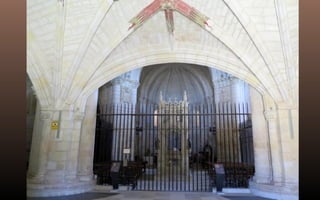
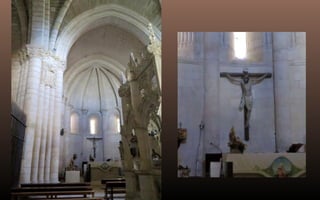
La iglesia monástica románica comenzó a construirse en vida del santo hacia 1152. 
En el siglo XIII se terminaron los ábsides, aunque el templo no se finaliza hasta el 
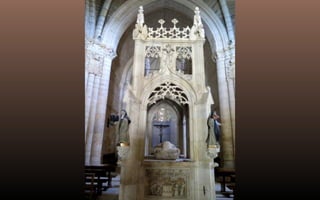
siglo XV. Destacan los capiteles de las columnas. En el centro del crucero, un 
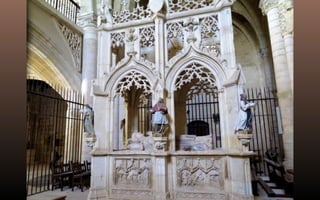
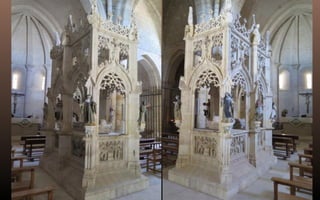
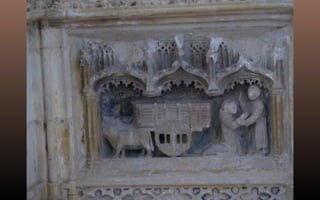
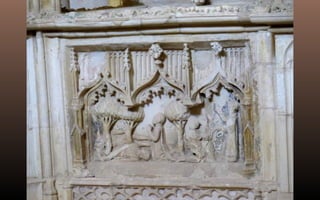
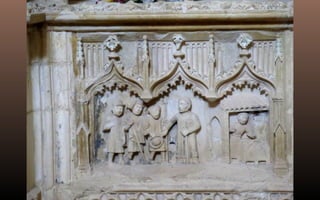
baldaquino del gótico florido, que algunos atribuyen a Juan de Colonia, cobija el 
sepulcro del Santo que fue mandado construir en 1464 por Pedro Fernández de 
Velasco. En sus laterales se representan escenas de la vida de San Juan. En 1966 se 
construyó una cripta en la que se colocaron los restos del santo, dentro de un 
sencillo sepulcro. Junto a él existe un sepulcro románico del XII destinado a guardar 
los restos del santo, finalidad que nunca cumplió. 
The monastery Romanesque style church was built in San Juan de Ortega’s lifetime, 
around 1150. The apses were finished in the 13th century and the church in the 
15th century. There are capitals and columns. In the center of the transept, a 
canopy of florid Gothic, attributed to Juan de Colonia, shelters the tomb of the 
saint, which was commissioned in 1464 by Pedro Fernandez de Velasco. On its side 
scenes from the life of San Juan are represented. In 1966 a crypt where the saint's 
remains were placed in a single grave was built. Next to it there is a Romanesque 
tomb from the 12th century, designed to hold the remains of the saint, but it was 
never used to this purpose.
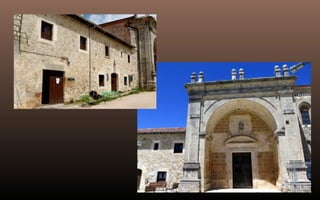
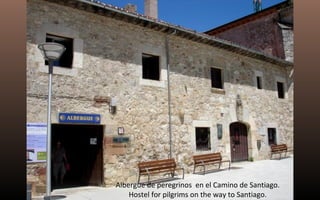
Albergue de peregrinos en el Camino de Santiago. 
Hostel for pilgrims on the way to Santiago.
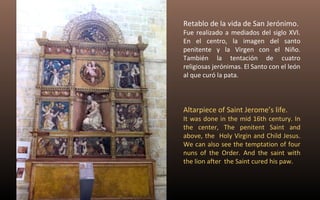
Retablo de la vida de San Jerónimo. 
Fue realizado a mediados del siglo XVI. 
En el centro, la imagen del santo 
penitente y la Virgen con el Niño. 
También la tentación de cuatro 
religiosas jerónimas. El Santo con el león 
al que curó la pata. 
Altarpiece of Saint Jerome’s life. 
It was done in the mid 16th century. In 
the center, The penitent Saint and 
above, the Holy Virgin and Child Jesus. 
We can also see the temptation of four 
nuns of the Order. And the saint with 
the lion after the Saint cured his paw.
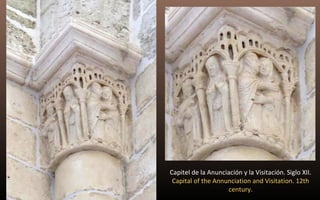
Capitel de la Anunciación y la Visitación. Siglo XII. 
Capital of the Annunciation and Visitation. 12th 
century.
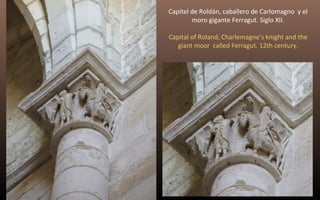
Capitel de Roldán, caballero de Carlomagno y el 
moro gigante Ferragut. Siglo XII. 
Capital of Roland, Charlemagne’s knight and the 
giant moor called Ferragut. 12th century.
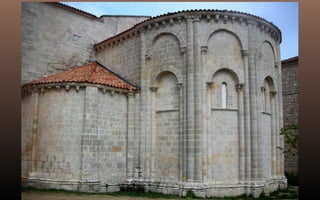
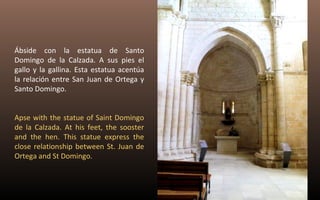
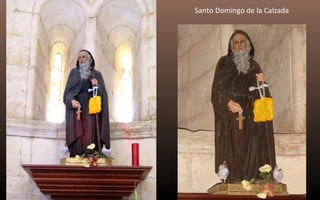
Ábside con la estatua de Santo 
Domingo de la Calzada. A sus pies el 
gallo y la gallina. Esta estatua acentúa 
la relación entre San Juan de Ortega y 
Santo Domingo. 
Apse with the statue of Saint Domingo 
de la Calzada. At his feet, the sooster 
and the hen. This statue express the 
close relationship between St. Juan de 
Ortega and St Domingo.
Santo Domingo de la Calzada
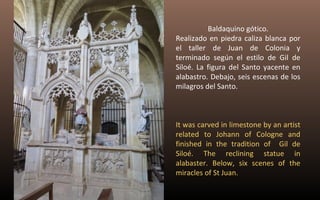
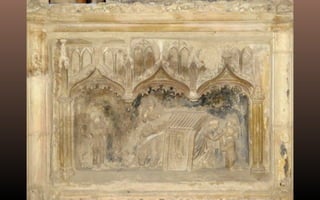
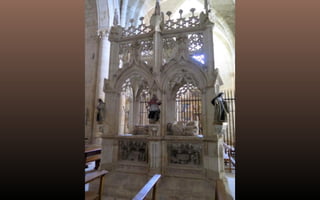
Baldaquino gótico. 
Realizado en piedra caliza blanca por 
el taller de Juan de Colonia y 
terminado según el estilo de Gil de 
Siloé. La figura del Santo yacente en 
alabastro. Debajo, seis escenas de los 
milagros del Santo. 
It was carved in limestone by an artist 
related to Johann of Cologne and 
finished in the tradition of Gil de 
Siloé. The reclining statue in 
alabaster. Below, six scenes of the 
miracles of St Juan.
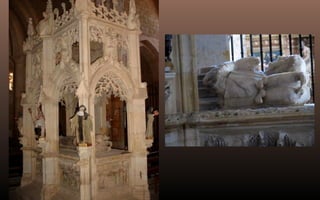
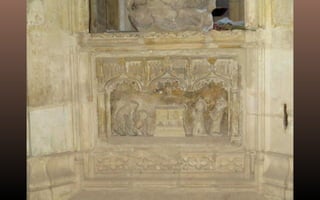
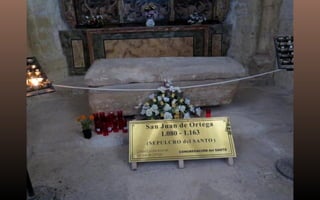
Sepulcro de San Juan de Ortega. 
Donde se encuentran los restos del 
Santo. Es un simple sarcófago liso con 
forma trapezoidal en el exterior y 
antropomórfico en el interior. Antes 
estaba debajo de un sepulcro 
labrado, otro de madera 
policromada y el baldaquino gótico 
para evitar la profanación de los 
restos. 
This is the tomb which holds the 
remains of St. Juan de Ortega. It’s a 
simple urna-dorned sarcophagus, 
rectangular outside and carved inside 
with human silhouette. It was placed 
in a carved tomb, covered by a 
polychromed wood sarcophagus and 
crowned by a Gothic canopy, to avoid 
looting.
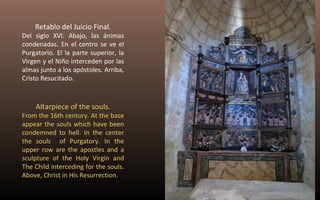
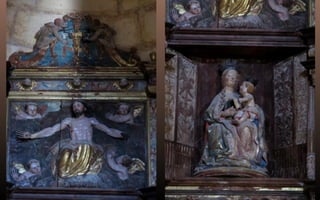
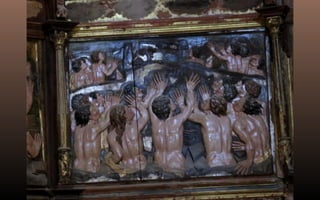
Retablo del Juicio Final. 
Del siglo XVI. Abajo, las ánimas 
condenadas. En el centro se ve el 
Purgatorio. El la parte superior, la 
Virgen y el Niño interceden por las 
almas junto a los apóstoles. Arriba, 
Cristo Resucitado. 
Altarpiece of the souls. 
From the 16th century. At the base 
appear the souls which have been 
condemned to hell. In the center 
the souls of Purgatory. In the 
upper row are the apostles and a 
sculpture of the Holy Virgin and 
The Child interceding for the souls. 
Above, Christ in His Resurrection.
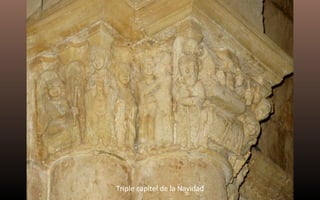
Triple capitel de la Navidad
Esta presentación tiene únicamente una finalidad cultural, sin ánimo de 
lucro. 
Fotos propias / Own photos/ General view from the web. 
Only cultural purpose. Non profit. 
All rights reserved. 
Octubre de 2014. 
Música: Howard Shore .El 
Señor de los Anillos. Las 
dos torres. 8. Evenstar. 
Ciencias Soci@les 
Realización: Carmen Madruga 
https://csociales.wordpress.com/ 
http://www.slideshare.net/carmadruga/

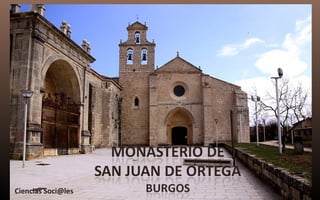
MONASTERIO DE SAN JUAN DE ORTEGA

  • 1.
  • 3.
    La iglesia monásticarománica comenzó a construirse en vida del santo hacia 1152. En el siglo XIII se terminaron los ábsides, aunque el templo no se finaliza hasta el siglo XV. Destacan los capiteles de las columnas. En el centro del crucero, un baldaquino del gótico florido, que algunos atribuyen a Juan de Colonia, cobija el sepulcro del Santo que fue mandado construir en 1464 por Pedro Fernández de Velasco. En sus laterales se representan escenas de la vida de San Juan. En 1966 se construyó una cripta en la que se colocaron los restos del santo, dentro de un sencillo sepulcro. Junto a él existe un sepulcro románico del XII destinado a guardar los restos del santo, finalidad que nunca cumplió. The monastery Romanesque style church was built in San Juan de Ortega’s lifetime, around 1150. The apses were finished in the 13th century and the church in the 15th century. There are capitals and columns. In the center of the transept, a canopy of florid Gothic, attributed to Juan de Colonia, shelters the tomb of the saint, which was commissioned in 1464 by Pedro Fernandez de Velasco. On its side scenes from the life of San Juan are represented. In 1966 a crypt where the saint's remains were placed in a single grave was built. Next to it there is a Romanesque tomb from the 12th century, designed to hold the remains of the saint, but it was never used to this purpose.
  • 5.
    Albergue de peregrinosen el Camino de Santiago. Hostel for pilgrims on the way to Santiago.
  • 11.
    Retablo de lavida de San Jerónimo. Fue realizado a mediados del siglo XVI. En el centro, la imagen del santo penitente y la Virgen con el Niño. También la tentación de cuatro religiosas jerónimas. El Santo con el león al que curó la pata. Altarpiece of Saint Jerome’s life. It was done in the mid 16th century. In the center, The penitent Saint and above, the Holy Virgin and Child Jesus. We can also see the temptation of four nuns of the Order. And the saint with the lion after the Saint cured his paw.
  • 12.
    Capitel de laAnunciación y la Visitación. Siglo XII. Capital of the Annunciation and Visitation. 12th century.
  • 13.
    Capitel de Roldán,caballero de Carlomagno y el moro gigante Ferragut. Siglo XII. Capital of Roland, Charlemagne’s knight and the giant moor called Ferragut. 12th century.
  • 14.
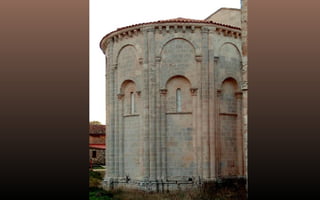
    Ábside con laestatua de Santo Domingo de la Calzada. A sus pies el gallo y la gallina. Esta estatua acentúa la relación entre San Juan de Ortega y Santo Domingo. Apse with the statue of Saint Domingo de la Calzada. At his feet, the sooster and the hen. This statue express the close relationship between St. Juan de Ortega and St Domingo.
  • 15.
    Santo Domingo dela Calzada
  • 18.
    Baldaquino gótico. Realizadoen piedra caliza blanca por el taller de Juan de Colonia y terminado según el estilo de Gil de Siloé. La figura del Santo yacente en alabastro. Debajo, seis escenas de los milagros del Santo. It was carved in limestone by an artist related to Johann of Cologne and finished in the tradition of Gil de Siloé. The reclining statue in alabaster. Below, six scenes of the miracles of St Juan.
  • 32.
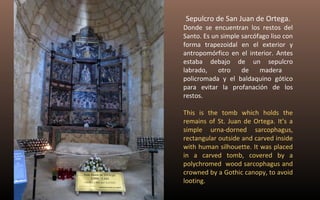
    Sepulcro de SanJuan de Ortega. Donde se encuentran los restos del Santo. Es un simple sarcófago liso con forma trapezoidal en el exterior y antropomórfico en el interior. Antes estaba debajo de un sepulcro labrado, otro de madera policromada y el baldaquino gótico para evitar la profanación de los restos. This is the tomb which holds the remains of St. Juan de Ortega. It’s a simple urna-dorned sarcophagus, rectangular outside and carved inside with human silhouette. It was placed in a carved tomb, covered by a polychromed wood sarcophagus and crowned by a Gothic canopy, to avoid looting.
  • 33.
    Retablo del JuicioFinal. Del siglo XVI. Abajo, las ánimas condenadas. En el centro se ve el Purgatorio. El la parte superior, la Virgen y el Niño interceden por las almas junto a los apóstoles. Arriba, Cristo Resucitado. Altarpiece of the souls. From the 16th century. At the base appear the souls which have been condemned to hell. In the center the souls of Purgatory. In the upper row are the apostles and a sculpture of the Holy Virgin and The Child interceding for the souls. Above, Christ in His Resurrection.
  • 36.
  • 38.
    Esta presentación tieneúnicamente una finalidad cultural, sin ánimo de lucro. Fotos propias / Own photos/ General view from the web. Only cultural purpose. Non profit. All rights reserved. Octubre de 2014. Música: Howard Shore .El Señor de los Anillos. Las dos torres. 8. Evenstar. Ciencias Soci@les Realización: Carmen Madruga https://csociales.wordpress.com/ http://www.slideshare.net/carmadruga/