Unanueva forma de entender la misiónuniversitariaFrancisco Toledo LoboRector UniversitatJaume I de Castelló
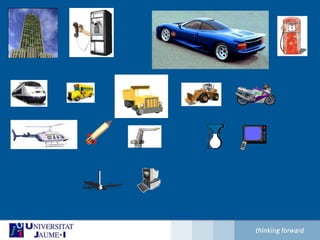
Shock!!!
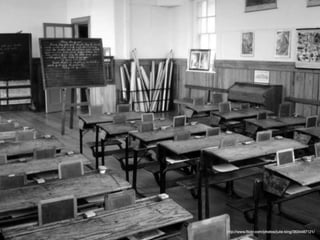
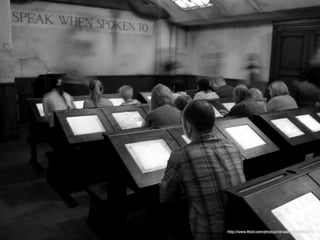
Victorian classroom
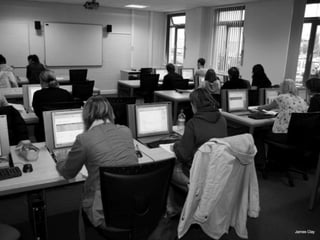
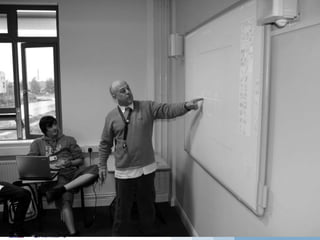
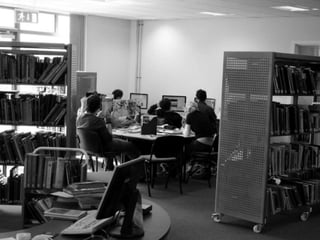
Classroom in Gloucestershire College
Best of both?
Teacher
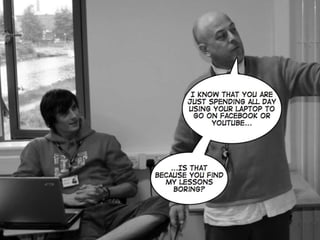
Spending all day on Facebook...
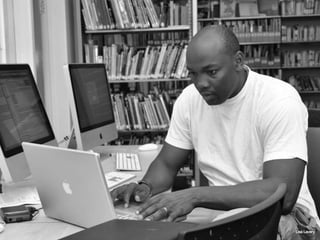
Using a computer
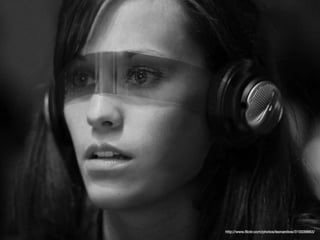
Immersive technologies?
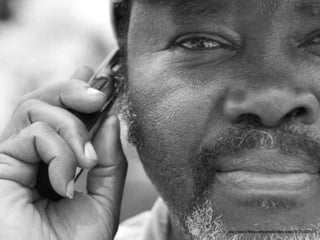
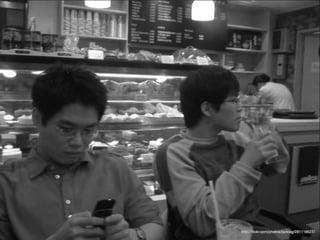
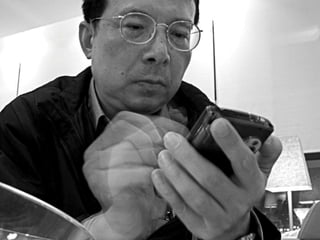
On the phone...
Multi-tasking
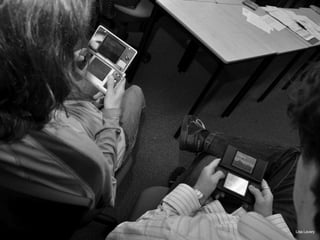
On the Nintendo DS
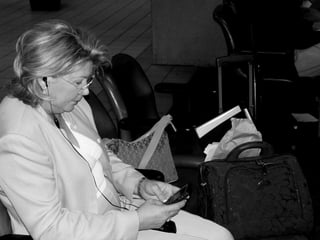
Talking on the phone
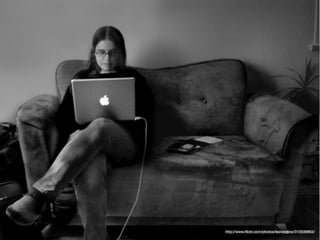
Laptop in the cafe
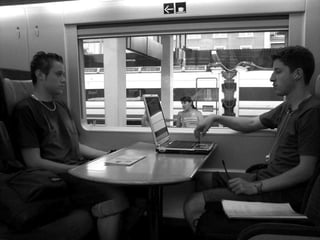
Using my computer, my 3G and my DVD player!
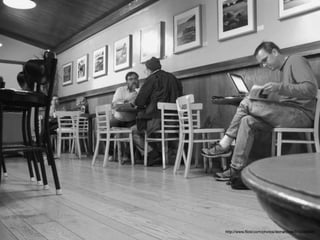
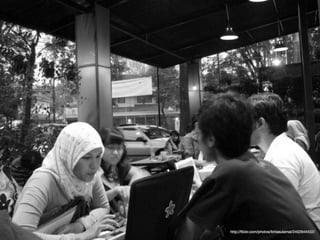
Learning in the coffee shop
Is this mobile learning?
Learning together with technology
Collaboration
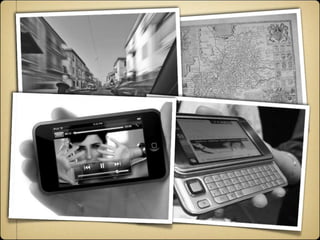
HD Camera
Camera on a mobile phone
GPS
The future is learners.
Learners choosing how and where they learn.
Mobile technologies are  not just for the young.
Learners want to learn where they want to.
It’s all about the learners, young old, whoever.
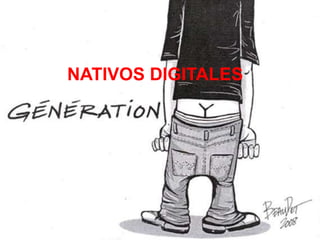
Not all young people are “digital natives”. The term is not helpful.
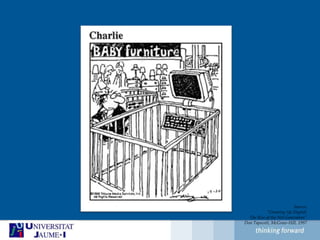
Source:“Growing Up Digital:The Rise of the Net Generation”Don Tapscott, McGraw-Hill, 1997
NATIVOS DIGITALES
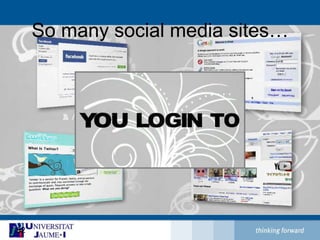
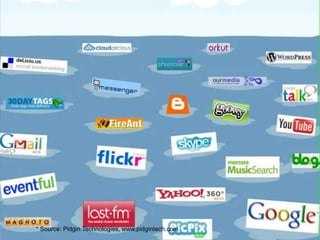
32So many social media sites…
Manuel Castells’ Theory of The Network Society
In all sectors of society we are witnessing a transformation in how their constitutive processes are organized, we are witnessing a shift from hierarchies to networks.This transformation is as much organizational as a cultural question.
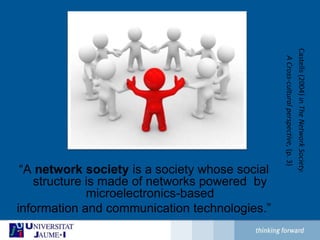
Castells (2004) in The Network Society. A Cross-cultural perspective, (p. 3)“A network society is a society whose social structure ismade of networks powered  by microelectronics-basedinformation and communication technologies.”
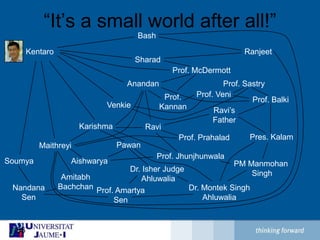
“It’s a small world after all!”RanjeetProf. SastryProf. VeniProf.KannanProf. BalkiRavi’sFatherRavi Pres. KalamProf. Prahalad PawanProf. JhunjhunwalaAishwaryaPM Manmohan SinghDr. Isher Judge AhluwaliaAmitabhBachchanDr. Montek SinghAhluwaliaNandanaSenProf. AmartyaSenBashKentaroSharadProf. McDermottAnandanVenkieKarishmaMaithreyiSoumya36
37* Source: Pidgin Technologies, www.pidgintech.com
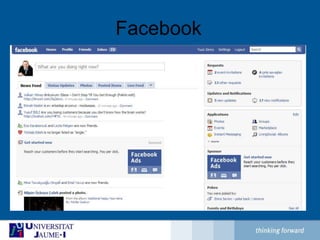
Facebook
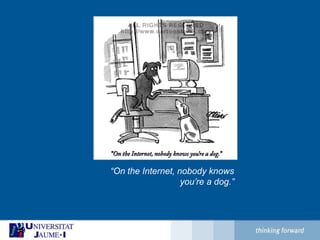
39“On the Internet, nobody knows you’re a dog.”
ClarifyingThe network society is made of what Barry Wellman callscomplex social networks.The infrastructure of this SocialNetwork is made of computer networks that connect peopleand organizations. ‘Just as a computer network is a set ofmachines connected by a set of wires, a social network is aset of people (or organizations or other social entities)connected by a set of socially meaningful relationships.(Barry Wellman, 2004)
Today, Our Children Have A Different Relationship  With Information
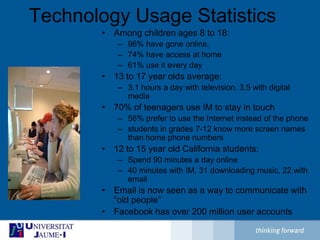
Technology Usage StatisticsAmong children ages 8 to 18: 96% have gone online.  74% have access at home 61% use it every day13 to 17 year olds average: 3.1 hours a day with television, 3.5 with digital media70% of teenagers use IM to stay in touch56% prefer to use the Internet instead of the phonestudents in grades 7-12 know more screen names than home phone numbers12 to 15 year old California students:Spend 90 minutes a day online40 minutes with IM, 31 downloading music, 22 with emailEmail is now seen as a way to communicate with “old people”Facebookhas over 200 million user accounts
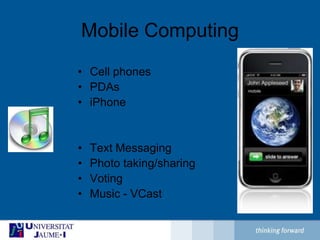
Mobile ComputingCell phonesPDAsiPhoneText MessagingPhoto taking/sharingVotingMusic - VCast
Sharing Audio and Video
Sharing Other ThingsSocial BookmarkingCollaborative writing an projectsSlideshowsPhotos and Images
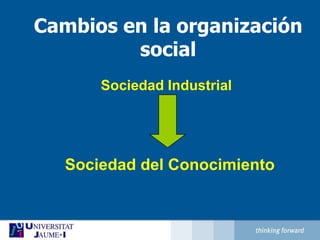
Cambios en la organización socialSociedad IndustrialSociedad del Conocimiento
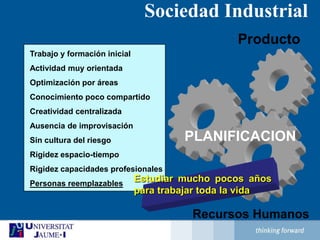
Sociedad IndustrialTrabajo y formación inicial Actividad muy orientadaOptimización por áreasConocimiento poco compartidoCreatividad centralizadaAusencia de improvisaciónSin cultura del riesgoRigidez espacio-tiempoRigidez capacidades profesionalesPersonas reemplazablesProductoPLANIFICACIONEstudiar mucho pocos años para trabajar toda la vida Recursos Humanos
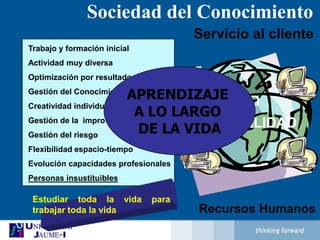
Sociedad del ConocimientoTrabajo y formación inicial Actividad muy diversaOptimización por resultadosGestión del Conocimiento Creatividad individualizadaGestión de la  improvisaciónGestión del riesgoFlexibilidad espacio-tiempoEvolución capacidades profesionalesPersonas insustituiblesServicio al clienteAPRENDIZAJE A LO LARGO DE LA VIDAREDFLEXIBILIDADEstudiar toda la vida para trabajar toda la vidaRecursos Humanos
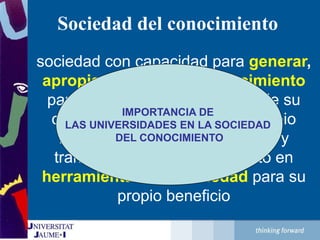
Sociedad del conocimientosociedad con capacidad para generar, apropiar, y utilizar el conocimientopara atender las necesidades de su desarrollo y así construir su propio futuro, convirtiendo la creación y transferencia del conocimiento en herramienta de la sociedadpara su propio beneficioIMPORTANCIA DE LAS UNIVERSIDADES EN LA SOCIEDAD DEL CONOCIMIENTO
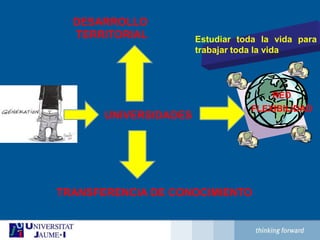
DESARROLLO TERRITORIALEstudiar toda la vida para trabajar toda la vidaREDFLEXIBILIDADUNIVERSIDADESTRANSFERENCIA DE CONOCIMIENTO
UNIVERSIDADES
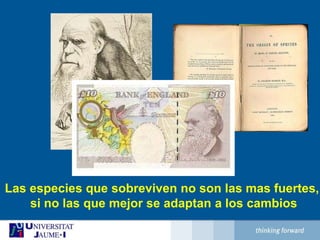
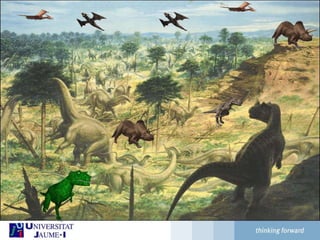
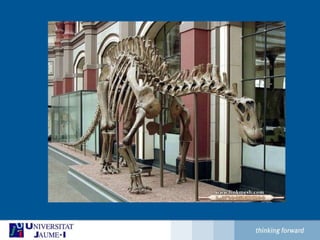
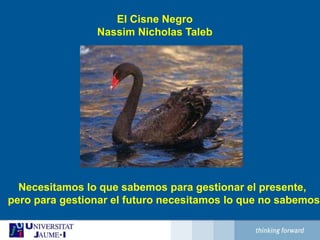
Las especies que sobreviven no son las mas fuertes, si no las que mejor se adaptan a los cambios
º
º
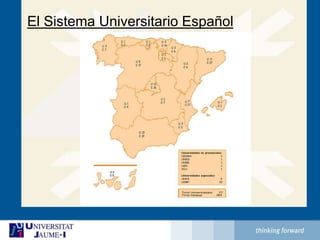
El Sistema Universitario Español
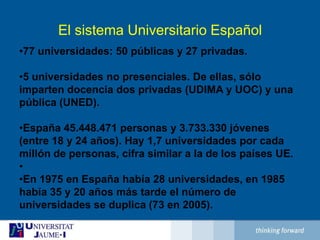
El sistemaUniversitarioEspañol77 universidades: 50 públicas y 27 privadas.
5 universidades no presenciales. De ellas, sólo imparten docencia dos privadas (UDIMA y UOC) y una pública (UNED).
España 45.448.471 personas y 3.733.330 jóvenes (entre 18 y 24 años). Hay 1,7 universidades por cada millón de personas, cifra similar a la de los países UE.
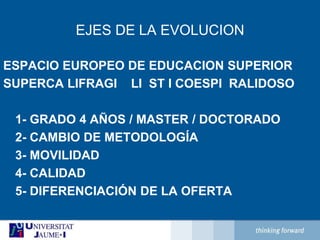
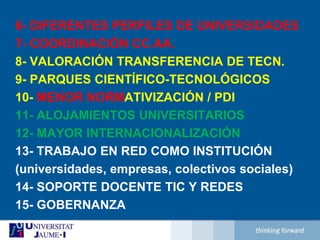
En 1975 en España había 28 universidades, en 1985 había 35 y 20 años más tarde el número de universidades se duplica (73 en 2005).EJES DE LA EVOLUCIONESPACIO EUROPEO DE EDUCACION SUPERIORSUPERCA LIFRAGI    LI  ST I COESPI  RALIDOSO	1- GRADO 4 AÑOS / MASTER / DOCTORADO	2- CAMBIO DE METODOLOGÍA3- MOVILIDAD4- CALIDAD5- DIFERENCIACIÓN DE LA OFERTA

El Dia Despues

  • 1.
    Unanueva forma deentender la misiónuniversitariaFrancisco Toledo LoboRector UniversitatJaume I de Castelló
  • 3.
  • 4.
  • 5.
  • 6.
  • 7.
  • 8.
    Spending all dayon Facebook...
  • 9.
  • 10.
  • 11.
  • 12.
  • 13.
  • 14.
  • 15.
  • 16.
    Using my computer,my 3G and my DVD player!
  • 17.
    Learning in thecoffee shop
  • 18.
  • 19.
  • 20.
  • 21.
  • 22.
    Camera on amobile phone
  • 23.
  • 24.
    The future islearners.
  • 25.
    Learners choosing howand where they learn.
  • 26.
    Mobile technologies are not just for the young.
  • 27.
    Learners want tolearn where they want to.
  • 28.
    It’s all aboutthe learners, young old, whoever.
  • 29.
    Not all youngpeople are “digital natives”. The term is not helpful.
  • 30.
    Source:“Growing Up Digital:TheRise of the Net Generation”Don Tapscott, McGraw-Hill, 1997
  • 31.
  • 32.
    32So many socialmedia sites…
  • 33.
    Manuel Castells’ Theoryof The Network Society
  • 34.
    In all sectorsof society we are witnessing a transformation in how their constitutive processes are organized, we are witnessing a shift from hierarchies to networks.This transformation is as much organizational as a cultural question.
  • 35.
    Castells (2004) inThe Network Society. A Cross-cultural perspective, (p. 3)“A network society is a society whose social structure ismade of networks powered by microelectronics-basedinformation and communication technologies.”
  • 36.
    “It’s a smallworld after all!”RanjeetProf. SastryProf. VeniProf.KannanProf. BalkiRavi’sFatherRavi Pres. KalamProf. Prahalad PawanProf. JhunjhunwalaAishwaryaPM Manmohan SinghDr. Isher Judge AhluwaliaAmitabhBachchanDr. Montek SinghAhluwaliaNandanaSenProf. AmartyaSenBashKentaroSharadProf. McDermottAnandanVenkieKarishmaMaithreyiSoumya36
  • 37.
    37* Source: PidginTechnologies, www.pidgintech.com
  • 38.
  • 39.
    39“On the Internet,nobody knows you’re a dog.”
  • 40.
    ClarifyingThe network societyis made of what Barry Wellman callscomplex social networks.The infrastructure of this SocialNetwork is made of computer networks that connect peopleand organizations. ‘Just as a computer network is a set ofmachines connected by a set of wires, a social network is aset of people (or organizations or other social entities)connected by a set of socially meaningful relationships.(Barry Wellman, 2004)
  • 41.
    Today, Our ChildrenHave A Different Relationship With Information
  • 42.
    Technology Usage StatisticsAmongchildren ages 8 to 18: 96% have gone online. 74% have access at home 61% use it every day13 to 17 year olds average: 3.1 hours a day with television, 3.5 with digital media70% of teenagers use IM to stay in touch56% prefer to use the Internet instead of the phonestudents in grades 7-12 know more screen names than home phone numbers12 to 15 year old California students:Spend 90 minutes a day online40 minutes with IM, 31 downloading music, 22 with emailEmail is now seen as a way to communicate with “old people”Facebookhas over 200 million user accounts
  • 43.
    Mobile ComputingCell phonesPDAsiPhoneTextMessagingPhoto taking/sharingVotingMusic - VCast
  • 46.
  • 47.
    Sharing Other ThingsSocialBookmarkingCollaborative writing an projectsSlideshowsPhotos and Images
  • 48.
    Cambios en laorganización socialSociedad IndustrialSociedad del Conocimiento
  • 49.
    Sociedad IndustrialTrabajo yformación inicial Actividad muy orientadaOptimización por áreasConocimiento poco compartidoCreatividad centralizadaAusencia de improvisaciónSin cultura del riesgoRigidez espacio-tiempoRigidez capacidades profesionalesPersonas reemplazablesProductoPLANIFICACIONEstudiar mucho pocos años para trabajar toda la vida Recursos Humanos
  • 50.
    Sociedad del ConocimientoTrabajoy formación inicial Actividad muy diversaOptimización por resultadosGestión del Conocimiento Creatividad individualizadaGestión de la improvisaciónGestión del riesgoFlexibilidad espacio-tiempoEvolución capacidades profesionalesPersonas insustituiblesServicio al clienteAPRENDIZAJE A LO LARGO DE LA VIDAREDFLEXIBILIDADEstudiar toda la vida para trabajar toda la vidaRecursos Humanos
  • 51.
    Sociedad del conocimientosociedadcon capacidad para generar, apropiar, y utilizar el conocimientopara atender las necesidades de su desarrollo y así construir su propio futuro, convirtiendo la creación y transferencia del conocimiento en herramienta de la sociedadpara su propio beneficioIMPORTANCIA DE LAS UNIVERSIDADES EN LA SOCIEDAD DEL CONOCIMIENTO
  • 52.
    DESARROLLO TERRITORIALEstudiar todala vida para trabajar toda la vidaREDFLEXIBILIDADUNIVERSIDADESTRANSFERENCIA DE CONOCIMIENTO
  • 53.
  • 54.
    Las especies quesobreviven no son las mas fuertes, si no las que mejor se adaptan a los cambios
  • 55.
  • 56.
  • 57.
  • 58.
  • 59.
    5 universidades nopresenciales. De ellas, sólo imparten docencia dos privadas (UDIMA y UOC) y una pública (UNED).
  • 60.
    España 45.448.471 personasy 3.733.330 jóvenes (entre 18 y 24 años). Hay 1,7 universidades por cada millón de personas, cifra similar a la de los países UE.
  • 61.
    En 1975 enEspaña había 28 universidades, en 1985 había 35 y 20 años más tarde el número de universidades se duplica (73 en 2005).EJES DE LA EVOLUCIONESPACIO EUROPEO DE EDUCACION SUPERIORSUPERCA LIFRAGI LI ST I COESPI RALIDOSO 1- GRADO 4 AÑOS / MASTER / DOCTORADO 2- CAMBIO DE METODOLOGÍA3- MOVILIDAD4- CALIDAD5- DIFERENCIACIÓN DE LA OFERTA