IMPRESIONISMO
Mediados del siglo XIX, Francia 
•La Academia de Bellas Artes dominaba el arte. 
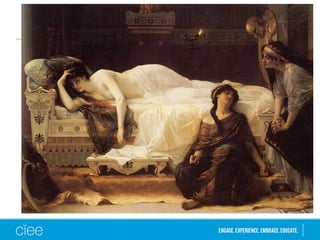
•Temas históricos, religiosos y retratos eran apreciados. 
Paisajes y bodegones no. 
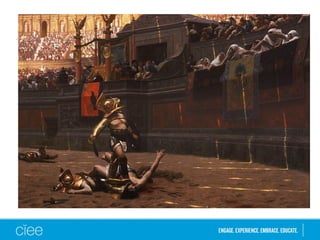
•La academia prefería cuadros con imagenes 
perfectamente acabadas que parecieran realistas incluso 
observadas de cerca. 
•El uso del color era muy conservador. 
•Se intentaba que no se vieran las pinceladas.
Los inicios 
• Algunos pintores jóvenes pintaban de manera más 
ligera y brillante (= brighter, not brilliant). 
• Estaban más interesados en el paisaje y la vida 
contemporánea que en recrear escenas históricas o 
mitológicas. 
• Cada año el jurado del Salon du Paris rechazaba sus 
cuadros. 
• Un grupo de jóvenes, Claude Monet, Renoir, Sisley, 
Bazille, Pissarro, Paul Cézanne, Armand Guillaumin 
se hicieron amigos y solían pintar juntos. 
• Se reunían en el Café Guerbois, con Edouard Manet, un 
poco mayor que ellos, como líder.
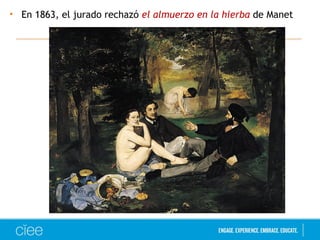
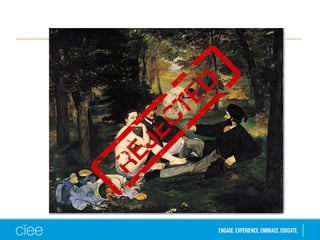
• En 1863, el jurado rechazó el almuerzo en la hierba de Manet
• Después de que el emperador Napoleon III viera las obras rechazadas, 
declaró que el público tenía derecho a verlas y juzgar por si mismos, 
y se organizó el Salon des Refusés (Salon de los Rechazados). 
• Mientras mucha gente iba solo para reirse de las obras el Salon des 
Refusés puso de manifiesto la existencia de una nueva tendencia en 
el arte y empezó a atraer a más gente que el salón oficial. 
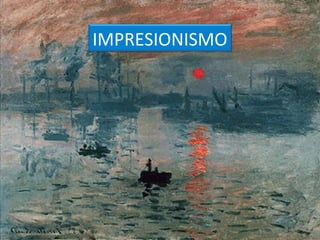
• El crítico y humorista Louis Leroy escribió un artículo mofandose de 
los cuadros y, utilizando el título de uno de ellos, el cuadro de Claude 
Monet Impresión, Amanecer llamó a su artículo La Exhibición de 
los Impresionistas. 
• Aunque era un término peyorativo, los propios artístas lo adoptaron
CARACTERISTICAS 
•El color se aplica en pinceladas libres y predomina sobre 
la línea y los contornos. 
•Escenas realistas de la vida moderna. 
•Muchas veces se pinta al aire libre (a plen air). Antes se 
solía pintar en estudio. 
•Más interesados en efectos visuales que en detalles 
perfectamente realizados.
CARACTERISTICAS 
•Uso del color puro y sin mezclar gradualmente como era 
la costumbre, para conseguir un efecto de color vibrante. 
•El negro prácticamente no se usa (se usan los 
complementarios para conseguir grises) 
•Es el arte de la inmediatez y el movimiento, de los 
juegos de luz.
Claude Monet, 
Mujer con sombrilla
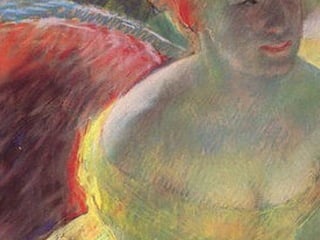
Cassatt 
Mary en el teatro
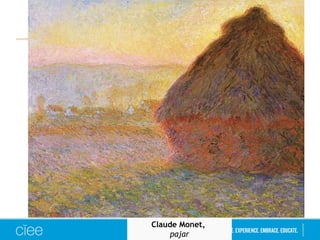
Claude Monet, 
pajar
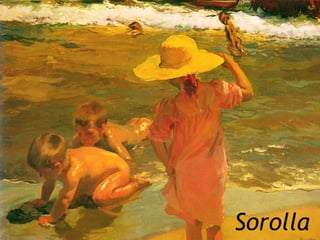
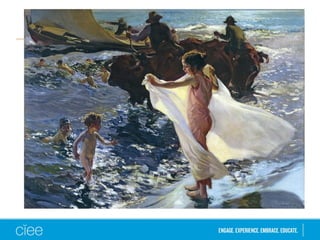
Sorolla
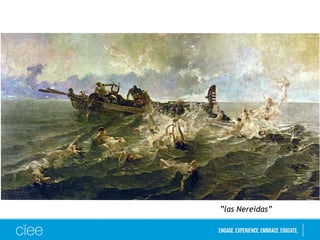
• Nace en 1863 en Valencia 
• Se casa con Clotilde García del Castillo, a quien había conocido en 
1879, trabajando en el estudio de fotografía de su padre 
• A los18 fue a Madrid a estudiar a los maestros del museo del Prado 
• A los 22 obtiene una beca para ir a Roma 
• Un largo viaje a Paris en 1885 le hizo conocer las nuevas tendencias 
en el arte 
JOAQUÍN SOROLLA
”las Nereidas”
SOROLLA el artista 
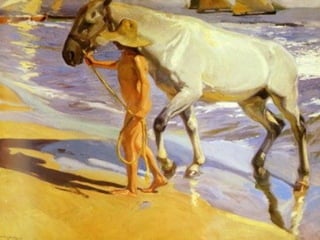
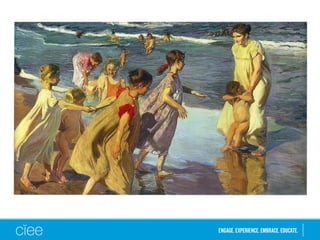
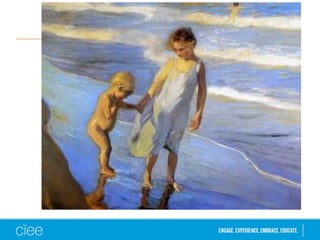
• Su estilo es una forma personal de impresionismo: el “Luminismo” 
• Menos los domingos, trabajaba de 6 a 9 horas diarias, muchas veces a 
pleno sol y con traje 
• La base de su increible estilo era en realidad su maestría para el 
dibujo. 
• Sorolla pintaba muy, muy rápido. 
• La mayoría de sus cuadros los pintó en 4 o 6 dias, muchos de ellos en 
dos o incluso en un dia
SOROLLA el artista 
• Sorolla no planificaba sus cuadros excesivamente, prefería ir 
componiendolos mientras pintaba. 
• En el estudio Sorolla usaba una paleta del tamaño de un piano y 
pinceles de un metro de largo para poder ver bien mientras 
pintaba. 
• La pincelada es rápida Brush work is loose and bold. 
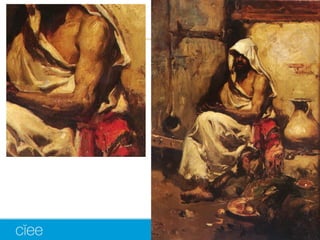
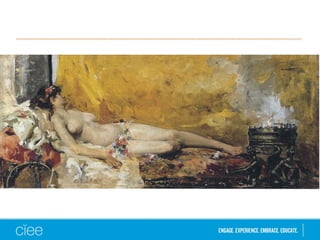
• At the first years he focused mainly on the production of large 
canvases of orientalist, mythological, historical, and social 
subjects, for display in salons and international exhibitions in 
Madrid, Paris, Venice, Munich, Berlin, and Chicago.
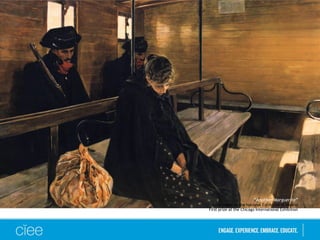
“Another Marguerite” 
Gold medal at the National Exhibition in Madrid 
First prize at the Chicago International Exhibition
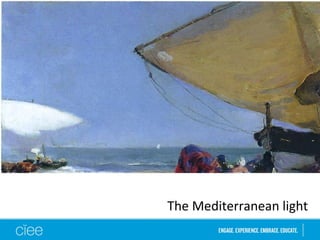
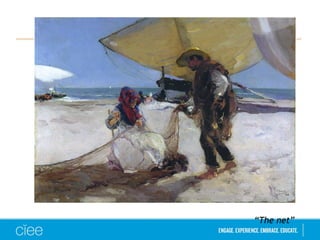
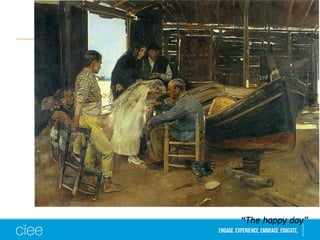
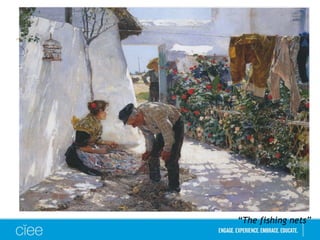
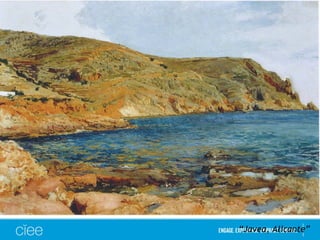
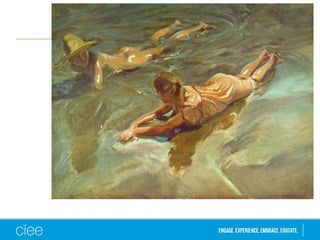
The Mediterranean light
“The net”
“The happy day”
“The fishing nets”
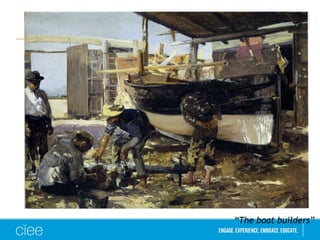
“The boat builders”
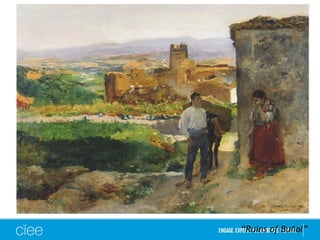
“Ruins of Buñol”
“Javea, Alicante”
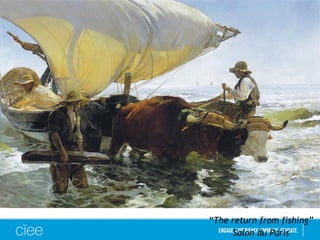
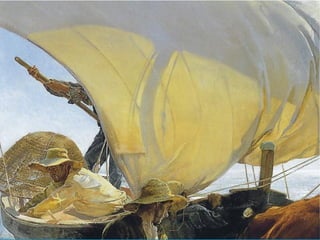
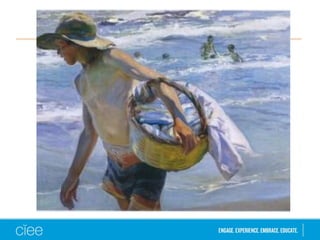
“The return from fishing” 
Salon du Paris
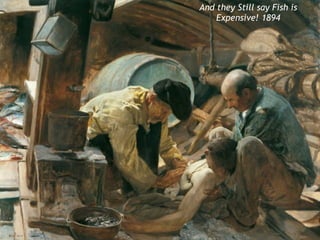
And they Still say Fish is 
Expensive! 1894
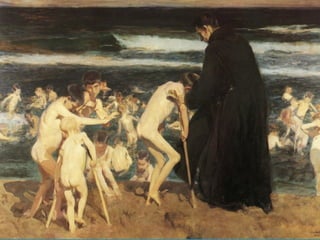
• An even greater turning point in Sorolla's career was marked by the 
painting and exhibition of Sad Inheritance 
• The subject was a depiction of crippled children bathing at the sea in 
Valencia, under the supervision of a monk. 
• The polio epidemic that struck some years earlier the land of 
Valencia is present, possibly for the first time in the history of 
painting, through the image of the two affected children. 
• The painting earned Sorolla his greatest official recognition, the 
Grand Prix and a medal of honor at the Universal Exhibition in Paris 
in 1900, and the medal of honor at the National Exhibition in Madrid 
in 1901.
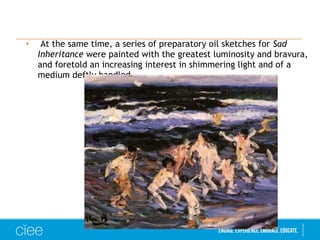
• At the same time, a series of preparatory oil sketches for Sad 
Inheritance were painted with the greatest luminosity and bravura, 
and foretold an increasing interest in shimmering light and of a 
medium deftly handled.
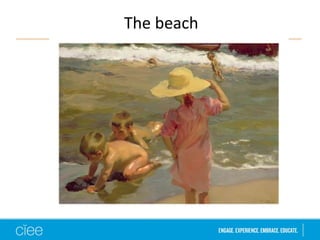
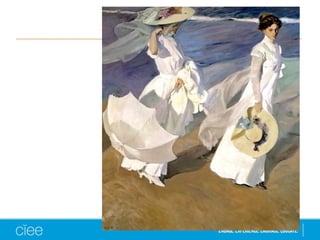
The beach
• The exhibit at the Paris Universal Exposition of 1900 won him a medal of 
honour and his nomination as Knight of the Legion of Honour. 
• Within the next few years Sorolla was honoured as a member of the Fine Art 
Academies of Paris, Lisbon, and Valencia, and as a Favourite Son of Valencia. 
• In England met Archer Milton Huntington, who made him a member of The 
Hispanic Society of America in New York City, and invited him to exhibit there 
in 1909. 
• Sorolla spent five months in America and painted more than twenty portraits.
Portraits 
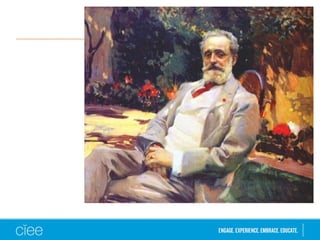
• Formal portraiture was not Sorolla's genre of preference, because it tended 
to restrict his creative appetites. 
• But portrait commissions proved profitable, and the portrayal of his family 
was irresistible.
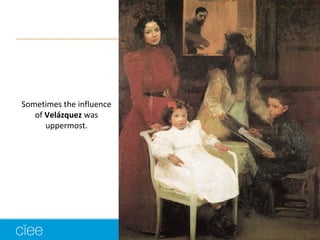
Sometimes the influence 
of Velázquez was 
uppermost.
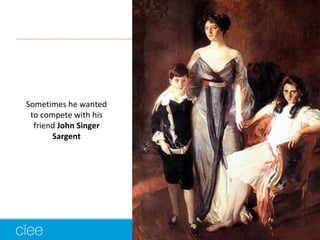
Sometimes he wanted 
to compete with his 
friend John Singer 
Sargent
Mr. Taft 
President of the 
USA
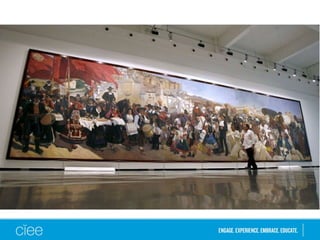
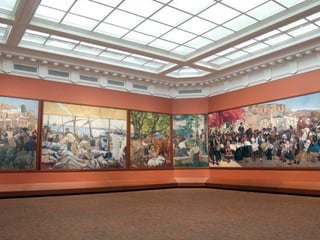
The Vision of Spain 
• Archer M. Huntington in Paris and signed a contract to paint a series of 
oils on life in Spain to be installed in the Hispanic Society of America. 
• Would range from 12 to 14 feet in height, and total 227 feet in length 
(fourteen large panels in all). 
• The major commission of his career, it would dominate the later years of 
Sorolla's life. 
• Sorolla painted all but one en plein air, and travelled to specific locales to 
paint them at each site painting models posed in local costume. 
• He completed the final panel by the middle of 1919.
Impresionismo, Sorolla

Impresionismo, Sorolla

  • 1.
  • 2.
    Mediados del sigloXIX, Francia •La Academia de Bellas Artes dominaba el arte. •Temas históricos, religiosos y retratos eran apreciados. Paisajes y bodegones no. •La academia prefería cuadros con imagenes perfectamente acabadas que parecieran realistas incluso observadas de cerca. •El uso del color era muy conservador. •Se intentaba que no se vieran las pinceladas.
  • 7.
    Los inicios •Algunos pintores jóvenes pintaban de manera más ligera y brillante (= brighter, not brilliant). • Estaban más interesados en el paisaje y la vida contemporánea que en recrear escenas históricas o mitológicas. • Cada año el jurado del Salon du Paris rechazaba sus cuadros. • Un grupo de jóvenes, Claude Monet, Renoir, Sisley, Bazille, Pissarro, Paul Cézanne, Armand Guillaumin se hicieron amigos y solían pintar juntos. • Se reunían en el Café Guerbois, con Edouard Manet, un poco mayor que ellos, como líder.
  • 8.
    • En 1863,el jurado rechazó el almuerzo en la hierba de Manet
  • 10.
    • Después deque el emperador Napoleon III viera las obras rechazadas, declaró que el público tenía derecho a verlas y juzgar por si mismos, y se organizó el Salon des Refusés (Salon de los Rechazados). • Mientras mucha gente iba solo para reirse de las obras el Salon des Refusés puso de manifiesto la existencia de una nueva tendencia en el arte y empezó a atraer a más gente que el salón oficial. • El crítico y humorista Louis Leroy escribió un artículo mofandose de los cuadros y, utilizando el título de uno de ellos, el cuadro de Claude Monet Impresión, Amanecer llamó a su artículo La Exhibición de los Impresionistas. • Aunque era un término peyorativo, los propios artístas lo adoptaron
  • 12.
    CARACTERISTICAS •El colorse aplica en pinceladas libres y predomina sobre la línea y los contornos. •Escenas realistas de la vida moderna. •Muchas veces se pinta al aire libre (a plen air). Antes se solía pintar en estudio. •Más interesados en efectos visuales que en detalles perfectamente realizados.
  • 13.
    CARACTERISTICAS •Uso delcolor puro y sin mezclar gradualmente como era la costumbre, para conseguir un efecto de color vibrante. •El negro prácticamente no se usa (se usan los complementarios para conseguir grises) •Es el arte de la inmediatez y el movimiento, de los juegos de luz.
  • 14.
    Claude Monet, Mujercon sombrilla
  • 15.
    Cassatt Mary enel teatro
  • 17.
  • 18.
  • 20.
    • Nace en1863 en Valencia • Se casa con Clotilde García del Castillo, a quien había conocido en 1879, trabajando en el estudio de fotografía de su padre • A los18 fue a Madrid a estudiar a los maestros del museo del Prado • A los 22 obtiene una beca para ir a Roma • Un largo viaje a Paris en 1885 le hizo conocer las nuevas tendencias en el arte JOAQUÍN SOROLLA
  • 24.
  • 27.
    SOROLLA el artista • Su estilo es una forma personal de impresionismo: el “Luminismo” • Menos los domingos, trabajaba de 6 a 9 horas diarias, muchas veces a pleno sol y con traje • La base de su increible estilo era en realidad su maestría para el dibujo. • Sorolla pintaba muy, muy rápido. • La mayoría de sus cuadros los pintó en 4 o 6 dias, muchos de ellos en dos o incluso en un dia
  • 32.
    SOROLLA el artista • Sorolla no planificaba sus cuadros excesivamente, prefería ir componiendolos mientras pintaba. • En el estudio Sorolla usaba una paleta del tamaño de un piano y pinceles de un metro de largo para poder ver bien mientras pintaba. • La pincelada es rápida Brush work is loose and bold. • At the first years he focused mainly on the production of large canvases of orientalist, mythological, historical, and social subjects, for display in salons and international exhibitions in Madrid, Paris, Venice, Munich, Berlin, and Chicago.
  • 33.
    “Another Marguerite” Goldmedal at the National Exhibition in Madrid First prize at the Chicago International Exhibition
  • 34.
  • 35.
  • 36.
  • 37.
  • 38.
  • 39.
  • 40.
  • 41.
    “The return fromfishing” Salon du Paris
  • 44.
    And they Stillsay Fish is Expensive! 1894
  • 45.
    • An evengreater turning point in Sorolla's career was marked by the painting and exhibition of Sad Inheritance • The subject was a depiction of crippled children bathing at the sea in Valencia, under the supervision of a monk. • The polio epidemic that struck some years earlier the land of Valencia is present, possibly for the first time in the history of painting, through the image of the two affected children. • The painting earned Sorolla his greatest official recognition, the Grand Prix and a medal of honor at the Universal Exhibition in Paris in 1900, and the medal of honor at the National Exhibition in Madrid in 1901.
  • 47.
    • At thesame time, a series of preparatory oil sketches for Sad Inheritance were painted with the greatest luminosity and bravura, and foretold an increasing interest in shimmering light and of a medium deftly handled.
  • 48.
  • 56.
    • The exhibitat the Paris Universal Exposition of 1900 won him a medal of honour and his nomination as Knight of the Legion of Honour. • Within the next few years Sorolla was honoured as a member of the Fine Art Academies of Paris, Lisbon, and Valencia, and as a Favourite Son of Valencia. • In England met Archer Milton Huntington, who made him a member of The Hispanic Society of America in New York City, and invited him to exhibit there in 1909. • Sorolla spent five months in America and painted more than twenty portraits.
  • 57.
    Portraits • Formalportraiture was not Sorolla's genre of preference, because it tended to restrict his creative appetites. • But portrait commissions proved profitable, and the portrayal of his family was irresistible.
  • 58.
    Sometimes the influence of Velázquez was uppermost.
  • 59.
    Sometimes he wanted to compete with his friend John Singer Sargent
  • 62.
  • 63.
    The Vision ofSpain • Archer M. Huntington in Paris and signed a contract to paint a series of oils on life in Spain to be installed in the Hispanic Society of America. • Would range from 12 to 14 feet in height, and total 227 feet in length (fourteen large panels in all). • The major commission of his career, it would dominate the later years of Sorolla's life. • Sorolla painted all but one en plein air, and travelled to specific locales to paint them at each site painting models posed in local costume. • He completed the final panel by the middle of 1919.